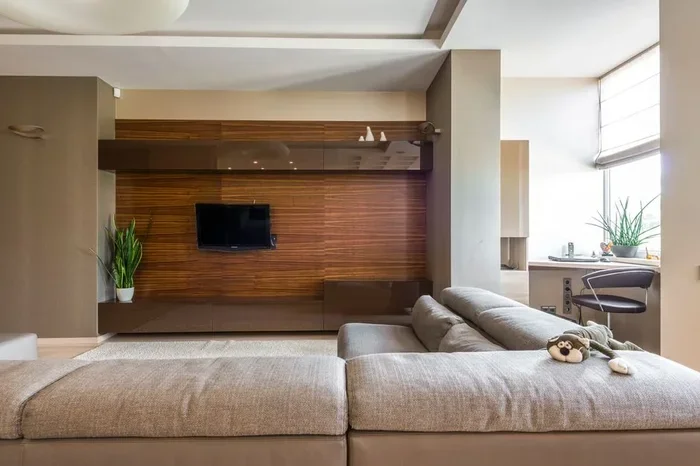
Modern Living Room Built In Wall Units Design Guide
Modern living room built in wall units combine style and storage in one seamless design. These custom units maximize your space while adding a polished, curated look to any room. Whether you prefer a sleek minimalist aesthetic or a bold statement piece, a built-in wall unit elevates your living room décor instantly.
When you walk into a living room that feels put together, chances are the modern living room built in wall units are doing a lot of heavy lifting. These units are more than just furniture. They are storage solutions, display areas, and design anchors all in one. If you have been searching for a way to elevate your living room without buying a dozen separate pieces, a built-in wall unit might be exactly what you need.
A built-in wall unit wraps your walls in purpose and beauty. It gives you shelves, cabinets, and open display areas that fit your space perfectly. No gaps. No awkward sizing. No wasted corners. In this guide, we walk you through everything you need to know about choosing, designing, and styling modern wall units for your living room. Let us dive in.
Key Takeaways
- Built-in wall units save space: They use every inch of your wall, giving you extra storage without cluttering the room.
- Customization is key: You can design your unit to match your exact style, color palette, and storage needs.
- Multiple styles work well: From minimalist to farmhouse, there is a built-in wall unit style for every home.
- Installation matters: Proper planning and professional help ensure your unit looks great and lasts for years.
- Decorating tips boost the look: Use art, plants, and lighting to make your wall unit a true focal point.
📑 Table of Contents
What Are Modern Living Room Built In Wall Units?
A built-in wall unit is a custom furniture piece that attaches directly to your wall. Unlike freestanding shelves or cabinets, these units are fixed in place. They become part of the room’s architecture. This gives them a seamless, tailored look that off-the-shelf furniture simply cannot match.
Modern versions of these units focus on clean lines, smart storage, and stylish design. They come in many shapes and sizes. Some feature open shelving for books and decor. Others include closed cabinets to hide clutter. Many combine both in one elegant design. The goal is simple. Make your living room look great while keeping it organized.
Why Built-Ins Beat Freestanding Furniture
There is a big reason homeowners choose built-ins over store-bought pieces. Custom wall units use your full wall space. A freestanding shelf might leave awkward gaps above or beside it. A built-in unit fills every inch. This means more storage and a cleaner look.
Built-ins also add value to your home. Potential buyers love custom features. A well-designed wall unit signals quality and attention to detail. It makes your living room feel high-end without a high-end price tag.
Popular Styles of Built In Wall Units
Not all wall units look the same. Your choice depends on your personal style and the vibe of your living room. Here are the most popular styles that work beautifully in modern spaces.
Minimalist Clean-Line Units
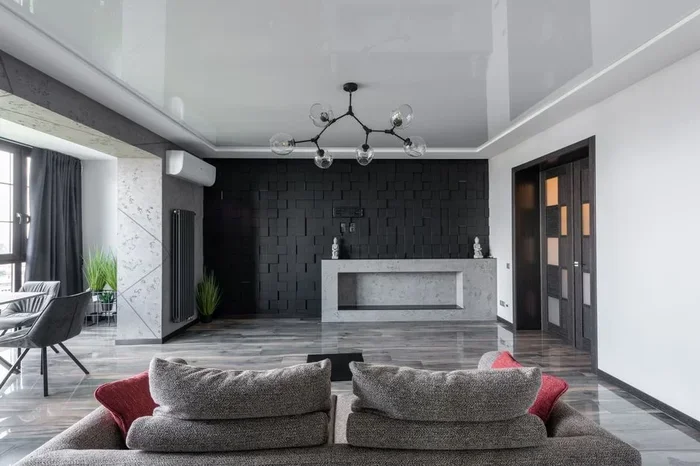
This style keeps things simple. Flat panels, hidden handles, and neutral colors define minimalist units. They work best in rooms with a modern aesthetic. The lack of ornamentation lets the architecture of the unit speak for itself. White, gray, and natural wood tones are top choices here.
Rustic Farmhouse Wall Units
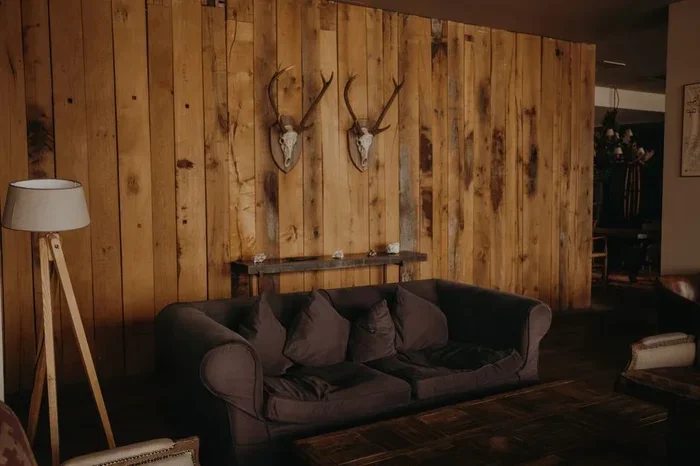
If your living room has warm, cozy vibes, a rustic built-in might be your match. These units often feature reclaimed wood, open shelves, and visible brackets. They bring character and charm. Pair them with woven baskets and vintage accessories for a complete farmhouse look.
Mid-Century Modern Units
Mid-century design remains hugely popular. These wall units feature clean angles, tapered legs, and rich wood tones. Walnut and teak are common material choices. A mid-century style unit adds warmth and retro flair to any modern living room.
Industrial-Style Wall Units
Industrial design leans on raw materials and unfinished textures. Metal frames, exposed wood, and blackened steel accents define this look. If you love the industrial living room furniture aesthetic, a built-in wall unit with metal and wood combinations will feel right at home.
How to Design Your Built In Wall Unit
Designing a custom wall unit takes some planning. You want to get the layout, materials, and features just right. Here is how to approach the process step by step.
Step 1: Measure Your Wall Space
Start with accurate measurements. Measure the height, width, and depth of your available wall. Note any windows, doors, or outlets that might affect the design. A unit that fits perfectly looks seamless. One that is too big or too small disrupts the room’s flow.
Step 2: Choose Your Materials
Material choice shapes the entire look. Here are common options for modern wall unit design:
- Plywood: Affordable and versatile. Works well for painted or stained finishes.
- Solid Wood: Durable and premium. Adds warmth and natural beauty.
- MDF with Laminate: Smooth finish. Great for a sleek, modern appearance.
- Combination Materials: Mix wood with metal or glass for a custom feel.
Step 3: Plan Your Storage Zones
Think about what you need to store. Books need shelves. Hidden items need cabinets. Display pieces need open space. A good design balances all three. Divide your unit into zones based on function. This keeps your unit practical and visually interesting.
Step 4: Decide on Open Shelves vs. Closed Cabinets
Open shelves make your space feel airy and accessible. They work well for items you display often. Closed cabinets hide clutter and keep things tidy. Most modern units blend both. A mix of open and closed storage gives you the best of both worlds.
Step 5: Pick a Color and Finish
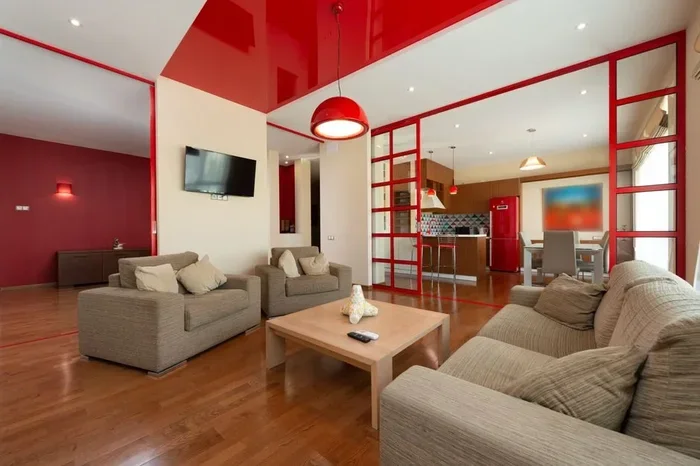
Your wall unit should complement your room’s color scheme. Neutral tones like white, beige, and soft gray create a calm backdrop. Bold colors make a statement. Natural wood finishes add warmth. Match your unit to your existing furniture for a cohesive look.
Placement and Layout Tips
Where you place your built-in wall unit changes everything. The wrong spot can make a room feel cramped. The right spot makes it feel intentional and balanced.
First, consider your room’s focal point. Most living rooms have one. It might be a fireplace, a television, or a large window. Position your unit to support that focal point. It should enhance the view, not block it.
For rooms with a television, a wall unit that wraps around the TV area works wonders. It creates a built-in entertainment center that looks custom-made. Make sure to leave enough space for ventilation behind any electronics.
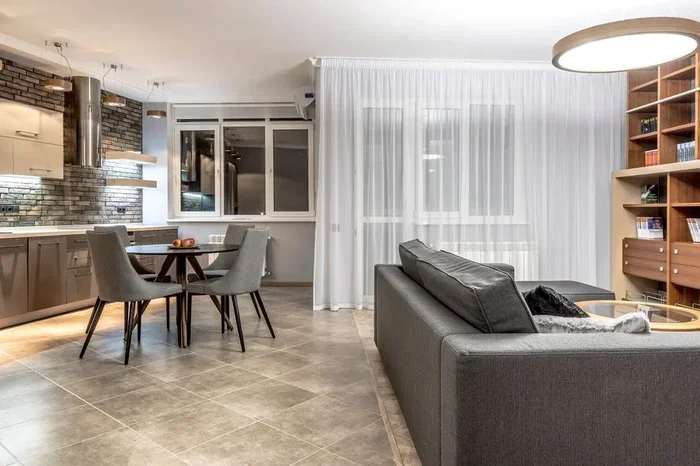
If your room is small, a floating wall unit keeps the floor visible and the space feeling open. Floating shelves attached to a tall cabinet create height without heaviness. This trick works especially well in apartments and compact living rooms.
Proper furniture placement makes all the difference. Learn more about how to place furniture in living room to ensure your wall unit and surrounding pieces create a balanced layout.
Styling Your Built In Wall Unit
A beautifully designed wall unit needs the right styling to truly shine. Here are tips to make yours a showstopper.
Add Art and Decor to Shelves
Do not leave every shelf empty or overloaded. Create visual balance by alternating books, art pieces, and decorative objects. Place a tall plant or a small sculpture on one shelf. Stack a few coffee table books on another. This layered approach adds depth and personality.
If you want specific guidance on arranging items, check out our article on how to decorate shelves in living room for proven styling techniques.
Use Lighting to Highlight Your Unit
LED strip lights beneath shelves create a warm glow. They draw the eye to your unit and add ambiance to the room. Spotlights on displayed art pieces make them pop. Recessed lighting above the unit keeps the area bright and inviting.
Mix Closed and Open Storage
Keep some shelves bare for a clean look. Use closed cabinets for items you do not want to see. This balance prevents the unit from feeling cluttered. It also makes cleaning easier. Dust shows less on closed surfaces.
Incorporate Plants and Textures
Add a few potted plants to your shelves. Green plants bring life and color to any room. Mix textures like woven baskets, ceramic vases, and textured books. These small touches make your wall unit feel curated and intentional.
Common Mistakes to Avoid
Building a built-in wall unit is exciting. But a few common mistakes can undermine the results. Here is what to watch out for.
- Skipping proper measurements: Even small errors lead to ill-fitting units. Always double-check before building.
- Ignoring electrical outlets: Plan around outlets and switches. A unit that covers them becomes useless.
- Overloading shelves: Heavy items on weak shelves cause sagging. Know the weight limits of your materials.
- Choosing the wrong scale: A massive unit in a small room overwhelms the space. A tiny unit in a large room looks lost. Match the unit size to your room proportions.
- Forgetting about airflow: If your unit houses electronics, leave gaps for ventilation. Heat buildup damages devices.
Expert Insights on Built In Wall Units
Interior designers agree that built-in wall units are one of the highest-impact upgrades you can make. They transform a room from generic to personalized. A well-designed unit reflects your taste and meets your practical needs.
One designer shared a key tip. “Start with function, then add style,” she says. “Decide what you need to store first. Then design the look around that.” This approach ensures your unit works hard every day while looking beautiful.
Another expert recommends keeping the design simple. “Trends come and go,” he explains. “A clean, timeless design lasts longer and ages better than something too trendy.” Choose materials and colors you love today and will still love in five years.
If you are also considering a sideboard-style unit, our guide on how to decorate a sideboard in a living room offers helpful ideas for styling these pieces alongside your wall unit.
Key Takeaways
- Built-in wall units save space: They use every inch of your wall, giving you extra storage without cluttering the room.
- Customization is key: You can design your unit to match your exact style, color palette, and storage needs.
- Multiple styles work well: From minimalist to farmhouse, there is a built-in wall unit style for every home.
- Placement matters: Position your unit to complement your room’s focal point and maintain open sightlines.
- Styling makes the difference: Use lighting, plants, and a mix of objects to create a polished, curated look.
- Avoid common mistakes: Measure carefully, plan around outlets, and choose a scale that fits your room.
Conclusion
Modern living room built in wall units offer a smart, stylish solution for any home. They combine storage, display, and design into one seamless feature. Whether you prefer a minimalist look or a bold statement piece, a custom wall unit transforms your living room into a space that feels intentional and put together.
Take the time to plan your design. Choose materials that suit your style. Style your shelves with care. The result is a living room that looks expensive and feels like home. Start your wall unit project today and enjoy the difference it makes every single day.
FAQs
What is the average cost of a modern living room built in wall unit?
Costs vary widely based on materials and size. A basic plywood unit might cost a few hundred dollars. A solid wood custom build can run several thousand. The average homeowner spends between 800 and 3,000 dollars for a quality built-in wall unit.
Can I install a built-in wall unit myself?
Yes, if you have basic carpentry skills and the right tools. However, professional installation ensures a flawless finish. It also saves time and reduces the risk of costly mistakes. For most homeowners, hiring a pro is the safer choice.
What materials work best for modern wall units?
Plywood, solid wood, and MDF with laminate are the top choices. Each offers different benefits. Plywood is affordable and strong. Solid wood adds warmth and durability. MDF with laminate gives a sleek, modern finish at a budget-friendly price.
How do I style open shelves in a built-in wall unit?
Start by grouping items in odd numbers. Mix books, art, and small decor objects. Add plants for color and life. Leave some shelves partially empty to avoid clutter. Alternate between horizontal and vertical placements for visual interest.
Do built-in wall units add value to a home?
Yes, custom built-ins are considered a premium home feature. They appeal to buyers who value quality and thoughtful design. A well-made wall unit can increase your home’s perceived value and make it stand out in the market.
What is the best color for a built-in wall unit?
Neutral tones like white, soft gray, and natural wood work best for most homes. They blend easily with any color scheme. If you want a bold look, try a deep navy or matte black. Just make sure the color complements your existing furniture and wall paint.