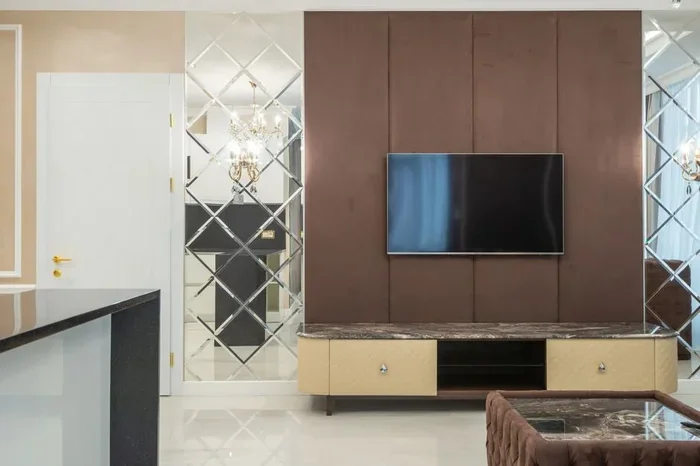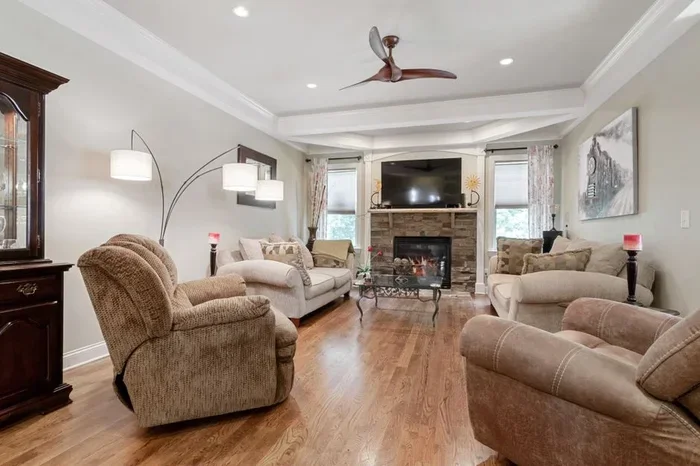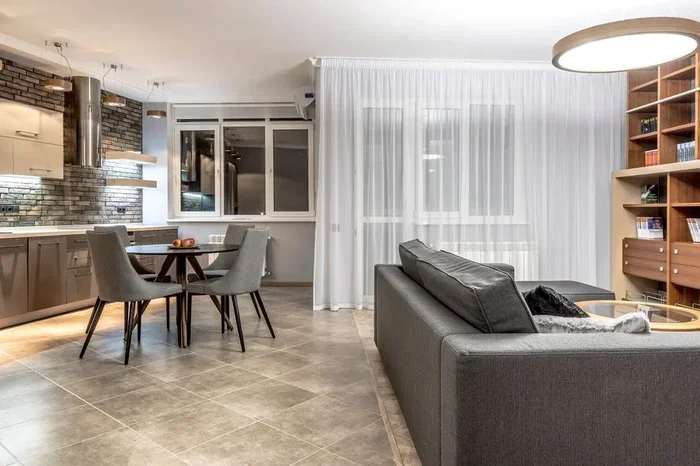
Living Room Tile Flooring Design Tips for Every Homeowner
Living room tile flooring offers durability, style, and endless design possibilities for any home. This guide covers the best materials, popular patterns, color trends, and practical maintenance tips to help you choose the perfect floor. Whether you prefer ceramic, porcelain, or natural stone, you will find actionable advice to make your living room shine.
Living room tile flooring has become one of the most popular choices for homeowners who want a floor that looks great and lasts for years. Unlike carpet or hardwood, tile offers unmatched durability and a wide range of design options. Whether you are building a new home or refreshing an existing space, the right floor tile can completely transform your living room.
In this guide, we will walk you through everything you need to know about living room tile flooring. We will cover materials, patterns, colors, installation tips, and common mistakes to avoid. By the end, you will feel confident choosing the perfect tile floor for your home.
Key Takeaways
- Tile flooring durability: Tile is one of the most long-lasting flooring options for high-traffic living rooms.
- Design versatility: From herringbone to mosaic, tile patterns can match any decor style effortlessly.
- Material matters: Ceramic, porcelain, and natural stone each offer unique benefits for different budgets and lifestyles.
- Color choice impacts mood: Warm tones create coziness, while cool tones give a modern, airy feel.
- Proper maintenance keeps floors beautiful: Simple cleaning routines extend the life of your tile flooring significantly.
- Avoid common mistakes: Skipping underlayment and choosing the wrong tile size are frequent homeowner errors.
📑 Table of Contents
Why Tile Flooring Works for Living Rooms
Tile flooring has been a favorite choice for living rooms for decades. There are many reasons why homeowners keep coming back to this classic option. Let us explore the key benefits that make tile such a smart choice.
Durability and Longevity
One of the biggest advantages of tile flooring is how long it lasts. A quality tile floor can endure for 20 to 50 years with proper care. Unlike hardwood, tile does not scratch easily. It also handles heavy foot traffic without showing wear and tear quickly.
Families with kids and pets especially love tile floors. Spills wipe up easily, and tiles resist stains better than most other flooring types. This makes tile flooring for living rooms a practical and smart investment.
Easy Maintenance
Keeping tile floors clean is simple. A quick sweep and occasional mop keep them looking brand new. You do not need special cleaners or expensive equipment. This low-maintenance aspect is a major reason homeowners choose tile over carpet.
Tile also resists allergens, dust, and pet dander. If anyone in your family suffers from allergies, tile flooring designs can help create a healthier home environment.
Design Flexibility
Tile comes in virtually every color, size, shape, and texture you can imagine. You can create bold statement floors or subtle, elegant looks. The range of options means you can match your tile floor to any decor style. Whether your taste is modern, traditional, or eclectic, there is a tile that fits.
Popular Tile Flooring Designs and Patterns
The design you choose for your living room floor tiles sets the tone for the entire space. Patterns add visual interest and can make a room feel larger or cozier. Let us look at some of the most popular options.
Herringbone and Chevron Patterns
Herringbone and chevron patterns are trending hard right now. These patterns create a sense of movement and direction in a room. They work especially well with tile flooring ideas that lean toward a classic or French-inspired aesthetic.
Herringbone uses rectangular tiles laid at 45-degree angles. Chevron uses shaped tiles that meet at a point. Both patterns add a touch of elegance without overwhelming the space. They pair beautifully with wood-look tiles and neutral color palettes.
Geometric and Mosaic Designs
If you want a floor that sparks conversation, geometric and mosaic designs are excellent choices. These tile flooring patterns use small tiles arranged in repeating shapes. Hexagons, diamonds, and intricate mosaics all fall into this category.
Mosaic tiles are perfect for creating a focal point in your living room. You might use them as an accent area or a border around the main floor. Adding accent pieces for living room decor near a mosaic floor can tie the whole look together beautifully.
Large-Format and Subway Tiles
Large-format tiles make a room feel open and spacious. Fewer grout lines mean a cleaner, more streamlined look. These tiles work great in larger living rooms where you want a sleek, modern feel.
Subway tiles offer a timeless, clean look. Their rectangular shape and smooth surface suit many styles. You can lay subway tiles in a classic brick pattern or a modern stacked bond. Both approaches keep the space feeling fresh and updated.
Choosing the Right Tile Material
Selecting the right material is one of the most important decisions you will make. Each type of tile has unique properties that affect how it looks, feels, and performs over time.
Ceramic vs Porcelain Tile Flooring
Ceramic and porcelain are the two most common choices for tile flooring options. Ceramic tiles are made from clay and fired at lower temperatures. They are more affordable and easier to cut, making them a great choice for DIY projects.
Porcelain tiles are denser and fired at higher temperatures. This makes them more water-resistant and durable than ceramic. Porcelain is ideal for high-traffic areas and rooms that may experience moisture. Both materials offer beautiful tile flooring colors and finishes, so your choice really comes down to budget and usage.
| Feature | Ceramic | Porcelain |
|---|---|---|
| Durability | Good | Excellent |
| Water Resistance | Moderate | High |
| Cost | Lower | Higher |
| Ease of Installation | Easier to cut | Harder to cut |
| Best For | Budget projects | High-traffic areas |
Natural Stone Options
Natural stone tiles like marble, travertine, and slate bring a luxurious feel to any living room. Each stone has unique veining and texture that cannot be replicated. Marble floors, in particular, create a high-end, elegant atmosphere.
Natural stone does require more care than ceramic or porcelain. It needs sealing to protect against stains and moisture. However, the timeless beauty of stone makes it worth the extra effort. If you love organic textures, natural stone tile flooring is a stunning choice.
Color and Style Trends for Living Room Tiles
The color and style of your tile floor influence the entire mood of your living room. Current trends lean toward warm, earthy tones and clean, minimalist designs. Let us explore what is popular right now.
Warm Tones and Earthy Hues
Warm-toned tiles are dominating the design world. Terracotta, warm beige, and sandy tones create a cozy and inviting atmosphere. These colors pair well with wooden furniture and soft textiles.
Earthy tile flooring colors work beautifully with afro bohemian living room and african themed living room styles. They bring a sense of warmth and connection to nature. You can also layer in textured rugs and woven baskets to enhance the feel.
Cool Tones and Modern Neutrals
Cool grays, soft whites, and muted blues are perfect for a modern, clean look. These tones make a room feel airy and spacious. They work especially well in smaller living rooms where you want to open up the space.
Neutral tile floors also give you flexibility with furniture and wall colors. You can change your sofa, curtains, and wall art without worrying about clashing with the floor. This versatility is a big reason why neutral tile flooring trends continue to grow in popularity.
Bold and Statement Floors
Not everyone wants a subtle floor. Some homeowners love bold, colorful tiles that make a statement. Deep blues, rich greens, and even black-and-white checkerboard patterns can create a dramatic focal point.
Bold floors work best in open-concept living rooms. They anchor the space and give it personality. Just remember to keep the rest of the room relatively simple so the floor can truly shine. Pair a bold floor with neutral furniture and aesthetic living room ideas that let the tile take center stage.
Tile Flooring Installation and Maintenance Tips
Proper installation and care make all the difference in how your tile floor looks and performs over time. A few smart decisions upfront can save you headaches down the road.
Installation Best Practices
Before you start, plan your layout carefully. Dry-lay your tiles on the floor to check the pattern and spacing. This step helps you avoid awkward cuts at the edges. It also ensures the pattern looks balanced from every angle in the room.
Always use the right underlayment and adhesive for your tile type. Skipping quality underlayment leads to cracking and shifting over time. If you are unsure about the process, hiring a professional installer is a wise choice. A well-installed floor lasts much longer and looks better.
Maintenance Routines
Maintaining tile flooring is straightforward. Sweep or vacuum regularly to remove dirt and grit. These particles can scratch the tile surface over time. Mop with a gentle cleaner and warm water every one to two weeks.
Seal natural stone tiles every six to twelve months. Grout lines also need sealing to prevent stains. Wipe up spills quickly, especially on lighter-colored tiles. With these simple habits, your living room tile flooring will look beautiful for decades.
Common Mistakes to Avoid
One common mistake is choosing tiles that are too small for a large room. Tiny tiles in a big space can look busy and overwhelming. Another mistake is ignoring the grout color. Dark grout shows less dirt, while light grout creates a more dramatic look.
Do not forget about underfloor heating. If you plan to install radiant heating, choose tiles that conduct heat well. Porcelain and natural stone are excellent choices for heated floors. Avoid plastic-based tiles, as they insulate heat instead of transferring it.
How Tile Flooring Fits Your Overall Living Room Style
Your floor is the foundation of your living room design. The right tile ties together furniture, walls, and decor. Think about how your tile choice complements the rest of the room.
For a cozy, layered look, pair warm-toned tiles with plush sofas and soft lighting. For a modern, minimalist feel, choose large-format tiles in cool gray or white. You can also mix tile flooring with area rugs to add warmth and texture. Placing furniture thoughtfully on tile floors enhances the whole room.
When you arrange your furniture, consider how the tile pattern flows under each piece. A how to place furniture in living room guide can help you align your layout with the tile design. The result is a cohesive, polished space that feels intentional and inviting.
Tile floors also pair wonderfully with open shelving and styled surfaces. Adding how to style open shelves living room elements near your tile floor creates a seamless transition between functional storage and beautiful design. The combination of well-styled shelves and a stunning tile floor elevates the entire living space.
Conclusion
Living room tile flooring is a fantastic choice for homeowners who want beauty, durability, and versatility in one package. From choosing the right material to selecting the perfect pattern and color, every decision shapes the final result. The tips and ideas in this guide give you a strong foundation to make confident choices.
Take your time exploring options, and do not be afraid to mix and match styles. The best tile floor is one that reflects your personality and fits your lifestyle. With proper installation and care, your tile floor will be the highlight of your living room for many years to come.
Frequently Asked Questions
What is the best tile for a living room floor?
Porcelain tile is widely considered the best option for living room floors. It is durable, water-resistant, and available in countless styles. Ceramic tile is a great budget-friendly alternative that still looks beautiful and performs well.
How do I choose the right tile color for my living room?
Consider your room’s size, lighting, and existing furniture. Warm tones like beige and terracotta create cozy vibes, while cool grays and whites make a room feel larger. Pick a color that complements your wall color and decor style.
Is tile flooring cold and uncomfortable to walk on?
Tile can feel cold, especially in cooler climates or during winter months. You can add area rugs in seating areas for warmth and comfort. Underfloor heating is also an excellent option that makes tile floors cozy year-round.
How often should I seal my tile floor?
Natural stone tiles should be sealed every six to twelve months. Ceramic and porcelain tiles generally do not need sealing unless they are unglazed. Grout lines benefit from sealing every one to two years to prevent staining.
Can I install tile flooring myself, or should I hire a professional?
Small projects with simple layouts are often suitable for DIY installation. However, larger living rooms or complex patterns are best handled by professionals. Proper installation ensures your tile floor looks great and lasts longer without issues.
What tile pattern makes a small living room look bigger?
Large-format tiles with minimal grout lines create the illusion of more space. Light-colored tiles and continuous patterns also help open up a room. Avoid busy small-scale patterns, as they can make a small room feel cluttered and cramped.