How to Place Furniture in Your Living Room the Right Way
Learning how to place furniture in your living room is easier than you think. This guide covers furniture arrangement, living room layout, and practical tips for every room size. You will discover how to create a focal point, improve traffic flow, and avoid common mistakes that ruin a room’s feel.
Key Takeaways
- Start with a focal point: Every great living room layout begins by identifying the room’s natural center, whether it is a fireplace, window, or TV.
- Match furniture to room size: Using the right room dimensions and proportions prevents a space from feeling either cramped or empty.
- Create conversational groupings: Angling seats toward each other improves furniture spacing and makes the room feel inviting.
- Avoid pushing furniture against walls: Pulling the sofa and chairs slightly forward adds depth and improves visual balance.
- Use rugs and lighting to anchor zones: Proper rug placement and layered lighting tie the whole furniture arrangement together.
- Measure before you buy: Mapping your space with painter’s tape saves time, money, and frustration.
- Trust your instincts: The best living room decor reflects your lifestyle, not a rigid set of rules.
📑 Table of Contents
Why Furniture Placement Matters
Where you put your furniture changes everything. The right furniture arrangement can make a small room feel spacious and a large room feel cozy. Poor placement, on the other hand, can make even the biggest living room layout feel cramped and awkward.
Think about how you use your space every day. Do you watch TV? Do you read? Do you host dinner parties? Your sofa placement and chair positioning should match your daily habits. A well-planned seating arrangement makes the room feel natural and welcoming.
The good news is that you do not need a professional designer to get it right. A few simple interior design tips can transform your room. Let us walk through the process step by step so you can place furniture in living room spaces with confidence.
The Impact of Layout on Daily Life
Your furniture layout affects your mood and comfort. When chairs face each other, people naturally start talking. When everything faces the TV, the room becomes a viewing space. Think about what matters most to you and your family. Then build your living room decor around that purpose.
Good space planning also keeps walkways clear. You should be able to move through the room without bumping into tables or corners. This traffic flow is one of the most overlooked aspects of room design. People often focus on how things look and forget how they feel to move through.
How Room Size Affects Your Choices
Room size is the first thing to measure. Grab a tape measure and write down your room dimensions. Note doorways, windows, and any architectural features like fireplaces or built-in shelves. These details shape every decision you make.
Small rooms need furniture layout ideas that maximize floor space. Large rooms need anchors that fill the space without making it feel empty. Medium rooms can handle almost any style, but balance is key. No matter the size, the goal is the same: a room that feels intentional and comfortable.
Finding Your Living Room Focal Point
Every room has a focal point. It is the first thing you see when you walk in. Furniture placement should always start here. Without a clear focal point, your living room layout will feel scattered and unplanned.
Identifying the Natural Center of the Room
Many rooms have a built-in focal point. A fireplace is the classic example. Large windows with a beautiful view work too. The TV is another common one. If your room has none of these, you can create a focal point with a bold piece of art, a statement chair, or a gallery wall.
Once you find the focal point, everything else revolves around it. Your anchor furniture should face or relate to it. This creates visual balance and makes the room feel complete. When you place furniture in living room spaces, always ask yourself what the eye should land on first.
Using the Focal Point to Guide Arrangement
Here is a simple rule. Place your largest piece of furniture facing the focal point. If your focal point is the TV, your sofa should face it. If it is a fireplace, your sofa should face the fire. This creates a natural TV placement that feels intuitive.
This does not mean every single piece must face the same direction. Mix it up a little. Angle a couple of chairs or add a side table at a different angle. This keeps the room feeling dynamic while still maintaining order. The key is to have a primary direction and then add subtle variety.
Best Furniture Layout Ideas for Every Room Size
Not all rooms are the same. Your living room layout should match the size and shape of your space. Here are some proven approaches that work for real homes.
Small Living Room Arrangements
Small rooms need smart furniture arrangement. Choose a compact sofa or a love seat instead of a full-size one. Use negative space wisely. Leave some floor area open to make the room breathe. Every inch matters when the square footage is limited.
- Use a small coffee table positioning that does not block walkways
- Choose armless chairs to save space
- Use wall-mounted shelves instead of bulky cabinets
- Pick a light color palette to make the room feel larger
- Place a mirror to reflect light and create depth
Large Living Room Arrangements
Big rooms can feel empty if you do not fill them properly. Use zone furniture layout ideas to divide the space. You might create a seating area, a reading nook, and a conversation area all in one room. This gives the space structure and purpose.
- Use a large area rug to anchor the main seating group
- Add a second sofa or a chaise for extra seating
- Use tall furniture like bookcases to fill vertical space
- Create separate zones with different rug placement strategies
Medium Room Layout Tips
Medium rooms offer the most flexibility. You can try almost any furniture arrangement. The key is to keep proportions in check. A massive sectional in a medium room will overwhelm the space. Choose pieces that fit comfortably without crowding the floor.
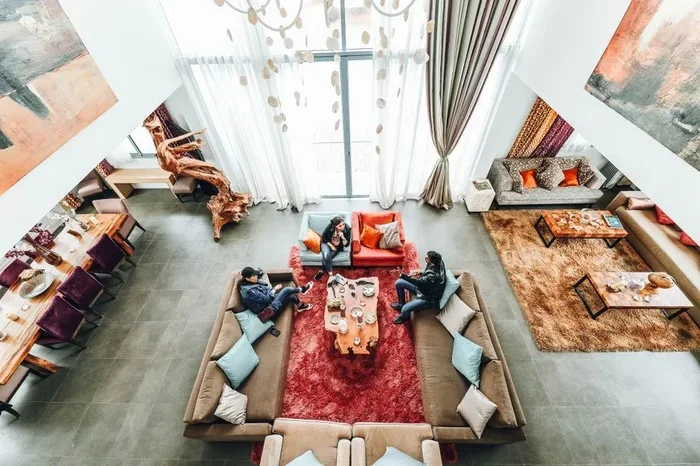
Use a conversational grouping where seats face each other. This works well for rooms where socializing is the main activity. Add a central coffee table positioning that everyone can reach from their seat. This creates a natural gathering spot in the middle of the room.
Furniture Arrangement Tips That Make a Big Difference
Small adjustments can have a huge impact. These interior design tips will help you fine-tune your layout and get the most out of your space.
Creating a Conversational Grouping
A conversational grouping means arranging seats so people can easily talk to each other. Angle chairs toward each other instead of lining them all up against the wall. Leave about 8 feet between seating pieces for comfortable conversation. This simple trick transforms a room from a furniture showroom into a real living space.
This is one of the most effective furniture arrangement techniques. It works in almost any room size. Even in a small space, angling two chairs toward each other creates intimacy. People naturally gravitate toward face-to-face seating. Use that instinct to your advantage.
Managing Traffic Flow
Walkways should be at least 30 inches wide. This lets people move through the room comfortably. Test your traffic flow by walking the main paths before you finalize your layout. Imagine carrying a tray of drinks through the room. Would you bump into anything?
Do not block doorways or windows with furniture. People need clear paths to enter and exit. Also, make sure no one has to climb over a coffee table to reach a seat. Good space planning considers how people move, not just how things look. When you place furniture in living room areas, always think about movement first.
The Role of Rugs and Spacing
Rug placement is a powerful tool. A rug should be large enough that all front legs of the furniture sit on it. This ties the seating group together visually. It also defines the seating area within a larger room. Without a rug, furniture can feel floating and disconnected.
For furniture spacing, leave about 14 to 18 inches between a sofa and a coffee table. This gives people enough room to get up comfortably. Too close feels cramped. Too far feels disconnected. Finding the sweet spot makes the whole room feel balanced and functional.
Common Mistakes to Avoid
Even with the best intentions, people make mistakes when arranging furniture. Here are the most common ones and how to fix them quickly.
Pushing Furniture Against the Walls
This is the number one mistake. Many people think pushing everything against the walls makes a room look bigger. It does not. It actually makes the room feel empty and uninviting. The center of the room becomes a wasted hallway.
Try pulling your sofa a few inches away from the wall. This creates a sense of depth. It also opens up the center of the room for better furniture spacing and visual balance. You will be surprised how much warmer and more welcoming the room feels with this simple change.
Ignoring Room Proportions
A tiny coffee table in a large room looks lost. A giant sectional in a small room feels suffocating. Always match your furniture to your room proportions. The scale of your pieces should complement the size of the space.
Use your room dimensions as a guide. A good rule of thumb is that your largest piece should take up no more than two-thirds of the wall it sits on. This keeps things balanced and harmonious. When your furniture layout ideas respect proportions, the whole room feels intentional.
Quick Tips for a Perfect Layout
Here are some fast, actionable tips you can use right away to improve your living room layout.
- Start with your largest piece first. Your sofa placement sets the tone for the whole room.
- Use painter’s tape on the floor to map out furniture positions before you move anything heavy.
- Layer lighting from three sources: overhead, floor lamps, and table lamps for a warm glow.
- Add plants or books to fill empty spaces and create negative space balance.
- Step back and look at the room from the doorway before finalizing your layout.
- Rotate your furniture seasonally to keep the living room layout fresh and interesting.
- Use a level to hang artwork and shelves so everything feels grounded and intentional.
Placing furniture is not about perfection. It is about creating a space that feels right to you. Trust your instincts, experiment with different options, and remember that the best living room decor is the one that works for your lifestyle. There are no strict rules that cannot be broken when the result feels authentic.
Take your time. Measure your room. Sketch a rough floor plan on graph paper. Try a few different furniture arrangement options before committing. The effort pays off in a room that looks great and feels even better to live in. Your home should work for you, not the other way around.
Now you have all the tools you need. Start with your focal point. Build around it. Keep traffic flow in mind. Avoid the common mistakes. And most importantly, make the space yours. A well-placed room is not just beautiful. It is a place where memories happen every single day.
When you place furniture in living room areas with care and intention, the whole home benefits. Guests will notice. You will notice. And every time you walk through the door, you will feel the difference. That is the real reward of a thoughtful furniture arrangement.
Conclusion
Learning how to place furniture in living room spaces does not have to be stressful. You now know how to find your focal point, choose the right layout for your room size, create conversational groupings, and avoid the mistakes that trip up most people. These interior design tips give you a strong foundation to work from.
Remember that every room is different. What works for one home may not work for another. Use these guidelines as a starting point, then adjust based on your needs, your style, and your daily life. The best living room layout is the one that makes you feel comfortable, relaxed, and happy.
Start today. Grab a tape measure, pull out a sketchpad, and experiment. You might be surprised at how much a simple shift in furniture placement can transform your entire space. Your dream living room is closer than you think.
Frequently Asked Questions
What is the best way to arrange furniture in a small living room?
Choose compact pieces like a loveseat or small sofa, and use wall-mounted storage to free up floor space. Keep walkways clear and use light colors to make the room feel open. The key is to prioritize function and avoid cluttering the space with too much furniture.
How far should a sofa be from the coffee table?
Leave about 14 to 18 inches between the sofa and the coffee table. This gives people enough room to get up comfortably without feeling cramped. It also allows enough space to reach for drinks or books without knocking anything over.
Should all furniture face the TV in a living room?
Not necessarily. While the TV is a common focal point, you can create a more conversational feel by angling chairs toward each other. Mix TV-facing seating with pieces that face a fireplace, a window, or a conversation area for a more dynamic layout.
How do I know if my furniture arrangement is balanced?
Step back and look at the room from the doorway. Check that the visual weight is evenly distributed on both sides. If one side feels heavy, add a side table, lamp, or plant to balance it out. Trust your eye and adjust until it feels right.
Can I use painter’s tape to plan my living room layout?
Absolutely. Painter’s tape on the floor is one of the best budget-friendly ways to map out furniture positions before moving anything. It helps you visualize traffic flow, spacing, and proportions without any physical effort or risk of damaging your floors.
What is the biggest mistake people make when placing furniture?
The most common mistake is pushing all furniture against the walls. This creates a hollow center and makes the room feel disconnected. Pulling furniture slightly away from the walls adds depth, improves conversation, and makes the space feel warmer and more inviting.