How to Decorate a Sideboard in a Living Room Right Now
Learning how to decorate a sideboard in a living room is one of the easiest ways to elevate your home’s look. A sideboard serves as both storage and a design anchor, and styling it correctly can completely change the feel of your room. This guide covers everything from shelf arrangement to accessory selection so you can create a stunning display. Whether you have a traditional buffet server or a modern low-profile console, these tips will work for you. You will walk away with clear, actionable steps to style your sideboard like a pro.
Your sideboard is one of the most useful pieces of furniture in any living room. It gives you storage, a surface to display things, and a natural focal point for the space. But too often, people treat it like an afterthought. They shove stuff on it and call it done. That is a missed opportunity. A well-decorated sideboard can tie your entire room together. It adds personality, warmth, and style. The good news is that how to decorate a sideboard in a living room does not have to be complicated. With a few simple principles, you can turn a plain piece of furniture into a room-defining feature.
Sideboards have been around for centuries. They started as practical storage pieces in dining rooms. Today, they live in living rooms, hallways, and bedrooms. Their job has expanded. Now they are part storage, part display, and part design statement. Whether you call it a buffet, a server, or a console, the goal is the same. You want it to look great and work hard for your space. This guide will walk you through every step of the process. By the end, you will feel confident styling your own sideboard from top to bottom.
Key Takeaways
- Start with a focal point: Every great sideboard display needs one eye-catching centerpiece to anchor the whole look.
- Use the rule of three: Grouping items in odd numbers creates visual balance and makes your styling feel intentional.
- Mix heights and textures: Combining tall lamps with short vases and different materials adds depth and interest.
- Don’t forget lighting: A well-placed lamp or candle instantly warms up your sideboard area and makes it feel inviting.
- Leave breathing room: Overcrowding is the most common mistake. Negative space is just as important as the items you display.
- Seasonal swaps keep it fresh: Rotating accessories a few times a year keeps your living room looking current without a big budget.
📑 Table of Contents
Why Your Sideboard Deserves More Attention
Many people overlook the sideboard when planning their living room decor. They focus on the sofa, the coffee table, or the TV wall. But the sideboard holds a lot of visual weight. It sits along a wall for most people to see. It holds items that draw the eye. And it gives you a chance to show off your personal style. Ignoring it means leaving a big design opportunity on the table.
A styled sideboard does more than look pretty. It creates balance in the room. It gives the eye a place to rest. It can even make your living room feel larger and more intentional. When you learn how to decorate a sideboard in a living room properly, you unlock a whole new level of design control. The sideboard becomes a tool, not just furniture.
The Sideboard as a Design Anchor
In interior design, every room needs an anchor. That is the piece that grounds the space and gives it structure. For many living rooms, the sofa plays this role. But your sideboard can share that job. When styled well, it draws attention and sets the tone for the room. Think of it as the backbone of your wall decor. Everything around it, from wall art to lighting, should complement it.
Best Sideboard Decor Ideas for 2024
Styling trends come and go, but the basics stay the same. That said, there are fresh ways to approach your sideboard this year. The best sideboard decor ideas mix timeless principles with modern touches. Here are some styles that are working right now.
The Minimalist Approach
Less is more in minimalist styling. This approach works well for small living rooms or for people who prefer a clean look. Pick one or two beautiful objects. A ceramic vase, a single book stack, and a small plant can do the job. Leave lots of empty space on the surface. The key is restraint. Every item earns its place.
The Layered Look
If you love a more collected feel, the layered approach is for you. This style stacks items of different heights and textures. You might place a tray on the back of the sideboard. Then add a lamp, a stack of books, and a small sculpture in front. The layers create depth. They make the display feel curated rather than cluttered. This is one of the most popular ways to style a buffet server or sideboard today.
The Symmetrical Setup
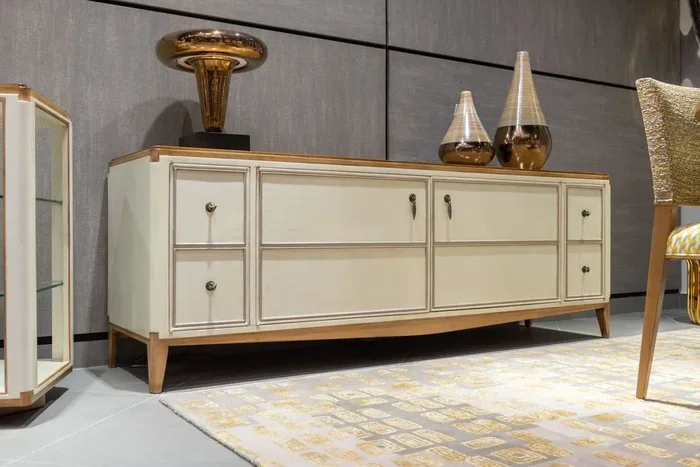
Symmetry brings order and calm. Place matching items on each end of the sideboard. Two lamps, two vases, or two candles work beautifully. Then fill the center with a single statement piece. This approach feels formal and polished. It is perfect for traditional or classic living room designs.
The Eclectic Mix
For the adventurous decorator, mixing styles and eras creates energy. Pair a vintage brass lamp with a modern abstract print. Add a woven basket and a glass jar. The trick is to find a unifying element. It could be a color, a material, or a theme. This approach makes your sideboard feel personal and unique.
How to Style Your Sideboard Shelves
Now let us get into the actual mechanics of styling. How to decorate a sideboard in a living room comes down to a few core techniques. Master these, and you can style any sideboard with confidence.
Start With the Back Layer
The back of the sideboard is your canvas. This is where you place larger items that set the stage. A framed print or a small piece of wall art placed behind the sideboard works well. You can also add a long runner or a row of candles along the back edge. This layer gives the display a sense of depth. It makes the whole arrangement feel more intentional.
Build the Middle Layer
This is where the magic happens. The middle layer holds most of your decorative objects. Use a tray to group smaller items together. A wooden tray, a marble tray, or even a woven mat can serve as a base. On top of the tray, place a lamp, a small plant, and a few books. This grouping creates a natural focal point. It gives the eye somewhere to land.
Add the Front Layer
The front of the sideboard is often left empty. Do not make that mistake. Place a few low items here to ground the display. A small bowl, a decorative box, or a single book works well. These items should be shorter than whatever is in the middle layer. They create a natural visual flow from front to back.
The Rule of Three
One of the easiest styling rules is the rule of three. Group items in odd numbers. Three candles, three books, or three vases look more balanced than even numbers. This is not a hard rule, but it is a helpful guideline. It creates a sense of rhythm. Your display feels composed without looking rigid. Try it the next time you style your living room furniture.
Mix Heights and Shapes
A flat, one-level display looks boring. You want variety. Place tall items next to short ones. A tall lamp balances a low bowl. A narrow vase pairs well with a wide tray. This contrast adds visual interest. It keeps the eye moving across the display. Think of it like a mini landscape. You want hills and valleys, not a flat line.
Choosing the Right Accessories
Accessories make or break a sideboard display. The right pieces add personality and charm. The wrong ones make it feel cluttered and random. Here is how to choose wisely.
Lamps and Lighting
A lamp is often the first thing people place on a sideboard. And for good reason. Lighting adds warmth and function. A table lamp casts a soft glow that makes the room feel cozy. Candle clusters work too, especially in the evening. When choosing a lamp, consider the scale. It should be about one and a half times the height of the sideboard. This proportion looks balanced and intentional.
Trays and Bowls
Trays are the unsung heroes of sideboard styling. They corral smaller items and create a built-in grouping. A decorative tray on the surface makes the whole display look polished. It also makes cleanup easy. You can pick up the tray and clear everything at once. Choose trays in materials that match your room. Brass, wood, ceramic, and marble all work well.
Plants and Greenery
A plant brings life to any surface. Even a small succulent or a single stem in a vase makes a difference. Plants soften the look of hard furniture. They add color and texture. For low-light living rooms, choose shade-tolerant plants like pothos or ZZ plants. If you have good light, a fiddle leaf fig or a small citrus tree makes a bold statement.
Books and Magazines
Stacked books add height and substance to a display. They also give you a chance to show off interesting covers. Mix vertical and horizontal stacks for variety. You can lean a framed photo against the books or place a small object on top of the stack. Books make sideboard styling feel grounded and lived-in.
Personal Touches
The best sideboards tell a story. Include items that mean something to you. A travel souvenir, a family photo, or a handmade piece adds warmth. These personal touches make the display feel authentic. They invite conversation. Your sideboard should reflect who you are, not just what looks trendy.
Common Mistakes to Avoid
Styling a sideboard is easy to get wrong. Here are the most common mistakes people make, and how to fix them.
Overcrowding the Surface
Too many items make a sideboard look messy. The eye does not know where to look. Resist the urge to fill every inch of space. Leave room for the items to breathe. A good rule of thumb is to cover no more than two-thirds of the surface. The empty space is part of the design.
Ignoring Proportion
A tiny sideboard needs small accessories. A large sideboard can handle bigger items. Mismatched scale throws off the whole look. Before you buy anything, measure your sideboard. Make sure your decorative pieces fit the space. Proportion is one of the most overlooked aspects of living room styling.
Using Only One Height
If everything on your sideboard is the same height, it looks flat and uninteresting. Vary the heights. Use a tall lamp, a medium vase, and a short bowl. This creates a natural visual hierarchy. The eye moves up and down the display. It stays engaged and interested.
Forgetting About the Wall Above
Your sideboard does not exist in isolation. The wall above it matters. Hang a piece of art, a mirror, or a gallery wall above the sideboard. This connects the furniture to the wall and makes the whole arrangement feel complete. The art should be about two-thirds the width of the sideboard for the best proportion.
Neglecting Practicality
A sideboard is not just a display piece. It is storage too. Keep the drawers and cabinets functional. Store items you use regularly, like coasters, remote controls, or board games. A beautiful display means nothing if you cannot find the remote. Balance style with function.
Expert Tips for a Polished Look
Here are some insider tips that will take your sideboard styling to the next level.
Use odd numbers. Three and five items look more natural than two or four. This is a classic design trick that works every time.
Add texture. Mix smooth ceramics with rough wood, soft fabric, and shiny metal. Texture makes a display feel rich and layered.
Rotate seasonally. Swap out a few accessories with the seasons. A pumpkin arrangement in autumn, fresh flowers in spring. It keeps your living room feeling current.
Use a tray to create a vignette. A tray instantly groups items together. It makes the display look intentional and designed.
Step back and squint. When you are done styling, step back and squint at the sideboard. This simple trick helps you see the overall balance. You will notice any problem areas right away.
Edit ruthlessly. If an item does not serve a purpose or bring you joy, remove it. A curated display always looks better than a crowded one.
Final Thoughts
How to decorate a sideboard in a living room comes down to a few simple principles. Start with a focal point. Build in layers. Mix heights and textures. Add personal touches. And leave room to breathe. Your sideboard is more than storage. It is a chance to show off your style and make your living room feel truly yours. Take your time. Experiment. Have fun with it. The best decorated sideboard is one that reflects who you are. So go ahead, give your sideboard the attention it deserves. Your living room will thank you.
Frequently Asked Questions
What is the best way to decorate a sideboard in a small living room?
In a small living room, keep things minimal. Use one or two decorative items, a small lamp, and a single plant. A tray helps group items neatly. The key is to avoid clutter. Leave plenty of empty space so the sideboard feels light and airy rather than heavy.
How high should a lamp be on a sideboard?
A good rule of thumb is that the lamp should be about one and a half times the height of the sideboard. This proportion creates visual balance. The lampshade should sit at or just below eye level when you are seated. This makes the light feel comfortable and the display look intentional.
Can I use my sideboard for storage and display at the same time?
Absolutely. In fact, that is what a sideboard is designed for. Keep the drawers and cabinets for practical items like coasters, blankets, or remotes. Reserve the open surface for decorative items. This way, you get the best of both worlds. The room stays organized and stylish at the same time.
How often should I change my sideboard decor?
There is no set rule. Some people swap accessories seasonally, which keeps the space feeling fresh. Others make small changes whenever they get bored. Even moving a lamp or rotating a few books can make a big difference. The goal is to keep the display feeling alive and intentional.
What colors work best for sideboard accessories?
Neutral tones like white, beige, and natural wood work well for a timeless look. You can add pops of color through a vase, a book cover, or a small piece of art. The key is to keep the overall palette cohesive. Pick two or three colors and stick with them for a polished result.
Do I need wall art above my sideboard?
While it is not required, wall art above a sideboard ties the furniture to the wall and completes the look. A single large piece or a small gallery wall both work well. The art should be roughly two-thirds the width of the sideboard. This proportion looks balanced and visually pleasing.
=== CONCLUSION ===
How to decorate a sideboard in a living room does not require a big budget or a design degree. It just takes a little thought and a few well-chosen pieces. Start with a clear focal point. Build your display in layers using the back, middle, and front of the sideboard. Mix heights, textures, and personal items to create a look that feels uniquely yours. Avoid the common pitfalls of overcrowding and ignoring scale. And remember, the best styling is the kind that makes you smile every time you walk past it.
Your sideboard is a canvas. Use it to express your personality and make your living room feel complete. With the tips and ideas in this guide, you have everything you need to get started. So grab a tray, pick up a lamp, and begin styling. You will be amazed at what a well-decorated sideboard can do for your home.