70s Living Room Ideas That Bring Retro Charm Home
Bring the groovy spirit of the 1970s into your home with these 70s living room ideas that blend bold colors, vintage textures, and retro charm. Learn how to choose earth tones, add macrame accents, and mix retro furniture with modern pieces for a space that feels both nostalgic and fresh. Whether you love a full retro makeover or subtle 70s touches, this guide has everything you need to create a stylish living room.
If you have ever walked into a room that instantly made you feel warm, nostalgic, and totally at ease, chances are it had a few 70s living room ideas baked into its design. The 1970s gave us some of the most memorable interior design trends in history. From rich earth tones to funky patterned sofas, the retro aesthetic has a way of making any space feel inviting and full of personality. Today, homeowners and interior designers alike are falling in love with vintage decor that brings the groovy spirit of the 70s back into modern homes.
What makes these retro living room ideas so appealing? It is the combination of warmth, texture, and bold self-expression. Unlike the sleek minimalism of recent years, 70s aesthetic design invites you to layer colors, mix materials, and let your personality shine through. Whether you want a complete vintage furniture overhaul or just a few groovy decor touches, this guide will walk you through everything you need to know.
Key Takeaways
- Earth tones and bold colors like avocado green, mustard yellow, and burnt orange define the authentic 70s living room aesthetic.
- Shag carpets, wood paneling, and tufted sofas are signature 70s furniture pieces that add warmth and texture to any room.
- Macrame wall hangings, retro floor lamps, and groovy decor accents are easy ways to infuse vintage charm without a full renovation.
- Blending 70s style with modern elements keeps your living room feeling current while honoring retro design principles.
- Avoid common mistakes like overdoing psychedelic patterns or using cheap reproductions that lack authenticity.
- Start small with throw pillows, warm-toned lighting, and vintage accessories before committing to larger retro furniture purchases.
- Color palette choice matters — warm earth tones and rich jewel tones create the most cohesive and inviting 70s-inspired space.
📑 Table of Contents
Why 70s Living Room Ideas Are Trending Again
The return of 70s living room ideas is no accident. People are craving spaces that feel personal, warm, and full of character. After years of ultra-clean, minimalist interiors, the retro aesthetic offers a refreshing contrast. It is bold, unapologetic, and deeply comforting.
The Nostalgia Factor
Nostalgia plays a huge role in the comeback of vintage decor. Many of us grew up around earth tones and textured fabrics without even realizing it. That feeling of comfort we associate with our grandparents’ homes or old family photos is exactly what 70s interior design captures. It is not just about looks — it is about how a room makes you feel. A retro living room wrapped in warm wood, soft shag, and golden light feels like a hug.
What Makes 70s Design Stand Out
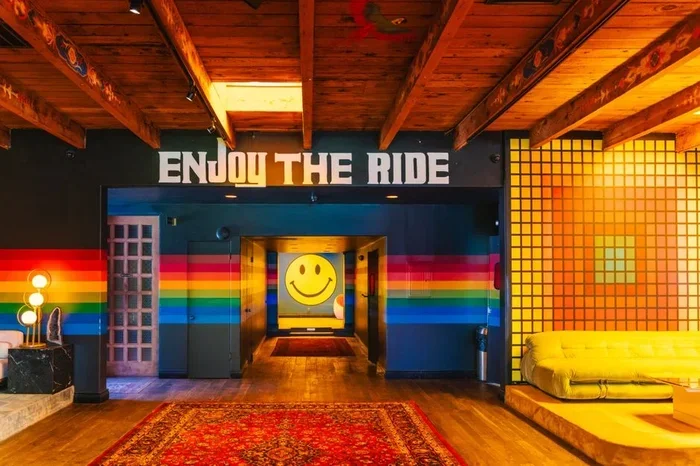
The 70s aesthetic stands out because it was not afraid to take risks. Designers embraced bold patterns, warm tones, and organic shapes like no decade before. Think of the curved sofas, the round coffee tables, and the way psychedelic decor turned walls into art. This era celebrated individuality, and that spirit lives on in today’s retro home decor movement.
The Key Elements of a 70s Living Room
Every great retro living room has a few signature elements that tie the whole look together. These are the building blocks of authentic 70s interior design. You do not need all of them — just a few well-chosen pieces can transform your space.
Earth Tones and Bold Color Choices
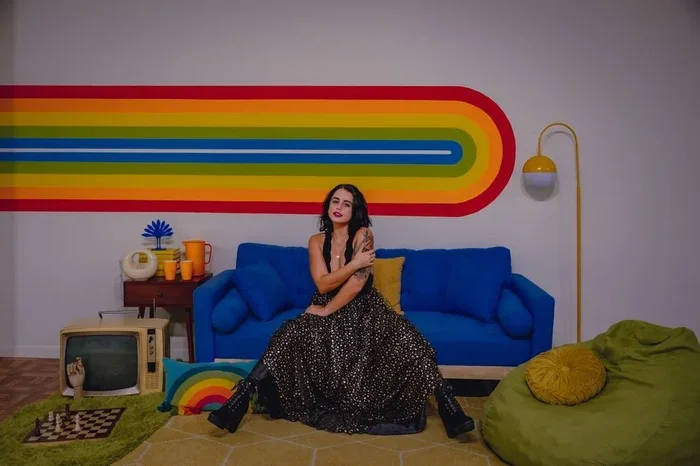
The color palette of the 70s is unmistakable. Earth tones like olive green, terracotta, and warm brown dominated the era. But the decade was also famous for bold accents in avocado green, mustard yellow, and deep burnt orange. When you think of 70s living room ideas, these colors should come to mind first.
To bring this into your home, start with a neutral base — think cream walls or warm beige flooring. Then layer in bold accent colors through furniture, curtains, and accessories. A mustard yellow throw blanket on a tan sofa or avocado green curtains can instantly anchor the retro vibe.
Shag Carpets and Textured Floors
No discussion of 70s living room ideas is complete without mentioning the shag carpet. These deep, plush rugs were a staple of 70s homes and they are making a huge comeback. The texture alone adds instant warmth and comfort to any room.
Today, you can find shag rugs in a range of colors and materials. A cream or tan shag rug works beautifully in a bohemian living room setup. For a bolder look, try a deep red or burnt orange shag. The key is to let the rug be a focal point — keep the rest of the room relatively simple so the texture can shine.
Wood Paneling and Vintage Furniture
Wood paneling gets a bad rap, but when done right, it adds incredible warmth to a retro living room. Think of dark walnut or oak paneling on one accent wall. Pair it with vintage furniture like a tufted sofa or a round wooden coffee table, and you have the foundation of a classic 70s look.
A tufted sofa in burnt orange or deep brown is a centerpiece piece that screams authenticity. Add a vintage coffee table with carved legs and you are well on your way. The trick is to choose furniture that feels solid and well-made — mid century modern pieces from the 70s era often have that perfect blend of form and function.
Must-Have Decor Accents for a Retro Living Room
Furniture gets most of the attention, but it is the small decor accents that truly bring a 70s living room to life. These finishing touches add personality and depth to your space.
Macrame Wall Hangings and Fiber Art
Macrame wall hangings are perhaps the most iconic 70s decor item. These handcrafted pieces add texture, color, and a sense of artisan quality to any wall. Whether you choose a large statement piece or a cluster of smaller macrame works, they instantly transform a plain wall into a focal point.
You do not need to be a craft expert to pull this off. Many vintage and handmade macrame pieces are available online and at thrift stores. Hang one above your sofa or on an empty wall to add that unmistakable bohemian living room feel.
Retro Lighting and Floor Lamps
Lighting was an art form in the 70s. Retro floor lamps with brass or wooden bases and globe-shaped shades were everywhere. A vintage floor lamp in a corner of your room adds both light and a strong decorative element.
Do not overlook the power of a good table lamp either. Look for lamps with colored glass shades or geometric bases. Warm, ambient lighting is essential for creating that cozy 70s atmosphere. Skip the bright overhead lights and instead rely on layered lighting from lamps and candles.
Throw Pillows and Soft Textiles
Throw pillows are an easy and affordable way to add 70s vibes to any sofa or armchair. Look for pillows in mustard yellow, avocado green, or patterned fabrics with geometric designs. Velvet and corduroy textures were very popular in the 70s and they feel amazing to the touch.
Layer different sizes and textures for a curated, collected-over-time look. A velvet pillow in burnt orange next to a patterned cushion in gold and brown creates visual interest without feeling cluttered. This is one of the simplest retro decor tips you can follow.
Color Palettes That Capture the 70s Spirit
Choosing the right color palette is the single most important step in nailing 70s living room ideas. The decade was all about warmth, richness, and a connection to nature. Below is a comparison of the most popular 70s color palettes and how you can use them today.
| Palette Name | Primary Colors | Best For | Vibe |
|---|---|---|---|
| Earth Tones | Olive, terracotta, warm brown, cream | Cozy, grounded living rooms | Natural and warm |
| Jewel Tones | Deep green, amber, maroon, gold | Dramatic, luxurious spaces | Rich and bold |
| Psychedelic | Hot pink, orange, purple, turquoise | Fun, eclectic rooms | Bold and playful |
| Neutral Retro | Beige, tan, cream, soft brown | Subtle retro touches | Calm and elegant |
For a balanced 70s living room, most people do best with the Earth Tones or Neutral Retro palettes as a base. Then you can add pops of jewel tones or psychedelic accents through decor items. This approach keeps the room feeling sophisticated rather than overwhelming.
How to Blend 70s Style with Modern Living
The beauty of 70s living room ideas is that they do not require you to recreate an exact period room. The best retro-inspired spaces blend vintage elements with modern comfort. You want your room to feel timeless, not like a museum exhibit.
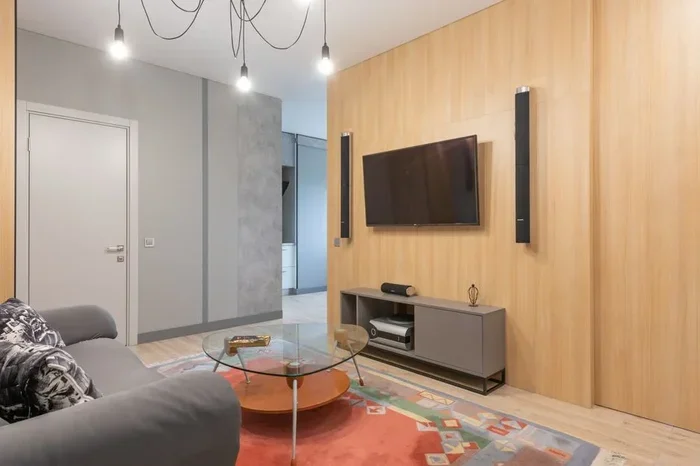
Start by choosing one or two key 70s pieces — a tufted sofa, a shag rug, or a vintage sideboard — and build around them with modern furniture. A sleek modern TV stand next to a vintage wood console creates an appealing contrast. Mix retro wallpaper on one wall with clean, modern lines in the rest of the room.
Quick Tips for Blending Styles:
- Use modern lighting with vintage-style bulbs to bridge the gap between eras.
- Keep furniture lines simple — avoid overly ornate pieces that may look dated.
- Add contemporary art alongside vintage wall decor for a balanced look.
- Stick to a cohesive color palette so the mix feels intentional rather than random.
- Invest in quality vintage furniture pieces that are well-built and can withstand daily use.
Expert Insight: Interior designers who specialize in retro home decor often advise starting with a single 70s statement piece and letting it guide your choices. A bold avocado green sofa or a striking macrame wall hanging can set the tone for the entire room. From there, choose complementary colors and textures that support the vintage centerpiece without competing with it.
Common Mistakes to Avoid When Going Retro
While 70s living room ideas are incredibly fun to explore, there are a few pitfalls to watch out for. Avoiding these mistakes will help you create a space that feels curated rather than costume-like.
- Overdoing the patterns: Too many bold patterns on every surface can make a room feel chaotic. Stick to one or two patterned elements and keep the rest solid.
- Using cheap reproductions: Knockoff vintage furniture often looks and feels inferior. Invest in real vintage pieces or high-quality reproductions that capture the authentic craftsmanship of the era.
- Ignoring scale: Some 70s furniture was designed for larger rooms. Measure your space carefully before buying oversized pieces like a massive tufted sofa or a round coffee table.
- Forgetting about comfort: Retro style should not come at the cost of comfort. Choose cushions and seating that you actually want to sit on every day.
- Neglecting lighting: Harsh overhead lighting kills the 70s atmosphere instantly. Layer your lighting with lamps, candles, and dimmable fixtures to create that warm, golden glow.
Bringing It All Together
Creating a 70s living room that feels authentic and livable is all about balance. Choose a warm color palette rooted in earth tones and rich accents. Add textured elements like shag rugs, velvet pillows, and macrame wall hangings. Select vintage furniture pieces that have real character and build your room around them. Layer in retro lighting and groovy decor accents to tie everything together.
The most important thing to remember is that 70s living room ideas should reflect your personal style. You do not need to recreate a 1975 living room exactly. Take the elements that speak to you — whether it is the warm earth tones, the bohemian textures, or the bold 70s aesthetic — and make them your own. A retro living room should feel like home, first and foremost.
Start small if you are new to retro decor. A few throw pillows, a vintage floor lamp, and a shag area rug can completely transform your space. As you grow more confident, add larger pieces like a tufted sofa or wood paneling accents. The journey to a beautiful 70s-inspired living room is just as enjoyable as the destination.
Frequently Asked Questions
What are the best colors for a 70s living room?
The best colors for a 70s living room are earth tones like olive green, terracotta, warm brown, and cream. Bold accents in avocado green, mustard yellow, and burnt orange add authentic retro energy. Stick to a warm palette to capture the cozy 70s vibe.
How can I add 70s style without renovating my entire living room?
You can add 70s living room ideas without a full renovation by focusing on small changes. Add a shag rug, swap out throw pillows for velvet or patterned ones, hang a macrame wall piece, and replace your lighting with retro-style floor lamps. These simple changes make a big impact.
Is mid century modern the same as 70s decor?
While there is overlap, mid century modern refers to design from the 1940s through 1960s, whereas 70s interior design has its own distinct style with warmer tones, bolder patterns, and more textured materials. Both styles share a love for natural materials and clean lines, but the 70s are generally more colorful and expressive.
Where can I find authentic vintage furniture for a retro living room?
You can find authentic vintage furniture at thrift stores, estate sales, antique shops, and online marketplaces like Etsy and Facebook Marketplace. Look for pieces with solid wood construction, original upholstery, and the characteristic craftsmanship of the era. Always inspect items carefully for quality and authenticity.
Can 70s living room ideas work in small spaces?
Absolutely. 70s living room ideas work beautifully in small spaces when you choose the right elements. A small shag rug, a compact tufted chair, and warm-toned throw pillows can add retro charm without overwhelming a small room. Focus on lighting and color to create the illusion of a larger, more inviting space.
What is the difference between a bohemian living room and a 70s retro living room?
A bohemian living room emphasizes eclectic, free-spirited design with lots of textures and global influences, while a 70s retro living room is rooted in the specific design trends of the 1970s. That said, the two styles share a lot of common ground — both love natural materials, warm tones, and layered textiles. You can easily blend elements of both for a unique look.