70s Inspired Living Room Decor Ideas for a Groovy Home
A 70s inspired living room brings bold colors, retro textures, and groovy charm into your home. You will learn how to choose the right color palette, statement furniture, and accessories that capture the era. This guide covers practical tips, common mistakes, and budget-friendly ideas to help you create a stylish retro living space.
A 70s inspired living room can completely transform the way your home feels. Think bold colors, warm textures, and a carefree vibe that makes every guest feel welcome. The 1970s gave us some of the most fun and expressive interior design ever created. From avocado green walls to shag carpets, that era knew how to make a statement.
If you have been searching for a way to refresh your living space, going retro might be the perfect move. A 70s inspired living room does not mean turning your home into a time capsule. It means picking the best elements from that era and blending them with modern comfort. The result is a space that feels nostalgic yet fresh, bold yet livable.
In this guide, you will find everything you need to create a groovy living room that reflects your personal style. We will cover color palettes, furniture choices, accessories, and practical tips that make the process easy and fun. Whether you are a design beginner or a seasoned decorator, these ideas will spark your creativity.
Key Takeaways
- Bold earth tones and mustard yellow define the 70s aesthetic and work beautifully in any living room.
- Statement furniture like tufted sofas and wood-paneled accents anchor a groovy living room design.
- Macrame wall hangings, retro lighting, and psychedelic art add authentic 70s character to your space.
- Mixing vintage 70s pieces with modern furniture keeps the room feeling fresh and livable.
- Shag rugs, bean bags, and textured fabrics bring the cozy 70s vibe to life.
- Avoid overdoing the retro look by balancing bold elements with neutral modern pieces.
- Budget-friendly swaps like vintage finds and DIY decor make a 70s inspired living room accessible to everyone.
📑 Table of Contents
- Why a 70s Inspired Living Room Is Making a Comeback
- Key Elements of a 70s Inspired Living Room
- Best Colors and Materials for a Groovy Living Room
- Accessories and Decor That Capture the Era
- How to Mix 70s Style with Modern Design
- Common Mistakes to Avoid When Decorating with 70s Style
- Final Thoughts on Creating Your 70s Inspired Living Room
Why a 70s Inspired Living Room Is Making a Comeback
The Retro Revival Trend
Retro design has been trending hard over the past few years. People are falling in love with the warmth and personality that vintage styles bring to a home. The 70s inspired living room is at the center of this revival. Interior designers and homeowners alike are rediscovering the joy of bold patterns, rich textures, and expressive colors.
Social media platforms like Pinterest and Instagram have fueled this trend. People share photos of their retro living rooms and get thousands of likes. The vintage decor aesthetic feels timeless because it celebrates individuality. Unlike minimalist trends that can feel cold, a groovy living room feels warm and inviting.
What Makes 70s Design So Appealing
The 1970s was a decade of self-expression. People wanted their homes to reflect their personalities, and that energy still resonates today. A 70s inspired living room offers something most modern designs lack: character. Every piece of furniture, every throw pillow, and every wall hanging tells a story.
Here is what makes the 70s aesthetic so appealing:
- Warm earth tones that create a cozy atmosphere.
- Bold patterns and textures that add visual interest.
- Natural materials like wood, rattan, and leather.
- Comfort-first furniture that invites you to relax.
- Creative freedom with no strict design rules.
These elements work together to create a space that feels both retro and welcoming. You do not need to spend a fortune to capture this look. With a few smart choices, you can bring the groovy spirit of the 70s into your home.
Key Elements of a 70s Inspired Living Room
Bold Color Palettes
Color is the heartbeat of any 70s inspired living room. The decade embraced rich, saturated hues that still look stunning today. The most iconic colors from the 70s include mustard yellow, avocado green, burnt orange, and deep brown. These earth tones create a warm foundation that makes any room feel inviting.
You do not need to paint every wall in a bold shade. Start small with accent walls or colorful furniture pieces. A mustard yellow sofa or an avocado green armchair can instantly set the retro tone. Pair these with neutral walls so the colors pop without overwhelming the space.
Here is a simple color palette to get you started:
- Mustard yellow for warmth and energy.
- Avocado green for a natural, earthy feel.
- Burnt orange for a cozy, autumn-inspired vibe.
- Deep brown for grounding and balance.
- White or cream to keep things fresh and clean.
Statement Furniture Pieces
Furniture from the 70s was designed to be seen. A 70s inspired living room needs at least one or two statement pieces that draw the eye. Think of tufted sofas, round coffee tables, and wood-paneled entertainment centers. These pieces are not just functional. They are conversation starters.
Tufted Chesterfield sofas were hugely popular in the 70s, and they still look amazing today. The deep buttons and rich leather or velvet fabric give any room a luxurious feel. If a full sofa is not in your budget, look for vintage accent chairs or refurbished pieces at thrift stores.
Round furniture was also a hallmark of the decade. A round coffee table or a circular ottoman adds a fun, unexpected shape to your living room. Wood-paneled walls and built-in shelving units were common in 70s homes and can add that authentic retro feel to your space.
Textures and Patterns
Texture plays a huge role in creating an authentic 70s inspired living room. The decade loved layering different textures to add depth and visual interest. Shag carpet was perhaps the most iconic texture of the 70s. While full shag carpeting might not suit every modern home, a shag rug in a bold color can bring that same cozy feel.
Other textures to consider include:
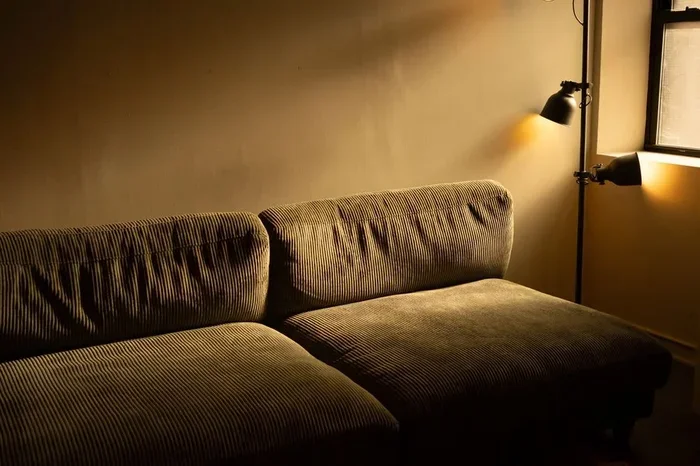
- Corduroy upholstery on chairs and pillows.
- Velvet for a rich, plush look.
- Woven baskets for natural texture and storage.
- Leather for a rugged, timeless feel.
- Crochet and knit throws for a handmade touch.
Patterns from the 70s include geometric prints, floral designs, and psychedelic swirls. Mixing patterns was completely acceptable during this era. Do not be afraid to combine a bold geometric rug with floral curtains and a striped throw pillow. The key is to keep the color palette consistent so the patterns feel cohesive.
Best Colors and Materials for a Groovy Living Room
Earth Tones and Mustard Yellow
Mustard yellow is arguably the most recognizable color of the 70s. It brings warmth, optimism, and a sense of fun to any room. You can use mustard yellow on walls, furniture, or accessories. A mustard yellow accent wall paired with white trim creates a striking yet balanced look.
Other earth tones that work beautifully in a 70s inspired living room include burnt sienna, tan, and warm beige. These colors complement mustard yellow perfectly and create a layered, sophisticated look. The beauty of earth tones is that they go with almost everything, making them a safe and stylish choice.
Wood and Natural Materials
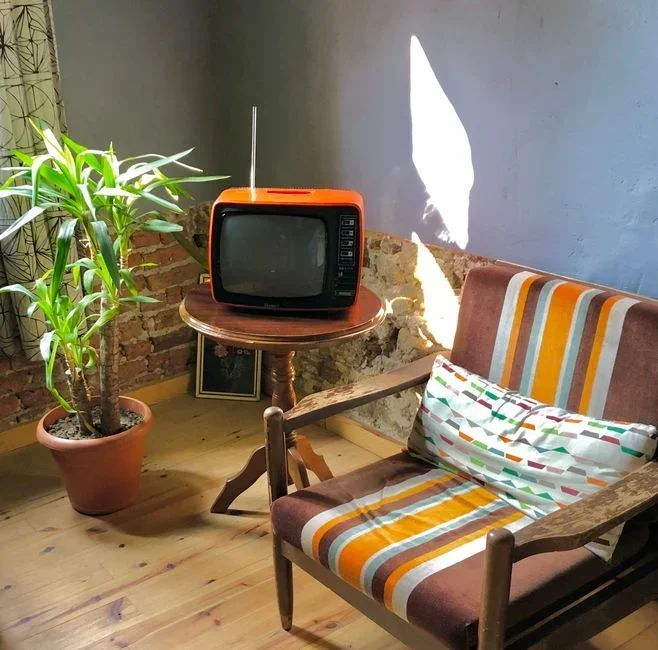
The 70s had a strong connection to nature, and that showed in the materials people chose for their homes. Wood furniture was everywhere, from teak sideboards to walnut coffee tables. Natural fibers like rattan and wicker were used for chairs, baskets, and decorative items.
To bring natural materials into your living room, consider these ideas:
- A teak coffee table as a centerpiece.
- Rattan chair or swinging chair for a relaxed feel.
- Woven rug in a natural or bold color.
- Wooden shelves for displaying retro decor.
- Bamboo blinds or curtains for a natural touch.
These materials add warmth and texture to your space. They also help bridge the gap between vintage 70s style and modern design sensibilities.
Accessories and Decor That Capture the Era
Macrame and Wall Hangings
No 70s inspired living room is complete without macrame. The art of knotting cords into decorative pieces was everywhere in the 70s. Macrame wall hangings, plant holders, and curtains added a boho-chic element that defined the era.
Today, macrame is making a strong comeback. You can find macrame pieces in home decor stores or make your own. A large macrame wall hanging above your sofa or a macrame plant hanger in the corner of your room instantly adds that groovy feel. Choose natural-colored cords for a subtle look or go bold with dyed macrame in earthy tones.
Retro Lighting and Floor Lamps
Lighting was an art form in the 70s. Floor lamps with globe shades, tripod designs, and bold colors were common in living rooms. Pendant lights with geometric shapes and string lights added a warm, inviting glow to spaces.
When choosing lighting for your retro living room, look for pieces with:
- Brass or gold finishes for a warm metallic look.
- Geometric shapes like spheres, cones, or cubes.
- Bold colors in lampshades or bases.
- Tiered designs that add height and drama.
A statement floor lamp next to your favorite reading chair can become the focal point of the room. Do not underestimate the power of good lighting in setting the mood of a 70s inspired living room.
Wall Art and Psychedelic Prints
Wall art from the 70s was vibrant, expressive, and unapologetically bold. Psychedelic prints featuring swirling patterns, space themes, and nature-inspired designs were hugely popular. You can find authentic vintage prints at antique shops or flea markets, or you can buy reproductions online.
If psychedelic art feels too intense for your taste, consider other 70s wall decor options:
- Abstract art in bold, saturated colors.
- Wooden wall sculptures with organic shapes.
- Vintage clocks with retro designs.
- Framed album covers from iconic 70s artists.
- Tapestries with geometric or floral patterns.
Gallery walls work wonderfully in a groovy living room. Mix different sizes and styles of art for an eclectic look that feels curated and intentional.
How to Mix 70s Style with Modern Design
Balancing Retro and Contemporary
The biggest mistake people make with a 70s inspired living room is going overboard. While the 70s was all about bold expression, your living room still needs to feel comfortable and functional for everyday life. The secret is balance.
Start with a modern foundation. Keep your walls neutral, your floors simple, and your layout clean. Then add 70s elements through furniture, accessories, and decor. A modern sofa with a vintage throw blanket, or a contemporary coffee table surrounded by retro accent chairs, creates a look that feels both timeless and current.
Here are some tips for balancing retro and modern:
- Use neutral walls to let retro furniture stand out.
- Choose one or two bold vintage pieces as focal points.
- Keep the rest of the decor simple and modern.
- Mix vintage and new textiles like throw pillows and blankets.
- Add modern lighting alongside retro fixtures.
Budget-Friendly Tips
Creating a 70s inspired living room does not require a huge budget. Some of the best vintage pieces can be found at thrift stores, estate sales, and online marketplaces for very affordable prices. The key is knowing what to look for and being patient.
Budget-friendly ways to add retro charm include:
- Thrift store finds like vintage lamps, mirrors, and decorative objects.
- DIY projects like painting old furniture in 70s colors.
- DIY macrame wall hangings using inexpensive cord.
- Repurposing vintage frames for modern art or family photos.
- Adding retro-style throw pillows and blankets to existing furniture.
A furniture makeover can completely transform a piece that looks outdated. A simple sanding and repainting job can turn an old wood table into a stunning 70s-style centerpiece. Get creative and have fun with the process.
Common Mistakes to Avoid When Decorating with 70s Style
Even though the 70s aesthetic is fun and expressive, there are pitfalls to avoid. One common mistake is using too many bold elements at once. If every wall is painted a bright color and every piece of furniture is patterned, the room can feel chaotic rather than groovy. Choose your bold pieces wisely and let them breathe.
Another mistake is ignoring comfort. The 70s was about relaxation and self-expression, but your living room still needs to be a comfortable place to spend time. Choose furniture that is stylish and functional. A beautiful vintage sofa is great, but if it is uncomfortable, you will not want to use it.
Finally, avoid trying to replicate an exact 70s room from a magazine. Your home is your own, and a 70s inspired living room should reflect your personality. Pick the elements that resonate with you and leave out the rest. A few well-chosen retro pieces will always look better than a room filled with too many vintage items.
Final Thoughts on Creating Your 70s Inspired Living Room
A 70s inspired living room is more than just a design trend. It is a way to bring warmth, personality, and joy into your home. By choosing the right colors, furniture, textures, and accessories, you can create a space that feels both nostalgic and fresh.
Start small if you are new to retro design. Add a bold throw pillow, a vintage floor lamp, or a macrame wall hanging. Build from there as your confidence grows. The beauty of a groovy living room is that there are no strict rules. Let your creativity guide you and have fun with the process.
Remember that the best 70s inspired living room is one that feels authentic to you. Whether you go all-in with bold colors and patterns or keep things subtle with a few retro accents, the goal is to create a space you love coming home to. So grab some inspiration, start browsing vintage shops, and bring that groovy energy into your living room today.
Frequently Asked Questions
What are the best colors for a 70s inspired living room?
The best colors include mustard yellow, avocado green, burnt orange, deep brown, and warm earth tones. These colors capture the warm, inviting feel of 70s design. Pair them with neutral whites or creams to keep the space balanced and livable.
How can I add 70s style on a budget?
Thrift stores, estate sales, and online marketplaces are great places to find affordable vintage pieces. DIY projects like painting old furniture or making macrame wall hangings can also save money. Even adding retro-style throw pillows and blankets to your existing furniture can transform the look.
Do I need to replace all my furniture for a 70s inspired living room?
No, you do not need to replace everything. Start by adding a few statement pieces like a vintage accent chair or a bold area rug. Mixing retro items with modern furniture creates a stylish, balanced look without the need for a full overhaul.
What are the most important accessories for a 70s living room?
Key accessories include macrame wall hangings, retro floor lamps, psychedelic prints, woven baskets, and shag rugs. These items add authentic 70s character and warmth to your living space. Choose a few favorites and build your decor around them.
Can I mix 70s style with modern design?
Absolutely. The best 70s inspired living room designs blend vintage and modern elements. Use neutral walls and modern furniture as a base, then add retro accents through colors, textures, and accessories. This approach keeps the room feeling fresh while capturing the groovy spirit of the 70s.
Is shag carpet still popular for 70s inspired rooms?
Shag carpet is still popular but may not suit every home. If full shag carpeting is not practical, consider a shag area rug in a bold color instead. This gives you the same cozy texture and retro feel without the maintenance challenges of wall-to-wall shag.
=== CONCLUSION ===
A 70s inspired living room offers a wonderful way to bring personality, warmth, and creativity into your home. By embracing bold colors, natural materials, and expressive accessories, you can create a space that feels both nostalgic and completely modern. The key is to have fun with the process and let your personal style shine through. Start with small changes, build your confidence, and watch your living room transform into a groovy retreat you will love spending time in.