How to Choose the Perfect Furniture for a Living Room
Choosing the right living room furniture starts with understanding your space, style, and budget. This guide walks you through measuring your room, picking the perfect sofa, and arranging pieces for a cozy and functional feel. You will learn how to balance comfort, design, and durability when furnishing your living room.
Your living room is the heart of your home. It is where you relax, entertain guests, and spend quality time with family. The furniture you choose sets the mood for the entire space. But with so many options out there, picking the right pieces can feel overwhelming.
That is exactly why we put together this guide. Whether you are furnishing a brand new space or refreshing an existing room, this article covers everything you need to know. We will walk you through measuring your room, choosing a style, selecting key pieces, and sticking to a budget. By the end, you will feel confident about every decision you make.
Key Takeaways
- Measure your room first: Knowing your room dimensions prevents buying furniture that is too big or too small.
- Pick a furniture style that matches your home: Whether modern, traditional, or mid-century, your style sets the tone for the entire space.
- Focus on the sofa as the anchor piece: The sofa is the centerpiece, so choose it carefully based on size, fabric, and comfort.
- Layer your lighting and accent pieces: Coffee tables, accent chairs, and lighting fixtures add depth and function.
- Set a realistic budget: You do not need to spend a fortune to create a stylish and inviting living room.
- Consider traffic flow and room layout: A well-arranged room feels open, welcoming, and easy to move through.
📑 Table of Contents
- Why Choosing the Right Living Room Furniture Matters
- How to Measure Your Living Room Before Buying
- Choosing the Right Furniture Style for Your Space
- Essential Living Room Furniture Pieces
- Color, Material, and Fabric Choices
- Budget Tips for Buying Living Room Furniture
- Final Thoughts on Choosing Living Room Furniture
Why Choosing the Right Living Room Furniture Matters
The furniture in your living room does more than just fill space. It defines the look, feel, and function of the room. Good furniture arrangement makes a small room feel open and a large room feel cozy. Bad furniture choices can make even the biggest living room feel cluttered and uncomfortable.
Think about how you use your living room every day. Do you watch movies with your family? Do you host dinner parties? Do you need a quiet spot to read? Your daily habits should drive your furniture decisions. When you choose pieces that match your lifestyle, the room naturally feels more comfortable and inviting.
Beyond function, your furniture choices affect the overall aesthetic. A sleek modern sofa creates a completely different vibe than a plush traditional armchair. Your color palette, fabric choices, and furniture style all work together to tell a story about your home. Getting this balance right is what separates a generic room from a space that truly feels like yours.
Start with Your Room Dimensions
Before you look at a single piece of furniture, grab a tape measure. Knowing your room dimensions is the single most important step in the process. Measure the length and width of the room, and note the location of doors, windows, and vents. These details will shape your furniture arrangement and help you avoid costly mistakes.
Also pay attention to the floor plan. A long narrow room needs different furniture than a square one. Mark where you want the main seating area, the entertainment center, and any walkways. This simple exercise gives you a clear picture of what will fit and what will not.
As a rule of thumb, leave at least 30 inches between furniture pieces for easy movement. This ensures your room stays functional and does not feel cramped. Traffic flow is something many people overlook, but it makes a huge difference in how comfortable a room feels on a daily basis.
How to Measure Your Living Room Before Buying
Measuring your living room properly saves you time, money, and frustration. It is not just about fitting furniture through the front door. You need to think about how each piece relates to the others and to the room as a whole.
Start by drawing a simple floor plan. Sketch the room to scale on a piece of paper or use a free online room planner tool. Mark the walls, doorways, and any architectural features like fireplaces or built-in shelves. Then, measure the furniture you already own or plan to buy and draw those pieces to scale on your floor plan.
This visual approach helps you see the big picture before you spend a dime. You can experiment with different furniture arrangements and find the layout that works best. Many people skip this step and end up with a room that feels off balance. Do not make that mistake. A little planning goes a long way.
Key Measurements to Remember
Keep these measurements in mind as you shop for living room furniture:
- Sofa length: Standard sofas range from 72 to 96 inches long. Measure your available wall space before shopping.
- Coffee table clearance: Allow 16 to 18 inches between the sofa and coffee table for comfortable legroom.
- TV viewing distance: Position your entertainment center so the screen is at least 6 to 8 feet from the seating area.
- Walkway width: Main pathways should be at least 30 inches wide for easy movement.
- Ceiling height: If you have low ceilings, avoid tall furniture pieces that can make the room feel closed in.
Choosing the Right Furniture Style for Your Space
Once you know your room size and layout, it is time to pick a furniture style. Your style choice sets the tone for the entire room and should reflect your personal taste. There is no single “right” style, but choosing one that fits your home makes the design process much easier.
Modern and Contemporary
Modern furniture features clean lines, simple shapes, and a minimalist approach. Neutral colors like white, gray, and black dominate this style. If you love a sleek and uncluttered look, modern living room furniture is a great choice. Pair a low-profile sofa with a simple coffee table and let the room breathe.
Traditional and Classic
Traditional furniture brings warmth and elegance to a space. Think rich wood tones, curved lines, and ornate details. Deep leather sofas, mahogany coffee tables, and velvet accent chairs are hallmarks of this style. Traditional rooms often feel formal and sophisticated, making them perfect for entertaining guests.
Mid-Century Modern
Mid-century modern has made a huge comeback in recent years. This style features tapered legs, organic shapes, and a mix of materials like wood, metal, and plastic. It strikes a perfect balance between retro charm and modern simplicity. A mid-century sectional sofa paired with a walnut coffee table creates an instantly stylish living room.
Bohemian and Eclectic
Bohemian style is all about personality and creativity. Mix patterns, textures, and colors freely. Vintage finds, woven baskets, and bold accent pillows give this style its unique character. If you love a lived-in, curated look, bohemian furniture arrangement allows you to express yourself fully.
Essential Living Room Furniture Pieces
Every living room needs a few core pieces to function well. You do not need to buy everything at once, but understanding what each piece does helps you prioritize your purchases. Here are the essential items every living room should have.
The Sofa: Your Room’s Anchor
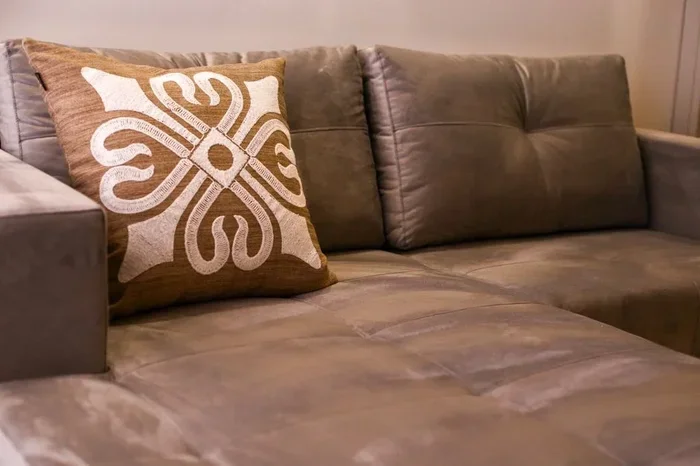
The sofa is the centerpiece of any living room. It is where people sit, relax, and gather. When it comes to sofa selection, consider size, comfort, and fabric. A large sectional works great for families and movie nights, while a compact two-seater suits smaller spaces.
For fabric choices, think about durability and maintenance. Microfiber and performance fabrics resist stains and are easy to clean, making them ideal for busy households. Leather adds a timeless look but requires more care. Choose a fabric that matches your lifestyle and how much wear and tear the sofa will endure.
The Coffee Table
A coffee table serves both a decorative and functional purpose. It holds your drinks, books, and remote controls while anchoring the seating area. When choosing a coffee table, consider the height relative to your sofa. Standard height is around 16 to 18 inches, which works well with most sofas.
Storage solutions are a big bonus. Coffee tables with drawers or shelves help you keep the room tidy without sacrificing style. Round tables soften the look of a room and work well in smaller spaces where sharp corners might be a hazard.
Accent Chairs and Seating Options
Adding an accent chair gives your living room extra seating and visual interest. Accent chairs come in every style imaginable, from sleek armchairs to cozy rocking chairs. Use them to fill empty corners or create a cozy reading nook.
Your seating options should match the number of people who regularly use the room. If you often host guests, consider a loveseat or a pair of matching chairs. For a more casual feel, a bean bag or floor pouf adds a relaxed and playful touch.
Entertainment Center and Storage
An entertainment center or media console houses your TV, gaming console, and other electronics. It also provides valuable storage for remotes, cables, and accessories. Choose a piece that fits your TV size and leaves enough ventilation for your devices to stay cool.
Bookcases and shelving units are another form of storage that doubles as decor. Display books, plants, and statement pieces to add personality to your walls. Built-in shelves are a great option if you want to maximize space without taking up floor area.
Side Tables and Lighting
Side tables are small but mighty. They provide a surface next to your sofa for lamps, drinks, and phone chargers. Look for tables that are about the same height as your sofa arm for easy access.
Lighting fixtures set the mood in your living room. A mix of overhead lighting, floor lamps, and table lamps creates layers of light that make the room feel warm and welcoming. Dimmer switches are a simple upgrade that lets you adjust the brightness for any occasion.
Color, Material, and Fabric Choices
The colors and materials you choose for your living room furniture create the room’s overall atmosphere. A thoughtful color palette ties everything together and makes the space feel cohesive. Here are some tips to help you make the right choices.
Start with a neutral base for your large furniture pieces like the sofa and coffee table. Colors like beige, gray, navy, and white are timeless and easy to work with. They give you flexibility to change accent colors, throw pillows, and decor without replacing the main furniture.
For accent furniture and decor, you can be bolder. A bright yellow accent chair or a patterned rug adds energy and personality to a neutral room. The key is balance. If your sofa is a bold color, keep the smaller pieces more subdued. If your walls are plain, let the furniture and decor carry the visual interest.
When it comes to fabric choices, think about both aesthetics and practicality. Cotton and linen give a natural, relaxed feel. Velvet adds luxury and warmth. Synthetic blends offer durability and easy cleaning. Consider your lifestyle, pets, and children when making fabric decisions. A beautiful fabric that stains easily will not make you happy in the long run.
Creating a Cohesive Color Palette
A simple way to build a color palette is the 60-30-10 rule. Use your dominant color for 60 percent of the room, a secondary color for 30 percent, and an accent color for the remaining 10 percent. This creates a balanced and visually pleasing look that does not feel random.
For example, a gray sofa (60 percent), cream curtains and rug (30 percent), and mustard accent pillows and a vase (10 percent) create a harmonious and stylish room. You can adjust the colors to suit your taste, but the principle remains the same. A well-planned color palette makes your living room feel intentional and put together.
Budget Tips for Buying Living Room Furniture
Furnishing a living room does not have to break the bank. With smart planning and strategic choices, you can create a beautiful space on almost any budget. The key is knowing where to invest and where to save.
Start by setting a total budget for your living room furniture. This gives you a clear spending limit and prevents impulse purchases. Then prioritize the pieces you use the most, like the sofa and coffee table. These high-use items should get the biggest share of your budget because they impact comfort and durability the most.
For accent pieces like side tables, bookshelves, and decor items, look for budget-friendly options. Thrift stores, online marketplaces, and outlet furniture stores often have great finds at a fraction of retail prices. A unique vintage side table can add more character than an expensive mass-produced piece.
Where to Shop for Quality Furniture
There are many places to find quality living room furniture at different price points. Big-box retailers offer affordable options with fast delivery. Online furniture stores often have competitive prices and generous return policies. Local furniture shops let you test pieces in person and support small businesses in your community.
Consider buying furniture in phases if your budget is tight. Start with the essentials like a sofa and coffee table, then add accent chairs, storage pieces, and decor over time. This approach spreads out the cost and lets you refine your room as you go. You will end up with a space that reflects your style and fits your budget perfectly.
Common Mistakes to Avoid
Many people make the same mistakes when choosing living room furniture. Avoid these common pitfalls to save time and money:
- Skipping measurements: Buying furniture without measuring your room leads to pieces that do not fit or overwhelm the space.
- Ignoring comfort: A sofa might look great in a showroom but feel terrible after a long sit. Always test comfort before buying.
- Following trends blindly: Trendy pieces may look great now but feel dated quickly. Choose styles you love and that will stand the test of time.
- Overcrowding the room: Too much furniture makes a room feel cramped. Leave breathing room and let each piece shine.
- Neglecting lighting: A well-furnished room with poor lighting feels dark and unwelcoming. Layer your lighting for the best effect.
Final Thoughts on Choosing Living Room Furniture
Choosing the perfect living room furniture is a journey, not a single decision. It requires thought, planning, and a clear understanding of your space and style. But the reward is a room that feels like home, a place where you and your family love to spend time.
Start by measuring your room and creating a floor plan. Choose a furniture style that reflects who you are. Pick key pieces like a comfortable sofa and a functional coffee table. Add accent chairs, lighting, and decor to bring the room to life. And remember, your budget is your guide, not your limit. With the right approach, you can create a living room that is beautiful, comfortable, and uniquely yours.
Take your time, enjoy the process, and trust your instincts. The best living room furniture is the furniture that makes you smile every time you walk into the room. Happy furnishing.
Frequently Asked Questions
What is the best way to arrange furniture in a living room?
Start by anchoring the room with a sofa facing the main focal point, which is usually the TV or a fireplace. Place the coffee table within easy reach of the seating area, and add accent chairs to create a conversational layout. Leave enough space between pieces for comfortable traffic flow.
How do I choose the right size sofa for my living room?
Measure your available wall space and leave at least 30 inches of clearance on each side for walkways. A standard sofa ranges from 72 to 96 inches long, but compact apartments may need a sofa under 80 inches. Always check the dimensions before you buy.
What living room furniture pieces are considered essential?
The essential pieces are a sofa, a coffee table, an entertainment center or media console, and at least one accent chair. Depending on your needs, you may also want side tables, a bookshelf, or storage cabinets to keep the room organized and functional.
How can I furnish a living room on a tight budget?
Start with the most important pieces like the sofa and coffee table, and shop at budget-friendly retailers or online marketplaces. Look for sales, clearance sections, and secondhand options. You can add accent pieces and decor gradually as your budget allows.
What fabric is best for a living room sofa?
Microfiber and performance fabrics are great for families with kids or pets because they resist stains and are easy to clean. Cotton and linen offer a natural, relaxed look, while leather adds a timeless and sophisticated feel. Choose based on your lifestyle and how much wear the sofa will get.
Should I match all my living room furniture together?
Not necessarily. Matching everything can make a room feel flat and predictable. Instead, choose a cohesive color palette and mix different styles and textures for visual interest. A modern sofa with a vintage coffee table and a mid-century accent chair can create a dynamic and inviting space.