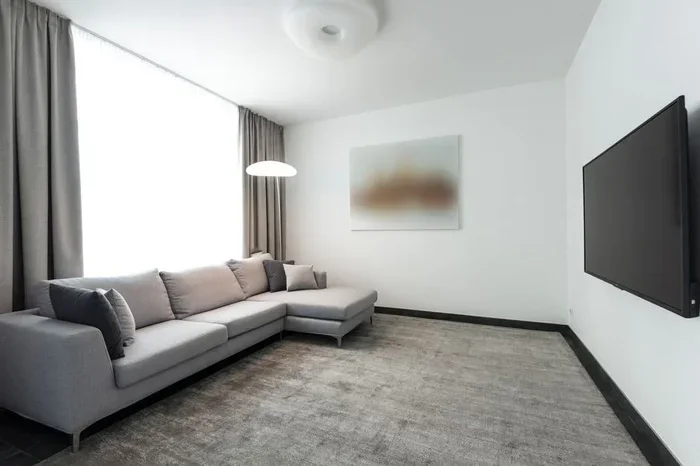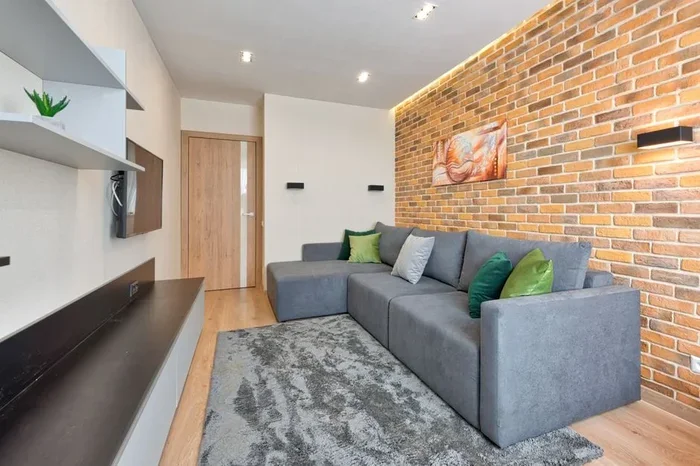
How to Arrange an L-Shaped Sofa in a Small Living Room
Learn how to arrange L-shaped sofa in small living room with proven tips for layout, measurement, positioning, and avoiding common mistakes. This guide covers the best sofa positions, quick design tricks, and expert insights that make small spaces feel bigger and more functional.
Placing an L-shaped sofa in a small living room can feel like a real puzzle. You want comfort, style, and enough space to move around freely. The good news is that the right L-shaped sofa placement can make even the tiniest room feel open and welcoming.
When you arrange an L-shaped sofa in a small living room, every inch counts. The way you position your corner sofa affects how the room looks, feels, and functions on a daily basis. This guide walks you through proven furniture arrangement ideas that actually work in tight spaces.
You will learn how to measure your room, pick the best spot for your sofa, and avoid common small space decor mistakes. By the end, you will have a clear plan to create a cozy living room setup that feels bigger than it is. Let us dive into the steps that will transform your living room furniture layout and help you make the most of your compact sofa design.
Key Takeaways
- Measure first: Always measure your room and sofa before planning the layout.
- Face the focal point: Position the sofa to face the room’s main feature for a natural flow.
- Keep traffic paths clear: Leave at least 30 inches of walking space around the sofa.
- Avoid blocking light: Never place the sofa directly in front of a window.
- Use mirrors and light colors: These tricks make small rooms feel larger and brighter.
- Choose multi-functional furniture: Save space with pieces that serve double duty.
- Float or wall-mount: Both approaches work well depending on your room’s shape and size.
📑 Table of Contents
Why the Right L-Shaped Sofa Placement Matters
The position of your sofa sets the tone for the entire room. A well-placed L-shaped couch arrangement draws the eye and creates a natural gathering spot. When you get it right, the room feels balanced, comfortable, and inviting. A poorly placed sofa, on the other hand, can make even a large room feel cramped and awkward.
When you arrange an L-shaped sofa in a small living room, you are not just filling a space. You are shaping how people move, sit, and interact in that room. The right living room seating arrangement supports daily life and makes the room feel purposeful. It also affects how guests perceive the space the moment they walk in.
How Layout Affects Your Daily Routine
Think about how you use your room each day. Do you watch TV after work? Do you read on the couch in the morning? Maybe you host friends for movie nights. Your sofa facing direction should match these habits. If the sofa faces a blank wall, the room will feel disconnected and wasted.
A good living room seating arrangement also makes daily tasks easier. You want to walk to the kitchen, open doors, and use your side table without bumping into furniture. The right placement supports your lifestyle, not just a photo on Pinterest. When you arrange an L-shaped sofa in a small living room, always think about your real daily routine first.
The Impact on Room Flow
Traffic flow in living room spaces is often overlooked by homeowners. When furniture blocks natural paths, the room feels cramped even if it is not that small. You need clear walkways between the sofa, coffee table, and other pieces in the room.
Aim for at least 30 inches of walking space around your sofa. This gives people room to move comfortably. It also makes the room look and feel larger. Good flow is one of the easiest ways to improve any small living room layout. It costs nothing but makes a huge difference in how the space functions every day.
Measure Your Space Before You Buy or Move Anything
Before you arrange an L-shaped sofa in a small living room, grab a tape measure. Measuring might not be exciting, but it saves you from buying furniture that does not fit. It also helps you plan the layout with confidence and avoid costly mistakes.
Key Measurements to Take
Start with the room dimensions. Measure the length and width of the space. Then note the location of doors, windows, and any architectural features like fireplaces or built-in shelves. These details shape where your sofa can go and how it will look in the room.
Next, measure the sofa itself. Check the length of each section and the total footprint when the sofa is in its L-shaped configuration. Write these numbers down. They will be your guide when you start planning furniture arrangement ideas for your room. Use painter’s tape on the floor to mark the sofa’s footprint. This gives you a real sense of how much space it takes up.
Create a Simple Floor Plan
You do not need fancy software to plan your layout. A simple sketch on graph paper works great. Draw the room to scale and cut out paper shapes to represent your furniture. Move them around until you find a layout that feels right.
This proportionate furniture sizing trick helps you visualize the space before you commit. It also prevents the costly mistake of buying a sofa that overwhelms the room. A floor plan is one of the most underrated tools in small space decor. Spend 20 minutes on it, and you will save hours of frustration later.
Best Positions for Your L-Shaped Sofa
Not every sofa position works in a small room. Some layouts open up the space, while others make it feel closed in. Here are the three best approaches to L-shaped sofa placement in tight areas.
| Position | Best For | Pros | Cons |
|---|---|---|---|
| Facing Focal Point | TV rooms, living rooms with a fireplace | Creates a natural gathering spot; feels intentional | Can block walkways if not placed carefully |
| Floating in Center | Open-concept rooms, larger small spaces | Allows flow from multiple directions; defines zones | Uses more floor space; needs careful planning |
| Pushed Against Wall | Very small rooms, narrow spaces | Frees up maximum floor space; simple to execute | Can feel boxed in; may block light |
Facing the Focal Point
Every room has a focal point. It might be a television, a fireplace, or a large window with a beautiful view. Place your sofa so the long side faces this feature. This creates a natural focal point arrangement that pulls the room together visually.
When the sofa faces the right direction, the room feels intentional. People know where to sit and look. This is one of the simplest furniture arrangement ideas for small spaces, and it always delivers a polished result. When you arrange an L-shaped sofa in a small living room this way, the room instantly feels more put-together and functional.
Floating the Sofa in the Center
Floating means placing the sofa away from the walls. This technique works well in rooms where wall space is limited or where you want to define a seating area without blocking pathways.
A sectional sofa placement that floats in the center can make the room feel more spacious. It allows people to walk around the sofa from multiple directions. Just make sure you leave enough room behind the sofa for people to pass through comfortably. This approach is great for maximizing seating space while keeping the room feeling open and airy.
Pushing Against a Wall
The simplest approach is to push the sofa against the longest wall. This frees up floor space in the middle of the room and creates a clear path for movement. It is a classic move in small living room layout design and works well in apartments and condos.
If you push the sofa against a wall, try to keep the back of the sofa low or open. A solid, tall back can block light and make the room feel smaller. A low-back or open-back design lets the eye travel past the sofa, which makes the space feel larger. This is a smart trick for anyone working with a compact sofa design in a tight room.
Common Mistakes People Make
Even with the best intentions, many people make avoidable errors when setting up their L-shaped couch arrangement. Knowing what to avoid is just as important as knowing what to do. Here are the most common mistakes and how to fix them.
Blocking Natural Light
Natural light is your best friend in a small room. When you place a large sofa directly in front of a window, you block the light that makes the space feel open and airy. This is one of the biggest small space decor mistakes people make without even realizing it.
If you must place the sofa near a window, try positioning it to the side rather than directly in front. Use sheer curtains to soften the light while keeping it flowing into the room. Natural light optimization can completely change how spacious your living room feels. A bright room always looks and feels bigger than a dark one.
Ignoring Traffic Paths
Another common error is placing the sofa where it blocks doorways or pathways. This makes the room feel chaotic and frustrating to move through. Always map out your traffic paths before you finalize the living room furniture layout.
Walk through the room as if you are carrying a tray of drinks. Can you move freely? Can you open doors fully? If not, shift the sofa until you can. Smooth traffic flow in living room areas is essential for a comfortable small living room layout. It also makes the room safer and more enjoyable to use every day.
Choosing the Wrong Sofa Size
One mistake that catches people off guard is buying a sofa that is too large for the room. An oversized L-shaped sofa in a small room creates a crowded feeling. Always choose a sofa that fits the scale of your space. Leave room for other furniture pieces and open walkways.
Consider a compact sofa design with slim arms and a lower back. These styles take up less visual space while still offering comfortable seating. The goal is to fit the sofa into the room, not the other way around. Proper proportionate furniture sizing is the foundation of any successful small room layout.
Quick Tips to Maximize a Small Living Room
Once your sofa is in place, you can enhance the room with a few smart additions. These tips help you get the most out of every square foot and make your small living room layout feel polished and intentional.
Use Mirrors and Light Colors
Mirrors reflect light and create the illusion of more space. Hang a large mirror on the wall opposite a window. This bounces natural light around the room and makes it feel brighter and more open.
Light colors on walls, cushions, and rugs also help. They keep the visual weight low and prevent the room from feeling heavy. Pair your compact sofa design with light-toned decor for a fresh, airy look. Here are a few quick ideas:
- Use a large mirror above the sofa or on the opposite wall.
- Pick light-colored cushions in white, cream, or soft gray.
- Choose a light wood or white coffee table.
- Keep the rug color light and simple.
- Add one or two small plants for a pop of green.
These small changes add up quickly. They are among the easiest small space decor tricks you can use.
Add Multi-Functional Furniture
In a small room, every piece of furniture should earn its place. Choose a coffee table with storage underneath or an ottoman that doubles as a seat and a footrest. Multi-functional furniture saves space and reduces clutter in the room.
You can also use a slim TV stand or wall-mounted shelves to free up floor space. The less furniture you have on the floor, the more open the room feels. This approach supports maximizing seating space without sacrificing comfort or style. It is one of the best strategies for making a small living room layout work beautifully.
Expert Insights on L-Shaped Sofa Arrangement
Interior designers agree that the key to a great small room layout is balance. The sofa should feel like it belongs in the space, not like it was dropped in randomly. Here are some expert-backed tips to keep in mind.
First, always start with the sofa. It is usually the largest piece of furniture in the room, so everything else builds around it. Second, use the rule of thirds to divide the room visually. Place the sofa so it fills about one-third of the room’s length. This leaves breathing room on both sides. Third, anchor the sofa with a rug underneath. A properly sized rug defines the seating area and adds warmth without cluttering the space.
Designers also recommend thinking vertically. Use tall shelves or wall-mounted cabinets to draw the eye upward. This makes the ceiling feel higher and the room feel more spacious. Combined with the right L-shaped sofa placement, these vertical elements can completely transform a small living room.
Final Thoughts
Arranging an L-shaped sofa in a small living room does not have to be stressful. With the right measurements, smart positioning, and a few design tricks, you can create a room that feels spacious, welcoming, and perfectly functional. The key is to plan before you place and to think about how you actually use the space every day.
Remember to focus on traffic flow in living room areas, let natural light in, and choose furniture that fits the scale of your space. A well-placed sofa transforms the entire feel of a room. Trust the process, experiment with different layouts, and trust your instincts. You now have the tools and knowledge to make it happen.
Now that you know the steps, it is time to put them into action. Measure your room, try a few layouts, and enjoy your newly arranged living room seating arrangement. Your small space has huge potential, and the right L-shaped sofa placement will unlock it. Start today and enjoy the difference a thoughtful layout makes.
Frequently Asked Questions
What is the best way to arrange an L-shaped sofa in a small living room?
The best way is to face the long side of the sofa toward the room’s focal point, such as a TV or fireplace. This creates a natural gathering spot and keeps traffic paths clear. Always measure your room first and use a floor plan to test different positions before committing.
How do I make a small living room look bigger with an L-shaped sofa?
Use light colors on walls and cushions, add a large mirror to reflect light, and choose a low-back or open-back sofa. Keep traffic paths clear and avoid blocking windows. Multi-functional furniture and wall-mounted storage also help reduce visual clutter.
Should I push my L-shaped sofa against the wall in a small room?
Pushing the sofa against the longest wall is a great option for very small rooms. It frees up floor space and creates a clear walkway. If the room allows, try floating the sofa slightly away from the wall for a more open feel.
What size L-shaped sofa is best for a small living room?
Choose a compact or slim-profile L-shaped sofa that fits the scale of your room. Measure the sofa’s footprint and compare it to your room size. Aim for the sofa to take up no more than one-third of the room’s length for the best balance.
How much space should be around an L-shaped sofa in a small room?
Leave at least 30 inches of walking space around the sofa. This ensures comfortable traffic flow and makes the room feel less cramped. Also, make sure you can open doors fully and access all furniture pieces easily.
Can I use an L-shaped sofa in a narrow living room?
Yes, but choose a narrow or shallow L-shaped sofa. Position it along the longest wall and face it toward the room’s focal point. Floating the sofa slightly away from the wall can also help the room feel less narrow and more balanced.
=== CONCLUSION ===
Arranging an L-shaped sofa in a small living room is all about balance, measurement, and smart positioning. By following the steps in this guide, you can create a cozy living room setup that feels open, functional, and stylish. Remember to measure your space, choose the right position, avoid blocking light and traffic paths, and use design tricks like mirrors and light colors. With a little planning, your small living room can look and feel its very best.