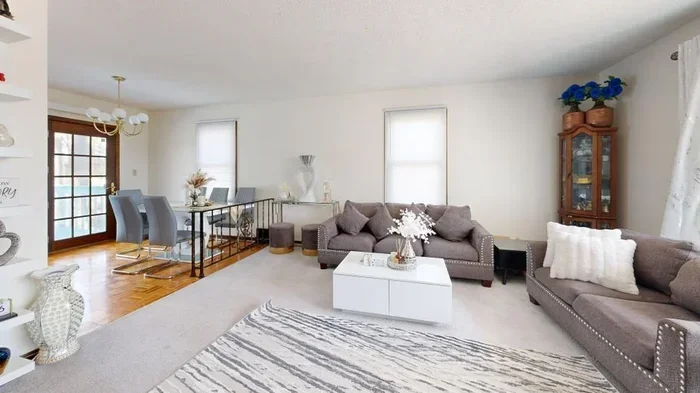
Smart Ways to Arrange Sofa and Loveseat in Living Room
Arranging a sofa and loveseat in your living room can transform the entire feel of your home. This guide walks you through proven furniture arrangement techniques, layout patterns, and styling tips that work for any room size. You will learn how to create a conversational grouping, improve traffic flow, and make your seating area look effortlessly stylish.
Key Takeaways
- Start with the focal point: Position your sofa and loveseat to face the main visual anchor in the room.
- Leave proper walking space: Maintain at least 30 inches of clearance for comfortable traffic flow.
- Create a conversational grouping: Angle your seats toward each other to encourage interaction.
- Match scale to room size: Choose furniture proportions that fit your space without crowding it.
- Use rugs and lighting to define zones: These elements tie your seating arrangement together visually.
- Avoid pushing furniture against walls: Floating your arrangement can make a room feel larger and more inviting.
📑 Table of Contents
- Why Arranging Your Sofa and Loveseat in Living Room Matters
- Step-by-Step Guide to Arrange Sofa and Loveseat in Living Room
- Best Layout Patterns for Sofa and Loveseat Arrangement
- Comparison of Popular Arrangement Styles
- Common Mistakes People Make When Arranging Seating
- Quick Tips to Elevate Your Living Room Setup
- Expert Insights on Furniture Arrangement
- Final Thoughts
Why Arranging Your Sofa and Loveseat in Living Room Matters
Your living room is the heart of your home. It is where you relax, entertain guests, and spend quality time with family. The way you arrange sofa and loveseat in living room setups sets the tone for the entire space. A well-planned layout makes the room feel welcoming and functional.
Many people underestimate the power of furniture placement. They push their sofa against the wall and call it done. But a thoughtful arrangement does more than look good. It improves how you move through the room. It creates a natural flow for conversation. It even affects how comfortable you feel every single day.
When you take the time to plan your seating layout, you invest in your daily comfort. You also boost the visual appeal of your home. Whether your living room is small and cozy or large and open, the right arrangement makes all the difference. Let us walk you through exactly how to get it right.
Before you move any furniture, take a moment to measure your room. Note the windows, doors, and vents. Identify the natural focal point. This could be a fireplace, a television, or a beautiful window view. Once you know your starting point, the rest falls into place much more easily. And always keep in mind that every home is different, so feel free to adapt these ideas to your unique space. For more guidance on setting up your home furnishings properly, check our terms and conditions page for helpful policy details on furniture purchases.
Step-by-Step Guide to Arrange Sofa and Loveseat in Living Room
Step 1: Find Your Focal Point
Every living room has a focal point. It is the first thing your eyes land on when you enter the room. For many people, this is the television. For others, it might be a fireplace or a stunning piece of artwork on the wall.
Your sofa and loveseat should face this focal point. This creates a natural viewing angle and makes the room feel balanced. If your focal point is a fireplace, position your sofa perpendicular to it and place the loveseat at an angle. This setup invites everyone to gather around the warmth.
Here are a few popular focal point options:
- Fireplace: Arrange seats in a U-shape facing the hearth.
- Television: Position the sofa directly facing the screen.
- Window view: Angle seats to take advantage of natural light and scenery.
- Bookshelf or accent wall: Let a statement wall anchor the seating group.
Step 2: Measure Your Space
Grab a tape measure before you start moving furniture. Measure the length and width of your living room. Note any doors, windows, and vents. Mark these on a simple floor plan or use a free room layout app.
Your sofa and loveseat need breathing room. Leave at least 30 inches of space between furniture pieces for walkways. This allows people to move around comfortably without bumping into anything. Also, make sure nothing blocks a doorway or vent.
Here is a quick measurement checklist:
- Measure the room dimensions (length and width).
- Mark the location of doors, windows, and vents.
- Measure your sofa and loveseat dimensions.
- Sketch a rough floor plan to scale.
- Test your layout by using tape on the floor.
Taking these few extra minutes saves you from the frustration of rearranging heavy furniture later. This step is especially important when you are working with a small living room layout where every inch counts.
Step 3: Position the Sofa First
The sofa is usually the largest piece of seating in the room. Start with it. Place your sofa facing the focal point, leaving enough space behind it for walkways.
You do not always need to push the sofa against the wall. In fact, floating it a few inches away from the wall can make the room feel more spacious. This trick works especially well in open floor plan living areas where the seating zone needs to feel defined but not boxed in.
Consider these sofa placement options:
- Against the wall: Classic and space-saving. Best for narrow rooms.
- Floating in the room: Creates a cozy conversation area in the center of the space.
- Perpendicular to the focal point: Works well when you want to face a fireplace or accent wall.
Step 4: Add the Loveseat
Once your sofa is in place, bring in the loveseat. Position it to form an L-shape or a U-shape with the sofa. This creates a natural conversational grouping that feels inviting.
The loveseat should face the sofa, with about 4 to 5 feet of space between them. This distance allows people to sit in both pieces and still talk comfortably. If you place them too far apart, the conversation feels disconnected. Too close, and the room feels cramped.
For rooms with a large living room layout, you have more flexibility. You can place the loveseat at a slight angle to add visual interest. In smaller rooms, keep the loveseat parallel to the sofa to maximize floor space.
Before you lock in your arrangement, sit in both pieces. Does the view from each seat feel good? Can you see the focal point comfortably? Make adjustments until everything feels right.
Step 5: Add the Coffee Table and Accent Pieces
Now that your sofa and loveseat are positioned, it is time to fill in the gaps. A coffee table is the centerpiece of your seating area. Place it about 16 to 18 inches in front of the sofa. This gives people enough legroom while keeping drinks and remotes within easy reach.
Add accent pieces to complete the look. A side table next to the loveseat provides a convenient spot for a lamp or a cup of coffee. Throw pillows and blankets add color and texture. An area rug underneath the seating group grounds the entire arrangement.
Here are some accent furniture ideas to consider:
- Floor lamp: Adds ambient lighting and draws the eye upward.
- Bookshelf or cabinet: Provides storage and displays decor items.
- Plant stand: Brings life and freshness into the seating area.
- Ottoman: Serves as extra seating or a footrest.
Remember, the goal is balance. You want the room to feel curated but not cluttered. Each piece should serve a purpose and contribute to the overall look and feel.
Best Layout Patterns for Sofa and Loveseat Arrangement
Not all living rooms are the same, and neither should their layouts be. Different room shapes and sizes call for different arrangement strategies. Here are the most effective patterns you can use to arrange sofa and loveseat in living room spaces of all sizes.
The L-Shape Layout
The L-shape is the most popular arrangement for sofa and loveseat combos. Place the sofa along the longest wall and position the loveseat perpendicular to it at one end. This creates a natural corner seating area that feels cozy and inviting.
This layout works best in rectangular rooms. It defines a clear seating zone without blocking traffic flow. Add a coffee table in the center of the L-shape to complete the setup.
The U-Shape Layout
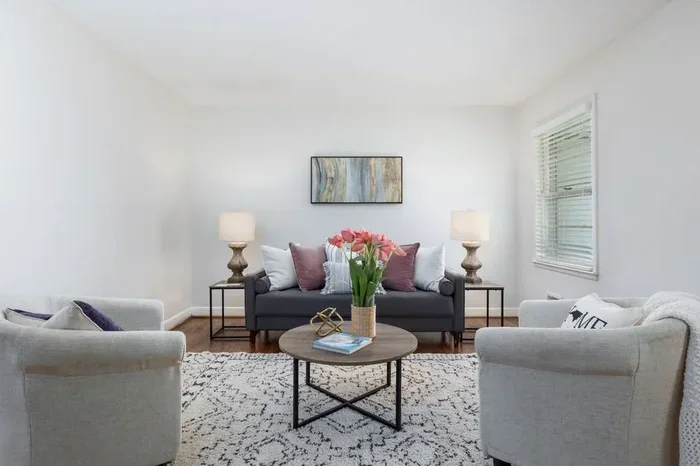
The U-shape arrangement places the sofa and loveseat facing each other with a coffee table in between. This setup is perfect for entertaining guests because everyone can see and talk to each other easily.
The U-shape works well in square or wide rooms. It creates a sense of togetherness and makes the space feel intimate. Use a large area rug to anchor the entire grouping.
The Parallel Layout
In this arrangement, the sofa and loveseat sit side by side, facing the same direction. This layout is ideal for rooms where the focal point is a television or a long window. It creates a clean, streamlined look that feels modern and open.
The parallel layout is especially effective in open floor plan homes where the living room flows into the dining area. It keeps the seating zone defined while maintaining a sense of openness.
The Floating Layout
The floating layout pulls all furniture away from the walls and places it in the center of the room. This might sound counterintuitive, but it works wonders in large rooms with multiple focal points.
Floating your sofa and loveseat creates a conversation island. It encourages people to gather in the middle of the room rather than retreating to the edges. Pair this layout with a large rug and a central coffee table for the best results.
Comparison of Popular Arrangement Styles
| Layout Style | Best For | Room Size | Conversation Flow | Space Efficiency |
|---|---|---|---|---|
| L-Shape | Casual seating and TV viewing | Rectangular rooms | Good | High |
| U-Shape | Square or wide rooms | Excellent | Medium | |
| Parallel | Modern and streamlined look | Long or narrow rooms | Moderate | High |
| Floating | Large open-concept spaces | Large rooms | Excellent | Low |
Common Mistakes People Make When Arranging Seating
Even with the best intentions, many homeowners make mistakes that ruin their living room layout. Learning what to avoid is just as important as knowing what to do. Here are the most common errors to watch out for.
Push Everything Against the Walls
This is the number one mistake people make. They shove the sofa and loveseat against the walls and leave a big empty gap in the middle. The result feels disconnected and uninviting. Floating your furniture, even just a few inches, creates a more intimate and purposeful seating area.
Ignore Traffic Flow
Your living room needs clear walkways. If people have to squeeze past the coffee table to reach the sofa, something is wrong. Always leave at least 30 inches of clearance for main walkways and 18 inches for secondary paths. Test your layout by walking through the room before you finalize placement.
Choose the Wrong Size Furniture
A massive sofa in a small room overwhelms the space. A tiny loveseat in a large room gets lost. Always match your furniture size to your room dimensions. If you are unsure, opt for medium-scale pieces that work in most settings. You can always add or remove accent seating later.
Forget About Lighting
Good lighting transforms a seating arrangement. A dark room makes even the best furniture arrangement feel dull. Layer your lighting with a floor lamp, table lamp, and overhead fixture. This creates depth and warmth in the space.
Skip the Rug
An area rug defines the seating zone and ties everything together. Without a rug, your sofa and loveseat can feel like they are floating in empty space. Choose a rug large enough that all front legs of the furniture sit on it. This grounds the arrangement visually and physically.
Quick Tips to Elevate Your Living Room Setup
Once your sofa and loveseat are in place, these quick tips will take your living room to the next level.
Quick Tip 1: Mix Textures. Combine different fabrics on your sofa and loveseat cushions. Pair a velvet throw pillow with a linen blanket for a layered, textured look that adds depth.
Quick Tip 2: Use Rugs to Define Zones. In open floor plans, a well-placed rug signals that the seating area is a distinct zone. This is especially helpful when the living room shares space with a dining area or hallway.
Quick Tip 3: Balance Scale with Accent Pieces. If your sofa is low-profile, add a tall floor lamp nearby to create visual balance. This keeps the room from feeling one-dimensional.
Quick Tip 4: Add Warmth with Throw Blankets. Drape a soft throw blanket over the arm of your loveseat. It adds color and makes the space feel lived-in and cozy.
Quick Tip 5: Step Back and Assess. Once you finish arranging, step into the next room and look back through the doorway. This gives you a fresh perspective and helps you spot any imbalances in the layout.
Expert Insights on Furniture Arrangement
Interior designers agree that furniture arrangement is both an art and a science. The goal is to create a space that looks beautiful and functions well for your daily life. Here are some expert insights to keep in mind.
Focus on conversation distance. The ideal seating distance between sofa and loveseat is about 4 to 5 feet. This allows people to sit comfortably and talk without raising their voices. Any farther apart, and the conversation feels disconnected.
Think about sight lines. When you sit in your sofa, what do you see? The view should be pleasant and intentional. Avoid facing a blank wall or a cluttered corner. Instead, direct your seating toward something beautiful or interesting in the room.
Consider your lifestyle. If you have young children or pets, choose durable fabrics and keep breakable decor out of reach. If you love hosting movie nights, arrange your seats for optimal viewing. Your furniture arrangement should support how you actually live in the space, not just how it looks in a magazine.
Always remember that your living room arrangement is not set in stone. You can rearrange your sofa and loveseat whenever you want a fresh look. Seasonal swaps, new throw pillows, or a different rug can completely change the feel of the room without moving a single piece of furniture.
Final Thoughts
Learning how to arrange sofa and loveseat in living room spaces is easier than most people think. You do not need a degree in interior design. You just need a plan, some basic measurements, and a willingness to experiment.
Start by identifying your focal point. Position your sofa and loveseat to create a conversational grouping. Leave enough space for traffic flow. Add the right accessories to complete the look. And most importantly, make the room work for your lifestyle.
Your living room is one of the most used spaces in your home. It deserves furniture that is both beautiful and functional. With the arrangement tips in this guide, you are well on your way to creating a living room that you and your family will love for years to come. When purchasing new furniture or making changes to your home setup, always review the relevant terms and conditions to protect your investment. Similarly, before finalizing any online furniture orders, ensure you understand the terms and conditions to avoid any surprises with delivery or returns.
Take what you have learned here today and apply it this weekend. Move your furniture around, try a new layout, and see how different arrangements change the energy of your room. You might be surprised at how much of a difference a simple rearrangement can make. Happy decorating!
Frequently Asked Questions
What is the best way to arrange a sofa and loveseat in a small living room?
In a small living room, use the L-shape or parallel layout to maximize floor space. Float the furniture a few inches away from the walls to create a sense of openness. Choose smaller-scale pieces and leave at least 30 inches of walking space between furniture and walls.
How far should a sofa be from a loveseat?
Aim for about 4 to 5 feet between the sofa and loveseat. This distance allows comfortable conversation without the seats feeling too close or too far apart. Adjust based on the size of your room and the scale of your furniture.
Should I push my sofa and loveseat against the wall?
Not necessarily. Floating your furniture a few inches away from the walls can make the room feel larger and more inviting. It also creates a more intentional seating area that encourages conversation and connection.
What rug size works best with a sofa and loveseat arrangement?
Choose a rug large enough that all front legs of both the sofa and loveseat sit on it. This grounds the seating group visually and creates a cohesive look. A rug that is too small can make the arrangement feel disjointed.
Can I arrange a sofa and loveseat in a room with an open floor plan?
Absolutely. Open floor plans give you more flexibility. Use a large area rug to define the seating zone and position the sofa and loveseat to face the main focal point. Keep the arrangement balanced with accent pieces and proper lighting.
How do I decide which layout pattern is right for my room?
Consider your room shape, size, and lifestyle. Rectangular rooms work well with L-shape or parallel layouts. Square rooms suit U-shape arrangements. Large open-concept spaces benefit from floating layouts. Always test your layout by walking through the room before committing to a final arrangement.
=== CONCLUSION ===
Arranging your sofa and loveseat in the living room does not have to be overwhelming. With the right approach, you can create a beautiful and functional space that reflects your personal style. Start with the focal point, measure your room, and choose a layout that suits your lifestyle. Avoid common mistakes like pushing furniture against walls or ignoring traffic flow. Use rugs, lighting, and accent pieces to tie everything together.
The best arrangement is one that feels comfortable and natural to you. Do not be afraid to experiment and try new configurations. Your living room is your space, and it should work for you. Apply these tips, trust your instincts, and enjoy the process of creating a home you love.