How to Design a 70s Living Room Pit for Maximum Comfort
A 70s living room pit brings back the cozy, inviting vibe of the groovy decade with sunken seating, warm tones, and retro charm. You will learn how to choose the right furniture, colors, and textures to create your own retro oasis. This guide covers everything from shag carpets to lava lamps and beyond.
Key Takeaways
- Sunken seating is the heart: A conversation pit or recessed floor area defines the authentic 70s living room pit look.
- Bold colors set the mood: Mustard yellow, burnt orange, and earthy browns create that classic retro warmth.
- Shag rugs and plush textures are essential: They add the soft, cozy feel that makes the pit irresistible.
- Retro accessories complete the vibe: Lava lamps, macrame, and vintage art bring the 70s to life.
- Lighting matters a lot: Warm, layered lighting with floor lamps and string lights sets the perfect atmosphere.
- You do not need a big budget: Thrift stores and DIY projects can help you build a stunning retro pit affordably.
📑 Table of Contents
- How to Design a 70s Living Room Pit for Maximum Comfort
- What Is a 70s Living Room Pit?
- Choosing the Right Layout for Your 70s Living Room Pit
- Colors and Materials That Define the 70s Look
- Furniture and Seating for Your 70s Living Room Pit
- Accessories and Decor That Complete the Vibe
- Lighting Strategies for the Perfect Retro Atmosphere
- Common Mistakes to Avoid When Designing a 70s Living Room Pit
- Key Takeaways
- Conclusion
How to Design a 70s Living Room Pit for Maximum Comfort
There is something magical about a 70s living room pit. It wraps you in softness, draws people close, and turns any room into a cozy retreat. The 1970s gave us some of the most inviting living spaces ever designed. Think sunken couches, warm earth tones, and textures you want to sink into.
If you have ever dreamed of bringing that groovy, relaxed energy into your own home, you are in the right place. This guide walks you through every step of designing a 70s living room pit that looks amazing and feels incredible. Whether you are starting from scratch or just adding retro touches, you will find practical tips that work for any space and budget.
The beauty of a retro living room pit is that it does not need to be complicated. You can go all out with a full sunken seating area, or keep it simple with a few key pieces. The goal is the same: create a space that feels warm, welcoming, and full of character. Let us dive in.
What Is a 70s Living Room Pit?
A 70s living room pit is a sunken or recessed seating area that became popular during the 1970s. It usually features a low, centralized seating arrangement that invites people to gather around and relax. The idea was to create a conversational space that felt intimate and comfortable.
These pits often sat below the main floor level, creating a natural “bowl” effect. Sofas, chairs, and ottomans were arranged in a circle or U-shape. The whole setup encouraged conversation and togetherness. Today, the concept has evolved, but the core idea remains the same: a cozy, low-to-the-ground seating area that feels like a hug.
The History Behind the Conversation Pit
The conversation pit became famous in the mid-1960s and peaked in the 1970s. Architects and interior designers loved the idea of bringing people together. It was a bold departure from the formal, furniture-against-the-walls layout of earlier decades. The sunken design created a natural focal point in any room.
Many iconic homes and apartments featured these pits. They were a symbol of relaxed living and social connection. Even today, the retro living room aesthetic continues to inspire homeowners who want a warmer, more inviting space.
Choosing the Right Layout for Your 70s Living Room Pit
The layout is the foundation of your 70s living room pit. It determines how the room feels and how people interact within it. You do not need a sunken floor to get the look. There are several approaches you can take depending on your space and budget.
Option 1: The Full Sunken Pit
A true sunken pit involves lowering the floor level by 12 to 24 inches. This creates the classic bowl shape that defined 1970s interior design. You will need to work with a contractor or DIY-savvy friend if you want to go this route. The result is dramatic and unmistakably retro.
Full sunken pits work best in larger rooms where the depth does not feel cramped. They make a bold statement and instantly transform the feel of a space. If you have high ceilings, this option can look absolutely stunning.
Option 2: The Flat Pit Look
Not everyone wants to dig into their floor. The flat pit look uses furniture arrangement to create the same cozy effect without any construction. You place sofas and chairs in a circular or semicircular pattern at the same floor level. Thick rugs and cushions help define the “pit” area.
This approach is perfect for renters or anyone who does not want to make structural changes. It still captures the essence of a 70s living room pit and keeps the space feeling warm and inviting.
Option 3: The Raised Platform Pit
A raised platform uses a low deck or platform to create a subtle sunken effect. The seating sits on or slightly below the platform level. This middle-ground option gives you some of the visual depth of a full pit without the construction hassle.
Raised platforms also add a nice layer of texture and definition to the room. You can build them from wood, and they pair beautifully with retro furniture and warm wood tones.
Colors and Materials That Define the 70s Look
Color and materials make or break a 70s living room pit. The 1970s had a very distinct palette that leaned toward warmth and earthiness. Getting this right will transport you straight back to the groovy era.
The Perfect 70s Color Palette
The 1970s loved bold yet warm colors. Here are the shades you should consider:
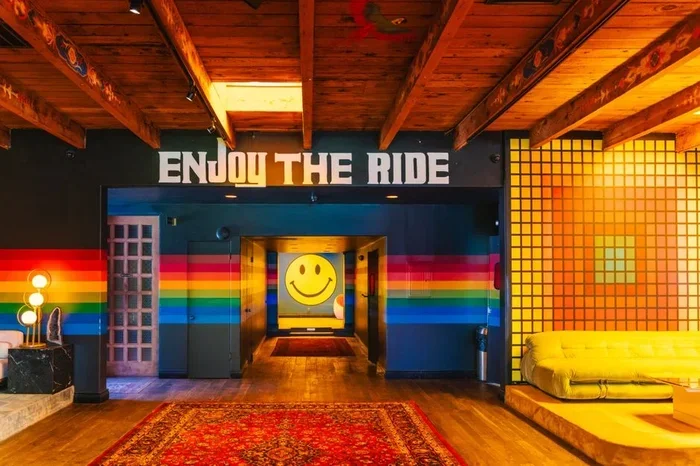
- Mustard yellow: A staple of the decade. It adds warmth and energy to any pit area.
- Burnt orange: Rich and inviting, this color screams retro living room.
- Avocado green: A softer green tone that was everywhere in 70s homes.
- Warm brown: The backbone of the 70s palette. It grounds the room and feels natural.
- Deep red: Use this sparingly as an accent. It adds drama and depth.
- Cream and beige: Great neutral base colors that let bolder accents shine.
Textures That Make It Feel Authentic
Textures are just as important as colors in a 70s living room pit. The decade was all about tactile, cozy materials that invited you to sit down and stay awhile.
- Shag carpet: The king of 70s flooring. Long, plush shag in a warm tone ties the whole pit together.
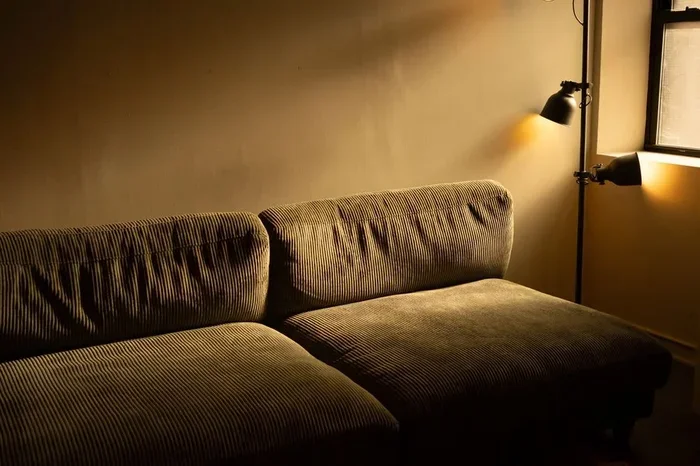
- Corduroy upholstery: Soft and textured, corduroy sofas are a retro dream.
- Wood paneling: Adds warmth and a natural feel to the walls around your pit.
- Leather accents: Vintage leather pillows or ottomans add a sophisticated touch.
- Woven baskets: Great for storage and adding that bohemian 70s vibe.
Furniture and Seating for Your 70s Living Room Pit
Choosing the right furniture is where the magic happens. The seating in a 70s living room pit should feel low, plush, and arranged to encourage conversation.
Sofas and Loveseats
Look for low-profile sofas with wide seats. The 70s style favored deep, cushy seating that you could sink into. Tucked-back arms and a low back keep the sightlines open, which is essential for a pit setup.
Tapered legs in walnut or teak wood are a classic 70s detail. They lift the furniture slightly off the ground and add that mid-century modern feel. If you find a vintage sofa, even better. Thrift stores often have hidden gems that look amazing in a retro pit.
Chairs and Ottomans
Chunky armchairs and oversized ottomans complete the seating circle. Egg chairs, bean bags, and floor cushions all work well in a 70s living room pit. The key is variety and comfort. Mix different seating types to create visual interest and make the space feel lived-in.
Ottomans serve double duty. They act as extra seating and as footrests. Choose ones in bold colors or covered in shag fabric for maximum retro impact.
Arranging the Seating Circle
Place your main seating pieces in a U-shape or circle. Leave enough space between pieces for people to move comfortably. The center of the pit should feel open and inviting. Add a low coffee table or a tray in the middle for drinks and snacks.
Keep the arrangement asymmetric for a more relaxed feel. Perfect symmetry can look stiff. A slightly uneven circle feels more natural and welcoming.
Accessories and Decor That Complete the Vibe
Accessories are what turn a regular living room into a true 70s living room pit. They add personality, color, and that unmistakable retro charm.
Lava Lamps and String Lights
Few things scream 70s more than a lava lamp. The soft, glowing bubbles create a warm and relaxed atmosphere. Place one or two near the seating area for a cozy glow after dark.
String lights also work wonders. Drape them around the room or along a shelf. They add a warm, magical quality that makes the pit feel even more inviting. Choose warm white bulbs for the most authentic look.
Macrame, Wall Art, and Throw Pillows
Macrame wall hangings were everywhere in the 1970s. A large macrame piece above the seating area adds texture and visual interest. You can also hang smaller macrame pieces around the room for a layered look.
Throw pillows are an easy way to bring in color and texture. Look for pillows in velvet, corduroy, or patterned fabrics. Mix sizes and shapes for a playful, curated feel. Bold patterns like paisley, geometric prints, and bohemian designs work best.
Wall art in the 70s style often featured nature scenes, abstract shapes, or psychedelic designs. Choose pieces that complement your color palette and add visual warmth to the walls.
Plants and Natural Elements
The 70s loved bringing nature indoors. Add potted plants like ferns, palms, or rubber plants around your 70s living room pit. Plants add life, color, and a fresh feel that balances the warm tones of the room.
Natural materials like wood, stone, and woven fibers also help ground the space. A wooden tray, a stone coaster set, or a jute rug all contribute to the earthy 70s aesthetic.
Lighting Strategies for the Perfect Retro Atmosphere
Lighting can make or break the mood of your 70s living room pit. The goal is warm, layered light that feels soft and relaxing. Harsh overhead lighting will kill the vibe instantly.
Layer Your Light Sources
Use a combination of light sources to create depth and warmth. A floor lamp with a warm-toned shade works great next to the seating area. Table lamps with colored glass shades add a retro touch.
Consider installing dimmer switches if you can. They let you adjust the brightness to match the mood. A dimly lit pit feels intimate and cozy, which is exactly the point.
Avoid Overhead Fluorescent Lighting
Fluorescent lights were common in the 70s, but they do not work for creating a cozy pit atmosphere. They cast a flat, cool light that feels sterile. Instead, use warm-toned bulbs and shaded fixtures that diffuse the light softly.
Candles are another great option. Place them on the coffee table or on shelves around the room. The flickering glow adds instant warmth and a relaxed feel that is perfect for a retro living space.
Common Mistakes to Avoid When Designing a 70s Living Room Pit
Even with the best intentions, it is easy to make mistakes when designing a 70s living room pit. Here are some pitfalls to watch out for.
- Going too dark: While the 70s used warm tones, too many dark colors can make a room feel small and heavy. Balance dark accents with lighter neutrals.
- Skipping the rug: A shag rug or textured rug is essential. Without it, the pit area does not feel defined or cozy.
- Using modern furniture only: Mixing in a few vintage or retro-inspired pieces makes the space feel authentic. All modern furniture can make the pit look like a regular seating area.
- Overcrowding the space: Leave room to breathe. Too many furniture pieces make the pit feel cramped and uncomfortable.
- Ignoring the floor level: If you are going for the sunken look, make sure the transition between levels is safe and smooth.
Key Takeaways
- Start with a clear layout plan: Decide between a full sunken pit, flat pit look, or raised platform based on your space and budget.
- Stick to the 70s color palette: Mustard yellow, burnt orange, avocado green, and warm brown create the authentic retro feel.
- Invest in shag rugs and plush textures: These are the signature elements that make a 70s living room pit feel truly cozy.
- Choose low-profile, comfortable furniture: Deep sofas, chunky chairs, and oversized ottomans are the stars of the show.
- Accessorize with intention: Lava lamps, macrame, plants, and bold throw pillows add the finishing retro touches.
- Layer your lighting: Warm, soft, and dimmable light sources create the perfect atmosphere for relaxation.
- Avoid common mistakes: Balance dark colors with neutrals, do not skip the rug, and leave enough breathing room.
Conclusion
Designing a 70s living room pit is one of the most rewarding projects you can take on. It combines comfort, style, and nostalgia into a single cozy space that everyone will love. From the sunken seating layout to the warm earth tones and shag rugs, every element works together to create a retreat within your home.
Remember that the best 70s living room pit reflects your personal taste. You do not have to follow every trend exactly. Mix in pieces that speak to you, play with colors, and most importantly, make the space feel welcoming and relaxed. The whole point of the pit is comfort and connection.
Start small if you need to. Add a shag rug, a couple of throw pillows, and a lava lamp. See how the room transforms. Then build from there. Before you know it, you will have a retro oasis that makes you want to spend all your free time right there in the middle of it.
Your dream 70s living room pit is closer than you think. Gather your inspiration, pick your colors, and start creating. The groovy good times are waiting for you right in your own living room.
Frequently Asked Questions
What is a 70s living room pit?
A 70s living room pit is a sunken or recessed seating area inspired by 1970s interior design. It features low, cushy seating arranged in a circle or U-shape to encourage conversation and create a cozy, intimate feel.
Do I need to renovate my floor to create a living room pit?
Not necessarily. You can achieve the look with a flat pit arrangement using furniture and thick rugs. A full sunken pit requires construction, but a raised platform or flat layout gives you the same cozy vibe without major renovation.
What colors work best for a 70s living room pit?
Mustard yellow, burnt orange, avocado green, warm brown, and deep red are the classic 70s palette. Pair them with cream or beige neutrals to keep the space balanced and inviting.
What kind of rug is best for a 70s living room pit?
Shag rugs are the go-to choice for an authentic 70s look. They add softness and texture underfoot and help define the pit area. Choose warm-toned shag in brown, orange, or cream for the best effect.
Can I mix 70s style with modern furniture?
Absolutely. Mixing vintage or retro-inspired pieces with modern furniture creates a fresh, updated look. Just make sure to include enough retro elements like shag textures, warm wood tones, and bold accent colors to keep the 70s spirit alive.
How do I light a 70s living room pit properly?
Use layered, warm lighting with floor lamps, table lamps, and string lights. Avoid harsh overhead fluorescent lights. Dimmer switches and candles add extra warmth and help create the relaxed, inviting atmosphere that defines the 70s aesthetic.