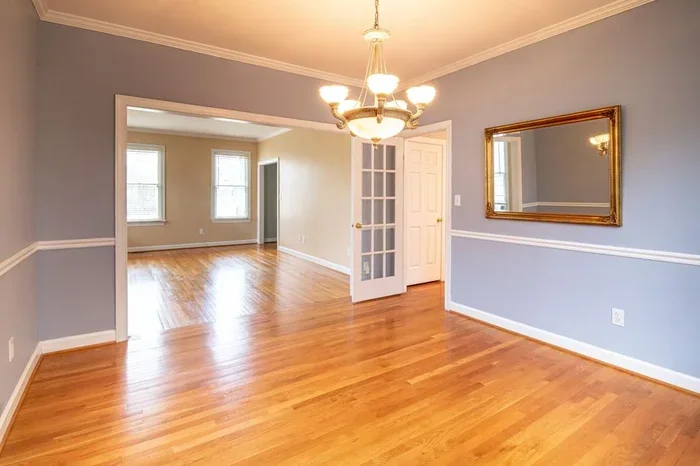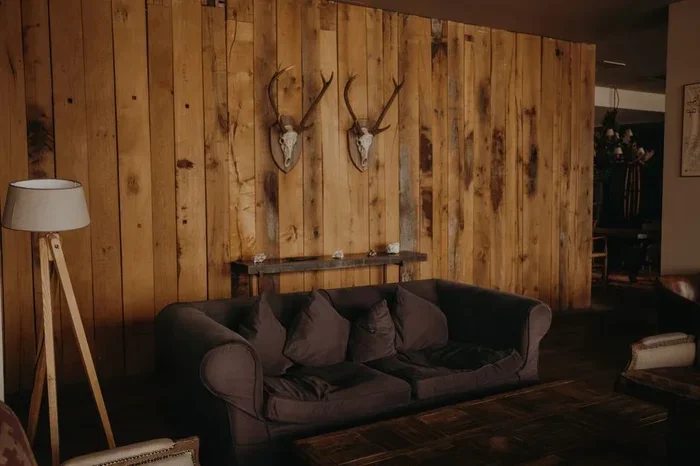
Mixed Wood Living Room Ideas That Will Transform Your Space
A mixed wood living room brings warmth, character, and visual depth by combining different wood tones, textures, and finishes in one space. Whether you prefer light oak paired with walnut or rustic pine alongside sleek birch, this design approach creates a layered and inviting atmosphere. In this guide, you will learn how to choose the right wood combinations, arrange furniture with confidence, and avoid common mistakes that make the look feel cluttered. You will also find practical tips, expert insights, and real examples to help you design a stunning mixed wood living room that reflects your personal style.
A mixed wood living room has a way of making any space feel grounded and welcoming. Unlike rooms that rely on a single wood finish, a mixed wood approach layers different tones, grains, and textures to create a space that feels curated and intentional. It is one of the easiest ways to add warmth and personality to your home without a complete renovation.
The beauty of mixing wood lies in its flexibility. You do not need a massive budget or a designer to pull it off. With a few smart choices and a bit of confidence, you can turn a plain living room into a space that feels rich and full of character. This guide walks you through everything you need to know, from choosing the right wood tones to arranging your furniture like a pro.
Mixed wood living room design is not about following strict rules. It is about creating balance. When you combine different wood types, you add visual layers that draw the eye and make the room feel alive. Light wood brings a fresh and airy feel, while dark wood adds weight and sophistication. Together, they create a dynamic contrast that keeps the space interesting.
The key to success is intention. Every piece of wood furniture you bring in should serve a purpose and complement the overall palette. This does not mean everything has to match perfectly. In fact, the magic happens when pieces look like they belong together even though they are different. That is the essence of a well-designed mixed wood living room.
Key Takeaways
- Mixing wood tones adds warmth and dimension: Combining light and dark wood creates a balanced and visually rich living space.
- Start with a neutral base: A neutral wall color and flooring lets your wood furniture and accents stand out beautifully.
- Use the 60-30-10 rule for wood finishes: Balance dominant, secondary, and accent wood tones throughout the room for harmony.
- Texture matters as much as color: Mixing smooth, glossy, and rough wood surfaces adds depth and visual interest.
- Coordinate with metal and fabric accents: Pairing wood with brass, black metal, or soft textiles ties the room together seamlessly.
- Avoid over-mixing: Stick to three to four wood types maximum to keep the look cohesive rather than chaotic.
- Personalize with accent pieces: Adding curated items like wooden bowls, framed art, and woven baskets completes the look.
📑 Table of Contents
- Why a Mixed Wood Living Room Works So Well
- Choosing the Right Wood Tones for Your Space
- Furniture Arrangement Tips for a Mixed Wood Living Room
- Adding Texture and Accents to Enhance the Look
- Common Mistakes to Avoid When Mixing Wood Tones
- Inspiration and Style Ideas for Every Taste
- Quick Tips for a Stunning Mixed Wood Living Room
- Expert Insights: What Designers Say About Mixing Wood
- Conclusion
Why a Mixed Wood Living Room Works So Well
There is a reason mixed wood furniture has become such a popular trend in interior design. It taps into something deeply human. We are drawn to natural materials, and wood in particular connects us to the outdoors and to a sense of comfort and stability.
When you use a single wood tone throughout a room, the space can feel flat and predictable. Mixing wood tones breaks that monotony. It adds movement and depth. Each piece of furniture or decor item contributes its own story, and together they tell a richer narrative about your style and taste.
A mixed wood living room also ages beautifully. Because you are working with a variety of tones, new pieces can be added over time without disrupting the overall look. A secondhand find or a thrift store treasure fits right in, as long as the wood tone falls somewhere within your chosen palette.
The Psychology of Wood Tones in Home Decor
Studies in environmental psychology show that natural materials like wood reduce stress and increase feelings of well-being. Light wood tones, such as oak and birch, create a sense of openness and calm. Dark wood tones, like walnut and mahogany, convey warmth, elegance, and a feeling of being grounded.
When you combine both in a single room, you get the best of both worlds. The light tones keep the space feeling fresh and breathable, while the dark tones anchor the room and add a sense of substance. This balance is what makes a mixed wood living room so appealing and so comfortable to spend time in.
Choosing the Right Wood Tones for Your Space
Not all wood tones work well together, and that is where many people get stuck. The good news is that there are simple guidelines to follow. The goal is to create a cohesive look that feels intentional, not accidental.
Start by identifying the dominant wood tone in your room. This is usually the largest piece of furniture, like a sofa with a wooden base or a wood coffee table. From there, choose one or two secondary tones that complement the dominant shade. The trick is to keep the undertones consistent. If your primary wood has warm orange hints, lean toward other warm-toned woods like cherry or maple.
Here is a simple breakdown of popular wood tones and how they pair:
- Light woods (oak, birch, pine): Pair well with medium and dark tones. They keep the room feeling bright and open.
- Medium woods (walnut, cherry, teak): Work as a bridge between light and dark pieces. They add warmth without overwhelming the space.
- Dark woods (mahogany, ebony, rosewood): Use as accent pieces or statement furniture. They add drama and sophistication.
Warm vs. Cool Wood Undertones
One of the most important things to understand about mixing wood is the concept of undertones. Warm-toned woods have hints of red, orange, or yellow. Cool-toned woods lean toward gray, blue, or green. Mixing warm and cool woods can work, but you need to be intentional about it.
A safe approach is to stick with woods that share the same undertone family. If most of your pieces have warm undertones, add a cool-toned piece sparingly as an accent. This keeps the room feeling unified while still offering that layered, mixed look you are going for.
Furniture Arrangement Tips for a Mixed Wood Living Room
Once you have your wood tones selected, the next step is arranging your furniture. How you place your pieces has a big impact on how the room feels. A well-arranged room makes the wood tones shine and the space feel cohesive.
When you are placing furniture in a mixed wood living room, think about grouping pieces by function and by wood tone. For example, place your light wood coffee table near a dark wood sideboard to create a natural conversation point. This kind of arrangement gives the eye a place to rest and creates a sense of order within the mix.
Here are some practical tips to keep in mind:
- Anchor the room with a large piece that sets the tone, such as a wood coffee table or a wooden media console.
- Distribute wood tones evenly throughout the room rather than clustering them in one area.
- Use negative space to let each piece breathe. Overcrowding makes any room feel chaotic.
- Consider the flow of traffic. Make sure there is enough space to move comfortably between furniture pieces.
Creating Focal Points with Wood Accents
Every room needs a focal point, and in a mixed wood living room, that focal point can be a stunning piece of wood furniture or a feature wall. A wooden fireplace surround, a built-in bookshelf, or a carved wooden panel can serve as the centerpiece that ties everything together.
When choosing your focal point, pick the piece that has the most interesting grain or the richest color. Let that piece do the talking, and keep the surrounding furniture simpler. This creates a natural hierarchy in the room and prevents the mix from feeling overwhelming.
Adding Texture and Accents to Enhance the Look
Wood is the star of the show in a mixed wood living room, but it does not have to carry the entire room on its own. Adding texture through fabrics, metals, and other materials elevates the design and makes it feel complete.
Think about layering different textures around your wood pieces. A chunky knit throw on a wooden sofa adds softness and warmth. A brass lamp sitting on a walnut side table introduces a metallic contrast that highlights the wood grain. These small details make a big difference in how polished the room looks.
Here are some accent ideas that pair beautifully with mixed wood:
- Brass or gold metal accents: Add a warm glow that complements wood tones perfectly.
- Black metal fixtures: Create a modern contrast that makes wood pieces pop.
- Woven baskets and rattan: Bring in natural texture that echoes the wood theme.
- Soft textiles like linen and cotton: Soften the look and make the room feel inviting.
- Ceramic vases and pottery: Add an earthy touch that pairs well with natural wood.
For inspiration on selecting the right accent pieces, check out our guide on accent pieces for living room. These curated items can help you pull together a cohesive look that highlights your wood furniture beautifully.
Common Mistakes to Avoid When Mixing Wood Tones
Mixing wood tones is an art, and like any art, there are pitfalls to watch out for. Avoiding these common mistakes will save you time, money, and frustration.
The biggest mistake people make is using too many wood types without a unifying element. If every piece of furniture is a different wood with a different finish, the room starts to feel disjointed. The goal is harmony, not chaos. Stick to three or four wood types at most, and make sure they share at least one common undertone.
Another mistake is ignoring the scale of the room. A small living room does not need a massive dark wood entertainment center. It will swallow the space and make it feel cramped. Choose furniture that fits the room size, and use lighter wood tones to keep things feeling open.
Here are a few more mistakes to watch out for:
- Matching too perfectly: Trying to make all wood tones identical removes the charm of mixing. Embrace the differences.
- Neglecting the floor: Your flooring is a large wood surface. Make sure it coordinates with your furniture tones.
- Forgetting about finish: Matte, glossy, and rustic finishes all affect how wood looks in a room. Mix finishes thoughtfully.
How to Fix a Room That Feels Too Busy
If your mixed wood living room already feels a bit overwhelming, do not panic. There are simple fixes. Add more neutral elements like white or beige cushions and curtains. These calm the visual noise and give the eye a place to rest. You can also consolidate by removing one or two wood pieces and replacing them with non-wood alternatives like upholstered furniture or metal accents.
Sometimes the fix is as simple as adding a unifying element. A large area rug that spans the main furniture group ties everything together visually. A consistent paint color on the walls also helps ground the room and let the wood tones take center stage.
Inspiration and Style Ideas for Every Taste
One of the best things about a mixed wood living room is that it works with virtually every design style. Whether you lean modern, rustic, Scandinavian, or mid-century, you can incorporate mixed wood tones into your space.
For a modern look, pair light oak with black metal and clean-lined furniture. Keep the palette minimal and let the wood grain speak for itself. For a rustic vibe, mix reclaimed wood with rough-hewn textures and warm earth tones. A Scandinavian approach uses light birch and pine with plenty of white space and soft textiles.
If you love the mid-century modern aesthetic, look for walnut pieces with tapered legs and pair them with lighter wood side tables. The contrast between the dark walnut and the lighter wood creates that signature mid-century look that is so timeless and appealing.
For more design inspiration, explore our collection of aesthetic living room ideas to see how mixed wood tones can be styled in different ways.
Seasonal Updates with Mixed Wood
A mixed wood living room is easy to update seasonally. In spring and summer, swap out heavy wood accessories for lighter pieces and add fresh greenery. In fall and winter, layer in darker wood accents, warm throws, and candlelight to create a cozy atmosphere. The beauty of mixed wood is that it adapts to any season without a complete redesign.
Consider adding a small wooden tray with seasonal decor, switching out cushion covers, or rotating your wall art. These small changes keep the room feeling fresh while maintaining the core mixed wood foundation you have built.
Quick Tips for a Stunning Mixed Wood Living Room
Here are some fast and easy tips to keep in mind as you design your space:
- Start with a plan. Decide on your dominant, secondary, and accent wood tones before buying anything.
- Bring swatches or photos of your wood pieces when shopping for new furniture.
- Use a wood finish guide to understand how different stains and varnishes affect the look.
- Add mirrors to reflect light and make the room feel larger and brighter.
- Do not be afraid to experiment. Move pieces around until the arrangement feels right.
- Trust your instincts. If a combination feels good to you, it probably is.
Expert Insights: What Designers Say About Mixing Wood
Interior designers agree that mixing wood tones is one of the most effective ways to add depth to a living room. The key, they say, is balance. Professional designers often use the 60-30-10 rule when working with wood tones. Sixty percent of the wood in the room should be one dominant tone, thirty percent a secondary tone, and ten percent an accent tone.
Designers also emphasize the importance of texture. A smooth, polished wood surface next to a rough, natural one creates a tactile contrast that makes the room feel more dynamic and interesting. This is especially effective in a mixed wood living room where the variety of surfaces keeps the eye engaged.
One expert tip is to look at wood grain patterns when selecting pieces. Pieces with similar grain patterns tend to look more cohesive, even when the wood tones are different. This subtle detail can make the difference between a room that looks thrown together and one that looks deliberately styled.
Finally, designers recommend stepping back and viewing the room from the doorway before committing to a layout. This gives you a holistic view of how the wood tones interact and whether the balance feels right. Small adjustments can make a big difference.
Conclusion
A mixed wood living room is more than a design trend. It is a timeless approach to creating warm, inviting, and visually rich spaces in your home. By understanding how to choose complementary wood tones, arrange furniture thoughtfully, and add the right accents, you can design a room that feels both stylish and comfortable.
Remember to keep your palette intentional, balance your tones, and avoid the common mistakes that can make a mixed wood room feel cluttered. With the tips and insights in this guide, you have everything you need to create a stunning space that reflects your personal style and stands the test of time.
Start small if you need to. Add a wooden side table here, a woven basket there, and let the room evolve naturally. The best mixed wood living rooms are the ones that feel personal and lived-in. So trust your eye, have fun with the process, and enjoy the transformation.
Frequently Asked Questions
What are the best wood tones to mix in a living room?
The best combinations include light oak with dark walnut, birch with cherry, or maple with mahogany. The key is to keep the undertones consistent. Warm woods pair well with other warm woods, and cool woods work best with other cool woods. This creates a harmonious look that feels intentional rather than random.
How many different wood types should I use in a living room?
Stick to three to four wood types maximum. Using too many different woods can make the room feel cluttered and chaotic. Choose a dominant tone, a secondary tone, and one or two accent tones. This keeps the mix balanced and visually appealing.
Can I mix light and dark wood in the same room?
Absolutely. Mixing light and dark wood is one of the most effective ways to add depth and contrast to a living room. The key is to balance them evenly throughout the space and use a unifying element like a consistent wall color or flooring to tie everything together.
What finishes work best when mixing wood tones?
Matte and satin finishes tend to blend more naturally than high-gloss finishes. You can mix matte and satin, but try to avoid combining high-gloss with matte pieces as the contrast can feel jarring. A consistent finish level helps create a more cohesive look.
How do I make my mixed wood living room feel cohesive?
Use a unifying element such as a consistent wall color, a matching area rug, or a shared undertone across all wood pieces. Adding metal accents in a consistent finish like brass or black also helps tie the room together and create a sense of order within the mix.
Is a mixed wood living room suitable for small spaces?
Yes, it can work beautifully in small spaces. Use lighter wood tones to keep the room feeling open and airy. Avoid bulky furniture and choose pieces with exposed legs to create a sense of lightness. A well-designed mixed wood setup in a small room can make the space feel warm and inviting without feeling cramped.