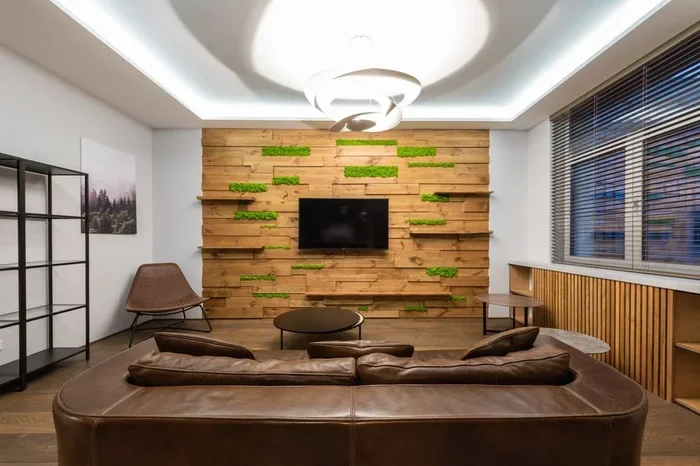
Modern Living Room Paint Ideas That Will Transform Your Home
Modern living room paint ideas can completely change the feel of your home. Whether you prefer soft neutrals or bold accent walls, the right color will refresh your space instantly. These ideas cover trending palettes, practical tips, and creative techniques that make painting fun and simple. You will learn how to pick the perfect shade, pair colors like a pro, and avoid common mistakes.
Your living room is the heart of your home. It is where you relax, entertain guests, and spend quality time with family. One of the easiest and most affordable ways to refresh this space is through paint. In this guide, we share modern living room paint ideas that will truly transform your home. You do not need to be a designer or spend a fortune to get stunning results.
Painting a living room can feel overwhelming. There are so many colors, finishes, and techniques to choose from. That is exactly why we put this guide together. We will walk you through every step, from picking the right shade to applying it like a pro. By the end, you will feel confident and excited to pick up a paintbrush.
Key Takeaways
- Neutral tones are timeless: Soft whites, warm beiges, and greige create a calm, elegant backdrop for any modern living room.
- Bold accent walls add drama: A single painted wall in deep navy or earthy terracotta can become the focal point of your room.
- Two-tone and multi-color schemes are trending: Pairing light walls with a darker ceiling or trim adds depth and visual interest.
- Matte and satin finishes matter: Choosing the right paint finish affects both the look and durability of your walls.
- Test before you commit: Always paint a sample patch and live with it for a few days before covering entire walls.
- Combine paint with decor wisely: Your wall color should complement your furniture, rugs, and aesthetic living room ideas for a cohesive feel.
- Refresh without replacing furniture: A new coat of paint is the most affordable way to give your living room a full makeover.
📑 Table of Contents
- Why Paint Is the Best Way to Transform Your Living Room
- Trending Paint Colors for Modern Living Rooms
- How to Choose the Perfect Paint for Your Living Room
- Creative Paint Techniques for a Unique Look
- Common Mistakes to Avoid When Painting Your Living Room
- Pairing Paint Colors with Your Living Room Decor
- How to Make a Small Living Room Feel Bigger with Paint
- Final Thoughts on Modern Living Room Paint Ideas
Why Paint Is the Best Way to Transform Your Living Room
Paint is a game changer for any room. It costs a fraction of what new furniture or renovations would. A fresh coat of paint can make a small room feel larger, a dark room feel brighter, and a boring room feel brand new. The best part? You can change your entire living room vibe in just one weekend.
Modern living room paint ideas focus on creating mood and atmosphere. Colors affect how we feel in a space. Cool blues and greens promote calm. Warm terracottas and ochres add coziness. Soft neutrals create a clean, airy feel. When you choose the right color, you are not just painting a wall. You are designing how your room feels every single day.
If you are also thinking about updating your furniture, check out these tips on how to choose furniture for a living room. Pairing the right paint with the right furniture makes all the difference.
Trending Paint Colors for Modern Living Rooms
Soft Neutrals That Never Go Out of Style
Neutral colors remain the most popular choice for living rooms. They work with any decor style and make a space feel open and peaceful. Here are some top neutral shades to consider:
- Warm White: A creamy white like “Alabaster” or “Off-White” adds warmth without feeling stark. It pairs beautifully with wood furniture and green plants.
- Greige: This mix of gray and beige is incredibly versatile. It works in both bright and dim rooms and complements most furniture styles.
- Soft Beige: A warm beige creates a cozy, inviting atmosphere. It is perfect for living rooms that get plenty of natural light.
- Light Gray: A cool gray adds a modern edge while keeping the room feeling calm and balanced.
Neutrals are perfect if you like to change your decor often. They act as a blank canvas for cushions, rugs, art, and aesthetic living room decor. You can completely shift the mood of a neutral room just by swapping out accessories.
Bold and Deep Colors for a Statement Look
Not everyone wants a soft, neutral room. If you love making a statement, bold wall colors are your best friend. Deep, rich tones add personality and make a living room feel luxurious and dramatic.
- Deep Navy Blue: A navy accent wall creates a sophisticated, moody atmosphere. It pairs wonderfully with brass fixtures and warm wood tones.
- Earthy Terracotta: This warm, clay-like shade brings a natural, grounded feel. It is perfect for bohemian or Mediterranean-inspired living rooms.
- Forest Green: Dark green walls make a room feel lush and serene. It works especially well in rooms with plenty of plants or vintage furniture.
- Charcoal or Graphite: A dark charcoal wall adds a modern, urban edge. It looks stunning paired with white trim and bright lighting.
Bold colors work best on a single accent wall. This keeps the room balanced while still making a strong visual impact. If you are unsure, start with a small room or an area that gets less natural light.
How to Choose the Perfect Paint for Your Living Room
Understanding Color Temperature
Colors have a temperature, and it matters more than you might think. Warm colors like red, orange, and yellow make a room feel cozy and intimate. Cool colors like blue, green, and purple create a calm and airy feeling. Neutral colors can lean either warm or cool, so always check the undertone before buying paint.
When choosing a modern living room paint idea, think about the natural light in your room. North-facing rooms get cool, blue light and benefit from warm paint tones. South-facing rooms get warm, golden light and can handle cooler shades. East-facing rooms shine bright in the morning, while west-facing rooms glow in the evening.
Choosing the Right Finish
The paint finish you choose affects both the look and the durability of your walls. Here is a quick breakdown of the most common finishes:
- Matte: A flat, non-reflective finish that hides wall imperfections. It is great for low-traffic walls but harder to clean.
- Eggshell: A subtle shine that is easy to wipe clean. It is a popular choice for living room walls.
- Satin: A smooth, soft glow that adds elegance. Satin works well on trim and doors as well.
- Semi-Gloss: A shiny finish that is very durable and easy to clean. It is ideal for kitchens and bathrooms but can also be used on accent walls.
For most modern living rooms, eggshell or satin finishes work best on walls. They offer a gentle sheen without being too shiny. If you want a more dramatic look, try a matte finish on an accent wall for a soft, velvety appearance.
Creative Paint Techniques for a Unique Look
Two-Tone Wall Designs
Two-tone walls are one of the most popular modern living room paint ideas right now. This technique involves painting the lower half of the wall one color and the upper half another. It adds depth and dimension without overwhelming the room.
A popular approach is to use a darker shade on the bottom third of the wall and a lighter shade on top. This creates a grounded, anchored feel. You can use a chair rail or a simple horizontal line as your dividing point. Another option is to paint the bottom half in a bold color and the top half in white or a soft neutral.
Two-tone walls pair beautifully with built-in shelves and open shelving styling. The contrast between wall colors and the shelves creates a curated, layered look that feels intentional and polished.
Color Blocking and Geometric Patterns
Color blocking uses shapes of different colors on a single wall. You can create rectangles, hexagons, or even freeform shapes for a bold, artistic effect. This technique works especially well in modern and minimalist living rooms.
Geometric patterns add visual interest without feeling busy. Start by taping off clean lines with painter’s tape. Paint each section a different shade from the same color family. The result looks professional and eye-catching. This is also a great way to incorporate your favorite color palette without committing to an all-over wall color.
Ombre and Gradient Effects
An ombre wall fades from one color to another, creating a soft, dreamy gradient. This technique is stunning in living rooms with good lighting. You can fade from light to dark or blend two complementary colors for a unique effect.
Ombre walls work best with three shades of the same color. Start with the lightest shade at the top and gradually move to the darkest at the bottom. Use a large brush or a roller and blend the colors while they are still wet. Practice on a small section first until you get the hang of the technique.
Common Mistakes to Avoid When Painting Your Living Room
Even the best modern living room paint ideas can go wrong if you skip important steps. Here are some common mistakes to watch out for:
- Skipping primer: Primer helps paint adhere better and look more even. Always use primer, especially on new drywall or dark walls you are painting over.
- Not testing the color: Paint a small patch on your wall and live with it for two or three days. Colors look different in different lighting, and you want to be sure before committing.
- Choosing the wrong finish: A matte finish in a high-traffic area will scuff easily. Match the finish to the room’s use and your lifestyle.
- Ignoring the ceiling and trim: The ceiling and trim are part of your room’s overall design. A white ceiling can make a room feel taller, while painted trim adds a modern, cohesive touch.
- Buying too little paint: Always measure your walls and buy a little extra. Running out mid-project and trying to match a new batch is frustrating and sometimes impossible.
Taking the time to avoid these mistakes will save you effort, money, and disappointment. A little preparation goes a long way toward a beautiful, long-lasting finish.
Pairing Paint Colors with Your Living Room Decor
Paint does not exist in a vacuum. The color you choose should work with your furniture, flooring, curtains, and accessories. Here are a few tips for creating a cohesive look:
- Start with your largest piece of furniture: A sofa or area rug often dictates the room’s color story. Choose a wall color that complements these pieces rather than competing with them.
- Use the 60-30-10 rule: 60 percent of the room should be your dominant color (usually walls), 30 percent a secondary color (furniture or curtains), and 10 percent an accent color (cushions, art, or decor).
- Consider your flooring: Dark wood floors pair well with lighter wall colors. Light floors can handle darker or bolder wall tones.
- Bring in texture: Paint is just one element. Add depth with textured fabrics, woven rugs, and natural materials like wood and stone.
For more inspiration on combining paint with accessories and decorative pieces, explore these accent pieces for living room ideas that pair beautifully with fresh wall colors.
How to Make a Small Living Room Feel Bigger with Paint
Small living rooms can feel cramped, but the right paint strategy can make them feel open and airy. Here are some proven techniques:
- Use light colors on all walls: White, soft gray, or pale pastels reflect light and make walls seem to recede.
- Paint the ceiling a lighter shade: This draws the eye upward and creates the illusion of more height.
- Match the wall color to the trim: When walls and trim are the same color, the room’s edges disappear and the space feels more open.
- Avoid dark accent walls in small rooms: Dark colors absorb light and can make a small room feel even smaller.
If you live in a compact space, these paint tricks can make a real difference. Combined with smart furniture choices, a thoughtful paint color can completely change how your small living room feels and functions.
Final Thoughts on Modern Living Room Paint Ideas
Modern living room paint ideas give you the power to transform your home without a major renovation. Whether you choose a calming neutral, a bold accent color, or a creative two-tone design, the right paint will refresh your space and lift your mood. The key is to choose colors that reflect your personal style and work with your room’s natural light and existing furniture.
Start small if you feel unsure. Paint one accent wall first. Try a sample pot on a hidden section. Once you see the results, you will feel inspired to go bolder. The beauty of paint is that it is always changeable. Your living room can evolve with your tastes and seasons, and that is what makes it truly your own.
Grab some paint samples, gather your supplies, and enjoy the process. Your dream living room is just a few brushstrokes away.
Frequently Asked Questions
What are the most popular modern living room paint colors?
Soft whites, warm beiges, greige, and light grays are the most popular choices. These neutral tones work with any decor style and create a calm, elegant atmosphere. Bold shades like deep navy and terracotta are also trending for accent walls.
How do I pick the right paint finish for my living room?
Eggshell and satin finishes are the best choices for most living rooms. They offer a subtle shine, are easy to clean, and look smooth on walls. Use matte finish for a velvety look on accent walls, and semi-gloss for trim and doors.
Can I paint just one wall in my living room?
Absolutely. Painting a single accent wall is one of the easiest and most effective modern living room paint ideas. It adds color and drama without overwhelming the space. Choose a bold shade and keep the other walls neutral for a balanced look.
How many coats of paint do I need for a living room?
Most living rooms need two coats of paint for even, solid coverage. If you are painting over a dark color or new drywall, you may need a coat of primer plus two coats of paint. Always check the paint can for specific guidance.
What is the 60-30-10 color rule for living rooms?
The 60-30-10 rule is a design guideline for color balance. 60 percent of the room should be your dominant color (walls), 30 percent a secondary color (furniture or curtains), and 10 percent an accent color (pillows, art, or decor). This creates a harmonious and visually pleasing space.
How can I make my living room feel more modern with paint?
Use a fresh, clean color palette with soft neutrals or trending bold shades. Try two-tone walls, a matte finish, or a statement accent wall. Pair your paint with modern furniture and minimal decor for a cohesive, contemporary look.