Your Guide to a Beautiful British Colonial Living Room
A British colonial living room blends elegance with warmth, drawing from centuries of heritage design. This style uses natural materials, rich wood tones, and vintage colonial furniture to create a space that feels both inviting and refined. You will learn how to choose the right pieces, colors, and accessories to bring this timeless look to life. Whether you are starting fresh or refreshing a current room, this guide has everything you need. Let us dive into the world of British colonial interior design together.
A British colonial living room carries a sense of history, warmth, and refined taste. It draws from the era when the British Empire spread across the globe, blending European elegance with tropical influences. The result is a style that feels both classic and inviting.
If you have ever walked into a room with rich wood tones, vintage furniture, and a sense of quiet luxury, you may have already felt the charm of this design. Colonial interior design is more than just a look. It is a story of culture, travel, and craftsmanship. In this guide, we will walk you through everything you need to know to create a stunning British colonial living room in your own home.
Whether you are a design enthusiast or simply looking for fresh living room ideas, this guide will give you practical steps and inspiration. We will cover the key elements, color schemes, furniture choices, and common mistakes to avoid. By the end, you will feel confident enough to start designing your own colonial retreat.
Key Takeaways
- British colonial style combines elegance, comfort, and heritage design elements from the British Empire era.
- Natural materials like teak wood, rattan, and mahogany are essential for an authentic colonial look.
- Warm earth tones and vintage textiles create the perfect color palette for a colonial living room.
- Plantation shutters and large windows are signature architectural features of colonial homes.
- Mixing classic and tropical decor gives your space a unique and timeless charm.
- Avoid clutter — colonial design favors clean lines and curated, meaningful pieces.
- Start small with a few key furniture pieces and build your colonial aesthetic over time.
📑 Table of Contents
What Is a British Colonial Living Room?
The British colonial living room style comes from the homes built during the British Empire era. British settlers brought their design tastes to countries like India, Malaysia, the Caribbean, and parts of Africa. Over time, these European styles mixed with local traditions and materials. The result was a unique and beautiful aesthetic that we now call colonial design.
This style is known for its balance. It is not too ornate, but it is never plain. It combines the formality of British design with the relaxed warmth of tropical living. Think of large windows that let in plenty of light, wooden furniture with clean lines, and textiles that add texture and color.
One of the best things about British colonial decor is its versatility. It works in modern apartments and traditional homes alike. You do not need a heritage property to pull off this look. With the right choices, any living room can feel like it belongs to a bygone era of elegance and adventure.
The History Behind the Style
The roots of colonial design go back to the 17th and 18th centuries. British traders and settlers moved to warmer climates. They needed homes that could handle the heat and humidity. So they adapted their design preferences to suit the environment. This led to the creation of colonial architecture with high ceilings, wide verandas, and large windows for cross-ventilation.
Inside these homes, furniture was often made from local woods like teak and mahogany. These materials were durable and beautiful. They could withstand the tropical climate. Over time, these design choices became a signature of the colonial style. Today, people around the world love this look for its timeless appeal and connection to history.
Key Elements of British Colonial Interior Design
Every great British colonial living room has a few signature elements. These are the details that make the style instantly recognizable. Let us break them down so you can start incorporating them into your own space.
Furniture and Materials
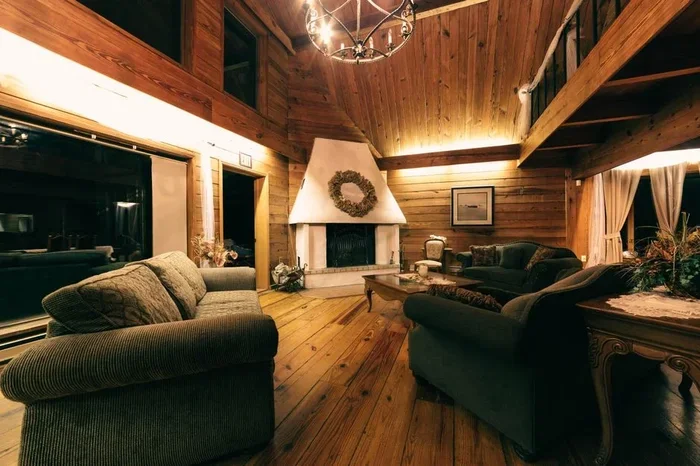
Furniture is the heart of any colonial living room. Teak wood furniture is a staple of this style. It is strong, naturally resistant to moisture, and develops a beautiful patina over time. Mahogany furniture is another popular choice. It has a rich, deep color that adds warmth and sophistication to any room.
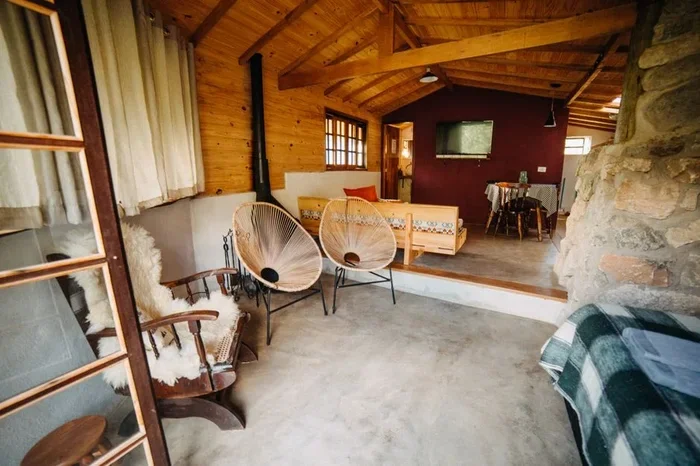
Rattan and cane furniture also play a big role. These natural materials bring a tropical feel that is central to the colonial aesthetic. You will often find rattan chairs, woven baskets, and cane room dividers in a well-designed colonial space.
Look for pieces with simple, clean lines. Colonial furniture avoids excessive ornamentation. Instead, it focuses on quality craftsmanship and natural beauty. A solid teak coffee table or a mahogany sideboard can serve as the anchor of your room.
Color Palette and Textiles
The British colonial color palette is warm, earthy, and inviting. Think of sandy beiges, warm browns, soft creams, and deep greens. These colors reflect the natural surroundings of tropical regions. They also create a calming and grounded feel in your living room.
Textiles add depth and personality to a colonial space. Look for vintage cushions, woven throws, and curtains made from natural fabrics like cotton and linen. Tropical decor elements like botanical prints or palm leaf patterns can add a lovely touch. These details tie the room together and reinforce the colonial theme.
Textured rugs made from jute or sisal are another excellent choice. They add warmth underfoot and complement the natural materials used in colonial furniture. Stick to a few key colors and let the textures do the talking.
How to Create a British Colonial Living Room
Now that you understand the key elements, let us talk about how to actually build your British colonial living room. The process is simpler than you might think. You do not need to overhaul your entire home. Small, thoughtful changes can make a big difference.
Start with the Foundation
Begin by looking at the bones of your room. Colonial architecture features high ceilings, large windows, and open floor plans. If your room has these features, you are already on the right track. If not, you can still work with what you have.
Make sure your room has good natural light. Colonial design thrives on light and air. Use sheer curtains or leave windows uncovered to let the sunshine in. If your ceilings are low, consider using lighter colors on the walls to create the illusion of height.
Hardwood floors are ideal for a colonial living room. If you have them, keep them clean and polished. If your floors are carpeted, consider adding a jute or sisal rug to bring in that natural, earthy feel.
Add Colonial Furniture Pieces
Next, focus on your furniture. You do not need to buy everything at once. Start with a few key pieces and build from there. A sturdy teak or mahogany sofa is a great centerpiece. Pair it with a wooden coffee table and a couple of rattan accent chairs.
Look for vintage colonial furniture at antique shops or online marketplaces. Authentic pieces carry character and history. They also tend to be better made than mass-produced furniture. Even if you cannot find true antiques, look for pieces that mimic the colonial style with clean lines and natural wood finishes.
Storage is important in colonial design. A wooden sideboard or a built-in bookshelf adds both function and style. These pieces should feel solid and purposeful, not flashy or trendy.
Layer in Textiles and Accessories
Accessories bring your colonial living room to life. Start with textiles. Add cushions in warm, earthy tones. Drape a woven throw over your sofa. Hang curtains that filter light beautifully.
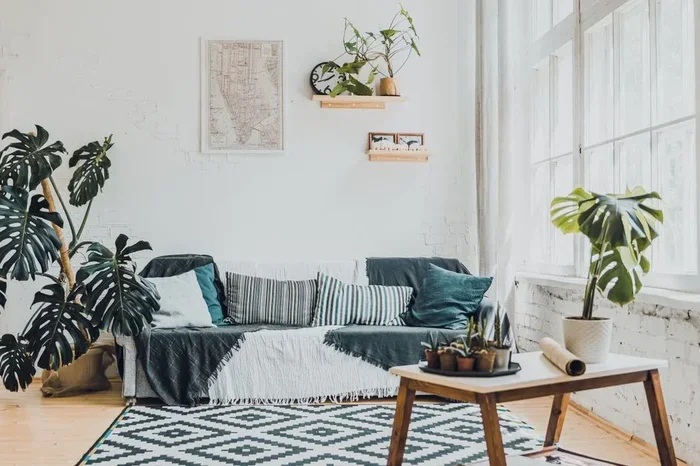
On the walls, consider displaying vintage maps, botanical prints, or framed photographs from colonial-era travels. These items add personality and tell a story. You can also group a collection of old books on a wooden shelf for a classic look.
Lighting matters too. Choose lamps with wooden or brass bases. A rattan pendant light or a table lamp with a linen shade can add warmth. Avoid harsh overhead lighting. Instead, create layers of light with floor lamps, table lamps, and candles.
Add Plants and Natural Touches
No British colonial living room is complete without plants. Greenery brings life and freshness to the space. Large potted plants like ferns, palms, or rubber plants work wonderfully. They also nod to the tropical roots of the colonial style.
Use natural materials wherever possible. Woven baskets for storage, wooden trays for displaying items, and stone or ceramic vases all add to the authentic feel. These small touches make a big difference in how the room feels overall.
British Colonial Living Room Color Schemes
Choosing the right colors is one of the most important steps in designing a British colonial living room. The right palette sets the mood and ties everything together. Here are some tried-and-true color combinations that work beautifully.
Warm Earth Tones: This is the most classic colonial palette. Think of warm browns, sandy beiges, soft creams, and terracotta. These colors create a cozy and grounded feel. They work well with wooden furniture and natural textiles.
Forest Green and Cream: Deep greens paired with cream or white give a lush, tropical feel. This combination works especially well in rooms with plenty of natural light. Add some rattan or cane furniture to complete the look.
Navy and White: For a more formal colonial feel, try navy blue and white. This combination is clean and timeless. Use navy on upholstery and white on walls and accessories. Add some brass or gold accents for a touch of elegance.
Muted Pastels: Soft pinks, dusty blues, and pale yellows can also work in a colonial living room. These colors add a gentle, romantic touch. They pair well with white or cream walls and light wood furniture.
No matter which palette you choose, keep it consistent. Stick to three or four main colors. Let the natural wood tones of your furniture serve as a unifying element throughout the room.
Common Mistakes to Avoid
Designing a British colonial living room is fun, but there are some pitfalls to watch out for. Avoiding these common mistakes will help you create a space that looks authentic and polished.
Overcrowding the room: Colonial design favors simplicity and breathing room. Do not fill every corner with furniture or accessories. Leave open spaces so the room feels calm and uncluttered. Less is often more in this style.
Using too many bright colors: While colonial design does use color, it tends to be warm and muted. Avoid neon or overly saturated hues. Stick to the earthy, natural palette that defines the style.
Ignoring the materials: One of the biggest mistakes is using synthetic materials that look cheap. Colonial design relies on natural materials like wood, rattan, cotton, and linen. If you use faux versions, try to choose ones that look as natural as possible.
Skipping the details: The magic of a colonial living room is in the details. It is the woven basket on the side table, the vintage map on the wall, the brass lamp in the corner. Do not overlook these small but important touches.
Forgetting about comfort: Colonial design is elegant, but it should also be comfortable. Choose seating that invites you to relax. Add plenty of cushions and throws. A beautiful room that is not comfortable will not feel like a true home.
Expert Tips for an Authentic Look
Want to take your British colonial living room to the next level? Here are some expert tips that make a real difference.
Mix old and new: You do not need everything to be vintage. Pair a modern sofa with a colonial-era sideboard. This blend of old and new keeps the room feeling fresh while staying true to the style.
Focus on craftsmanship: Colonial furniture is valued for its quality. Look for pieces with dovetail joints, solid wood construction, and hand-carved details. These signs of craftsmanship add authenticity and value.
Use wallpaper wisely: Floral or botanical wallpaper can add a beautiful colonial touch. Use it on one accent wall rather than the entire room. This keeps the pattern from overwhelming the space.
Add a statement piece: Every great colonial room has one standout piece. It could be a large wooden armoire, a vintage grandfather clock, or an ornate mirror. Let this piece anchor the room and build the rest of the design around it.
Pay attention to scent: This is a tip many people overlook. Colonial homes often featured natural fragrances like incense, potpourri, or fresh flowers. A subtle scent can make your living room feel even more authentic and welcoming.
Quick Tips for Success
- Start with one or two key furniture pieces and build outward.
- Choose natural materials over synthetic ones whenever possible.
- Stick to a warm, earthy color palette with no more than four main colors.
- Add plants to bring life and a tropical feel to the room.
- Use layered lighting to create a warm and inviting atmosphere.
- Display vintage or travel-inspired accessories to add character.
- Keep the space uncluttered and let each piece breathe.
Bringing It All Together
Designing a British colonial living room is a rewarding journey. It is about more than just placing furniture in a room. It is about creating a space that tells a story, feels warm, and welcomes everyone who walks in.
Start with the basics. Choose natural materials, warm colors, and quality furniture. Add textiles, plants, and accessories that reflect the colonial aesthetic. Take your time and let the room evolve. The best colonial living rooms are not designed in a day. They are curated over time with care and intention.
Remember, there is no single “right” way to do this. Your colonial living room should reflect your personal taste and your home. Use this guide as a foundation, but feel free to make it your own. The most beautiful rooms are the ones that feel real and lived in.
Now that you have all the tools and knowledge you need, it is time to start. Pick one corner of your living room and begin. Add a piece of heritage furniture, throw in a woven throw, or hang a botanical print. Small steps lead to big transformations. Your dream British colonial living room is closer than you think.
Frequently Asked Questions
What makes a British colonial living room different from other styles?
A British colonial living room blends European elegance with tropical influences. It uses natural materials like teak, mahogany, and rattan. The style also features warm earth tones, large windows, and vintage accessories that tell a story of travel and heritage.
Can I create a British colonial living room on a budget?
Yes, you absolutely can. Start with a few key pieces like a wooden coffee table or a rattan chair. Look for vintage finds at thrift stores or online marketplaces. Even small touches like botanical cushions or a woven rug can transform your space without breaking the bank.
What colors work best for a British colonial living room?
Warm earth tones like sandy beige, terracotta, and soft cream are the most classic choices. Deep greens, navy blue, and muted pastels also work well. Stick to a palette of three or four colors and let the natural wood tones of your furniture tie everything together.
Do I need a large living room for a colonial design?
Not at all. Colonial design works in rooms of all sizes. In smaller spaces, focus on clean lines and light colors to create an open feel. In larger rooms, you can add more furniture pieces and accessories. The key is balance and simplicity, not square footage.
Where can I find authentic colonial furniture pieces?
Antique shops, estate sales, and online marketplaces like Etsy or eBay are great places to find authentic pieces. If you prefer new furniture, look for brands that specialize in heritage or colonial-style designs. Even modern pieces with clean lines and natural wood finishes can capture the colonial spirit.
How do I make my colonial living room feel more authentic?
Focus on natural materials, vintage accessories, and a warm color palette. Add plants, display travel-inspired items, and use layered lighting. Small details like woven baskets, botanical prints, and brass lamps add the finishing touches that make a colonial room feel truly authentic.
=== CONCLUSION ===
A British colonial living room is more than just a design trend. It is a celebration of history, craftsmanship, and timeless elegance. From the rich wood tones of teak and mahogany furniture to the warm, earthy color palette, every element works together to create a space that feels both grand and welcoming.
By focusing on natural materials, thoughtful accessories, and a balanced color scheme, you can bring this classic style into your own home. Remember to start small, choose quality over quantity, and let your personality shine through. The beauty of colonial interior design lies in its ability to feel both vintage and fresh at the same time.
Now is the perfect time to start designing your own British colonial living room. Use the tips and ideas from this guide as your foundation. Experiment with different pieces and combinations until your space feels just right. Your dream colonial living room is waiting to come to life.