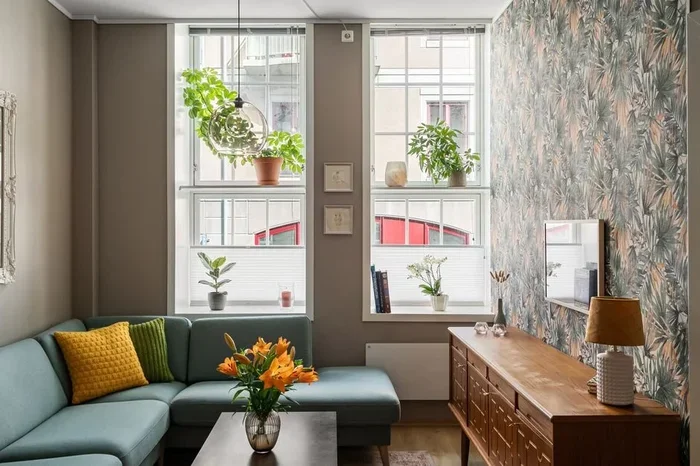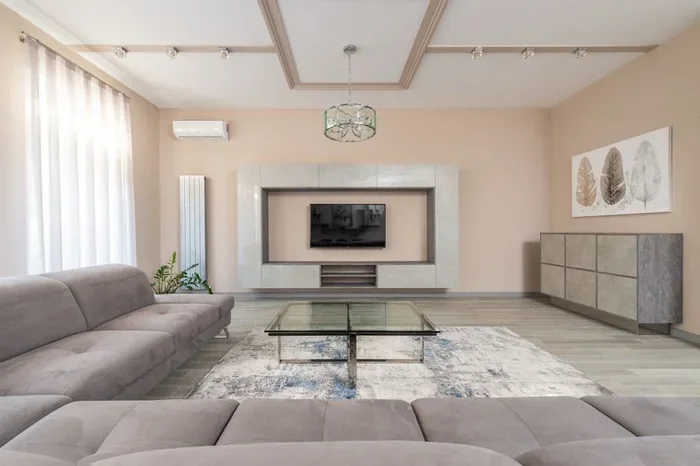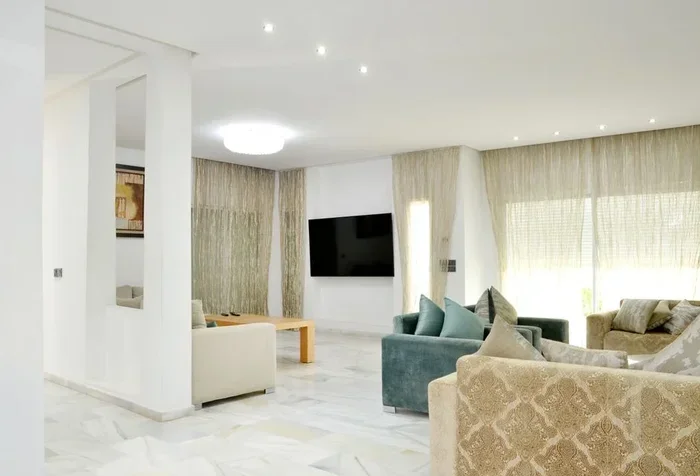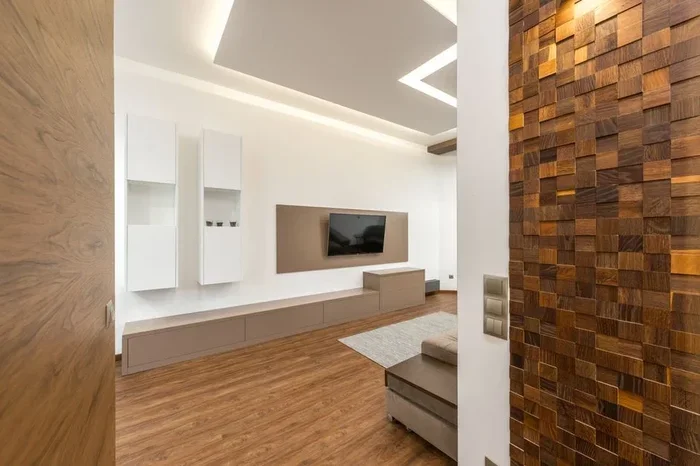
Living Room White and Wood Interior Design Inspiration
The living room white and wood interior design trend combines crisp white walls with warm natural wood tones to create a space that feels both fresh and cozy. This style draws from Scandinavian and modern farmhouse aesthetics, making it one of the most popular choices for homeowners looking to refresh their space. You will learn how to choose the right wood finishes, pair them with white furniture, and add accents that tie the room together beautifully.
There is something truly special about a living room white and wood interior design. It feels clean, warm, and inviting all at once. Whether you are starting from scratch or simply refreshing your current space, this design approach offers endless possibilities. The combination of white walls and natural wood creates a backdrop that works with almost any style. You can go minimalist, cozy, or even eclectic — the foundation always works.
In this guide, we will walk you through everything you need to know about designing a stunning white and wood living room. We will cover color palettes, furniture choices, lighting tips, and accent ideas. By the end, you will have a clear roadmap to bring this look to life in your own home. Let us dive in.
Key Takeaways
- White and wood pairing works because the contrast between cool whites and warm wood tones creates visual balance and warmth.
- Scandinavian and modern farmhouse styles are the top design inspirations for this look.
- Choosing the right wood finish matters — light oak, birch, and maple work best with white interiors.
- White furniture pieces like sofas and shelving keep the room feeling open and airy.
- Adding texture through textiles prevents the room from feeling too sterile or cold.
- Accent pieces in brass, black, or greenery elevate the design and add personality.
- Proper lighting enhances both the white walls and wood surfaces for a cohesive glow.
📑 Table of Contents
Why White and Wood Works So Well Together
The pairing of white and wood is not just a trend. It is a design principle that has stood the test of time. White walls reflect light and make rooms feel larger. Wood adds warmth and texture that prevents the space from feeling cold or clinical. Together, they create a neutral color palette that feels both relaxed and polished.
This combination draws heavily from Scandinavian design, which emphasizes simplicity, natural materials, and functionality. It also shares roots with the modern farmhouse style, which blends rustic wood elements with clean white finishes. Both styles prove that less is often more when the right elements are in place.
The Science Behind the Pairing
Color theory explains why white and wood look so good together. White sits at the neutral end of the spectrum. It acts as a blank canvas. Wood tones, especially light ones, introduce warmth without overwhelming the space. The contrast between the cool white and warm wood creates visual interest without clutter. This balance is what makes the combination so universally appealing.
When you choose furniture for a living room in this palette, you are building on a foundation that almost any accent color can complement. Soft pastels, bold blacks, and even earthy greens all look stunning against white and wood. This flexibility is one of the biggest reasons homeowners keep coming back to this design.
Choosing the Right Wood Tones
Not all wood looks the same, and the shade you pick can completely change the feel of your room. Light wood tones like oak, birch, and maple create an airy and fresh atmosphere. They work beautifully with white walls because they keep the space feeling open. Darker woods like walnut or mahogany add a richer, more dramatic feel. They work best when you want a cozy, intimate living room.
Light Wood for a Bright and Airy Feel
If your living room gets limited natural light, light wood is your best friend. White oak and birch furniture reflect what light there is and make the room feel larger. You will often see this combination in Scandinavian living room designs. The key is to keep the wood finish natural or only lightly stained. Too much stain can darken the wood and defeat the purpose of a bright space.
Light wood works great for open shelving, coffee tables, and side tables. These pieces do not take up much visual space but still bring in that warm wood texture. Pair them with a white sofa and you instantly have a clean and modern aesthetic living room.
Dark Wood for a Cozy and Rich Look
Dark wood furniture brings a sense of warmth and sophistication. It works especially well in larger living rooms where you want to create a feeling of intimacy. A dark wood coffee table or entertainment center can serve as the anchor piece of the room. Balance it with white walls and lighter textiles so the space does not feel too heavy.
Dark wood and white is a classic combination you will see in many Italian living room designs and traditional interiors. The contrast is bold but balanced. Just remember to add plenty of soft textures like cushions and throws to keep the room feeling welcoming.
White Furniture Ideas for Your Living Room
White furniture is the backbone of this design style. It keeps the room feeling fresh and gives your eyes a place to rest. There are many ways to incorporate white furniture without making the space feel bare or sterile.
White Sofas and Loveseats
A white sofa is one of the easiest ways to anchor a white and wood living room. It instantly brightens the space and pairs naturally with wooden side tables and coffee tables. When you arrange a sofa and loveseat in the living room, place them facing the main focal point, such as a fireplace or television. This creates a natural conversation area that feels inviting.
Fabric white sofas offer a softer, more relaxed look. Leather white sofas bring a sleeker, more modern feel. Both work wonderfully with wood accents. If you have kids or pets, consider performance fabrics that resist stains. This way, your white sofa stays looking fresh for years.
White Shelving and Storage
White shelving units are perfect for a white and wood living room. They provide storage without adding visual weight. Open white shelves styled with books, plants, and small decor objects create a layered look that feels intentional and curated. Styling open shelves is an art, and keeping the shelves white while the wood accents show through creates a beautiful contrast.
You can also use white cabinets or sideboards for hidden storage. This keeps clutter out of sight while maintaining the clean aesthetic. A white sideboard against a wood accent wall is a simple but effective way to add both function and style.
Creating a Cozy and Inviting Atmosphere
A white and wood living room can sometimes feel too clean if you are not careful. The key to making it cozy is adding texture and warmth through accessories and textiles. This is where your personality really shines through.
Layering Textiles
Throw pillows, area rugs, and blankets are your best tools for adding warmth. Choose textiles in soft, neutral tones like cream, beige, and warm gray. A chunky knit throw draped over a white sofa instantly makes the room feel more lived-in. A jute or sisal area rug adds natural texture that complements the wood floors or furniture perfectly.
You do not need to stick to one texture. Mixing a smooth linen throw with a plush velvet pillow creates depth and visual interest. The goal is to make the room feel comfortable and welcoming, not like a showroom.
Greenery and Natural Elements
Adding plants is one of the easiest ways to bring life into a white and wood living room. Green plants contrast beautifully with white walls and warm wood tones. Large plants like fiddle leaf figs or monstera make a statement in corners. Smaller plants like pothos or succulents look great on wooden shelves or side tables.
Beyond plants, consider adding natural elements like woven baskets, wooden bowls, or stone coasters. These small touches reinforce the connection between the white and wood aesthetic and make the room feel grounded and harmonious.
Lighting Tips for a White and Wood Living Room
Lighting plays a huge role in how your white and wood living room feels. The right lighting enhances both the white surfaces and the wood tones, creating a warm and balanced atmosphere.
Natural Light First
Maximize natural light whenever possible. Keep windows unobstructed with sheer white curtains or blinds. Natural light makes white walls glow and highlights the grain and texture of wood furniture. If your windows face north and receive limited sunlight, place mirrors opposite them to bounce light around the room.
Artificial Lighting Layers
Use a mix of lighting sources to create depth. A large floor lamp in a corner adds ambient light. Table lamps on wooden side tables provide task lighting and a cozy glow. String lights or candles add a warm, intimate touch for evenings.
Choose light fixtures in materials that complement your room. Brass or gold lamps pair beautifully with both white and wood. Black metal fixtures add a modern edge. The key is to keep the lighting warm rather than cool, so the room stays inviting.
Common Mistakes to Avoid
Even with a great design concept, certain mistakes can undermine the look of your white and wood living room. Here are some pitfalls to watch out for.
- Using too much white without warmth. A room that is all white and no wood feels cold and hospital-like. Always balance white surfaces with wood accents.
- Choosing wood tones that clash. Mixing too many different wood finishes creates visual chaos. Stick to two or three complementary tones throughout the room.
- Neglecting texture. A white and wood room without textiles and accessories can feel flat and uninspired. Layer in rugs, cushions, and throws.
- Forgetting about scale. Oversized furniture in a small room overwhelms the space. Measure your room before purchasing any large pieces.
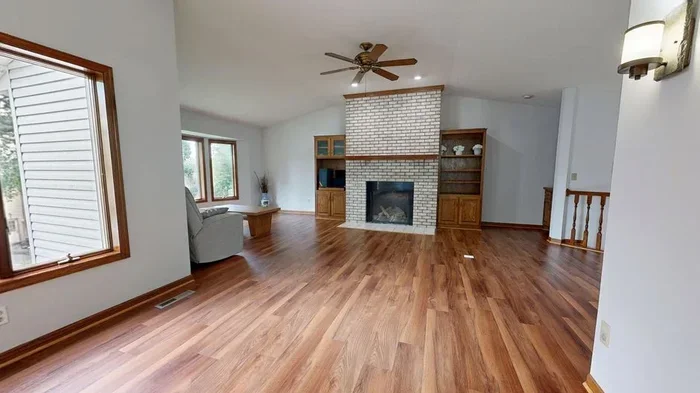
- Ignoring the floor. Wood flooring or a warm-toned area rug ties the whole room together. A bare white floor can make the space feel disconnected.
When you keep these mistakes in mind, you can avoid the most common design pitfalls and create a space that looks intentional and polished.
Bringing It All Together
Designing a living room white and wood interior is all about balance. You want the white to feel fresh and the wood to feel warm. You want enough furniture to make the room functional but not so much that it feels crowded. You want texture and personality without sacrificing the clean, calm foundation.
Start with a white wall color you love. Add your wood furniture pieces and let them anchor the room. Layer in white textiles and soft furnishings. Add your accent pieces, plants, and lighting. Step back and assess. Adjust until the room feels like it breathes.
This design approach is timeless because it works with so many styles. Whether you lean toward a minimalist look or prefer a more eclectic vibe, white and wood gives you a flexible foundation. It is a design choice that ages well and never goes out of style. For more ideas on arranging your furniture in this style, check out our guide on how to arrange sofa and loveseat in living room for practical layout tips.
If you are looking for furniture pieces to get started, our guide on how to choose furniture for a living room can help you make confident decisions. And for broader inspiration on design styles, explore our collection of aesthetic living room ideas to see how white and wood fits into different design aesthetics.
The beauty of a white and wood living room is that it grows with you. As your taste evolves and your needs change, the foundation remains strong. Add new accents, swap out textiles, rearrange the furniture. The white and wood canvas adapts to whatever you need it to be. Start today, and enjoy the process of building a space that truly feels like home.
Frequently Asked Questions
What wood tones work best with white living rooms?
Light wood tones like oak, birch, and maple work best with white living rooms. They keep the space feeling bright and airy. Darker woods like walnut can also work if you balance them with plenty of white surfaces and soft textiles to prevent the room from feeling too heavy.
How do I prevent my white living room from looking too sterile?
Add warm wood accents, textured textiles, and natural elements like plants. A mix of materials keeps the room feeling inviting. Layering different textures through throw pillows, area rugs, and blankets adds depth and prevents the sterile look.
Can I use white furniture in a small living room?
Yes, white furniture is excellent for small living rooms because it reflects light and makes the space feel larger. Pair white pieces with light wood furniture and keep the layout open to maximize the sense of space. You can also check out our tips on how to maximize seating in a small living room for additional space-saving ideas.
What accent colors go well with white and wood?
Soft pastels, warm metallics like brass and gold, and earthy greens all complement white and wood beautifully. Black accents add a modern edge. The key is to keep the accent colors within the same warm and neutral family so the room stays cohesive and harmonious.
How do I style open wooden shelves in a white living room?
Keep a mix of books, plants, and small decor objects on the shelves. Use white baskets or boxes to hide clutter. Leave some breathing room on the shelves so they do not look overcrowded. For detailed styling tips, visit our guide on how to style open shelves in living room.
Is white and wood interior design suitable for modern homes?
Absolutely. White and wood is one of the most versatile design approaches and works beautifully in modern homes. It brings warmth to sleek, contemporary spaces while keeping the look clean and uncluttered. You can add modern elements like metal accents or geometric patterns to tailor the style to your home.
=== CONCLUSION ===
A living room white and wood interior design offers a timeless and flexible foundation for any home. The combination of crisp white walls and warm natural wood creates a space that feels both refreshing and cozy. By choosing the right wood tones, incorporating white furniture, layering in textures, and adding thoughtful accents, you can build a living room that truly reflects your style. Remember to balance light and warmth, avoid common mistakes, and let the room evolve naturally over time. Start with the basics, trust your instincts, and enjoy the journey of creating a space you will love coming home to every day.