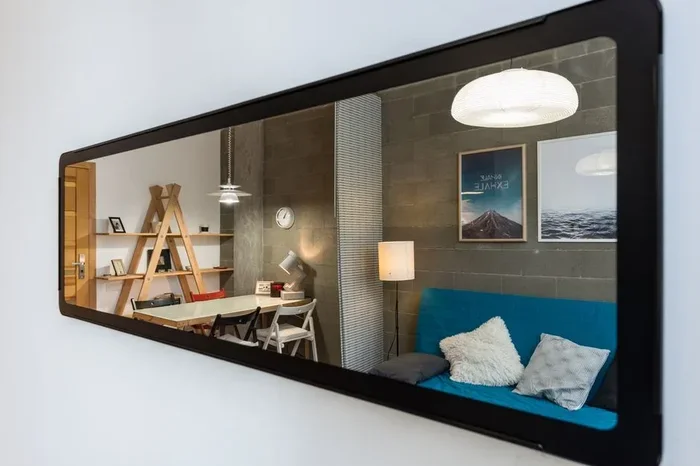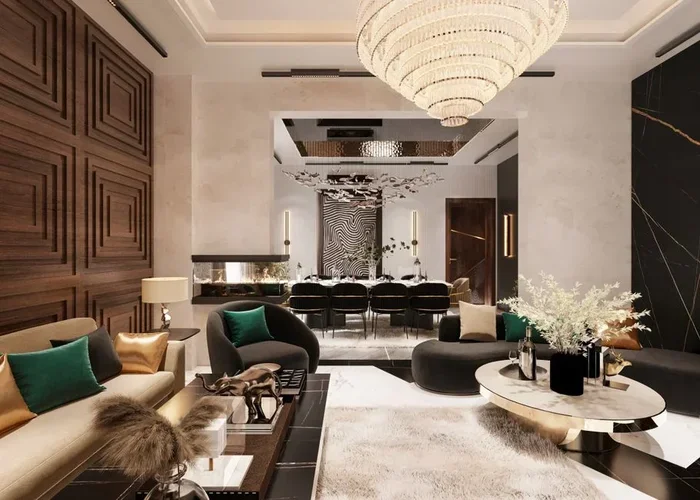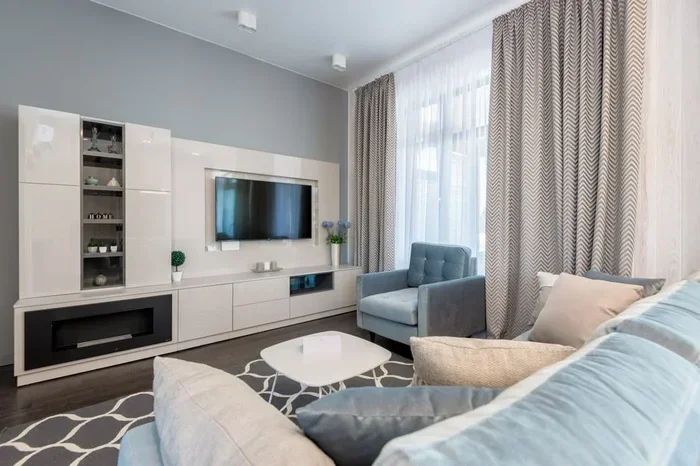
Dream Living Room With Blue Accents Design Inspiration
A living room with blue accents brings calm, elegance, and timeless charm to any home. This guide covers design inspiration, color palettes, furniture picks, and practical tips to help you create a beautiful blue-themed living space. Whether you prefer soft sky blue or bold navy, you will find ideas that work for your style and budget.
A living room with blue accents has a special magic to it. Blue is one of the most popular colors in interior design, and for good reason. It feels calm, fresh, and endlessly stylish. Whether you are redecorating from scratch or just looking for small changes, adding blue accents can completely transform your space.
Blue works in almost every design style. Think coastal vibes, modern minimalism, classic traditional, or even bold eclectic. The key is knowing how to use blue in a way that feels balanced and intentional. This guide will walk you through everything you need to know about designing a beautiful living room with blue accents.
You will learn about color palettes, furniture choices, lighting tips, and common mistakes to avoid. By the end, you will feel confident enough to start designing your own blue-inspired living room. Let us dive in.
Key Takeaways
- Blue accents create a calming and stylish atmosphere that makes your living room feel welcoming and relaxing.
- Multiple shades of blue work together, from soft sky blue to deep navy, giving you flexibility in design.
- Mixing blue with neutral tones like white, beige, and gray keeps the room balanced and modern.
- Blue accent pieces such as throw pillows, curtains, and wall art are easy and affordable ways to update a room.
- Proper lighting and furniture placement enhance the beauty of blue decor and make the space feel larger.
- Both modern and traditional styles benefit from blue accent elements, proving blue is a versatile choice.
📑 Table of Contents
- Why Blue Accents Work So Well in Living Rooms
- Choosing the Right Blue Palette for Your Living Room
- Furniture and Decor Ideas for a Blue-Themed Living Room
- How to Arrange Furniture in a Blue Living Room
- Lighting Tips to Enhance Blue Accents
- Common Mistakes to Avoid When Using Blue Accents
- Real Room Inspirations and Design Examples
- Final Thoughts on Designing With Blue Accents
Why Blue Accents Work So Well in Living Rooms
Blue is a universally loved color. It reminds people of the ocean, the sky, and a sense of peace. When you use blue accents in your living room, you create a space that feels both relaxing and sophisticated. Here is why blue works so well.
Blue Evokes Calm and Comfort
Studies show that blue tones can lower stress and reduce anxiety. A living room with blue accents naturally feels more peaceful than a room filled with bright, loud colors. This makes blue a perfect choice for the place where you unwind after a long day.
Blue Is Incredibly Versatile
Blue comes in many shades. You have soft powder blue, dusty teal, rich navy, and bright cobalt. Each shade creates a different mood. Light blues make a room feel open and airy. Dark blues add depth and drama. This versatility means blue fits almost any design vision.
Blue Pairs Easily With Other Colors
Blue plays well with neutrals like white, gray, and beige. It also looks stunning with warm tones like coral, mustard, and gold. This makes it easy to build a cohesive color palette without much effort.
Choosing the Right Blue Palette for Your Living Room
Not all blues are the same. The shade you pick sets the tone for the entire room. Here are some popular blue palettes to consider when designing your living room with blue accents.
Sky Blue and White
This combo feels fresh and airy. Think of a clear summer sky paired with crisp white walls. Sky blue works beautifully with light wood furniture and natural textures like linen and cotton. It is perfect for a coastal or farmhouse-style living room.
Navy and Gold
Navy blue brings a sense of luxury and depth. Paired with gold or brass accents, it creates a rich, elegant look. This palette suits traditional and transitional design styles. Navy also works well with velvet furniture and dark wood tones.
Teal and Warm Neutrals
Teal is a deeper, greener shade of blue. It adds a bold and earthy feel to a room. Combine teal with warm beiges, terracotta, and cream for a cozy and inviting atmosphere. This palette is popular in boho and eclectic interior design.
Dusty Blue and Gray
Dusty blue has a muted, soft quality. When paired with gray tones, it creates a modern and sophisticated look. This palette works great for minimalist and contemporary living rooms. The result is a calm and refined space that feels very put-together.
Furniture and Decor Ideas for a Blue-Themed Living Room
Now that you have a color palette in mind, it is time to choose furniture and decor. The goal is to incorporate blue in layers so the room looks intentional and polished.
Blue Sofas and Armchairs
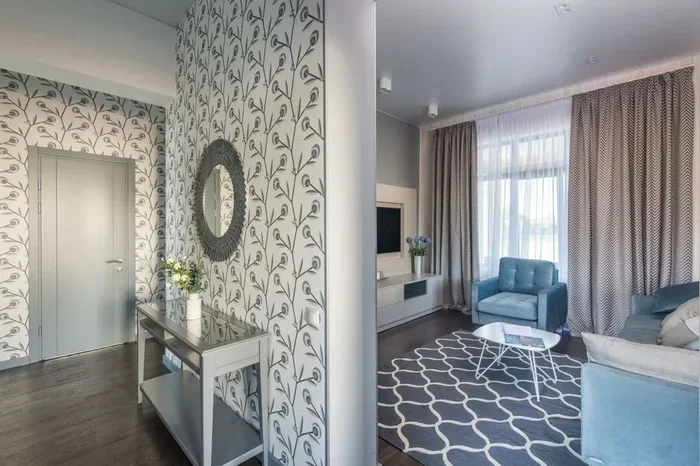
A blue sofa is a strong statement piece. It anchors the room and sets the color direction. If a full blue sofa feels too bold, start with blue armchairs instead. A single blue chair can add just the right amount of color without overwhelming the space. When you are deciding on furniture placement, consider how the blue pieces will interact with your TV setup or fireplace area.
Blue Throw Pillows and Blankets
This is the easiest and most affordable way to add blue accents. Throw pillows in different shades of blue create visual interest on a neutral sofa. Mix textures like velvet, knit, and linen for added depth. You can also add a blue throw blanket draped over the arm of your chair for a cozy touch.
Blue Curtains and Drapes
Blue curtains bring color to your walls without the commitment of paint. Sheer blue curtains soften natural light and give the room a dreamy feel. Heavier blue drapes add drama and help with insulation. Choose a shade that complements your sofa and wall color.
Blue Wall Art and Decor Pieces
Wall art is a great way to introduce blue without committing to large furniture pieces. Blue abstract paintings, framed prints, or even a gallery wall with blue-toned photos can tie the room together. You can also use blue decorative objects like vases, bowls, and candles on shelves and side tables.
When styling your shelves and surfaces, remember that accent pieces for living room like blue candles, books, and small sculptures add personality without clutter. Keep your arrangements simple and balanced.
How to Arrange Furniture in a Blue Living Room
The way you place your furniture affects how the blue accents are perceived. Good arrangement makes the room feel open and flowing, while poor placement can make even the best design feel cramped.
Start With a Focal Point
Every living room needs a focal point. This could be your TV, fireplace, or a statement piece of blue furniture. Arrange your seating to face this focal point. This creates a natural flow and makes the room feel purposeful.
Use Blue to Define Zones
In open-concept spaces, you can use blue accents to define different areas. A blue area rug under your seating group signals the living zone. Blue throw pillows on a reading chair signal the reading nook. These small touches help organize the space without walls or dividers.
When you are working on your layout, think about how the room will look from different angles. You want the blue accents to be visible and balanced from every seat in the room. Proper furniture placement also ensures good traffic flow between areas.
Balance Blue With Neutrals
Too much blue can feel overwhelming. Balance it with neutral-toned furniture and walls. White or light gray walls give blue accents room to breathe. A beige or cream sofa surrounded by blue pillows and decor keeps the room grounded and elegant.
Lighting Tips to Enhance Blue Accents
Lighting plays a huge role in how colors appear in your home. The right lighting makes blue accents pop, while the wrong lighting can make them look dull.
Use Warm Lighting With Blue
Blue can sometimes feel cold, especially in rooms with limited natural light. Warm lighting balances this out. Use table lamps with warm-toned bulbs, floor lamps with warm shades, and dimmable ceiling lights. This creates a cozy atmosphere that complements the blue decor.
Let Natural Light Shine
Natural light is your best friend when working with blue. Sheer curtains allow sunlight to filter through and brighten the room. Place your seating near windows where possible. The combination of natural light and blue accents creates a fresh and uplifting environment.
Add Accent Lighting for Drama
Spotlighting blue decor pieces adds visual interest. Use small spotlight lamps to highlight blue wall art or a blue vase on a console table. LED strip lights behind a media console can also add a subtle blue glow that ties the room together at night.
Common Mistakes to Avoid When Using Blue Accents
Even with the best intentions, it is easy to make mistakes when decorating with blue. Here are some common pitfalls and how to avoid them.
Using Too Many Blue Shades
Mixing too many different blues can create a chaotic look. Stick to two or three shades at most. For example, pair navy with sky blue, or teal with dusty blue. A consistent blue color palette keeps the room looking polished and intentional.
Forgetting About the Floor and Ceiling
Blue accents should extend beyond just walls and furniture. Consider a blue area rug or blue ceiling details for a more immersive feel. However, if you are new to blue decor, start small and build up gradually.
Ignoring the Room’s Size and Natural Light
Dark navy blue in a small room with little natural light can make the space feel cramped. Light blue shades work better in small rooms. In larger rooms, you have more freedom to experiment with deeper blues.
Skipping Texture
A room with only flat blue surfaces can feel flat and boring. Add texture through woven rugs, velvet cushions, wooden furniture, and metallic accents. Texture gives blue decor depth and visual appeal.
Real Room Inspirations and Design Examples
Sometimes seeing real examples helps bring ideas to life. Here are a few design scenarios that show how a living room with blue accents can come together.
Scenario 1: The Modern Coastal Living Room. White walls, a light gray sofa, sky blue throw pillows, and sheer blue curtains. Add a jute rug, some wooden shelves, and blue wall art. The result is a fresh and breezy space that feels like a beach vacation every day.
Scenario 2: The Elegant Traditional Living Room. Navy blue velvet armchairs, a cream-colored sofa, gold picture frames, and brass table lamps. A deep blue area rug ties the seating area together. This room feels sophisticated and timeless.
Scenario 3: The Bold Eclectic Living Room. A mix of teal and navy blue throughout. A teal accent wall, navy blue bookshelves, and colorful blue decor objects. Paired with eclectic furniture and global-inspired textiles, this room is full of personality and energy.
No matter which scenario matches your style, the key is to have fun with it. Blue accents give you permission to be creative and expressive in your living room design.
Final Thoughts on Designing With Blue Accents
A living room with blue accents is more than just a trend. It is a timeless design choice that brings beauty, calm, and personality into your home. From choosing the right shade to arranging furniture and adding lighting, every detail matters.
Start with small changes like blue pillows or a statement piece of wall art. As you grow more comfortable, add bigger elements like blue furniture or an accent wall. The beauty of blue is that it grows with you and adapts to your evolving style.
Remember that great design is about balance. Combine blue with neutrals, add texture, use good lighting, and avoid common mistakes. Follow these principles, and your living room will become a space you love spending time in. Happy decorating!
Frequently Asked Questions
What colors go best with blue accents in a living room?
Blue pairs beautifully with white, gray, beige, and cream for a clean and modern look. It also works well with warm tones like coral, gold, and mustard for a bold and vibrant feel. Stick to a maximum of three to four colors to keep the room balanced and visually appealing.
How many blue accent pieces should I use in my living room?
A good rule of thumb is to use blue in at least three places throughout the room. This could be a throw pillow, a curtain, and a piece of wall art. This creates a sense of cohesion without overwhelming the space. Too few blue pieces can look accidental, while too many can feel cluttered.
Is blue a good color for a small living room?
Yes, light shades of blue like sky blue or powder blue work wonderfully in small living rooms. They make the space feel open and airy. Avoid dark navy in small rooms with limited natural light, as it can make the space feel smaller and more enclosed.
Can I mix different shades of blue in the same room?
Absolutely. Mixing two or three shades of blue adds depth and visual interest. The key is to choose shades that are close in tone, like navy and dusty blue, or sky blue and teal. Use a neutral base to tie the different blues together and keep the room looking harmonious.
What type of furniture works best with blue accents?
Neutral-colored furniture like white, gray, beige, or cream works best as a base for blue accents. This allows the blue decor pieces to stand out without competing. If you want a blue sofa, pair it with neutral walls and floors to create a balanced and stylish look.
How do I add blue accents without repainting my walls?
There are many ways to add blue without paint. Try blue throw pillows, curtains, a blue area rug, wall art, decorative vases, or blue lampshades. These smaller accent pieces are easy to swap out and give you flexibility to change the look whenever you want.