Living Room Wall Tiles Design Ideas That Transform Spaces
Living room wall tiles design is one of the most powerful ways to refresh any room without a full renovation. From subway tiles to bold geometric patterns, the right wall tiles add texture, color, and personality to your living space. This guide covers the best design ideas, materials, placement tips, and common mistakes to help you create a stunning focal wall. Whether you prefer a minimalist look or a dramatic statement piece, these tips will inspire your next home project.
Living room wall tiles design has become one of the hottest trends in home decor. People everywhere are discovering how a single accent wall can completely change the feel of a room. Tiles bring texture, color, and dimension that paint alone simply cannot achieve.
If you have been searching for ways to upgrade your living space, wall tiles might be the answer. They work in small apartments and large open-plan rooms alike. Best of all, you do not need a huge budget to get dramatic results. In this guide, we will walk you through the best design ideas, materials, and tips to help you create a beautiful tile wall in your living room.
Key Takeaways
- Wall tiles instantly elevate your living room: They add texture, depth, and visual interest without expensive renovations.
- Material choice matters: Ceramic, porcelain, natural stone, and glass each offer unique looks and benefits.
- Pattern and layout create impact: Herringbone, chevron, grid, and mosaic layouts transform plain walls into art.
- Accent walls are the easiest approach: You don’t need to tile every wall to make a bold design statement.
- Mixing tiles with other decor works beautifully: Combine tiles with shelves, artwork, and furniture for a layered look.
- Proper planning saves time and money: Measure carefully, choose the right adhesive, and plan your layout before installing.
📑 Table of Contents
- Why Living Room Wall Tiles Design Is So Popular
- Best Materials for Living Room Wall Tiles
- Top Living Room Wall Tiles Design Ideas
- How to Choose the Right Tile Layout
- Tips for Installing Living Room Wall Tiles
- Common Mistakes to Avoid in Living Room Wall Tiles Design
- Pairing Wall Tiles with Your Living Room Decor
- How to Maintain and Clean Your Tile Wall
- Conclusion
Why Living Room Wall Tiles Design Is So Popular
Wall tiles have been around for centuries, but their popularity in living rooms has surged in recent years. Homeowners love them because they offer both style and function. A tiled wall protects your walls from scratches, stains, and everyday wear. At the same time, it becomes a stunning visual centerpiece.
The beauty of living room wall tiles design lies in its versatility. You can go sleek and modern with subway tiles, or bold and artistic with hand-painted mosaics. The options are truly endless. Let us explore why more and more people are choosing tiles for their living rooms.
Tiles Add Instant Texture and Depth
Flat painted walls can feel flat and boring. Tiles change that instantly. The raised surface of each tile creates shadows and light reflections that make a wall feel alive. Even a simple white subway tile pattern adds more visual interest than a plain painted wall.
They Are Easy to Clean and Maintain
Unlike wallpaper or bare drywall, tiles are incredibly easy to wipe down. Spills, dust, and fingerprints come off with a damp cloth. This makes them perfect for busy households and homes with kids or pets.
Tiles Boost Home Value
A well-designed tile accent wall can increase your home’s appeal to buyers. It signals that the home has been cared for and updated with style. Many real estate experts agree that statement walls are one of the best low-cost ways to boost property value.
Best Materials for Living Room Wall Tiles
Choosing the right material is the foundation of any great tile design. Each option has its own look, feel, and price point. Let us break down the most popular materials you should consider for your living room wall tiles design.
Ceramic Tiles
Ceramic tiles are the most popular choice for living room walls. They come in countless colors, sizes, and finishes. Ceramic is affordable, durable, and easy to install. You can find matte, glossy, or textured ceramic tiles to match any style.
They work beautifully for both modern and traditional interiors. If you want a classic look without breaking the bank, ceramic is the way to go. Aesthetic living room ideas often feature ceramic tiles as a key element.
Porcelain Tiles
Porcelain tiles are similar to ceramic but denser and less porous. This makes them more resistant to moisture and stains. They are ideal if your living room has a fireplace or areas prone to splashes. Porcelain also holds intricate designs well, making it great for detailed patterns.
Natural Stone Tiles
Natural stone tiles like marble, travertine, and slate bring a luxurious feel. Each stone slab is unique, with natural veining and color variations. This means no two walls look exactly the same. Natural stone works best in rooms with a warm, organic aesthetic.
Pairing stone tiles with accent pieces for living room like woven baskets and wooden furniture creates a cozy, earthy vibe. The combination feels grounded and elegant at the same time.
Glass Tiles
Glass tiles reflect light and create a shimmering effect on your walls. They are perfect for adding a touch of glamour without going overboard. Glass tiles work especially well near windows or light fixtures where they can catch and bounce light around the room.
Peel-and-Stick Tiles
Not ready for a permanent installation? Peel-and-stick tiles are a game changer. They come in pre-sized sheets that you simply peel off the backing and press onto your wall. They are removable, affordable, and perfect for renters or anyone who wants to test a tile design before committing.
Top Living Room Wall Tiles Design Ideas
Now comes the fun part. Here are some of the most popular and stunning living room wall tiles design ideas that can transform your space from ordinary to extraordinary.
Classic Subway Tile
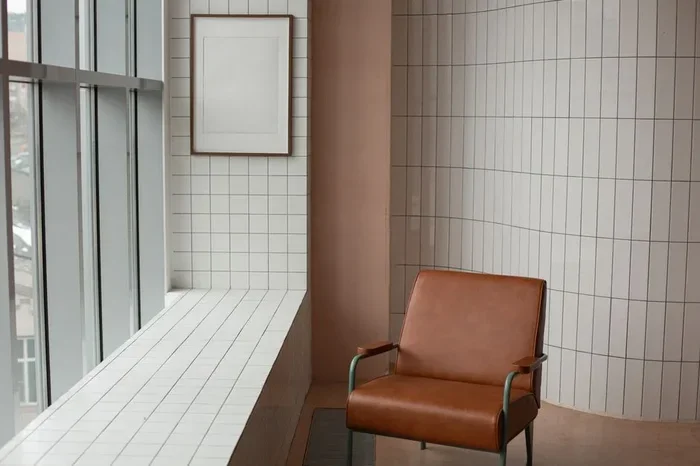
Subway tiles are the timeless favorite. These rectangular tiles, typically 3×6 inches, were originally used in subway stations in New York City. Today, they are a staple in homes around the world. You can lay them in a classic brick pattern, a herringbone layout, or even vertically for a taller, sleeker look.
White subway tiles are the most popular choice because they brighten any room. But don’t be afraid to try colored subway tiles. A soft sage green or dusty blue adds a subtle pop without overwhelming the space.
Geometric Pattern Tiles
Geometric tiles are having a major moment in interior design. Hexagonal, chevron, and octagonal shapes create dynamic patterns that draw the eye. A geometric tile accent wall becomes the centerpiece of the entire room.
For a modern feel, stick with a monochrome palette. Black and white geometric tiles look sharp and sophisticated. For a bolder statement, mix two complementary colors like teal and gold.
Mosaic Wall Art
Mosaic tiles are tiny, colorful pieces arranged into intricate patterns or images. Some homeowners use mosaic tiles to create a mural on their living room wall. This approach adds genuine art to your space. You can find pre-made mosaic panels or create your own custom design.
Mosaic walls pair beautifully with aesthetic living room decor because they add that layer of curated detail that makes a room feel intentional and designed.
Large-Format Floor-to-Ceiling Tiles
If you want a clean, minimalist look, large-format tiles are the answer. These oversized tiles minimize grout lines and create a seamless, expansive feel. Floor-to-ceiling tiles make small living rooms appear larger and more open. They also give a high-end, gallery-like quality to the wall.
Mixed Tile Styles
Why choose one style when you can combine several? Mixing tile sizes, shapes, and colors creates a unique, eclectic wall that tells a story. For example, you could use subway tiles on the lower half and geometric tiles on the upper half. This creates a natural visual break and adds depth.
Just be careful with mixed designs. Stick to a shared color palette so the wall feels cohesive rather than chaotic. Planning your layout on paper first helps tremendously.
Handmade and Artisan Tiles
For a truly one-of-a-kind living room, consider handmade artisan tiles. These tiles often feature slight imperfections that give them character and charm. Hand-painted tiles from Morocco, Portugal, or Mexico add global flair and cultural richness to any space.
Artisan tiles work best when you let them shine as the sole focus of the wall. Keep the surrounding furniture and decor simple so the tiles remain the star of the show.
How to Choose the Right Tile Layout
The layout you choose affects the entire feel of your living room. Here are the most common and effective layouts for living room wall tiles design.
Grid Layout
The grid layout is the simplest and most traditional. Tiles are placed in straight rows and columns. This layout works best with square or rectangular tiles and creates a clean, orderly look. It is perfect for minimalist and modern interiors.
Herringbone Layout
Herringbone tiles are laid at 45-degree angles to create a zigzag pattern. This layout adds movement and visual interest to any wall. It is especially popular with subway tiles and parquet-style wood-look tiles. The herringbone pattern makes even a small accent wall feel dynamic and intentional.
Staggered or Brick Layout
Similar to brickwork, this layout offsets each row so the seams do not line up. It is a classic choice that never feels outdated. The staggered layout works with almost any tile shape and size, making it a versatile option for any design style.
Diagonal Layout
Laying tiles at a 45-degree angle creates a diamond effect. This layout adds a subtle sense of movement and makes the wall feel more dynamic. Diagonal layouts use more tiles (and create more waste), so plan your budget accordingly.
| Layout Style | Best For | Difficulty Level | Visual Impact |
|---|---|---|---|
| Grid | Minimalist, modern spaces | Easy | Clean and classic |
| Herringbone | Transitional, farmhouse styles | Medium | Dynamic and elegant |
| Staggered Brick | Traditional, rustic interiors | Easy | Timeless and warm |
| Diagonal | Bold, contemporary designs | Medium | Eye-catching and unique |
| Mosaic Pattern | Artistic, eclectic spaces | Hard | Dramatic and artistic |
Tips for Installing Living Room Wall Tiles
Installing wall tiles is a project most DIY enthusiasts can tackle with the right preparation. Here are some practical tips to ensure a smooth and successful installation.
Plan Your Layout Before You Start
Always dry-lay your tiles on the floor or against the wall before applying adhesive. This helps you visualize the final look and identify any cutting issues. It also ensures that the pattern looks balanced from every angle in the room.
Use the Right Adhesive
Not all adhesives work for every tile type. Check the manufacturer’s recommendations for your specific tile material. Porcelain and natural stone typically require a stronger, modified thinset mortar. Glass and peel-and-stick tiles often need a different adhesive altogether.
Invest in Quality Grout
Grout is the unsung hero of tile design. Good grout fills the gaps evenly, resists staining, and holds tiles securely in place. Epoxy grout is more durable and stain-resistant than cement-based grout, though it costs a bit more. Choose a grout color that complements your tiles for the best result.
Seal Natural Stone Tiles
If you choose natural stone like marble or travertine, always seal the tiles before and after grouting. Sealing protects the stone from moisture absorption, staining, and etching. Reapply the sealer every one to two years for best results.
Hire a Pro for Complex Patterns
While simple layouts are great for DIY, intricate mosaic patterns or mixed designs may require professional installation. A skilled tiler ensures clean lines, even spacing, and a finished look that looks effortless. Do not hesitate to invest in expertise for complex projects.
Common Mistakes to Avoid in Living Room Wall Tiles Design
Even the best design ideas can fall flat if the execution goes wrong. Here are common mistakes homeowners make when installing wall tiles, and how to avoid them.
Skipping the planning phase. Many people jump straight into installation without a clear plan. This leads to misaligned tiles, awkward cuts, and an unbalanced look. Always sketch your design and do a dry run first.
Choosing the wrong tile size for the wall. Oversized tiles on a small wall can look cramped. Undersized tiles on a large wall can feel busy and overwhelming. Match your tile size to the scale of your wall for the best visual balance.
Ignoring grout color. Grout might seem like a minor detail, but it has a huge impact on the final look. Dark grout highlights each tile and creates a bold, graphic effect. Light grout blends tiles together for a softer, more unified appearance.
Forgetting about maintenance. Some tile materials and finishes require more upkeep than others. Glossy tiles show fingerprints and water spots easily. Matte tiles hide dirt better but can be harder to clean. Consider your lifestyle when choosing tile finishes.
Not considering the room’s lighting. Tiles look different under various lighting conditions. A tile that looks beautiful in a store might appear too dark or too bright under your living room lights. Always check samples in your actual space before committing.
Pairing Wall Tiles with Your Living Room Decor
Your tiled wall is the star, but the surrounding decor should support and complement it. Here is how to create a cohesive look with your living room wall tiles design.
Furniture Selection
Keep furniture styles in harmony with your tile choice. Natural stone tiles pair beautifully with wooden furniture and leather accents. Glass tiles look stunning alongside sleek metal and modern furniture. Subway tiles work with almost any style, from mid-century modern to coastal cottage.
For inspiration on furniture pairing, check out our guide on how to choose furniture for a living room that complements your tile design.
Lighting That Highlights Your Tiles
The right lighting makes your tiled wall shine. Install wall sconces or picture lights above or beside the tile wall to create dramatic shadows and highlight the texture. LED strip lighting behind a floating shelf or TV unit also creates a beautiful glow that makes your tiles pop.
Artwork and Accessories
Less is more when you have a bold tile wall. Let the tiles do the talking and keep accessories minimal. A single large piece of art above the tile wall works better than a gallery wall. Choose frames and decor that echo the colors in your tiles for a cohesive, curated look.
If you want to add functional storage near your tile wall, consider open shelving. Styling open shelves with a tiled backdrop adds layers and visual depth to the room. Learn more about how to style open shelves in your living room for practical and beautiful ideas.
How to Maintain and Clean Your Tile Wall
Once your tile wall is installed, keeping it looking its best is simple. Here is a quick maintenance guide for living room wall tiles design.
- Dust regularly: Use a soft microfiber cloth to wipe away dust from tile surfaces and grout lines weekly.
- Clean spills immediately: Wipe up any liquid spills right away to prevent staining, especially on grout.
- Use gentle cleaners: Avoid harsh chemical cleaners that can dull tile finishes. A mild soap and warm water solution works for most tiles.
- Re-seal natural stone annually: If you have marble, travertine, or slate tiles, reapply sealer once a year to maintain protection.
- Check grout yearly: Inspect grout lines for cracks or gaps and repair them promptly to prevent moisture damage.
With proper care, your tile wall will look beautiful for decades. Tiles are one of the most durable and long-lasting wall treatments you can choose for your living room.
Conclusion
Living room wall tiles design offers endless possibilities for transforming your space into something truly special. Whether you prefer the timeless elegance of subway tiles, the bold creativity of geometric patterns, or the luxurious feel of natural stone, there is a tile design that fits your style and budget. The key is to plan carefully, choose quality materials, and let your personality shine through your design choices.
Start small with an accent wall if you are unsure. You can always expand your tile project later as your confidence grows. The most important thing is to enjoy the process and create a living room that you love coming home to every day. Your beautifully tiled wall will be a source of pride and a conversation starter for years to come.
Frequently Asked Questions
What is the best tile for a living room accent wall?
Ceramic and porcelain tiles are the best choices for most living room accent walls. They are durable, affordable, and come in a wide range of styles. Subway tiles and geometric patterns are especially popular for accent walls. Choose a finish that complements your existing furniture and lighting.
How much does it cost to install wall tiles in a living room?
The cost depends on the tile material, size of the wall, and whether you hire a professional or do it yourself. Ceramic tiles typically cost between $1 and $15 per square foot for materials alone. Professional installation adds $5 to $10 per square foot. Peel-and-stick tiles are the most budget-friendly option, starting around $2 per square foot.
Can I install wall tiles myself?
Yes, simple layouts like grid and staggered brick patterns are very DIY-friendly. You will need basic tools like a tile cutter, level, trowel, and spacers. Complex patterns like mosaics or herringbone may require professional help for the best results. Always practice on a small area first to build your confidence.
How do I choose the right grout color for my tile wall?
Dark grout creates a bold, graphic look that highlights each individual tile. Light grout blends tiles together for a softer, more unified appearance. Match your grout color to your tile color for a harmonious look, or choose a contrasting shade for a more dramatic effect. Always test grout samples on a spare tile before committing.
Are peel-and-stick tiles durable enough for a living room?
Peel-and-stick tiles are surprisingly durable for their price point. They work well on smooth, clean walls in low-moisture areas like living rooms. However, they are not as long-lasting as traditional tiled walls and may peel over time in high-humidity environments. They are perfect for renters or anyone testing a tile design before a permanent installation.
What tile patterns make a small living room look bigger?
Large-format tiles with minimal grout lines create the illusion of a larger space. Light-colored tiles and a grid layout also help open up a small room. Avoid busy patterns and dark colors on small walls, as they can make the space feel cramped. Floor-to-ceiling tiles in a single light shade are the most effective trick for making a small living room feel expansive.