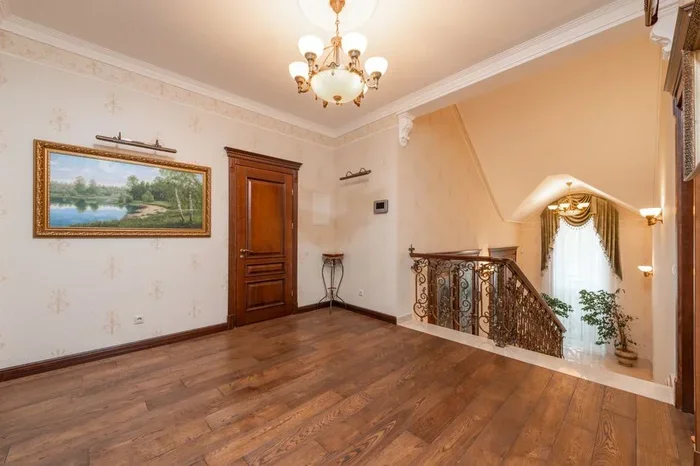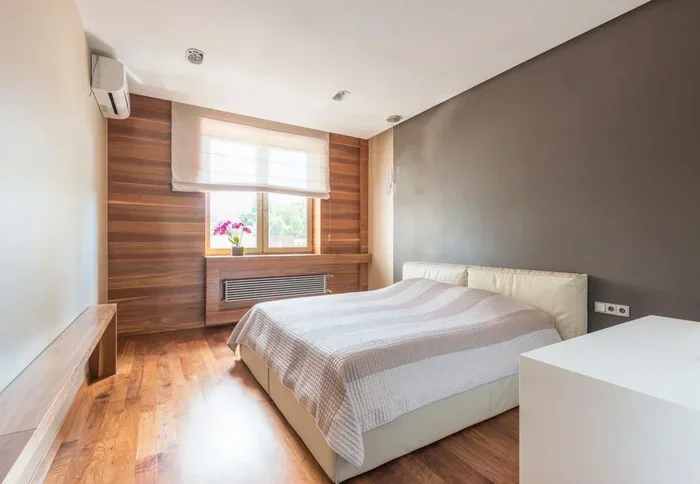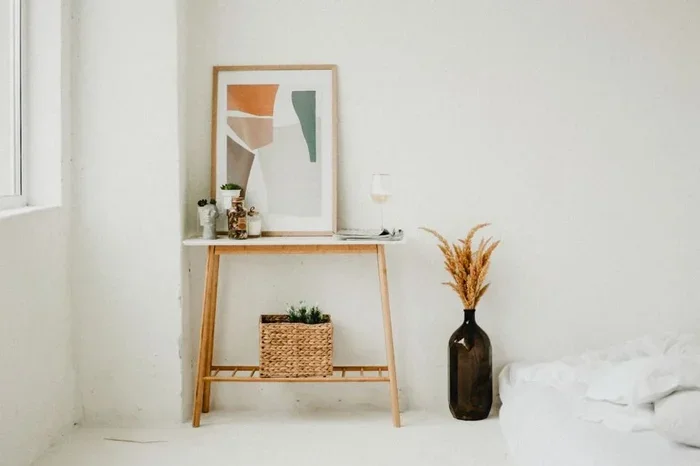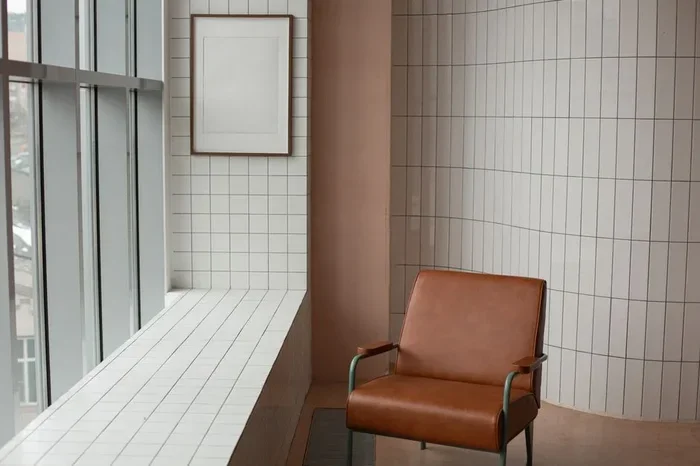
Stunning Living Room Wall Background Ideas You Will Love
A living room wall background sets the entire mood of your space. Whether you prefer bold wallpaper, subtle texture, or gallery walls, the right design makes a huge difference. This guide covers easy ideas, expert tips, and common mistakes to avoid. You will learn how to choose colors, materials, and styles that match your home. Transform your living room with these proven wall background strategies.
Your living room wall background does more than just fill a blank space. It sets the tone, defines the style, and draws the eye the moment someone walks in. Yet so many people overlook this powerful design element. They settle for plain white walls and wonder why their room feels flat. The good news? A great wall background does not require a big budget or professional help. With the right ideas and a little confidence, you can completely transform your living room.
A living room wall background is the foundation of your entire room design. Think of it as the canvas everything else sits on. Your furniture, lighting, and accessories all work together with the wall to create a cohesive look. When you get the wall right, the whole room feels intentional and polished. When you ignore it, even the best furniture pieces can feel lost.
In this guide, we will walk you through the best living room wall background ideas you can use right away. We will cover paint choices, wallpaper options, textures, and styling tips. You will also learn about common mistakes and how to avoid them. By the end, you will feel ready to tackle your own wall transformation with confidence.
Key Takeaways
- Painted accent walls: A single bold wall instantly adds depth and character to any living room.
- Wallpaper designs: From floral patterns to geometric prints, wallpaper creates a stunning focal point with minimal effort.
- Textured finishes: Brick, wood paneling, and stone textures bring warmth and visual interest to plain walls.
- Gallery and shelf styling: Combining wall art with open shelves turns blank walls into personalized displays.
- Color psychology matters: The right wall colors influence mood, energy, and how spacious your room feels.
- Avoid common mistakes: Skip oversized art, ignore lighting, and mismatched styles that ruin the look.
📑 Table of Contents
- Why Your Living Room Wall Background Matters
- Painted Accent Walls: The Easiest Transformation
- Wallpaper Designs for a Statement Wall
- Textured Wall Treatments for Visual Interest
- Gallery Walls and Shelving: Style With Function
- Common Mistakes to Avoid With Wall Backgrounds
- Expert Tips for a Picture-Perfect Wall Background
- Bringing It All Together
Why Your Living Room Wall Background Matters
The walls in your living room wall background area take up the most visual space. They are the first thing people notice when they sit down and look around. A well-designed wall creates a sense of style and intention. It makes the room feel curated rather than thrown together.
Your wall background also affects how the room feels emotionally. Cool blues and greens create calm energy. Warm terracottas and deep greens bring coziness. Bright whites make small rooms feel open and airy. Dark charcoal walls add drama and sophistication. Every color and material choice sends a signal about your personal style.
Color Psychology and Wall Backgrounds
Colors influence how we feel in a space. This is not just design theory. It is backed by research in color psychology. For example, soft neutrals like beige and cream make people feel relaxed. Bold jewel tones like emerald or sapphire create a sense of luxury. Pastel shades bring a gentle, airy feeling to any room.
When choosing your living room wall background color, think about the mood you want. Do you want a calm retreat? Go with cool tones. Do you want an energetic social space? Try warm, saturated colors. Your wall color should match how you want to feel in the room every single day.
Painted Accent Walls: The Easiest Transformation
A painted accent wall is one of the simplest ways to upgrade your living room wall background. You just pick one wall and paint it a different color than the others. This creates an instant focal point without overwhelming the space.
Accent walls work especially well behind your main seating area or the wall your eye naturally lands on when you enter the room. They add depth and dimension. They also give you a chance to experiment with bolder colors you might not want on every wall.
Best Paint Colors for Accent Walls
Not sure which color to choose? Here are some popular options that work beautifully as a living room wall background:
- Deep navy blue: Adds sophistication and pairs well with gold and brass accents.
- Charcoal gray: Creates a modern, moody feel that suits contemporary spaces.
- Sage green: Brings a natural, calming energy that works with almost any decor style.
- Warm terracotta: Adds warmth and works beautifully in bohemian and Mediterranean-inspired rooms.
- Soft blush pink: Creates a soft, romantic feel that brightens up darker rooms.
- Black: Makes a bold statement and adds dramatic contrast in modern or minimalist spaces.
Tips for Painting an Accent Wall
Before you grab a paintbrush, keep these tips in mind. First, make sure your accent wall gets good natural light. Dark colors can make a dim room feel smaller. Second, use high-quality paint. A cheap paint will look flat and uneven, no matter how great your color choice is. Third, prep the wall properly. Clean it, patch any holes, and apply a primer first for the smoothest finish.
Also, consider the finish. Matte paint hides imperfections but is harder to clean. Satin finish is easier to wipe down and adds a subtle sheen. For most living room wall background projects, a satin or eggshell finish hits the sweet spot between durability and elegance.
Wallpaper Designs for a Statement Wall
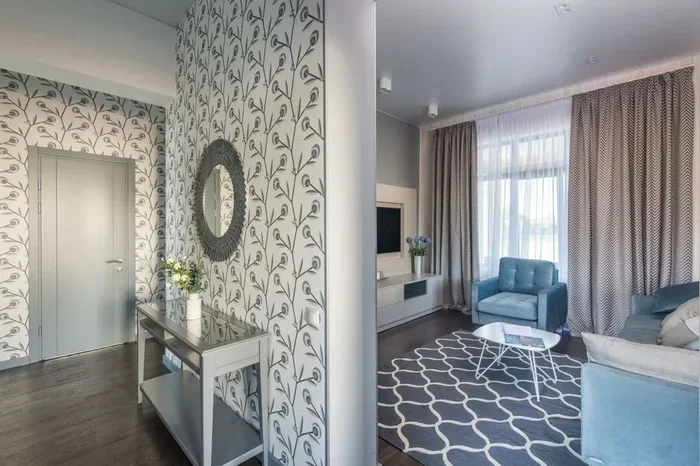
If you want more pattern and visual interest than paint alone can offer, wallpaper is your best friend. Modern wallpaper has come a long way. You can find designs in every style from minimalist geometric prints to lush botanical patterns. Wallpaper makes a living room wall background feel dynamic and full of personality.
Types of Wallpaper Styles
Here are the most popular wallpaper styles that work beautifully as a living room wall background:
- Geometric patterns: Clean lines and shapes create a modern, stylish look that feels fresh and current.
- Floral designs: Soft flowers bring a romantic, organic feel that works in traditional and cottage-style rooms.
- Stripes: Vertical stripes make walls feel taller, while horizontal stripes add width to narrow rooms.
- Textured wallpaper: Grasscloth, linen texture, and embossed patterns add depth without relying on color.
- Murals and scenic prints: Large-scale images create a dramatic, immersive feel perfect for feature walls.
Wallpaper vs. Paint: Which Is Better?
Both options have strengths. Paint is easier to change and usually more affordable. Wallpaper creates a more dramatic and textured look that paint simply cannot match. If you love bold patterns and want a long-lasting statement, wallpaper wins. If you prefer flexibility and simplicity, paint is the way to go.
For a living room wall background, many homeowners combine both. They paint most walls a neutral color and use wallpaper on the accent wall. This approach gives you the best of both worlds. The wallpaper becomes the star, while the painted walls keep the room balanced and grounded.
Textured Wall Treatments for Visual Interest
Texture adds another dimension to your living room wall background. Smooth walls are fine, but they can feel boring in large spaces. Adding texture creates visual depth and makes the room feel more inviting and layered.
Popular Textured Wall Options
- Exposed brick: Brings an industrial, rustic charm that works beautifully in modern and farmhouse styles.
- Wood paneling: Adds warmth and a classic feel. Shiplap and beadboard are popular choices for a clean look.
- Stone accents: Natural or faux stone creates a dramatic, earthy feel perfect for cozy living rooms.
- Plaster finishes: Smooth or textured plaster gives walls a handcrafted, artisanal quality that feels unique.
- 3D wall panels: These come in various patterns and materials, adding depth and a contemporary edge.
How to Add Texture Without Overdoing It
The key to textured walls is balance. You do not need to texture every wall in the room. One textured wall as your living room wall background is usually enough. Let the texture breathe by keeping the other walls simpler. Pair textured walls with smooth furniture and clean lines to avoid a cluttered feel.
Lighting also plays a big role with textured walls. Natural light and warm lamps highlight the texture beautifully, creating shadows and depth. Without good lighting, even the best textured wall can look flat. Consider adding wall sconces or a floor lamp nearby to showcase the texture at its best.
Gallery Walls and Shelving: Style With Function
A gallery wall is one of the most versatile ways to design your living room wall background. It lets you combine art, photos, and decorative objects in one cohesive display. Plus, you can change and update it whenever you want. No permanent commitment required.
How to Create a Beautiful Gallery Wall
Start by choosing a theme or color palette. You do not need everything to match perfectly, but a unifying element keeps the display looking intentional. Some people stick to black and white photography for a clean look. Others mix paintings, prints, and personal photos for a eclectic feel.
Lay out your pieces on the floor first. Arrange them in a way that feels balanced and visually appealing. Then transfer the layout to the wall. Use a mix of frame sizes and styles for a dynamic look. Leave enough space between pieces so each item can breathe and stand out.
Adding wall shelves to your gallery wall takes it to the next level. A few carefully styled shelves give you a place to display books, plants, candles, and small decor objects. Check out our guide on how to style open shelves in the living room for practical tips on arranging shelf decor beautifully.
Wall Art and Decorative Accents
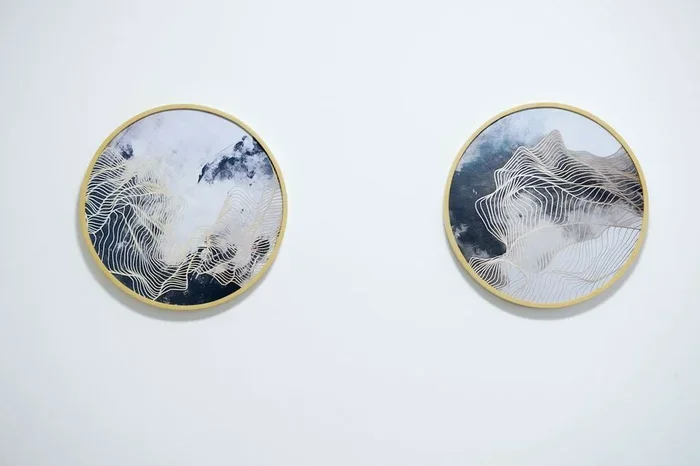
Your wall art choices matter just as much as the arrangement. Large statement pieces work well on their own as a bold living room wall background. Smaller pieces shine when grouped together in a curated collection. Abstract art adds energy and modern flair. Nature-inspired prints bring calm and serenity.
Do not forget about the space between and around your art. Negative space is just as important as the art itself. It gives the eye a place to rest and prevents the wall from feeling cluttered. For more ideas on selecting and arranging wall art, explore our article on abstract pictures for living room to find pieces that suit your style.
Common Mistakes to Avoid With Wall Backgrounds
Even with the best intentions, some common mistakes can undermine your living room wall background. Knowing what to avoid saves you time, money, and frustration.
Mistake 1: Choosing the Wrong Scale
One of the biggest errors is choosing wall art or wallpaper that is too small or too large for the space. A tiny print on a big wall looks lost and insignificant. An oversized piece on a small wall feels overwhelming. Always measure your wall first and choose elements that fit the scale of the room.
Mistake 2: Ignoring the Flooring and Furniture
Your wall background does not exist in isolation. It needs to work with your flooring, furniture, and overall color scheme. A beautiful accent wall can look wrong if the colors clash with your sofa or rug. Always consider the full room palette before committing to a wall color or design.
Mistake 3: Forgetting About Lighting
Lighting transforms how your wall background looks and feels. A beautifully painted wall can look completely different under harsh overhead lighting versus warm, soft lamps. Always think about how light will hit your wall throughout the day and evening. Add layered lighting to highlight your wall features at their best.
Mistake 4: Following Trends Blindly
Trends come and go, and your living room should feel like your home. If you love minimalist design, do not force a bold floral wallpaper just because it is popular. Choose a living room wall background that reflects your personal taste. Trends can inspire you, but your comfort and style should always come first.
Expert Tips for a Picture-Perfect Wall Background
Ready to put these ideas into action? Here are some expert-backed tips to make your living room wall background truly stunning:
- Start with a mood board. Collect images, paint swatches, and fabric samples before you make any decisions. This helps you visualize the overall look and avoid costly mistakes.
- Test before you commit. Paint a small section of the wall or order a wallpaper sample first. View it in different lighting conditions before covering the entire wall.
- Add plants and natural elements. Plants bring life to any wall design. They soften hard surfaces and add color and texture naturally.
- Use mirrors strategically. A large mirror reflects light and makes the room feel bigger. It also adds a decorative element to your wall background.
- Layer different elements. Combine paint, art, shelves, and textiles for a rich, layered look that feels curated and personal.
For more inspiration on how to style your entire living room, check out our collection of aesthetic living room ideas. It is packed with creative suggestions to help you design a space you love spending time in.
Bringing It All Together
Your living room wall background is one of the most impactful design choices you can make. It shapes the mood, defines the style, and anchors the entire room. Whether you choose a bold painted accent wall, a patterned wallpaper feature, or a textured treatment, the key is to make it feel intentional and personal to you.
Start small if you are new to wall design. A single accent wall or a simple gallery display can make a remarkable difference. As you grow more confident, you can experiment with bolder colors, more complex patterns, and layered textures. The beauty of designing your own space is that there are no permanent rules. Your living room should reflect who you are and how you want to feel every time you walk through the door.
Take your time, have fun with the process, and trust your instincts. The best living room wall background is the one that makes you smile every time you see it. Now go ahead and start transforming your space into something truly beautiful.
Frequently Asked Questions
What is the best color for a living room wall background?
The best color depends on your style and the mood you want to create. Soft neutrals like warm beige work for a calm feel, while deep navy or charcoal adds drama. Sage green and terracotta are also popular choices that suit many decor styles. Test a sample on your wall first to see how it looks in your lighting.
How do I choose the right wallpaper for my living room wall background?
Consider the size of your room and the amount of natural light it gets. Small rooms benefit from light, subtle patterns or textured wallpapers that add depth without overwhelming the space. Large rooms can handle bold, large-scale prints. Always order a sample and live with it for a few days before committing.
Can I combine multiple textures on one wall background?
Yes, you can combine textures like wood paneling with soft textiles or mix plaster with shelving. The key is to keep a unifying element, such as a consistent color palette or material family. Too many competing textures can feel chaotic, so aim for two to three textures maximum for a cohesive look.
How do I make a small living room wall background feel bigger?
Use light, reflective colors like soft whites or pale grays. Add a large mirror to bounce light around the room. Avoid heavy, dark wallpaper on all walls. Keep the design simple and uncluttered. These tricks create an airy, open feel even in compact spaces.
What are affordable ways to update a living room wall background?
Paint is the most affordable option and gives you a completely new look for a small investment. Removable wallpaper is another budget-friendly choice that requires no permanent commitment. You can also create a gallery wall with affordable prints and frames, or add a textured wall panel to one section for a stylish upgrade.
Should I hire a professional for my living room wall background project?
Most wall background projects like painting and hanging gallery walls are DIY-friendly and do not require professional help. However, complex wallpaper installations or textured plaster finishes may benefit from a professional’s expertise. If you are unsure, start with a simple paint project and build your confidence from there.