Living Room Vinyl Flooring Ideas That Transform Your Space
Living room vinyl flooring ideas offer a stylish, affordable way to completely refresh your home. Whether you prefer vinyl plank designs or vinyl tile patterns, this guide covers everything you need to pick the perfect floor for your space. Learn how to choose the best luxury vinyl flooring, avoid common mistakes, and create a living room that looks expensive but costs a fraction of the price.
Living room vinyl flooring ideas have taken the home design world by storm. Homeowners everywhere are discovering that you do not need hardwood or stone to create a floor that looks incredible. Vinyl offers the same visual appeal at a much lower price point. It is durable, easy to install, and comes in so many styles that you are sure to find something you love.
If you have been searching for a way to update your living room without a massive renovation project, vinyl flooring might be the perfect solution. This guide walks you through the best ideas, styles, and tips to help you make the right choice. Let us dive in and explore how a new floor can completely change the feel of your space.
Key Takeaways
- Vinyl flooring is budget-friendly: You can achieve a high-end look without spending a fortune on materials or installation.
- Multiple styles are available: From wood-look planks to stone-look tiles, there is a vinyl option for every living room aesthetic.
- Installation is beginner-friendly: Many vinyl options use a click-lock or peel-and-stick system that anyone can handle.
- Durability is a major perk: Vinyl flooring resists scratches, stains, and moisture, making it ideal for high-traffic living areas.
- Pair with the right decor: Choosing accent pieces and furniture that complement your vinyl floor elevates the entire room.
- Maintenance is simple: Regular sweeping and occasional mopping keep vinyl floors looking brand new for years.
📑 Table of Contents
- Why Vinyl Flooring Is Perfect for Living Rooms
- Top Living Room Vinyl Flooring Ideas
- How to Choose the Right Vinyl Flooring for Your Living Room
- Installation Tips for Vinyl Flooring
- Styling Your Living Room with Vinyl Flooring
- Common Mistakes to Avoid with Vinyl Flooring
- Maintenance Tips for Long-Lasting Vinyl Floors
- Cost Comparison: Vinyl vs. Other Flooring Options
- Final Thoughts on Living Room Vinyl Flooring
Why Vinyl Flooring Is Perfect for Living Rooms
Vinyl has come a long way from the cheap, plasticky floors of the past. Today, luxury vinyl flooring looks so real that most people cannot tell the difference between vinyl and natural materials. The technology behind modern vinyl has made it one of the most popular choices for living rooms across the country.
One of the biggest reasons people choose vinyl is the price. Compared to hardwood or natural stone, vinyl costs a fraction of the price. You get a beautiful floor without breaking the bank. Plus, vinyl is incredibly durable. It handles foot traffic, spills, and daily wear better than many other materials.
Another reason vinyl works so well in living rooms is the variety. You can find vinyl plank designs that mimic oak, walnut, or maple. You can also find vinyl tile patterns that look like marble or slate. No matter what your style is, there is a vinyl option that fits.
Waterproof and Easy to Clean
Unlike hardwood, vinyl is completely waterproof. This makes it a fantastic choice for living rooms where spills happen often, especially if you have kids or pets. You do not need to worry about water damage or warping. Cleaning vinyl is also a breeze. A quick sweep and an occasional damp mop keep it looking fresh.
Top Living Room Vinyl Flooring Ideas
Now let us get to the fun part. Here are some of the best living room vinyl flooring ideas that will inspire your next project. Each idea brings a different vibe and style to your space.
Wood-Look Vinyl Planks
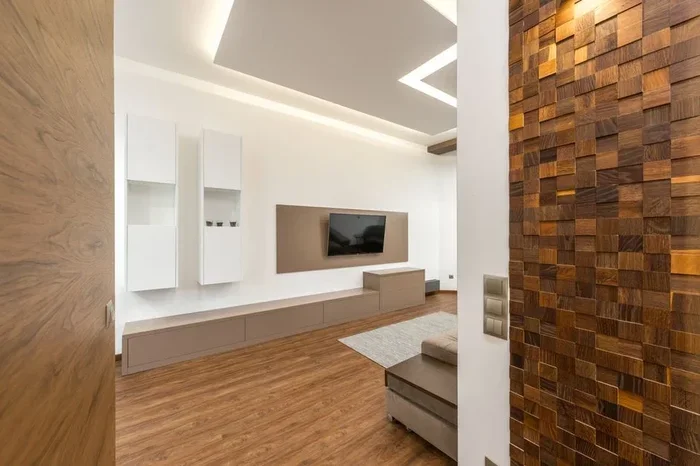
Wood-look vinyl planks are the most popular option right now, and for good reason. They give your living room a warm, natural feel that pairs beautifully with almost any furniture style. You can choose light oak for a bright, airy look or dark walnut for a more dramatic feel.
Wood-look vinyl works especially well in modern living rooms and Scandinavian-style spaces. The realistic wood grain patterns on today’s vinyl are truly impressive. Many brands even add a textured surface that feels like real wood under your feet.
If you love the look of real wood but cannot afford it, wood-look vinyl is your best bet. It gives you all the beauty with none of the high maintenance.
Stone-Look Vinyl Tiles
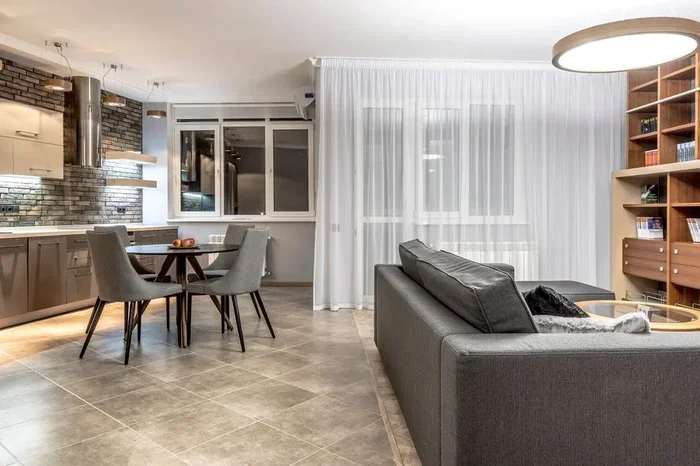
Stone-look vinyl tiles bring an elegant, sophisticated feel to any living room. They work beautifully in Mediterranean-style and modern minimalist interiors. The cool, smooth surface of stone-look vinyl adds a touch of luxury without the expensive price tag.
These tiles come in many patterns, from large-format marble looks to smaller mosaic designs. You can create a feature floor in your living room by using a different stone pattern in a specific area, like under the coffee table.
Bold Patterned Vinyl Floors
Not everyone wants a classic look. If you love bold design, patterned vinyl floors are a fantastic choice. Geometric patterns, Moroccan-inspired tiles, and chevron designs can turn a plain living room into a real showstopper.
Patterned vinyl works best in aesthetic living rooms where you want the floor to be a statement piece. Pair bold floors with neutral furniture so the pattern stays the star of the room. This is a great way to add personality without committing to permanent changes.
Light and Bright Vinyl Floors
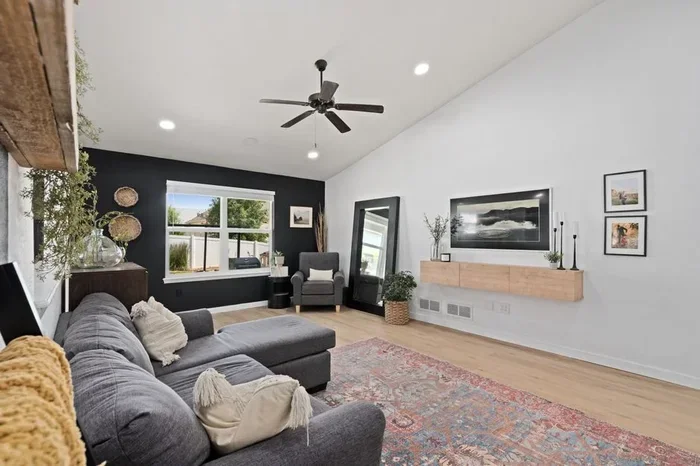
Light-colored vinyl floors make a small living room feel bigger and more open. They reflect natural light and create a cheerful, welcoming atmosphere. Shades like white oak, bleached maple, or light gray stone look stunning in bright, airy spaces.
If your living room gets plenty of sunlight, a light vinyl floor will enhance that brightness even more. This style also pairs wonderfully with neutral wall colors and minimalist furniture for a clean, cohesive look.
How to Choose the Right Vinyl Flooring for Your Living Room
Choosing the right vinyl flooring might feel overwhelming with so many options available. But it does not have to be. Here are the key factors to consider when making your decision.
Consider Your Living Room Size
The size of your living room matters when choosing vinyl flooring. Large rooms can handle bold patterns and dark colors without feeling cramped. Small rooms benefit from light colors and simple designs that create the illusion of more space. If you are unsure, a medium-toned vinyl plank in a classic pattern works well in almost any room size.
Think About Your Lifestyle
How you use your living room should influence your flooring choice. If you have active kids or pets, choose a thick, highly durable vinyl with a strong wear layer. If you prefer a quieter home, look for vinyl with an attached underlayment that reduces sound. For those who love to entertain, pick a vinyl that hides footprints and minor scratches well.
Match Your Existing Decor
Your vinyl floor should complement your existing furniture and wall colors. Look at your living room as a whole. What colors are your sofas and curtains? What style is your furniture? A cohesive look ties everything together and makes the room feel intentional and well-designed.
For example, if your living room has warm wood furniture, a warm-toned wood-look vinyl creates harmony. If your space features cool gray tones, a light gray stone-look vinyl keeps the mood consistent.
Installation Tips for Vinyl Flooring
Installing vinyl flooring in your living room is easier than most people think. Many modern vinyl products use a click-lock system that lets you install planks without glue or nails. This makes it a great DIY project for homeowners who enjoy hands-on work.
Preparing Your Subfloor
Before you start, make sure your subfloor is clean, dry, and level. Any bumps or debris can show through the vinyl and create an uneven surface. Use a leveling compound if needed to create a smooth base. Taking the time to prepare properly saves you headaches later.
Acclimate the Vinyl
Let your vinyl planks sit in the room for at least 48 hours before installation. This allows the material to adjust to the room temperature and humidity. Installing vinyl that has not been acclimated can lead to expansion or contraction problems down the road.
Start from the Center
A pro tip for installing vinyl flooring is to start from the center of the room and work outward. This ensures that any cut pieces on the edges look balanced and even. Measure carefully, and always leave a small gap along the walls for expansion.
Styling Your Living Room with Vinyl Flooring
Once your vinyl floor is in place, the next step is styling the rest of the room. The right furniture, accent pieces, and decor choices will make your new floor shine. Think of your vinyl floor as the foundation of your living room design.
For a modern aesthetic, pair light vinyl floors with sleek, low-profile furniture in neutral tones. Add a few accent pillows and a statement rug to bring color and texture into the space. If you lean toward a bohemian style, layer in textured throws, woven baskets, and plants for a cozy, inviting feel.
Do not be afraid to mix styles. A wood-look vinyl floor pairs beautifully with both contemporary and traditional furniture. The key is to keep the color palette consistent and let your vinyl floor anchor the room.
When choosing rugs, opt for ones that complement the vinyl color rather than compete with it. A well-placed rug can define your seating area and add warmth underfoot. For more ideas on arranging your living room, check out our guide on how to place furniture in the living room for expert tips on creating a balanced layout.
Common Mistakes to Avoid with Vinyl Flooring
Even though vinyl flooring is forgiving, some mistakes can shorten its lifespan or affect its appearance. Here are a few pitfalls to watch out for.
- Skipping the underlayment: An underlayment adds comfort, reduces noise, and protects the vinyl from moisture rising through the subfloor.
- Choosing the wrong thickness: Thinner vinyl wears out faster. For a living room, aim for at least 5mm thickness for lasting durability.
- Ignoring the wear layer: The wear layer is the protective top coat. A higher wear layer rating means better resistance to scratches and stains.
- Using harsh cleaners: Avoid abrasive cleaners that can damage the vinyl surface. Stick to gentle, vinyl-safe cleaning products.
- Forgetting expansion gaps: Vinyl expands and contracts with temperature changes. Skipping expansion gaps can cause buckling over time.
Avoiding these simple mistakes ensures your vinyl floor stays beautiful for many years. Take your time during installation, and do not rush the process.
Maintenance Tips for Long-Lasting Vinyl Floors
One of the best things about vinyl flooring is how easy it is to maintain. With just a little routine care, your living room floor will look great for years.
Sweep or vacuum your vinyl floor at least once a week to remove dirt and dust. Use a soft-bristle broom or a vacuum without a beater bar to avoid scratching the surface. For spills, wipe them up quickly with a damp cloth. Most stains come off easily with mild soap and warm water.
Every few months, give your floor a deeper clean using a vinyl-safe mop and cleaner. This removes built-up grime and keeps the finish looking fresh. Avoid steam mops, as excessive heat and moisture can damage the vinyl over time.
Place felt pads under furniture legs to prevent scratches. Use doormats at entryways to trap dirt before it reaches the floor. These small steps make a big difference in keeping your vinyl floor looking like new.
Cost Comparison: Vinyl vs. Other Flooring Options
Curious how vinyl stacks up against other popular flooring materials? Here is a quick comparison to help you understand the value vinyl brings to your living room.
| Flooring Type | Average Cost per Sq Ft | Durability | Water Resistance | Ease of Installation |
|---|---|---|---|---|
| Vinyl Plank | $2-$7 | High | Excellent | Very Easy |
| Hardwood | $8-$25 | High | Poor | Difficult |
| Laminate | $3-$10 | Medium | Low | Easy |
| Ceramic Tile | $5-$15 | Very High | Excellent | Difficult |
| Carpet | $2-$8 | Low | Poor | Easy |
As you can see, vinyl flooring offers excellent value across all categories. It is affordable, durable, waterproof, and easy to install. For a living room renovation on a budget, vinyl is hard to beat.
For more inspiration on creating a beautiful living room, explore our aesthetic living room ideas collection for design tips that pair perfectly with any vinyl floor.
Final Thoughts on Living Room Vinyl Flooring
Living room vinyl flooring ideas give you the power to transform your home without a huge budget or complex renovation. From realistic wood-look planks to bold patterned tiles, the options are endless. Vinyl is durable, easy to maintain, and incredibly versatile, which is why it has become a go-to choice for homeowners everywhere.
Take your time choosing the right style for your space. Consider your lifestyle, room size, and existing decor. With the right vinyl floor and a thoughtful approach to styling, your living room will feel brand new. Whether you are a DIY enthusiast or prefer hiring a professional, vinyl flooring delivers results that last.
Start exploring your options today, and let your living room floor be the foundation for a space you truly love. A fresh floor can change everything, and with vinyl, the transformation is easier than you think.
For more guidance on building a cohesive living room design, check out our accent pieces for the living room article for tips on adding the finishing touches that tie your entire space together.
Frequently Asked Questions
Is vinyl flooring good for living rooms with pets?
Yes, vinyl flooring is excellent for pet-friendly living rooms. It is scratch-resistant, waterproof, and easy to clean, which makes it ideal for handling pet hair, muddy paw prints, and occasional accidents. Choose a thicker vinyl with a high wear layer for the best protection against claws and heavy traffic.
Can I install vinyl flooring myself?
Absolutely. Most modern vinyl products use a click-lock system that makes DIY installation straightforward. You do not need glue, nails, or special tools. With basic preparation and careful measurement, most homeowners can install vinyl flooring in a single weekend.
How long does vinyl flooring last in a living room?
High-quality vinyl flooring can last 10 to 20 years with proper care. The lifespan depends on the thickness, wear layer rating, and how well you maintain the floor. Regular sweeping and avoiding harsh chemicals will keep your vinyl looking great for many years.
What is the difference between vinyl planks and vinyl tiles?
Vinyl planks are long, narrow pieces that mimic the look of hardwood flooring. Vinyl tiles are smaller, square pieces that often resemble stone or ceramic. Planks work best for a warm, cozy feel, while tiles create a more structured, elegant look in your living room.
Does vinyl flooring add value to a home?
While vinyl may not add as much resale value as hardwood, it is a practical and attractive choice that appeals to many buyers. Its durability, low maintenance, and wide range of styles make it a selling point for potential homebuyers who want a beautiful floor without the high cost.
Can I put rugs on top of vinyl flooring?
Yes, rugs work great on vinyl flooring and can add warmth, texture, and color to your living room. Just make sure to use rugs with a non-slip backing to prevent them from sliding on the smooth vinyl surface. This also protects the vinyl from any friction caused by furniture legs.