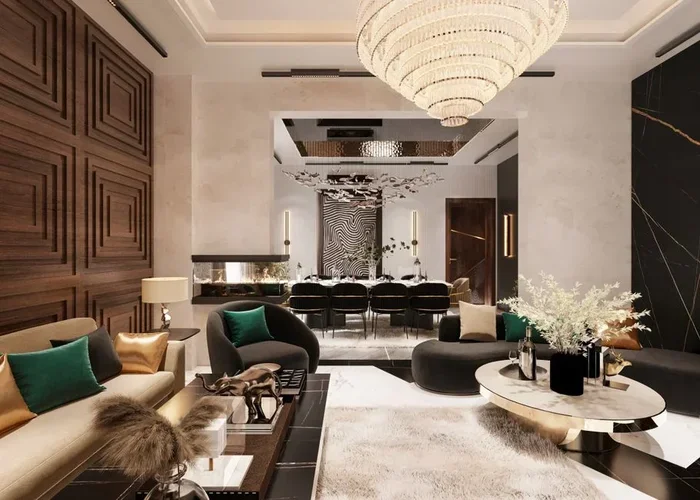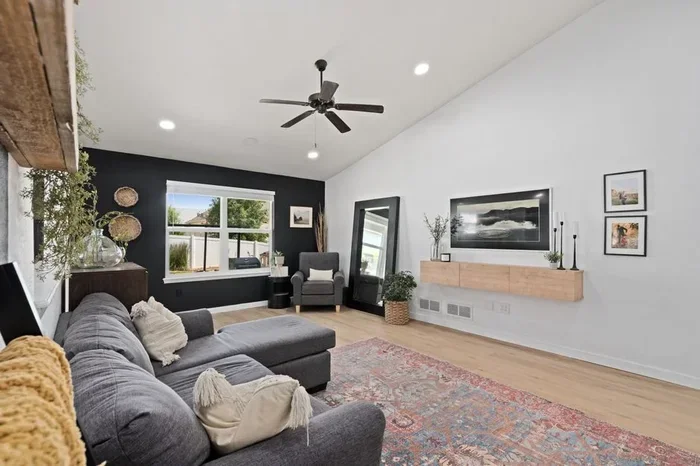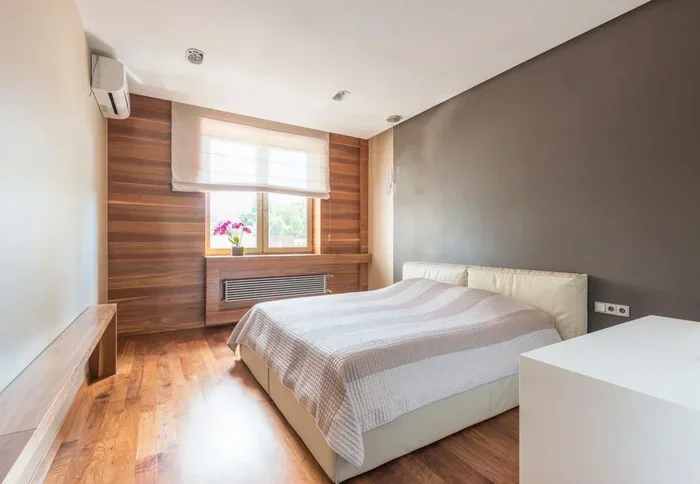
How to Create a Stunning Living Room Wood Accent Wall
A living room wood accent wall can completely change the feel of your space. It adds warmth, texture, and a focal point that grabs attention. Whether you prefer rustic, modern, or coastal vibes, wood wall ideas work for every style. This guide walks you through choosing materials, installation steps, and styling tips. You will also find common mistakes to avoid and expert advice to make your project a success.
Key Takeaways
- Wood accent walls boost your room’s warmth and visual appeal instantly.
- Multiple wood types and patterns exist, from shiplap to herringbone, so you can match any decor style.
- DIY installation is doable with basic tools and a little patience.
- Proper finishing and sealing protect your wood wall for years of beauty.
- Pair your wood wall with the right lighting and decor to maximize its impact.
- Avoid common pitfalls like skipping moisture barriers and ignoring room proportions.
📑 Table of Contents
How to Create a Stunning Living Room Wood Accent Wall
A living room wood accent wall is one of the easiest ways to upgrade your home. It brings in natural texture, adds depth, and creates a cozy atmosphere. People love wood walls because they feel warm and inviting. Plus, they work with almost any design style you can think of.
If you have been thinking about adding a wood feature wall to your living room, you are in the right place. This guide covers everything you need. From picking the right wood type to styling it with decor, we have got you covered. Let us dive in and make your living room look amazing.
Why a Wood Accent Wall Matters
Your living room is the heart of your home. It is where you relax, entertain guests, and spend quality time with family. The walls around you set the mood for the entire room. A plain painted wall can feel flat and uninspiring. A wood accent wall changes all of that in a heartbeat.
Wood adds a natural element that no paint color can replicate. It brings warmth and character into the space. Studies even show that natural materials like wood reduce stress and improve mood. So a wood wall is not just about looks. It is also about how your living room makes you feel.
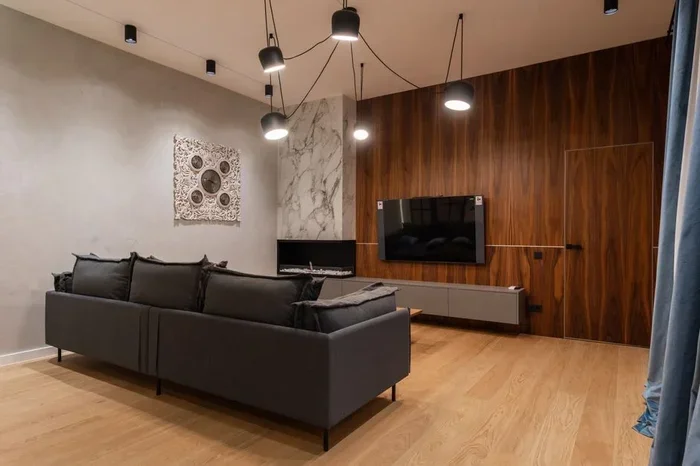
Wood walls also act as a natural focal point. They draw the eye and anchor the room’s design. Whether you place one behind your sofa or on a feature wall opposite the fireplace, it instantly elevates the space. Think of it as a piece of art that your whole room revolves around.
Top Benefits of a Wood Accent Wall
- Adds texture and dimension to an otherwise flat room.
- Works with any decor style, from modern to rustic.
- Increases home value by adding a premium feel.
- Hides wall imperfections like cracks or uneven surfaces.
- Easy to maintain compared to painted walls.
- Creates a cozy and inviting atmosphere for guests and family.
Choosing the Right Wood Type
Not all wood is created equal. The type of wood you choose will define the look and feel of your living room wood accent wall. There are many options out there, and each one brings a different vibe. Let us break down the most popular choices.
Reclaimed Wood
Reclaimed wood is a top pick for people who love a rustic or farmhouse look. It comes from old barns, fences, or warehouses. Each piece has its own history, with unique marks and patina. This gives your wall a one-of-a-kind character that new wood simply cannot match.
Reclaimed wood works beautifully in farmhouse and rustic wood wall designs. It pairs well with neutral colors and vintage furniture. If you love the idea of recycling and sustainability, reclaimed wood is a great choice.
Plywood and Engineered Wood
Plywood is budget-friendly and widely available. It comes in large sheets, which makes installation faster. You can stain or paint plywood to match your room. Many homeowners use plywood for a modern, clean look with visible wood grain.
Engineered wood, like MDF or particle board, is another affordable option. It is smooth and consistent, which makes it easy to work with. However, it does not have the same natural feel as solid wood. For a wood paneling project on a budget, plywood or engineered wood is a smart move.
Solid Wood Planks
Solid wood planks are the premium choice. They look rich, feel sturdy, and last for decades. Oak, walnut, pine, and cedar are popular options. Each wood species has its own grain pattern, color, and hardness level.
Solid wood is perfect for a high-end wood feature wall in your living room. It costs more than plywood or reclaimed options, but the payoff is huge. Your wall will look stunning and feel incredibly real and tactile.
Wood Veneer
Wood veneer is a thin layer of real wood glued onto a backing material. It gives you the look of solid wood at a fraction of the cost. Veneer is lightweight and easy to install. It comes in many wood types and finishes, so you have plenty of options.
If you want a natural wood look without the heavy price tag, veneer is worth considering. It works well for both modern living room and traditional designs.
Popular Wood Accent Wall Patterns
The pattern you choose can completely change the mood of your room. Different patterns create different vibes. Here are some of the most popular wood wall patterns to consider.
Shiplap
Shiplap is one of the most loved patterns for wood walls. It features horizontal boards with overlapping edges. This creates a clean, rustic look that works in almost any room. Shiplap is especially popular in farmhouse and coastal designs.
You can install shiplap horizontally or vertically. Horizontal shiplap makes a room feel wider. Vertical shiplap adds height and draws the eye upward. Both options look great as a living room wall design element.
Herringbone Pattern
Herringbone wood patterning adds a touch of elegance and sophistication. The boards are cut at 45-degree angles and laid in a zigzag pattern. This creates a dynamic visual effect that catches the eye from every angle.
Herringbone works best in modern and transitional living rooms. It pairs beautifully with light-colored wood like oak or maple. If you want your wood plank wall to feel upscale and refined, herringbone is the way to go.
Chevron Pattern
Chevron is similar to herringbone but with a key difference. The boards are cut at an angle at the ends, creating a continuous V-shaped pattern. This seamless look gives a more polished and uniform appearance.
Chevron patterns add movement and visual interest to a wall. They work well in contemporary living room spaces. If you want something bold and stylish, chevron wood panels are a fantastic choice.
Horizontal Slat Pattern
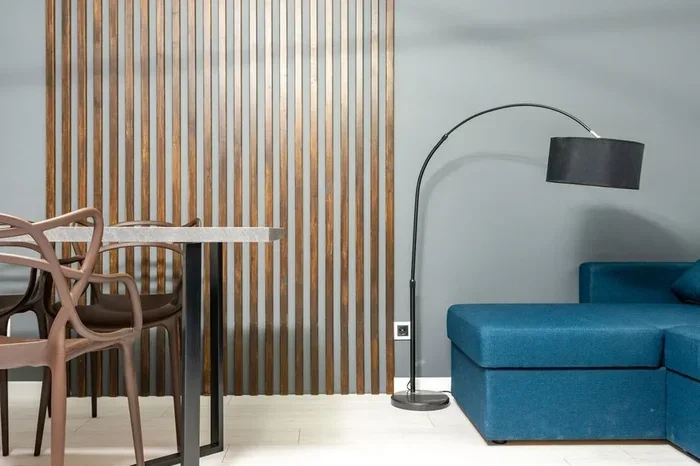
The horizontal slat pattern is simple and clean. It uses evenly spaced vertical boards laid horizontally. This pattern is minimal and modern, making it perfect for Scandinavian or minimalist designs.
Horizontal slats make a small room feel more open and airy. They are also one of the easiest patterns to install yourself. For a quick DIY wood wall project, horizontal slats are a great starting point.
Vertical Board Pattern
Vertical boards make a room feel taller and more spacious. They draw the eye upward and create a sense of height. This pattern works especially well in rooms with low ceilings.
Vertical wood walls pair nicely with tall furniture and vertical decor elements. They add structure and a sense of order to the room. If you want a clean and classic look, vertical board patterns are a solid choice.
Step-by-Step Installation Guide
Installing a wood accent wall might seem intimidating, but it is easier than you think. With the right tools and a little planning, you can do it yourself. Here is a simple step-by-step guide to get you started.
Step 1: Plan and Measure Your Wall
Start by measuring the wall you want to cover. Calculate the total square footage. This helps you figure out how much wood you need. Always add about 10% extra for cuts and mistakes.
Next, decide on your pattern and layout. Sketch it out on paper or use a design app. Mark the starting point on the wall. A straight and level start is key to a professional-looking finish.
Step 2: Gather Your Tools and Materials
Here is a basic list of what you will need:
- Wood planks, panels, or veneer (enough to cover your wall)
- Measuring tape and level
- Miter saw or circular saw for cutting
- Nail gun or screws for fastening
- Stud finder to locate wall studs
- Sandpaper for smoothing edges
- Wood stain, sealant, or paint for finishing
- Spacers to maintain even gaps between boards
Step 3: Prep the Wall Surface
Make sure your wall is clean, dry, and smooth. Remove any old wallpaper or loose paint. Fill in any holes or cracks with spackle. Let it dry completely before moving on.
If your wall has any moisture issues, address them first. Wood and moisture do not mix well. A moisture barrier can protect your wood wall from damage over time.
Step 4: Install the Wood Panels or Planks
Start from one corner and work your way across. Use a level to keep each row straight. Attach the wood to the wall studs using a nail gun or screws. This ensures a sturdy and secure installation.
Use spacers between boards to keep gaps consistent. This is especially important for shiplap and slat patterns. Work slowly and check your level often. Rushing this step can lead to uneven results.
Step 5: Cut and Fit the Edges
When you reach the edges of the wall, you will need to cut planks to fit. Measure carefully and mark your cuts. Use a miter saw for clean and precise edges. Take your time with this step to avoid mistakes.
For outlets and switches, turn off the power first. Use a template to mark the cutout. Cut carefully and test-fit the piece before securing it in place.
Step 6: Finish and Seal the Wood
Once all the wood is installed, it is time to finish. Sand any rough spots or splinters. Then apply your chosen finish. You can stain the wood to bring out the natural grain, or paint it to match your room.
Apply a sealant or polyurethane coat to protect the wood. This helps prevent scratches, moisture damage, and everyday wear. Two to three coats usually do the trick. Let each coat dry fully before applying the next.
Styling Your Wood Accent Wall
Installing your wood wall is only half the battle. The real magic happens when you style it with the right decor and furniture. A well-styled wood wall turns your living room into a showstopper. Here are some tips to make your wall shine.
Add Floating Shelves
Floating shelves look incredible on a wood accent wall. They add functional storage and display space. You can style them with books, plants, candles, and small decor items. This adds layers and visual interest to your wall.
For ideas on how to arrange shelves beautifully, check out our guide on how to style open shelves in the living room. It covers placement and styling tricks that work perfectly with wood walls.
Pair with Statement Lighting
Lighting can make or break the impact of your wood wall. A statement pendant light or wall sconces placed above or beside the wall create a dramatic effect. Warm lighting enhances the natural beauty of the wood grain.
Consider installing a wall-mounted lamp or picture lights to highlight the texture of the wood. This creates depth and adds a cozy glow to the entire living room.
Choose Complementary Furniture
Your furniture should complement your wood wall, not compete with it. Neutral tones like white, beige, and gray work beautifully. If your wall is a dark wood, lighter furniture creates a nice contrast. If the wall is light, darker furniture adds grounding and balance.
For tips on arranging furniture around your new accent wall, our article on how to place furniture in the living room offers practical advice you can use right away.
Layer in Textiles and Art
Throw pillows, area rugs, and curtains soften the room and add warmth. Choose fabrics in textures like linen, velvet, or cotton. These materials pair naturally with wood and create a cohesive look.
Hang a large piece of art or a gallery wall above your wood accent wall. This draws the eye upward and adds personality. Abstract art, nature prints, and black-and-white photography all work well with wood walls. You can also find inspiration in our collection of accent pieces for the living room to complement your new feature wall.
Add Plants for a Natural Touch
Plants and wood are a match made in design heaven. They bring life, color, and freshness to the room. Place a few potted plants near your wood wall or hang planters from the ceiling nearby.
Low-maintenance plants like pothos, snake plants, and fiddle leaf figs work great. They add a pop of green without requiring too much attention. This combination of wood and plants creates a calming and natural atmosphere in your living space.
Common Mistakes to Avoid
Even with the best intentions, mistakes can happen. Here are some common pitfalls to watch out for when creating your living room wood accent wall.
- Skipping the moisture barrier. Wood and moisture are a bad combination. Always use a moisture barrier, especially in humid climates or rooms near bathrooms and kitchens.
- Ignoring room proportions. A wood wall that is too large or too small can throw off the room’s balance. Measure carefully and choose a wall that fits the room’s size.
- Using the wrong wood finish. A glossy finish can look out of place in a rustic room. Match your finish to your overall design style.
- Forgetting about trim and molding. Clean edges and trim make a big difference. They give your wall a polished and finished look.
- Overcrowding the wall with decor. Let the wood wall be the star. Add a few well-chosen pieces, but avoid cluttering the space.
- Not testing the stain or color first. Always test your finish on a small, hidden area before committing to the whole wall.
Maintenance Tips for Your Wood Accent Wall
Once your wood accent wall is installed and styled, you want it to look great for years to come. The good news is that wood walls are relatively easy to maintain. A little care goes a long way.
Dust your wood wall regularly with a soft cloth or microfiber duster. This prevents buildup and keeps the grain looking clean. For deeper cleaning, use a lightly dampened cloth and dry it immediately after.
Avoid harsh chemical cleaners. They can strip the finish and damage the wood. Instead, use a gentle wood cleaner or a mixture of mild soap and water. Reapply sealant every one to two years to protect the surface.
Watch for signs of moisture damage, like warping or discoloration. If you notice any issues, address them quickly. Early intervention can save you from costly repairs down the road.
Also, keep your wood wall away from direct sunlight for long periods. UV rays can fade the wood color over time. Use curtains or blinds to protect your wall, especially on sunny windowsides.
Final Thoughts
Creating a living room wood accent wall is one of the most rewarding home improvement projects you can tackle. It transforms your space, adds value, and brings a sense of warmth and style that is hard to replicate with any other material. Whether you go for shiplap, herringbone, or a simple horizontal slat pattern, the result is always stunning.
Remember to choose the right wood type for your budget and style. Plan your layout carefully, follow the installation steps, and style your wall with complementary decor. Avoid common mistakes and keep up with simple maintenance. Your wood accent wall will be a source of pride and a conversation starter for years to come.
Start planning your wood accent wall today. You will be amazed at how much difference it makes in your living room. Happy building!
Frequently Asked Questions
What is the best wood for a living room accent wall?
The best wood depends on your style and budget. Reclaimed wood is perfect for rustic looks. Plywood is great for a budget-friendly option. Solid wood planks offer a premium and luxurious feel. Wood veneer gives you the natural wood look at a lower cost. Consider your room’s design and choose accordingly.
How much does it cost to install a wood accent wall?
The cost varies based on the wood type and wall size. Plywood and engineered wood are the most affordable options. Solid wood and reclaimed wood cost more but look stunning. On average, expect to spend between $500 and $3,000 for materials and installation. DIY projects can save you even more money.
Can I install a wood accent wall myself?
Yes, many wood accent wall projects are beginner-friendly. Shiplap and horizontal slat patterns are the easiest to install. You will need basic tools like a saw, nail gun, level, and stud finder. Follow a step-by-step guide and take your time. If you are careful and patient, you can achieve professional-looking results.
How do I style a wood accent wall in a modern living room?
For a modern look, choose light-colored wood with a clean pattern like herringbone or chevron. Pair it with minimalist furniture in neutral tones. Add statement lighting and a few curated decor pieces. Keep the wall itself the focal point and avoid cluttering it with too many items.
Do wood accent walls add value to a home?
Yes, wood accent walls can increase your home’s value. They add a premium and high-end feel to any room. Potential buyers love the warmth and natural beauty of wood walls. A well-designed wood accent wall can make your living room stand out during showings and open houses.
How do I protect my wood accent wall from moisture damage?
Always install a moisture barrier behind the wood. Use a sealed finish or polyurethane coat to protect the surface. Keep the wall away from areas with high humidity. If your living room is near a bathroom or kitchen, extra protection is essential. Reapply sealant every one to two years for long-lasting protection.