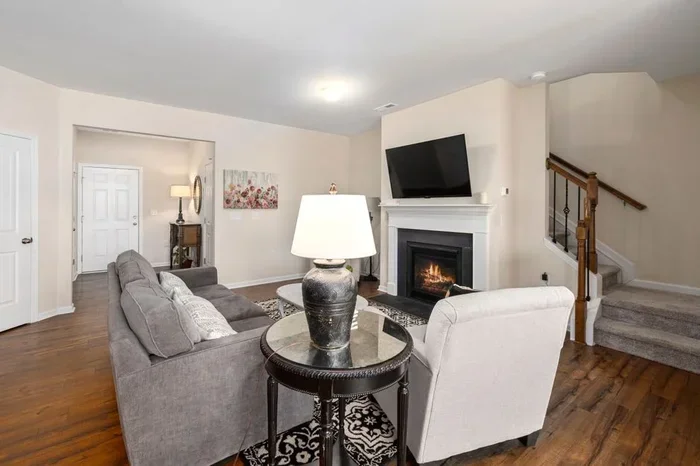
Transform Your Living Room With a Wood Beam Ceiling
A living room wood beam ceiling adds warmth, character, and timeless charm to any home. Whether you prefer a rustic farmhouse look or a sleek modern aesthetic, exposed wood beams can elevate your entire room. This guide covers everything from installation steps and design ideas to maintenance tips and cost considerations. You will learn how to choose the right beam style, pair it with furniture, and avoid common pitfalls that ruin the look.
A living room wood beam ceiling has the power to completely change the feel of a room. It brings a sense of warmth, history, and craftsmanship that modern flat ceilings often lack. If you have been searching for a way to make your living space feel more inviting and stylish, wood ceiling beams might be exactly what you need.
Many homeowners underestimate how much impact a ceiling can have on a room. Walls get all the attention, but the overhead space sets the tone for the entire atmosphere. Adding wood beams creates depth, visual interest, and a focal point that draws the eye upward. It is one of the simplest ways to give your room a dramatic makeover without a full renovation.
The beauty of a wood beam ceiling is that it fits almost any design style. You can go for a rough, rustic farmhouse look or keep things clean and contemporary. The right beams pair beautifully with furniture arrangements, lighting choices, and accent pieces. They also work wonders when combined with open shelving or built-in storage solutions. Let us dive into everything you need to know about bringing this timeless feature into your home.
Key Takeaways
- Instant Character: A wood beam ceiling brings warmth and texture that flat ceilings simply cannot match.
- Versatile Style: Wood beams work with farmhouse, rustic, modern, and eclectic design themes.
- Boosts Home Value: Exposed beams are a sought-after feature that can increase property appeal.
- Multiple Options: Choose from real wood, faux beams, reclaimed wood, and various finishes to fit your budget.
- Proper Installation Matters: Whether DIY or professional, correct mounting ensures safety and a polished look.
- Easy Maintenance: Regular dusting and occasional sealing keep wood beams looking beautiful for decades.
📑 Table of Contents
What Is a Living Room Wood Beam Ceiling?
A wood beam ceiling is exactly what it sounds like. It involves installing wooden beams across the ceiling to create a structured, textured look. These beams can be structural or purely decorative, depending on your home’s design and your goals.
Wood beam ceilings have been around for centuries. They were originally used in barns, cabins, and old European homes where heavy timber was the only option. Today, they serve both structural and aesthetic purposes. You can install them in homes with flat ceilings to add dimension or highlight a vaulted or cathedral ceiling design.
Types of Wood Beams for Ceilings
Not all wood beams are the same. The type you choose affects the look, weight, cost, and installation process. Here are the most common options available:
- Solid Hardwood Beams: Made from oak, pine, cedar, or walnut. These are heavy, durable, and offer a natural grain pattern that looks incredible.
- Reclaimed Wood Beams: Salvaged from old barns or buildings. They carry character, history, and a unique weathered appearance that new wood cannot replicate.
- Faux Wood Beams: Made from lightweight materials like polyurethane or MDF. They mimic the look of real wood without the weight or cost. Perfect for renters or budget-conscious homeowners.
- Engineered Wood Beams: A mix of real wood veneers and composite materials. They offer the authentic look of solid wood at a lower price point.
- Laminated Beams: Multiple thin layers of wood glued together. These are strong, stable, and available in various sizes to fit different ceiling heights.
Each type has its strengths. Solid hardwood looks the most authentic but costs more and weighs significantly more. Faux beams are the easiest to install and the most affordable. Reclaimed wood is perfect if you want a story behind every beam in your room.
Benefits of Installing a Wood Beam Ceiling
There are so many reasons homeowners choose to add wood beams to their living room ceiling. Beyond the obvious visual appeal, there are practical benefits that make this upgrade worthwhile.
Enhances Room Aesthetics
A wood beam ceiling instantly adds texture and depth to a room. It breaks up the flatness of a standard ceiling and creates visual layers. When paired with the right lighting and furniture, the effect is stunning. You can find countless aesthetic living room ideas that feature exposed wood beams as the centerpiece of the design.
Creates a Warm and Inviting Atmosphere
Wood naturally radiates warmth. It softens hard surfaces and makes a room feel cozy rather than cold. This is especially helpful in living rooms with large windows or open floor plans where the space can feel too expansive without enough visual warmth.
Increases Property Value
Homebuyers love unique features. A well-designed wood beam ceiling is a selling point. It signals craftsmanship and attention to detail. Even if you are not planning to sell anytime soon, knowing your home has added value is a nice bonus.
Hides Imperfections
Older homes often have uneven ceilings, exposed ductwork, or outdated lighting. Wood beams can cleverly cover these flaws while turning them into a design feature. You can arrange beams to conceal pipes or electrical wiring without sacrificing style.
Design Ideas for a Wood Beam Ceiling
The design possibilities with a wood beam ceiling are nearly endless. Your choice of beam style, finish, and placement will define the entire mood of the room. Here are some popular design directions to consider.
Rustic Farmhouse Style
This is the most classic use of wood beams. Think rough-hewn pine or cedar beams with visible knots and natural grain. Pair them with a stone fireplace, leather furniture, and warm-toned rugs. The farmhouse look feels cozy, grounded, and full of charm. If you are drawn to this style, explore rustic living room inspiration to see how beams fit into the bigger picture.
Modern Minimalist Style
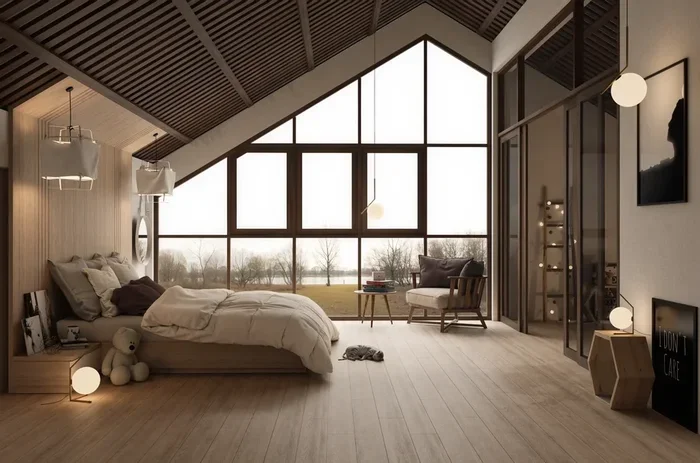
Do not assume wood beams only work for rustic homes. In a modern living room, you can use slim, clean-lined beams in a light stain or natural finish. Keep the rest of the room simple with neutral walls and minimal decor. The beams add just enough texture without overwhelming the space. This approach works beautifully in lofts and open-concept homes.
Mediterranean or Tuscan Style
Think warm terracotta walls, arched doorways, and thick wooden beams. This style brings the feeling of an Italian countryside villa into your home. You can pair wood beams with wrought iron fixtures, ceramic tiles, and earthy color palettes. An Italian living room set or Italian living room furniture complements this look perfectly.
Coastal or Beach House Style
Light-colored beams, such as whitewashed pine or bamboo, work beautifully in coastal-themed living rooms. They add a relaxed, airy feel that pairs well with soft blues, whites, and natural textures. Combine with woven rugs, linen furniture, and simple wall art for a breezy coastal vibe.
Industrial Style
Pair dark, heavy wood beams with metal accents, exposed brick, and concrete floors. The contrast between warm wood and cool industrial elements creates a balanced, eye-catching look. You can add industrial wall shelves for living room to enhance the layered, curated feel of the space.
Bohemian and Eclectic Style
Go bold with mismatched beam finishes, vibrant paint colors, or even carved beam details. Bohemian spaces thrive on texture and personality, and wood beams provide the perfect foundation. Layer in accent pieces for living room like woven baskets, macrame wall hangings, and colorful throw pillows to complete the look.
Pairing Beams with Furniture Layout
How you arrange your furniture matters just as much as the beams themselves. You want the beams to complement the furniture, not compete with it. Place larger pieces like sofas against walls that have fewer beams to let the ceiling feature shine. Use how to place furniture in living room techniques to ensure a balanced flow that highlights both the beams and the room’s function.
How to Install a Wood Beam Ceiling
Installing a wood beam ceiling is a project that requires planning, the right tools, and a clear understanding of your ceiling structure. You can either hire a professional or tackle it as a DIY project if you have basic carpentry skills.
Step-by-Step Installation Process
- Plan Your Layout: Decide on beam placement before purchasing materials. Measure the room and sketch a layout. Consider the spacing between beams, typically 2 to 4 feet apart, depending on the desired look.
- Choose Your Beams: Select the type, size, and finish of beams based on your design vision and budget. Remember that heavier beams require stronger support structures.
- Prepare the Ceiling: Clear the area below the ceiling. Check for any electrical wiring or plumbing that might be in the way. Make sure the ceiling surface is clean and dry.
- Install Support Brackets: Secure mounting brackets or ledger strips to the ceiling joists. These will hold the weight of the beams. Use a level to ensure everything is straight.
- Attach the Beams: Lift each beam into place and secure it to the brackets with screws or bolts. Double-check that every beam is level and firmly attached.
- Finish and Seal: Sand any rough spots, apply your chosen stain or paint, and seal the beams with a protective finish. This step is crucial for durability and easy maintenance.
DIY vs. Professional Installation
Faux beams are the best option for a DIY project. They are lightweight and easy to mount with construction adhesive or small brackets. Real hardwood beams, on the other hand, can be very heavy and may require professional installation to ensure safety and structural integrity. If you are unsure, consult a contractor for an assessment before starting.
Maintenance and Care Tips
Once your wood beam ceiling is installed, keeping it looking great is straightforward. With minimal effort, your beams will stay beautiful for many years.
Regular Cleaning
Dust your beams weekly with a soft microfiber cloth or a gentle duster. For deeper cleaning, use a damp cloth with a mild wood cleaner. Avoid harsh chemicals that can strip the finish or damage the wood grain.
Sealing and Protection
Apply a wood sealant or polyurethane finish every one to two years, depending on the room’s humidity levels. This protects the beams from moisture, warping, and UV damage. Pay extra attention to beams near windows where sunlight can cause fading.
Dealing with Minor Damage
Small scratches can be touched up with a matching wood marker or filler. For deeper damage, sand the affected area lightly and reapply stain and sealant. Keeping a small amount of your original stain or finish on hand makes repairs much easier.
Watch for Pests
Real wood beams can occasionally attract insects like wood-boring beetles or termites. Inspect your beams periodically for tiny holes, sawdust, or hollow spots. If you notice any signs of pest activity, treat the area promptly with appropriate solutions or consult a pest control professional.
Common Mistakes to Avoid
Even with the best intentions, homeowners sometimes make mistakes when installing or styling a wood beam ceiling. Here are the most common ones to watch out for.
- Choosing the Wrong Beam Size: Oversized beams can overwhelm a small room, while undersized beams get lost in a large space. Always consider your ceiling height and room dimensions before deciding on beam size.
- Ignoring the Room’s Purpose: A heavy, dark beam ceiling might feel too oppressive in a home office but perfect in a cozy living room. Think about how you use the space daily.
- Skipping the Sealant: Unsealed wood absorbs moisture and stains easily. Always finish your beams with a protective coat to extend their lifespan.
- Forgetting About Lighting: The right lighting can make or break a beam ceiling design. Use recessed lights, pendant fixtures, or wood beam chandelier options to highlight the beams and create ambiance.
- Overcrowding the Room: Beams are a statement piece. Let them shine by keeping the rest of the decor balanced. Avoid cluttering the room with too many competing elements.
One of the best ways to avoid these mistakes is to study real examples and plan thoroughly before you begin. Look at how others have styled their beam ceilings and take note of what works in your space.
Cost Considerations for a Wood Beam Ceiling
The cost of a wood beam ceiling varies widely based on the type of wood, the size of the room, and whether you hire a professional. On average, expect to spend between $500 and $5,000 for a standard living room installation.
- Faux Beams: $50 to $200 per beam. The most affordable option with the easiest installation.
- Reclaimed Wood Beams: $200 to $500 per beam. Prices vary based on the age, size, and condition of the wood.
- Solid Hardwood Beams: $300 to $1,000+ per beam. The premium option with the most authentic look and feel.
- Professional Installation: Adds $1,000 to $3,000 depending on complexity, ceiling height, and your location.
While the upfront cost can feel significant, remember that a wood beam ceiling is a long-term investment. It adds lasting value to your home and creates a feature that you and your guests will enjoy for years to come.
Conclusion
A living room wood beam ceiling is one of the most impactful upgrades you can make to your home. It transforms a plain room into a warm, character-rich space that reflects your personal style. Whether you lean toward rustic, modern, Mediterranean, or bohemian, there is a wood beam design that fits perfectly.
The installation process requires some planning and effort, but the results are well worth it. From choosing the right beam type to maintaining the finish over time, every step contributes to the final outcome. Avoid common mistakes, pair your beams with thoughtful furniture placement and accent pieces, and let the ceiling become the highlight of your room.
If you are ready to take the next step, start by exploring design inspiration and gathering ideas that match your taste. A wood beam ceiling is not just a design trend. It is a timeless feature that adds beauty, value, and personality to your home for generations to come.
Frequently Asked Questions
What is the best type of wood for a living room beam ceiling?
Solid hardwood like oak, pine, or cedar is the most popular choice for its durability and natural beauty. Reclaimed wood is also a great option if you want a unique, weathered look. For a budget-friendly alternative, faux beams made from polyurethane or MDF mimic the appearance of real wood very well.
Can I install a wood beam ceiling myself?
Yes, faux beams are lightweight and easy enough for a DIY installation. Solid hardwood beams are much heavier and may require professional help to ensure safe and secure mounting. Always assess your ceiling structure and your comfort level with the project before starting.
How much does it cost to install a wood beam ceiling?
Costs range from about $500 for a simple faux beam project to $5,000 or more for solid hardwood with professional installation. The final price depends on the type of wood, number of beams, room size, and whether you hire a contractor.
Do wood beam ceilings make a room feel smaller?
Not usually. Wood beams actually add visual interest and can make a room feel more spacious by drawing the eye upward. However, choosing beams that are too large or too dark for a small room can create a cramped feeling. Opt for lighter, slimmer beams in smaller spaces.
How do I maintain a wood beam ceiling?
Dust your beams regularly with a soft cloth. Apply a wood sealant or protective finish every one to two years to guard against moisture and UV damage. Address any scratches or minor damage promptly with matching wood filler or stain.
What lighting works best with a wood beam ceiling?
Recessed lighting, pendant fixtures, and chandeliers all work beautifully with wood beam ceilings. Warm-toned LED bulbs create a cozy atmosphere. You can also install lighting along the beams themselves to highlight their texture and grain. For more lighting and decor inspiration, check out aesthetic living room ideas to see how different lighting styles complement beam ceilings.
=== CONCLUSION ===
A living room wood beam ceiling brings timeless charm and undeniable character to any space. It is a feature that combines beauty, warmth, and lasting value in one stunning design element. With the right wood type, finish, and placement, your ceiling becomes the defining feature of your entire living room. Take your time planning, choose a style that reflects your personality, and enjoy the transformation. Your dream living room starts from the top down.