Stunning Living Room Wood Flooring Ideas You Will Love
Living room wood flooring sets the tone for your entire home’s style and warmth. Whether you prefer rustic oak, sleek engineered wood, or modern herringbone patterns, the right floor can completely change how your living room feels. In this guide, you will learn about the best wood flooring types, popular design ideas, installation tips, and how to maintain your floors for years to come.
Nothing beats the timeless beauty of living room wood flooring. Wood floors bring a natural warmth that carpet simply cannot match. They feel great underfoot, look incredible, and last for decades when properly cared for.
Whether you are building a new home or refreshing your current space, choosing the right wood floor is one of the biggest decisions you will make. The good news is that there are so many options available today. From classic oak to trendy wire-brushed finishes, you are sure to find something that fits your style and budget.
In this guide, we will walk you through everything you need to know about living room wood flooring. You will discover the best wood types, popular design patterns, color trends, and practical tips for installation and care. Let us dive in and explore the world of wood floors together.
Key Takeaways
- Wood flooring adds warmth and value: Natural wood transforms any living room into a cozy, inviting space while boosting home resale value.
- Multiple wood types exist: From solid hardwood to engineered wood and laminate, each option has unique benefits for different budgets and lifestyles.
- Patterns matter: Herringbone, chevron, and parquet patterns create visual interest and elevate your room’s design.
- Color choice is key: Light woods open up small rooms, while dark woods add drama and sophistication to larger spaces.
- Maintenance keeps floors beautiful: Regular cleaning and proper sealing protect your wood floors from damage and wear.
- Professional vs DIY installation: Some wood flooring types are beginner-friendly, while others benefit from professional setup.
📑 Table of Contents
- Why Wood Flooring Is Perfect for Your Living Room
- Types of Wood Flooring for Living Rooms
- Popular Wood Flooring Patterns and Designs
- Wood Flooring Colors and Stains
- How to Choose the Best Wood Flooring for Your Living Room
- Maintaining Your Living Room Wood Flooring
- Wood Flooring Trends to Watch
- Conclusion
Why Wood Flooring Is Perfect for Your Living Room
Living room wood flooring has been a favorite choice for homeowners for generations. And it is easy to see why. Wood floors bring a sense of elegance and natural beauty that other materials simply cannot replicate.
First, wood flooring is incredibly durable. A quality hardwood floor can last 50 to 100 years with proper care. That means you invest once and enjoy the results for a lifetime. Unlike carpet, wood floors do not trap dust, allergens, or pet dander. This makes them a healthier choice for families and people with allergies.
Wood floors also add significant value to your home. According to real estate studies, homes with hardwood floors sell faster and at higher prices. Buyers love the look and feel of real wood underfoot. When you choose living room wood flooring, you are investing in both beauty and long-term home value.
Warmth and Comfort Underfoot
One thing many people overlook is how wood floors feel in real life. They feel warm and inviting, especially compared to tile or stone. During colder months, wood naturally retains heat, making your living room more comfortable without extra heating costs.
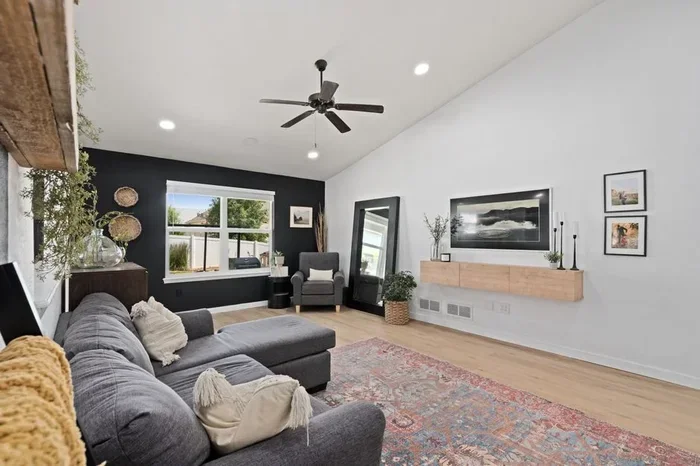
Pair your wood floors with a cozy rug in the seating area, and you create a perfect balance of style and comfort. Adding accent pieces for living room like throw pillows and wooden side tables complements the natural beauty of your wood floor beautifully.
Types of Wood Flooring for Living Rooms
Not all wood floors are created equal. Different materials offer different benefits, and choosing the right one depends on your budget, lifestyle, and design goals. Let us break down the most popular options.
Solid Hardwood Flooring
Solid hardwood is the gold standard of wood flooring. It is made from a single piece of natural wood, typically oak, maple, walnut, or cherry. Solid hardwood is incredibly durable and can be sanded and refinished multiple times over its lifetime.
The downside is that solid hardwood costs more upfront. It also requires a stable indoor environment, as wood can expand and contract with humidity changes. If you live in a very dry or very humid climate, you may need to monitor your floors more closely.
Engineered Wood Flooring
Engineered wood flooring is a smart alternative to solid hardwood. It features a real wood top layer bonded to a plywood or high-density fiberboard base. This construction makes engineered wood more stable and less prone to warping.
Engineered wood works well in basements and rooms with moisture concerns. It is also typically more affordable than solid hardwood, which makes it a popular choice for homeowners who want the look of real wood without the premium price tag.
Laminate Wood Flooring
Laminate wood flooring mimics the look of real wood at a fraction of the cost. It is made from high-density fiberboard with a printed wood image layer and a protective wear layer on top. While it is not real wood, modern laminate looks surprisingly authentic.
Laminate is easy to install, often using a click-lock system that snaps together without glue or nails. It is also very resistant to scratches and stains. However, laminate cannot be refinished like solid hardwood, so you will need to replace it if it becomes damaged over time.
| Flooring Type | Durability | Cost | Refinishable | Best For |
|---|---|---|---|---|
| Solid Hardwood | Excellent | High | Yes, multiple times | Long-term investment |
| Engineered Wood | Very Good | Medium-High | Limited (1-2 times) | Moisture-prone areas |
| Laminate | Good | Low-Medium | No | Budget-friendly projects |
Popular Wood Flooring Patterns and Designs
The way your wood planks are laid can completely change the look of your living room. Pattern selection is just as important as choosing the right wood type. Let us explore some of the most popular designs.
Herringbone Pattern
The herringbone pattern is one of the most sought-after designs in modern living room wood flooring. Planks are laid at right angles to each other, creating a zigzag effect that adds depth and visual interest. This pattern works beautifully in both traditional and contemporary settings.
Herringbone flooring draws the eye across the room, making the space feel larger and more dynamic. It is especially stunning in open-concept living areas where the floor flows from one zone to the next. If you want a floor that feels like a work of art, herringbone is an excellent choice.
Chevron Pattern
Chevron flooring is similar to herringbone but with a key difference: the planks are cut at an angle so they meet perfectly at the ends. This creates a continuous V-shaped pattern that flows seamlessly across the room.
Chevron patterns feel more formal and polished than herringbone. They pair well with modern wood flooring styles and minimalist design aesthetics. Many homeowners choose chevron for a sophisticated, high-end look that turns heads.
Classic Straight Lay
The straight lay pattern is the most traditional and common installation method. Planks run parallel to the walls, creating clean lines and a timeless appearance. This pattern works in almost any room size and style.
Straight lay is also the most affordable installation option because it requires less cutting and waste. If you prefer a simple, elegant look that never goes out of style, straight lay wood flooring is a reliable choice.
Wood Flooring Colors and Stains
The color of your wood floor plays a huge role in your room’s overall mood. Lighter colors make spaces feel open and airy, while darker colors add richness and drama. Let us look at the most popular options.
Light Wood Floors
Light wood floors, such as natural oak or maple, create a bright and welcoming atmosphere. They reflect natural light and make small living rooms feel more spacious. Light floors also pair well with almost any wall color and furniture style.
If your living room has limited windows, light wood flooring can help compensate by bouncing available light around the room. This is a smart choice for living room design in apartments and smaller homes.
Medium Wood Floors
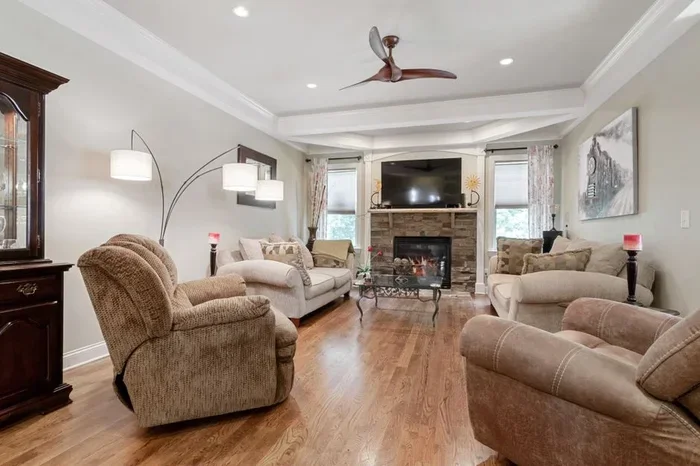
Medium-toned wood floors, like honey oak or walnut, strike a perfect balance between light and dark. They are warm without being overpowering and complement a wide range of interior styles. Medium floors are arguably the most versatile option for living room wood flooring.
Dark Wood Floors
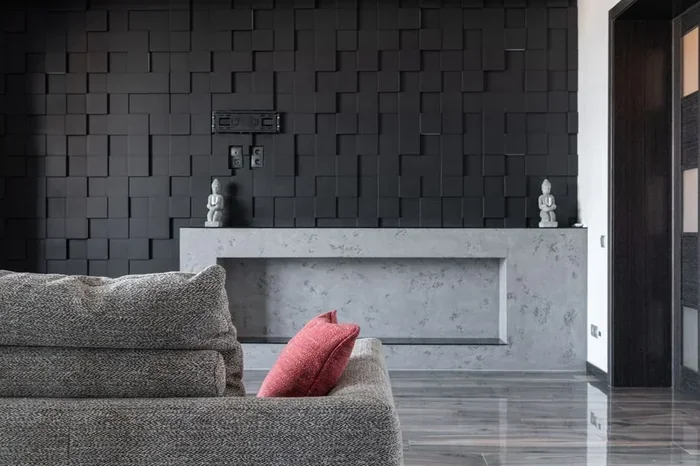
Dark wood floors, such as espresso-stained oak or mahogany, create a dramatic and luxurious feel. They work best in larger living rooms with plenty of natural light. Dark floors add a sense of sophistication and can make a bold design statement.
However, dark floors can make small rooms feel cramped if not paired with adequate lighting. If you love the look of dark wood but have a small space, consider adding large windows, mirrors, or lighter-colored walls to keep the room feeling open.
How to Choose the Best Wood Flooring for Your Living Room
Choosing the right wood flooring involves more than just picking a pretty wood sample. Several practical factors should guide your decision. Here is what you need to consider before making your final choice.
Budget Considerations
Your budget will likely play a big role in your flooring decision. Solid hardwood tends to cost the most, while laminate offers the best value. Engineered wood falls somewhere in the middle. Remember to factor in installation costs, which can vary depending on the complexity of the pattern and your region.
Keep in mind that wood flooring is a long-term investment. A higher upfront cost often means better durability and a longer lifespan. When calculating your budget, think about the long-term value, not just the initial price.
Lifestyle and Traffic
Consider how your living room is used on a daily basis. Do you have young children or active pets? High-traffic areas need harder, more scratch-resistant woods like oak or hickory. If your living room is mostly for quiet relaxation and entertaining, you have more flexibility in your wood choice.
Also think about your maintenance willingness. Some wood floors require regular polishing and occasional refinishing. Others, like laminate, need minimal upkeep. Choose a flooring type that fits your lifestyle and how much time you want to spend on care.
Room Size and Layout
The size and layout of your living room should influence your flooring choice. Large rooms can handle bold patterns and dark colors without feeling overwhelmed. Small rooms benefit from light colors and simple layouts that create an illusion of more space.
When you are ready to furnish your newly floored living room, remember that proper furniture placement makes a big difference. Learning how to place furniture in living room correctly will showcase your beautiful wood floors and create a balanced, inviting space.
Maintaining Your Living Room Wood Flooring
Once your wood floors are installed, proper maintenance keeps them looking beautiful for decades. The good news is that wood floor care is simpler than most people think.
Daily Cleaning Routine
Sweep or vacuum your wood floors regularly to remove dust and dirt. Use a soft-bristle broom or a vacuum attachment designed for hard floors. Avoid vacuums with beater bars, as they can scratch the wood surface.
For spills, wipe them up immediately with a damp cloth. Standing water can damage wood floors over time, so quick cleanup is essential. Use a wood-friendly cleaner recommended by your flooring manufacturer for best results.
Protective Measures
Place felt pads under furniture legs to prevent scratches. Use area rugs in high-traffic zones like entryways and seating areas. Avoid wearing high heels or cleats on wood floors, as they can leave dents.
Direct sunlight can also cause wood floors to fade or discolor over time. Use curtains or UV-protective window film to shield your floors from harsh rays. These simple steps go a long way in preserving the natural beauty of your living room wood flooring.
Refinishing and Recoating
Even with excellent care, wood floors may need refinishing eventually. Solid hardwood can typically be sanded and refinished 3 to 5 times during its lifespan. Engineered wood can usually be refinished once or twice, depending on the thickness of the top layer.
Recoating, which involves applying a new protective finish without sanding, is a quicker and less expensive option for floors that still have good structure but look dull. Refinishing can dramatically refresh a room and is one of the best ways to keep your wood floors looking brand new.
Wood Flooring Trends to Watch
Wood flooring trends evolve over time, and staying current can inspire your next project. Here are some trends gaining popularity in the world of living room wood flooring.
Wide plank flooring, typically 5 to 8 inches wide, is trending strongly. Wide planks create fewer seams and give rooms a more modern, spacious feel. They also highlight the natural character of the wood grain more prominently.
Wire-brushed finishes are another hot trend. This technique removes the soft wood fibers, leaving behind a textured surface that looks rustic and feels durable. Wire-brushed floors hide wear and aging beautifully, making them perfect for busy households.
Reclaimed and distressed wood is also gaining popularity among homeowners who love the character of aged wood. These floors bring a unique story and charm to any living space, perfectly complementing rustic and farmhouse design styles.
When designing your living room around wood floors, consider exploring aesthetic living room ideas that showcase the natural beauty of wood. Pairing your floors with the right wall colors, furniture, and lighting creates a cohesive and stunning space that you will love coming home to.
Conclusion
Living room wood flooring is one of the best investments you can make for your home. It combines timeless beauty, lasting durability, and significant home value in one beautiful package. Whether you choose solid hardwood, engineered wood, or laminate, the right wood floor will transform your living room into a space you are proud to show off.
Take your time choosing the wood type, pattern, and color that best suits your style and lifestyle. With proper care and maintenance, your wood floors will look stunning for decades. Start exploring your options today, and take the first step toward a warmer, more beautiful living room.
Frequently Asked Questions
What is the best wood type for living room flooring?
Oak is the most popular choice for living room flooring because it is durable, widely available, and comes in many stain options. Maple and walnut are also excellent choices, each offering a unique look and hardness level. Your final choice should depend on your budget, style preference, and how much wear and tear the floor will endure.
How long does wood flooring last in a living room?
Solid hardwood flooring can last 50 to 100 years with proper care. Engineered wood typically lasts 30 to 50 years. Laminate floors have a shorter lifespan of 15 to 25 years but are more affordable upfront. Regular maintenance, including cleaning and refinishing, significantly extends the life of any wood floor.
Can I install wood flooring myself?
Laminate and some engineered wood floors are designed for DIY installation with click-lock systems. Solid hardwood installation is more complex and usually benefits from professional experience. If you are handy and willing to learn, floating wood floors can be a manageable weekend project for confident homeowners.
How much does living room wood flooring cost?
Costs vary widely depending on the material and quality. Solid hardwood typically ranges from $8 to $14 per square foot installed. Engineered wood costs between $6 and $12 per square foot. Laminate is the most affordable option at $3 to $8 per square foot. Remember to factor in the cost of underlayment, trim, and installation labor.
Is wood flooring good for homes with pets?
Yes, wood flooring is a great choice for pet owners. Hard woods like oak and hickory resist scratches better than softer woods. However, pet claws can still cause damage, so keeping nails trimmed helps. Wood floors are also easier to clean than carpet, making them more hygienic for homes with animals.
How do I choose the right wood floor color for my living room?
Consider your room’s natural light, wall color, and furniture style. Light floors work well in dim rooms and pair with almost any decor. Dark floors add drama and sophistication to well-lit spaces. Medium tones are the most versatile and hide dirt and wear better than very light or very dark options.