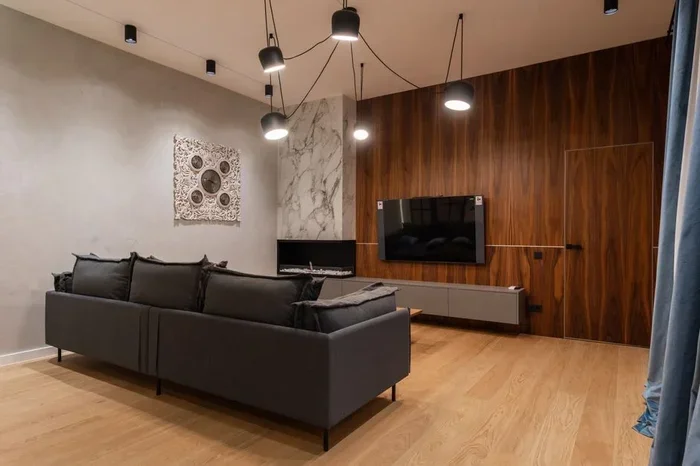
Living Room Wall Panelling Ideas to Transform Your Space
Living room wall panelling ideas offer a simple yet powerful way to refresh your space without a full renovation. Whether you prefer classic wainscoting, trendy shiplap, or bold 3D designs, panelling adds depth, texture, and character to any wall. This guide covers everything from DIY installation to styling tips that make your panels shine.
Wall panelling has been a favourite design choice for centuries. From grand Victorian homes to modern apartments, it never goes out of style. If you want to give your living room an upgrade, living room wall panelling ideas are one of the best places to start. Panels add warmth, texture, and a sense of craftsmanship that plain walls simply cannot match. Whether you rent or own, there is a panelling option that fits your space and budget.
The beauty of wall panelling lies in its versatility. You can go classic with raised moulding, go modern with sleek geometric panels, or get creative with bold colours and patterns. The best part? You do not need to be a carpenter to pull it off. With the right guidance, anyone can transform a boring wall into a stunning feature. Let us dive into the best ideas and show you how to make them work in your home.
Key Takeaways
- Wall panelling boosts visual interest: It adds texture, depth, and a focal point that makes your living room feel complete.
- Many styles to choose from: Shiplap, wainscoting, 3D panels, and geometric designs each bring a unique vibe to your space.
- Mix panelling with accent pieces: Pair panels with shelves, art, and lighting for a layered, polished look.
- Budget-friendly options exist: You can achieve a high-end look using affordable materials and simple DIY techniques.
- Proper placement matters: Choosing the right wall and height ensures your panelling enhances the room’s proportions.
- Maintenance is simple: Most panel materials need only occasional cleaning to stay looking fresh for years.
📑 Table of Contents
Why Wall Panelling Works for Living Rooms
Wall panelling does more than just look good. It solves real design problems and adds value to your home. Here is why so many homeowners are choosing panels for their living rooms.
Creates a Focal Point
Every room needs a focal point. A panel wall naturally draws the eye and gives the room a centre of attention. It anchors the seating area and makes the space feel intentional. Without a focal point, a living room can feel flat and uninviting. Panels fix that instantly.
Adds Texture and Depth
Flat walls can feel boring, especially in open-concept spaces. Panelling breaks up that monotony by adding layers and shadows. The depth created by raised panels or shiplap gives the room a three-dimensional feel. This makes the space look and feel much larger than it actually is.
Hides Wall Imperfections
Old homes often have uneven walls, cracks, or outdated plaster. Panelling covers all of that without expensive repairs. You can install panels over existing drywall and instantly modernise the look. It is one of the easiest ways to refresh a tired room.
Increases Home Value
Well-installed wall panels are considered a premium feature by buyers. They signal quality and attention to detail. A panelled living room can boost your home’s resale value and make it stand out on the market. It is one of those upgrades that pays for itself over time.
Top Living Room Wall Panelling Ideas
Now for the fun part. There are so many styles to choose from, and each one brings a different mood to your room. Here are the most popular wall panel designs that work beautifully in living spaces.
Shiplap Wall Panels
Shiplap is arguably the most popular panel style right now. It features horizontal boards with overlapping edges that create clean lines. Originally used in farmhouses and cottages, shiplap has become a modern design staple. You can paint it white for a fresh, coastal look or stain it for a rustic feel.
Shiplap works well on any wall, but it looks especially striking behind a sofa or on a feature wall. Pair it with accent pieces for living room like framed art or a shelf to complete the look. It also pairs beautifully with aesthetic living room ideas that lean into cosy, layered design.
Wainscoting
Wainscoting is the classic choice for those who love traditional elegance. It typically covers the lower half of the wall and features raised panels framed by moulding. This style adds a timeless, refined touch that never feels dated.
You will often see wainscoting in formal living rooms and dining areas. It works best in rooms with higher ceilings because it draws the eye upward. Paint it in a soft neutral tone to keep the look elegant and inviting.
3D Geometric Panels
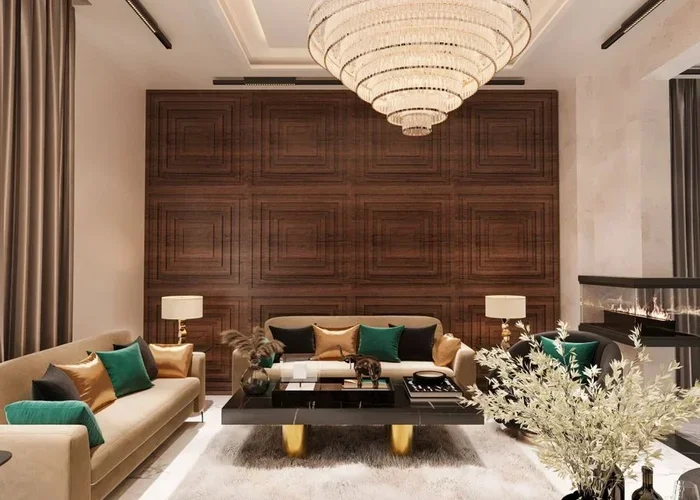
If you want to make a bold statement, 3D geometric panels are the way to go. These panels come in various shapes and patterns that create dramatic shadows and visual depth. They turn an ordinary wall into a piece of art.
Geometric panels work best in modern and contemporary spaces. Use them on a single accent wall to avoid overwhelming the room. Add warm lighting to highlight the 3D effect and make the patterns pop. This style pairs wonderfully with industrial living room furniture for a sleek, urban vibe.
Tongue and Groove Panels
Tongue and groove panels feature interlocking boards that create a seamless, uniform surface. This style feels organic and natural, making it perfect for homes that embrace a warm, earthy aesthetic. It is also incredibly durable and easy to maintain.
You can use tongue and groove on the entire wall or just the lower portion. Staining the wood brings out its natural grain and gives the room a cosy cabin feel. This style also works beautifully as hallway wall panels to create a cohesive flow throughout your home.
Slat Wall Panels
Slat panels consist of thin, evenly spaced vertical or horizontal strips. They create a clean, minimalist look that suits modern and Scandinavian interiors. The gaps between the slats add subtle texture without being too busy.
Slat panels are lightweight and easy to install. You can arrange them vertically to make the ceiling appear taller or horizontally to widen a narrow room. They also look great combined with floating shelves for a functional and decorative display.
Reclaimed Wood Panels
For a rustic and eco-friendly option, reclaimed wood panels are hard to beat. They carry the character of aged timber with natural imperfections, knots, and weathering that tell a story. Each panel is unique, which means your wall will be one of a kind.
Reclaimed wood pairs well with vintage furniture and warm lighting. It adds a sense of history and warmth that new materials simply cannot replicate. This is a great choice for homeowners who want a lived-in, authentic feel.
How to Choose the Right Panelling for Your Space
With so many options, choosing the right panel style can feel overwhelming. Here are some simple guidelines to help you decide.
Consider Your Room Size
Small living rooms benefit from lighter-coloured panels that do not overwhelm the space. Flat panels or thin slats work best because they add texture without making the room feel cramped. Large rooms can handle bold, raised panels or 3D designs that add drama and scale.
Match Your Existing Style
Think about your current furniture and decor. If your sofa and coffee table lean modern, sleek panels will blend in seamlessly. If your style is more traditional, classic wainscoting or raised moulding fits perfectly. The goal is harmony, not contrast.
Think About the Wall Location
Not every wall needs panelling. Choose the wall that naturally draws attention when someone enters the room. The wall behind the sofa is a popular choice because it frames the seating area. You can also panel the wall opposite a window to create a balanced, symmetrical look.
Set a Budget
Panelling costs vary widely depending on the material and complexity of installation. Basic MDF panels are the most affordable option. Real wood panels cost more but offer a richer look and better durability. DIY installation can save you a significant amount compared to hiring a professional. Plan your budget before shopping so you can narrow down your options.
Installation Tips for Beginners
Installing wall panels is easier than most people think. You do not need advanced carpentry skills to get great results. Here are some tips to help you succeed.
Start by measuring your wall carefully and planning your layout. Mark the studs on the wall so you know where to anchor your panels. Use a level to ensure everything stays straight. If you are working with lightweight panels, adhesive strips can work well. For heavier panels, screws into the studs provide the strongest hold.
Always cut panels slightly smaller than the space you need. This gives you room for adjustments and prevents damage during installation. Take your time with the first few rows and make sure they are aligned properly before continuing. Once the base is straight, the rest of the installation goes smoothly.
If you are unsure about DIY installation, consider starting with a small area first. A single accent wall is a great way to practice your technique before tackling the entire room. You can always expand later once you feel confident.
Styling Your Panelled Living Room
Once your panels are up, the real fun begins. Styling is what turns a plain paneled wall into a showstopping feature. Here are some ideas to help you make the most of your new panels.
Add Shelves Above the Panels
Installing shelves above your panel wall creates a layered look that is both functional and decorative. Use the shelves to display books, plants, and decorative objects. This approach works especially well with shiplap and slat panels. It also maximises your wall space and adds personality to the room.
If you have a small living room, consider how to style open shelves living room by keeping the displays minimal and balanced. Avoid cluttering the shelves. A few curated items look far more elegant than a crowded shelf.
Use Lighting to Highlight the Panels
Lighting can dramatically change the way your panels look. Install picture lights above the panel wall to create a gallery-like feel. LED strip lights placed along the edges of raised panels cast beautiful shadows that emphasise the texture. Wall sconces also work well and add warmth to the space.
Soft, warm lighting is best for creating a cosy atmosphere. Avoid harsh overhead lights that flatten the shadows and make the panels look less dimensional. The right lighting setup makes your panels the star of the room.
Choose the Right Furniture Placement
How you arrange your furniture affects how the panelled wall is perceived. Position your sofa facing the panel wall to make it the central feature of the room. Use a coffee table and side tables to anchor the seating area. Keep the layout balanced so the room feels open and inviting.
When you how to place furniture in living room next to a panel wall, leave enough space for the panels to breathe. Crowding the wall with too much furniture can make the room feel cramped and take away from the panelling’s impact. A few feet of clearance works best.
Layer in Textiles and Rugs
Soft textures complement the hard surface of wall panels beautifully. Add a plush area rug, throw pillows, and a cozy blanket to create a welcoming atmosphere. Choose fabrics in colours that complement your panel finish. This layering adds warmth and makes the room feel complete.
Common Mistakes to Avoid
Even with the best intentions, some common mistakes can ruin the look of your panelled wall. Here is what to watch out for.
- Choosing the wrong scale: Large panels in a small room make the space feel smaller. Match the panel size to your room dimensions.
- Ignoring the ceiling height: Panels that extend too high in a low-ceilinged room can feel oppressive. Keep panels below the chair rail for a balanced look.
- Skipping primer and paint: Raw panels can absorb paint unevenly. Always prime first and use quality paint for a smooth, professional finish.
- Overcrowding the wall: Too many decorative items on a panel wall create visual clutter. Less is more when it comes to styling.
- Neglecting the edges: Poorly finished edges around doors and windows draw attention to the flaws. Take time to caulk and trim properly.
Expert Insights on Wall Panelling Trends
Interior designers agree that wall panelling is having a major moment right now. The trend has shifted from full-room coverage to strategic accent walls that add character without overwhelming the space. Natural materials like wood and rattan are especially popular this year, reflecting a broader movement toward organic, warm design.
Another trend is mixing panelling with contrasting colours. A dark navy panel wall paired with white trim creates a striking, modern look. Matte black panels are also gaining popularity for their sleek, contemporary feel. The key is to choose a style that reflects your personality and complements your existing decor.
Experts also recommend considering the room’s purpose when selecting a panel style. A relaxing bedroom-inspired living room benefits from soft, natural wood panels. A more formal space looks elegant with raised wainscoting. The right choice depends on the mood you want to create.
Conclusion
Living room wall panelling ideas offer endless possibilities for transforming your space. From classic wainscoting to bold 3D designs, there is a panel style for every taste and budget. The best part is that panelling is forgiving, versatile, and easy to install. You can start small with an accent wall or go all out with a fully paneled room. Either way, the results are stunning.
Take your time choosing the right style, plan your layout carefully, and enjoy the process. A well-designed panel wall becomes the heart of your living room and a source of pride for years to come. Start exploring your options today and see how a simple wall treatment can completely change the feel of your home.
Frequently Asked Questions
What is the best type of wall panel for a small living room?
Flat panels, thin slat panels, or light-coloured shiplap work best in small rooms. They add texture without making the space feel cramped. Avoid large raised panels that can overwhelm a compact area.
Can I install wall panels myself?
Yes, most panel types are designed for DIY installation. Lightweight MDF and PVC panels are the easiest to work with. Start with a small accent wall to build your confidence before tackling larger projects.
How much does it cost to panel a living room wall?
Costs vary widely depending on the material. Basic MDF panels can cost as little as $20 to $50 per panel. Real wood panels range from $50 to $150 per panel. Installation costs are minimal if you do it yourself.
What colour should I paint my wall panels?
White and cream are the most popular choices because they keep the look fresh and bright. Dark colours like navy or charcoal create a dramatic, moody feel. Choose a colour that complements your furniture and overall room palette.
Do wall panels damage the walls underneath?
Not if you install them correctly. Use adhesive or screws that do not penetrate too deeply. When you remove the panels, the wall underneath should be in good condition. Always patch any holes and repaint before removing panels if you plan to switch styles later.
Can wall panels be used in a humid room like a bathroom or kitchen?
Yes, but you need moisture-resistant materials like PVC or sealed wood. Standard MDF panels can swell in high-humidity environments. Always check the manufacturer’s recommendations before installing panels in damp areas of your home.
=== META TITLE ===
Living Room Wall Panelling Ideas to Transform Your Space
=== SEO TITLE ===
Living Room Wall Panelling Ideas to Transform Your Space