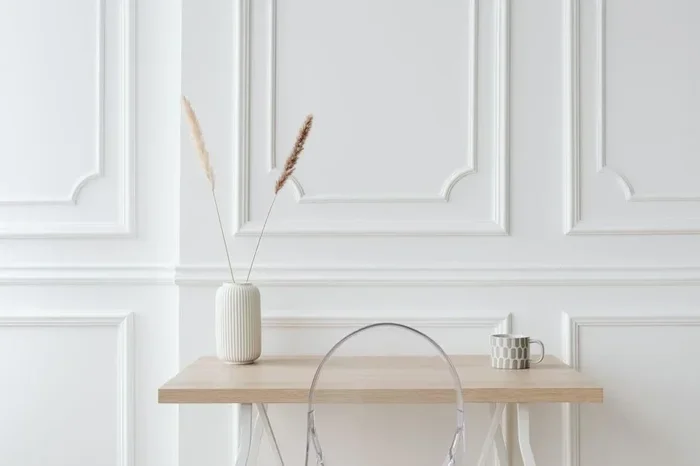
Wall Panelling Designs That Transform Your Living Room
Wall panelling designs living room setups can completely change how a space feels and looks. Wood panels, shiplap, and wainscoting add texture, warmth, and character to any room. Whether you prefer a modern minimalist look or a classic traditional feel, there is a panelling style that fits your home perfectly.
Key Takeaways
- Wall panelling adds depth and texture: It turns a plain room into a visually interesting space with dimension and style.
- Multiple styles suit every taste: From modern shiplap to classic wainscoting, there is a panelling design for every home.
- Installation is easier than you think: Many panelling options are DIY-friendly and budget-conscious.
- Pair panelling with the right furniture: The way you arrange your living room furniture can make your panelled walls shine even more.
- Lighting matters a lot: Proper lighting highlights panel textures and creates a warm, inviting atmosphere.
- Mix and match for a unique look: Combining different panelling styles can create a truly custom living room feel.
📑 Table of Contents
- Wall Panelling Designs That Transform Your Living Room
- Top Wall Panelling Styles for Living Rooms
- How to Choose the Right Panelling for Your Space
- Installation Tips for Living Room Wall Panels
- Combining Wall Panels with Accent Features
- Common Mistakes to Avoid When Installing Wall Panels
- Cost Considerations for Living Room Wall Panelling
- Maintenance and Care for Panelled Walls
- Final Thoughts on Wall Panelling for Your Living Room
Wall Panelling Designs That Transform Your Living Room
When you want to give your living room a fresh new look, wall panelling designs living room options offer an incredible starting point. Panels add depth, warmth, and visual interest that plain walls simply cannot match. They bring a sense of craftsmanship and personality into a space. Whether your style is rustic, modern, or somewhere in between, panelling can elevate the entire room. Let us explore the best designs and how to make them work for your home.
Wall panelling is not just a design trend. It has been a beloved interior design choice for centuries. From grand Victorian homes to cozy modern apartments, panels bring structure and charm. The great thing about today’s panelling options is that they fit almost any budget and skill level. You do not need to be a carpenter to achieve a stunning result. With the right guidance, your living room can feel like a whole new space.
Why Wall Panelling Works So Well in Living Rooms
Living rooms are the heart of any home. This is where families gather, guests arrive, and memories form. The walls in this space should reflect warmth and style. Panelling does exactly that. It creates a focal point that draws the eye and anchors the room. Instead of staring at flat, bare drywall, you get a textured surface that adds character.
Panelling also helps with acoustics. It can reduce echo and make conversations easier. This is a practical benefit that many homeowners overlook. Beyond sound, panels protect walls from scratches, dents, and everyday wear. They are durable and long lasting. That means your living room looks great for years to come.
Top Wall Panelling Styles for Living Rooms
There are many different panelling styles to choose from. Each one brings a unique vibe and feel. Let us look at the most popular options that homeowners love today.
Shiplap Wall Panelling
Shiplap is one of the most popular wall panelling designs living room enthusiasts are choosing right now. It features horizontal boards that overlap each other, creating a clean and timeless look. The gaps between boards give the wall a lovely textured appearance. Shiplap works beautifully in both rustic and modern settings.
You can paint shiplap white for a fresh, coastal feel. Or you can stain it to bring out the natural wood grain. This style is incredibly versatile. It pairs well with almost any furniture and decor. If you want a look that feels both classic and current, shiplap is a fantastic choice.
Wainscoting Paneling
Wainscoting is a more traditional style of wall panelling. It covers the lower half of the wall, usually up to chair rail height. This classic design adds elegance and a sense of formality to a living room. Wainscoting works especially well in rooms with high ceilings.
Many homeowners combine wainscoting with a painted upper wall for a clean contrast. This creates a layered look that feels sophisticated. It is a great option if you want a refined, polished appearance. Wainscoting also makes a room feel more insulated and cozy.
Modern Geometric Panels
If you prefer a contemporary look, geometric wall panels are worth exploring. These panels feature bold shapes and patterns that create a striking visual effect. They work well in minimalist and industrial-style living rooms. The clean lines and repetition give a sense of order and modern design.
Geometric panels come in many materials, including MDF, PVC, and even recycled wood. You can install them in large sections or as smaller accent pieces. This style is perfect for homeowners who want something bold and different. It makes a real statement without being too overwhelming.
Raised Panel Wall Design
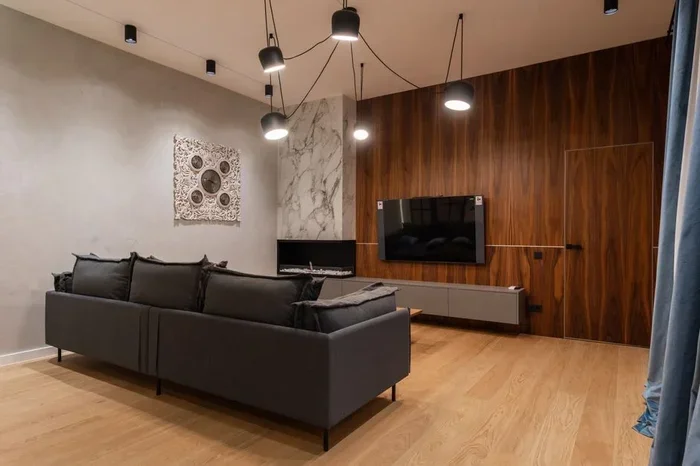
Raised panel walls are a timeless choice that brings a sense of luxury to any living room. Each panel has a framed border with a raised center section. This classic design is often found in traditional and formal homes. It creates a rich, dimensional look that feels elegant and polished.
Raised panels work beautifully with rich wood tones like mahogany or walnut. They also look stunning when painted in soft, neutral colors. If you want your living room to feel upscale and refined, raised paneling is a wonderful option. It adds depth and architectural interest that plain walls simply cannot match.
Slatted Wood Paneling
Slatted panels use vertical or horizontal wooden strips to cover a wall. The gaps between slats create a beautiful play of light and shadow. This style is trending in modern and Scandinavian-inspired living rooms. It adds warmth without feeling heavy or cluttered.
You can arrange slats vertically to make a room feel taller. Horizontal slats can make a narrow room feel wider. The flexibility of slatted paneling makes it a great choice for many different room shapes and sizes. It is also a wonderful way to bring natural wood textures into your home.
How to Choose the Right Panelling for Your Space
Choosing the right panelling depends on several factors. Your room size, ceiling height, and personal style all matter. Here are some tips to help you make the best decision.
First, consider the size of your living room. Large rooms can handle bigger panel sections and bolder designs. Smaller rooms benefit from lighter, more subtle panelling. You do not want the panels to overwhelm a compact space. In a small room, consider using panels on just one accent wall instead of all four walls.
Next, think about your ceiling height. Tall ceilings pair well with full height panelling. Lower ceilings look better with shorter panel styles like wainscoting. This keeps the room feeling open and balanced. The goal is to enhance your room, not make it feel cramped.
Also, think about the existing furniture in your space. The way you how to place furniture in living room arrangements should complement your paneling choice. For example, a sleek sofa looks great against geometric panels. A cozy sectional pairs beautifully with warm shiplap. Your panels and furniture should work together as a team.
Matching Panelling to Your Decor Style
Different panelling styles suit different decor themes. Here is a quick guide to help you match your panels with your overall design vision.
- Rustic: Reclaimed wood panels with natural finishes
- Modern: Clean geometric panels in matte tones
- Traditional: Raised panel wainscoting in rich wood tones
- Scandinavian: Light slatted panels in pale wood
- Coastal: White shiplap with a weathered finish
- Industrial: Metal and wood combined panel systems
Once you know your style, choosing panels becomes much easier. You can also mix styles for a unique look. For example, shiplap on one wall paired with a textured accent wall creates a layered, dynamic space. Do not be afraid to get creative.
Installation Tips for Living Room Wall Panels
Installing wall panels might seem intimidating, but it is easier than most people think. Many panel types are designed for simple, straightforward installation. You do not need advanced carpentry skills to get great results.
Start by preparing your walls properly. Clean them thoroughly and fix any cracks or holes. A smooth surface helps panels adhere better and look more professional. Next, measure your walls carefully and plan your layout before you start installing.
If you are using interlocking panels, the process is even simpler. These panels click together like puzzle pieces. You can install them over existing drywall without removing it. This saves time and reduces mess. Many homeowners complete a full living room paneling project over a single weekend.
Tools You Will Need
Here is a simple list of tools to have ready before you start:
- Measuring tape and level
- Saw for cutting panels to size
- Adhesive or nails depending on panel type
- Sandpaper for smoothing edges
- Paint or stain if you want to finish the panels
- Spacers for even gaps between panels
Having the right tools makes the job much smoother. Take your time and measure twice before cutting. Precision early on saves you headaches later. And remember, small mistakes can often be hidden with trim or molding along the edges.
Combining Wall Panels with Accent Features
Wall panels look even better when paired with other accent features. These combinations add layers of interest and make your living room feel designed with intention. One of the best ways to enhance your panelled walls is through thoughtful styling.
Consider adding accent pieces for living room that complement your paneling. A stylish floor lamp next to a shiplap wall creates a warm glow that highlights the texture. Decorative mirrors reflect light off the panels and make the room feel larger. Bookshelves mounted on panelled walls add both function and visual appeal.
You can also create a stunning focal wall by combining panels with shelving. Open shelves mounted on a panelled wall look incredibly stylish. This is a great way to display art, plants, and personal treasures. If you want ideas on how to style this combination, check out our guide on how to style open shelves for practical inspiration.
Lighting and Wall Panels
Lighting plays a huge role in how your panelled walls look and feel. The right lighting can highlight panel textures and create beautiful shadows. Recessed spotlights aimed at a feature wall make the panels pop. Wall sconces placed beside panelled sections add a warm, inviting glow.
For a cozy evening atmosphere, try warm LED strip lights behind upper panels. This creates a subtle backlight effect that makes the room feel magical. Natural light also works wonders with panelling. Sheer curtains let sunlight filter through and illuminate the panel textures throughout the day. The interplay of light and shadow is what makes wall panels so visually captivating.
Common Mistakes to Avoid When Installing Wall Panels
Even with the best intentions, mistakes can happen during panel installation. Being aware of common pitfalls helps you avoid them. Here are some errors that many homeowners make and how to prevent them.
- Skipping wall preparation: Dirty or uneven walls lead to poor panel adhesion and visible imperfections.
- Ignoring room proportions: Large panels in a small room can make the space feel even smaller.
- Choosing the wrong material: Some materials warp in humid conditions. Make sure your panels are suitable for your climate.
- Forgetting about outlet and switch access: Plan around electrical fixtures before installation begins.
- Using too much adhesive: Excess glue can squeeze out and create messy cleanup. Apply it sparingly and evenly.
Avoiding these mistakes saves time, money, and frustration. Take a step back and plan your entire project before picking up any tools. A little preparation goes a long way toward a beautiful finished result.
Cost Considerations for Living Room Wall Panelling
The cost of wall panelling varies widely depending on material and style. Shiplap is generally one of the most affordable options. You can find pre-made shiplap boards at most home improvement stores for a reasonable price. Wainscoting kits are also budget friendly and come with everything you need.
More custom options like raised panels or geometric designs may cost more. These often require professional installation, which adds to the overall expense. However, the return on investment is significant. Panelled walls increase the perceived value of your home and make a lasting impression on visitors.
If you are working with a tight budget, consider paneling just one accent wall. This keeps costs down while still delivering a dramatic visual impact. You can always expand to additional walls later as your budget allows. The beauty of wall panels is that they are scalable to fit any project size.
Maintenance and Care for Panelled Walls
Wall panels are relatively low maintenance, which is one of their biggest advantages. Regular dusting keeps them looking fresh and clean. A soft cloth or microfiber duster works well for this task. For wood panels, occasional polishing helps maintain the natural shine and protects the surface.
If you notice any scuffs or marks, most can be gently cleaned with a damp cloth and mild soap. Avoid harsh chemicals that could damage the finish. For painted panels, a quick touch up with matching paint keeps them looking pristine. With proper care, your wall panels will look beautiful for many years.
Final Thoughts on Wall Panelling for Your Living Room
Wall panelling is one of the most effective ways to transform a living room. It adds texture, warmth, and architectural interest that plain walls simply cannot provide. Whether you choose shiplap, wainscoting, geometric panels, or slatted wood, the right design can make your space feel completely new. The best part is that panelling fits nearly every style and budget.
Take your time choosing the right panels for your space. Consider your room size, existing furniture, and personal taste. With a little planning and effort, you can create a living room that feels inviting, stylish, and uniquely yours. Start small if you need to, and build from there. Your dream living room is closer than you think.
Frequently Asked Questions
What are the best wall panelling designs for small living rooms?
For small living rooms, shiplap and slatted wood panels work best. These styles keep the space feeling open while adding texture. You can also use panels on just one accent wall to avoid overwhelming the room. Light colors like white or pale wood tones help make a small room feel larger.
Can I install wall panels myself or do I need a professional?
Many panel types are designed for easy DIY installation. Interlocking panels and shiplap kits are especially beginner friendly. You only need basic tools like a measuring tape, level, and saw. If you are confident with simple home projects, you can likely handle the installation yourself.
What materials are best for living room wall panels?
Wood is the most popular choice for living room panels. It offers warmth and natural beauty. MDF and PVC panels are great budget friendly alternatives. For a modern look, consider metal and wood combinations. Choose a material that fits your style and budget.
How do I clean and maintain wall panels in the living room?
Dust your panels regularly with a soft cloth or microfiber duster. For wood panels, occasional polishing helps maintain the finish. Use a damp cloth with mild soap for stubborn marks. Avoid harsh chemicals that could damage the surface. With simple care, panels stay looking great for years.
What color should I paint my living room wall panels?
White is the most popular choice because it creates a clean, fresh look. However, you can paint panels any color that matches your decor. Natural wood stains work well for a warm, rustic feel. Bold colors can create a dramatic accent wall if that matches your style.
How do wall panels affect the perceived size of a living room?
Panels can make a room feel larger or smaller depending on how you use them. Light colored panels on all walls can make a room feel more open. Dark panels on a single accent wall add depth without shrinking the space. Vertical slats can make low ceilings appear taller.