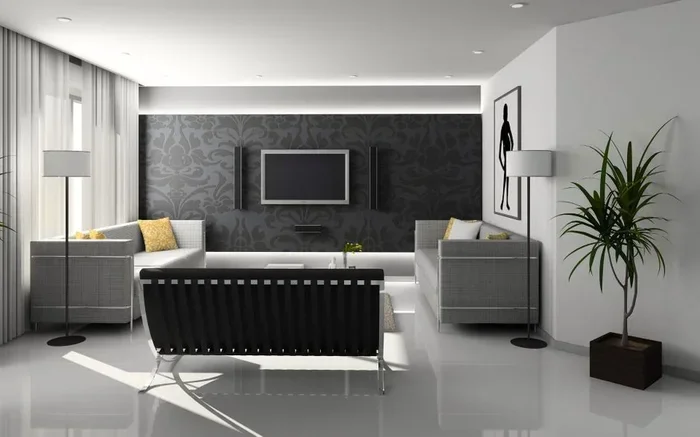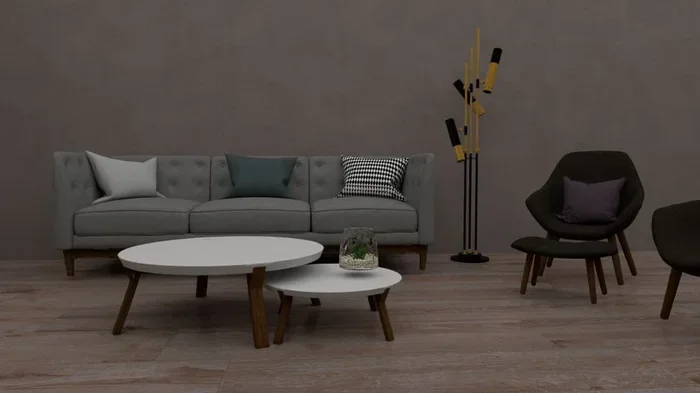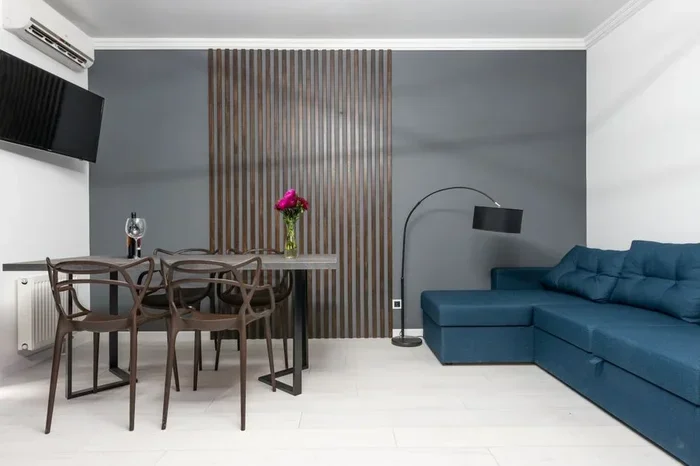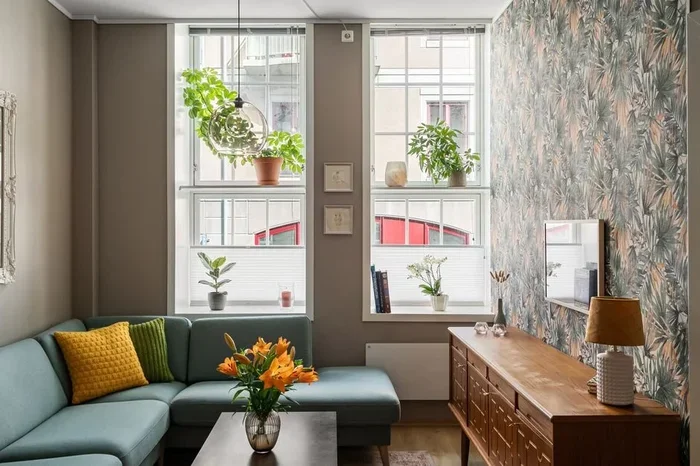
Neutral Color Palette Living Room Design Inspiration
A neutral color palette living room creates a calm, inviting space that never goes out of style. Soft whites, warm beiges, and gentle grays form the foundation of a serene home environment. You will learn how to choose the right shades, pair them with textures, and accessorize like a pro. This guide covers color combinations, furniture choices, and styling tips that make the process simple and fun.
A neutral color palette living room is one of the most popular design choices for homeowners who want a space that feels peaceful and put-together. Neutral colors like beige, cream, soft white, and warm gray create a backdrop that works with almost any style. Whether you love minimalist design or cozy farmhouse vibes, a neutral palette gives you the freedom to experiment.
Why do so many people choose neutral tones for their main living space? The answer is simple. Neutral colors make a room feel open, relaxed, and welcoming. They also make it easy to change your look later without repainting walls. You can swap out cushions, rugs, and curtains to refresh the entire feel of the room.
If you have been thinking about updating your living space, a neutral color scheme is a great place to start. In this guide, we will walk you through everything you need to know. From choosing the right shades to styling your furniture and accessories, you will find practical tips that make the process easy and enjoyable.
Key Takeaways
- Neutral palettes create timeless elegance: Soft whites, warm beiges, and gentle grays work together to build a calming and sophisticated living space.
- Texture is your best friend: Mixing fabrics like linen, velvet, and wood adds depth and interest without relying on bold colors.
- Accent pieces bring personality: Accent pieces for living room like cushions, rugs, and art give your neutral space character and warmth.
- Natural light changes everything: The way light hits your walls and furniture affects how your neutral tones look throughout the day.
- Avoid common pitfalls: Skipping contrast and ignoring undertones are the two biggest mistakes people make with neutral rooms.
📑 Table of Contents
What Is a Neutral Color Palette Living Room?
A neutral color palette living room uses shades that are calm and balanced. These colors do not compete for attention. Instead, they work together to create a smooth, harmonious look. The most common neutral tones include soft white, warm beige, light gray, cream, and taupe.
Neutral does not mean boring. A well-designed neutral room has layers of texture, shape, and subtle contrast that keep it interesting. Think of a sandy beach or a cozy sweater. These things feel neutral, but they are full of warmth and character.
Why Neutral Colors Work So Well
Neutral colors have a special ability to make any room feel bigger and brighter. They reflect light instead of absorbing it, which helps small spaces feel more open. This is one of the main reasons designers reach for neutral tones again and again.
Neutral palettes also age well. Bold colors can feel dated quickly, but neutral shades stay classic. A room painted in warm beige or soft gray will still look stylish ten years from now. This makes neutral colors a smart long-term investment for your home.
Another big advantage is flexibility. When your walls and large furniture pieces are neutral, you can easily change the mood with small additions. A colorful throw blanket, a new set of curtains, or a statement lamp can completely transform the feel of the room.
Best Neutral Color Combinations for Your Living Room
Not all neutrals look the same. Some lean warm, and some lean cool. Understanding undertones helps you pick combinations that work beautifully together.
Warm Neutrals
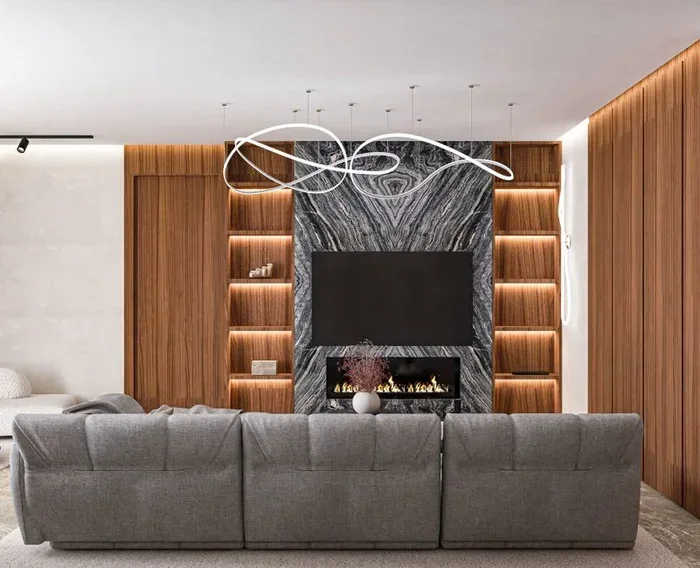
Warm neutrals include beige, cream, taupe, and soft brown. These colors add coziness and a welcoming feel to any space. They work especially well in rooms that get plenty of natural light. Warm neutrals pair beautifully with wood furniture and natural materials.
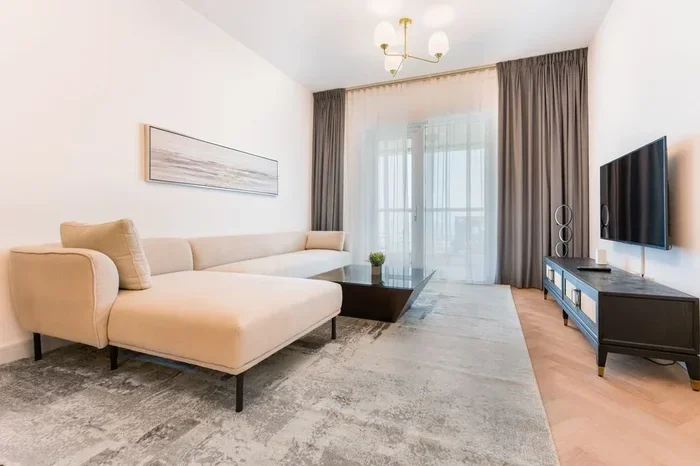
For a warm neutral living room, try pairing a cream-colored sofa with a beige area rug and taupe throw pillows. Add some wooden side tables and soft linen curtains. The result is a space that feels both elegant and comfortable.
Cool Neutrals
Cool neutrals include gray, soft white, and greige (a mix of gray and beige). These tones create a clean, modern look. Cool neutrals work well in rooms with a more contemporary or minimalist style. They also pair nicely with metal accents and glass furniture.
To build a cool neutral room, start with light gray walls. Choose a white sofa and add charcoal-gray cushions. A silver or chrome coffee table ties the look together. Finish with white or light wood shelving to keep the space feeling airy and fresh.
Mixed Neutrals
You do not have to stick to just one temperature. Many of the best neutral rooms mix warm and cool tones. This creates visual interest and keeps the space from feeling flat. The key is to keep the balance. If your walls are warm beige, choose cooler-toned furniture or accessories to create contrast.
A great rule of thumb is the 60-30-10 rule. Use your dominant neutral for 60 percent of the room. Use a secondary neutral for 30 percent. Add a pop of contrast or texture for the remaining 10 percent. This formula works for almost any neutral living room.
How to Style a Neutral Color Palette Living Room
Styling a neutral room is all about layering. Since the colors are soft and understated, you need to add interest through texture, shape, and accessories. Here are some practical tips to help you get started.
Start with a Strong Foundation
Begin with your largest pieces. The sofa, the rug, and the curtains set the tone for the entire room. Choose neutral tones that you love and that fit your lifestyle. If you have kids or pets, consider durable fabrics like linen blends or performance textiles.
Place your main furniture pieces first. Make sure there is enough space between them for easy movement. A well-arranged room feels open and inviting. If you are unsure about placement, look at how to place furniture in living room for helpful guidance on arranging your pieces with purpose.
Add Layers with Textures
Texture is what makes a neutral room feel rich and inviting. Without color to create visual interest, texture does the heavy lifting. Mix different materials to add depth and dimension.
- Linen: Natural and relaxed, perfect for throw pillows and curtains.
- Velvet: Adds a touch of luxury and absorbs light beautifully.
- Wood: Warm and grounding. Use it for furniture, shelving, and decorative objects.
- Woven baskets: Great for storage and adding an organic feel.
- Metallic accents: Brass, copper, or chrome add a subtle shine and modern edge.
The goal is to create a room that feels layered and thoughtful. No single texture should dominate. Instead, they should work together to create a cohesive look.
Use Accessories to Add Personality
Accessories are where your neutral room really comes to life. This is where you can add pops of color, pattern, and personal style. Aesthetic living room ideas often rely on neutral bases with carefully chosen accessories to create a polished look.
Here are some easy ways to accessorize a neutral living room:
- Add a few colorful cushions on the sofa for a soft pop of personality.
- Use a statement rug to anchor the seating area and add pattern.
- Hang abstract or landscape art above the main furniture.
- Place a tray with books and a candle on the coffee table.
- Add plants or dried flowers for a natural, fresh feel.
- Use decorative baskets and boxes for clutter-free storage.
Remember, less is often more. Choose a few meaningful pieces rather than filling every surface. This keeps the room feeling calm and intentional.
Style Your Shelves and Surfaces
Open shelves and side tables are perfect spots to display your personal style. Stack a few books in neutral tones, add a small plant, and place a decorative object or two. Keep the arrangement balanced and not too crowded.
If you have open shelving, check out how to style open shelves living room for simple tricks that make a big difference. The same principles apply to side tables, console tables, and mantels.
Neutral Living Room Furniture and Decor Ideas
Choosing the right furniture is a big part of creating a beautiful neutral living room. The good news is that neutral furniture pieces are widely available and easy to mix and match.
Sofas and Seating
The sofa is the centerpiece of most living rooms. For a neutral palette, consider a soft gray, beige, or cream sofa. These colors are versatile and timeless. A linen or cotton upholstery works well for a relaxed look, while velvet adds a more polished feel.
If you love the idea of a neutral sofa living room, you can pair it with chairs in slightly different tones. A beige sofa with a taupe accent chair creates subtle contrast without clashing. Add a few colorful cushions to bring in personality and warmth.
Coffee Tables and Side Tables
Wooden coffee tables in natural oak or walnut add warmth to a neutral room. Glass or marble-topped tables create a lighter, more modern feel. Side tables in matching or complementary tones help tie the room together.
Rugs and Curtains
A neutral rug can anchor the entire seating area. Choose a texture-rich rug in a tone that is slightly different from your walls. This creates depth without adding color. For curtains, sheer white or light linen lets in soft natural light and keeps the room feeling open and airy.
Wall Decor and Art
Neutral walls give you a blank canvas for art and wall decor. Black and white photography looks stunning against neutral backgrounds. Abstract pieces in muted tones add sophistication. You can also create a gallery wall with a mix of frames in natural wood, black metal, or white.
Common Mistakes to Avoid with Neutral Living Rooms
Neutral rooms are beautiful, but they do come with a few common pitfalls. Avoiding these mistakes will help you create a space that looks intentional and polished.
Skipping Contrast
One of the biggest mistakes is using too many shades that are too similar. When everything blends together, the room can feel flat and uninteresting. Add contrast through texture, furniture height, and accessories. A dark wood coffee table against light walls creates visual balance. A bold black frame on a white shelf adds a focal point.
Ignoring Undertones
Every neutral color has an undertone. Some beiges lean pink, while others lean yellow or green. If you mix undertones without noticing, the room can feel off. Before you commit to a color, test it on a small wall area and look at it at different times of day. Natural light reveals undertones that artificial light hides.
Overlooking Lighting
Lighting plays a huge role in how neutral colors look. A room with warm lighting will make cool grays feel muddy. A room with cool lighting can make warm beiges feel harsh. Use a mix of ambient, task, and accent lighting to create a balanced and inviting atmosphere.
Forgetting About the Floor
The floor is a large surface that affects the overall feel of the room. A dark hardwood floor grounds a light neutral room. A light rug can soften a dark floor. Make sure your floor choice supports the neutral palette you are building.
Bringing It All Together
Creating a neutral color palette living room is a rewarding process. You get to build a space that feels calm, elegant, and truly your own. Start with a foundation of soft, complementary neutrals. Add layers of texture through fabrics, wood, and metal. Use accessories to express your personality and keep the room feeling fresh.
Remember that neutral does not mean boring. With the right mix of tones, textures, and accents, your neutral living room can be as interesting and stylish as any bold, colorful space. Take your time, enjoy the process, and trust your instincts.
A well-designed neutral room is a space you will love coming home to every day. It is a place of rest, comfort, and beauty. So go ahead, pick up that paint swatch, choose your favorite neutral shade, and start building the living room of your dreams.
Frequently Asked Questions
What are the best neutral colors for a living room?
The best neutral colors for a living room include soft white, warm beige, light gray, cream, and taupe. These shades create a calm and versatile backdrop that works with many different styles. You can mix warm and cool neutrals to add depth and visual interest to the space.
How do I add color to a neutral living room without ruining the palette?
Add color through small accessories like cushions, throws, rugs, and wall art. Keep the additions minimal so the neutral base stays the focus. Choose one or two accent colors and repeat them in different parts of the room for a cohesive look.
Can a neutral living room feel warm and cozy?
Absolutely. Warm neutrals like beige, cream, and soft brown create a cozy and inviting atmosphere. Layer textures such as linen, velvet, and woven fabrics to add warmth. Wooden furniture and soft lighting also help make a neutral room feel snug and welcoming.
What furniture styles work best with a neutral color palette?
Neutral palettes work with almost any furniture style. Mid-century modern, Scandinavian, farmhouse, and contemporary designs all look great with neutral tones. The key is to choose pieces with shapes and textures you love, since the color palette is already calm and balanced.
How do I keep my neutral living room from looking boring?
Focus on texture, pattern, and contrast. Mix different fabrics like linen, velvet, and wool. Add a statement rug or bold wall art. Use varying heights and shapes in your furniture and accessories. These elements create visual interest without relying on bright colors.
Is a neutral living room a good choice for a small space?
Yes, neutral colors are perfect for small spaces. They reflect light and make rooms feel more open and airy. Pair light neutral walls with mirrors and minimal furniture to maximize the sense of space. A clean, uncluttered neutral room always feels larger than a busy, colorful one.
=== CONCLUSION ===
A neutral color palette living room is a timeless choice that brings calm, elegance, and versatility to any home. By choosing the right shades, layering textures, and adding thoughtful accessories, you can create a space that feels both stylish and comfortable. The beauty of neutral design is that it grows with you. You can refresh the look anytime by swapping out cushions, rugs, or decor pieces without starting from scratch.
Start with a solid foundation of soft neutrals. Build layers of texture and contrast. Add personal touches through art, plants, and meaningful objects. The result will be a living room that feels like a true retreat. Whether your style is modern, rustic, or somewhere in between, a neutral palette gives you the perfect canvas to express yourself. Enjoy the journey of creating a space you will love for years to come.