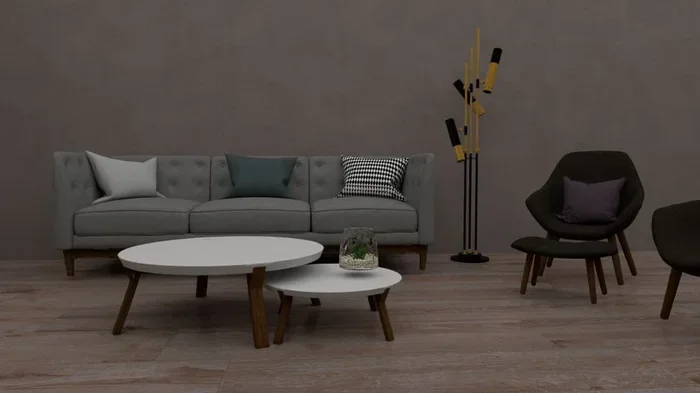
Modern Two Colour Combination for Living Room Ideas
A modern two colour combination for living room instantly elevates your home’s style and creates a cohesive look. Whether you prefer bold contrasts or subtle tones, the right two-colour palette brings balance and personality to any space. In this guide, you will learn proven colour pairing strategies, popular modern combinations, and practical tips to apply them in your own living room.
A modern two colour combination for living room design is one of the simplest yet most powerful ways to refresh your home. Instead of juggling five or six colours, you focus on two. This approach creates a calm, stylish space that feels intentional and put-together. Whether you love stark contrasts or soft blends, two colours give you endless creative freedom.
Choosing the right pairing can feel tricky at first. There are so many options. But the good news? You do not need to be a professional designer to get it right. With a little guidance, anyone can create a beautiful two-colour living room that looks expensive and feels like home.
Key Takeaways
- Two-colour schemes simplify design: sticking to just two colours keeps your living room looking clean, modern, and intentional.
- Contrast creates drama: pairing light and dark tones adds depth without overwhelming the space.
- Neutral combinations are timeless: black and white, beige and grey, or cream and navy never go out of style.
- Accent pieces tie the room together: use cushions, art, and decor to reinforce your chosen two-colour palette.
- Test colours before committing: always sample paint or fabric in your actual living room lighting.
- Nature-inspired palettes are trending: earthy tones like sage green and warm terracotta are hugely popular in 2024.
- Consistency matters: carry your two colours through walls, furniture, and soft furnishings for a polished result.
📑 Table of Contents
- Why a Two-Colour Scheme Works So Well
- Top Modern Two Colour Combinations for Living Room
- How to Choose the Right Two Colours for Your Space
- Practical Tips for Applying Two Colours in Your Living Room
- Common Mistakes to Avoid When Using Two Colours
- Expert Insights: Making Two Colours Feel Expensive
- How to Update Your Living Room With a Two-Colour Makeover
- Conclusion
Why a Two-Colour Scheme Works So Well
A two colour living room palette works because it removes decision fatigue. When you limit your choices, every element in the room earns its place. The result is a space that looks curated rather than cluttered. Designers have used this principle for decades, and it remains one of the most effective strategies in interior design.
Two colours also create visual harmony. Your eye naturally seeks balance, and a restrained palette delivers exactly that. You get variety through texture, pattern, and material instead of relying on a rainbow of shades. This makes the room feel both modern and timeless.
Benefits of Limiting Your Palette
- Easier to shop: you know exactly what colours to look for when buying new items.
- Budget-friendly: sticking to two colours reduces impulse purchases.
- Versatile: the same palette works with different styles, from minimalist to bohemian.
- Timeless appeal: two-colour rooms age better than trend-heavy multicolour spaces.
- Quick updates: swapping soft furnishings is all you need to refresh the look.
Top Modern Two Colour Combinations for Living Room
Not sure where to start? Below are some of the most popular and stylish two colour combinations for living room spaces that work beautifully in modern homes. Each pairing offers a different mood and energy.
Black and White
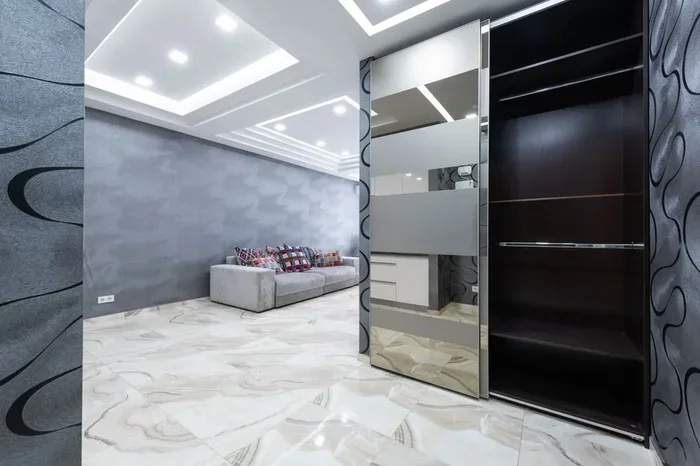
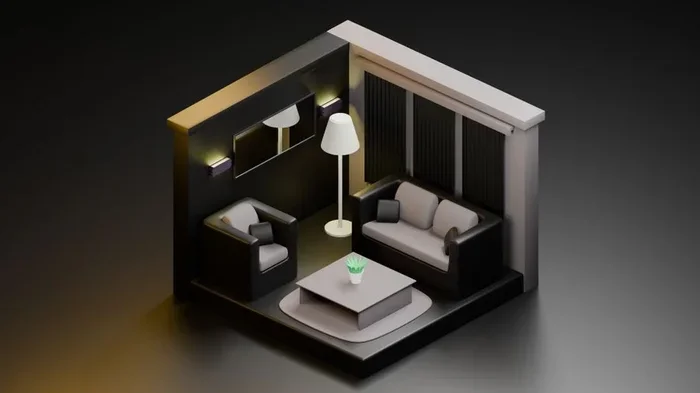
The classic black-and-white combination is the ultimate modern two colour combination for living room choice. It is bold, clean, and endlessly versatile. You can lean into high contrast with stark blacks and bright whites, or soften the look with shades of charcoal and cream. This pairing works with almost any furniture style and never feels dated.
To keep a black-and-white room from feeling cold, add warmth through wood tones or textured fabrics. A natural wood coffee table or a chunky knit throw adds depth without breaking your two-colour rule.
Navy and Cream
Navy and cream is a sophisticated pairing that feels both elegant and inviting. The deep blue adds richness, while the cream softens the overall look. This combination works beautifully in living rooms that get plenty of natural light. It also pairs well with brass or gold accents for a touch of luxury.
Consider using navy on an accent wall and cream on the sofa and curtains. Add cream-coloured cushions and abstract pictures for living room to complete the look.
Sage Green and Terracotta
Earthy tones are having a moment, and sage green paired with terracotta is at the top of the trend list. This two colour wall idea brings the outdoors inside and creates a warm, grounding atmosphere. It suits Mediterranean, boho, and modern farmhouse styles equally well.
Use terracotta on larger pieces like a sofa or rug, and let sage green appear through cushions, plants, and wall art. The result feels organic and calming.
Grey and Blush Pink
For a softer, more feminine look, try grey and blush pink. This living room colour combination feels modern yet cozy. The grey provides a neutral base, and the blush pink adds warmth and charm. It works especially well in bedrooms that open into the living room, maintaining a seamless flow between spaces.
Charcoal and Mustard Yellow
Charcoal and mustard yellow is a bold choice that makes a real statement. The dark charcoal anchors the room, while the mustard yellow injects energy and personality. This pairing is perfect for those who want their living room to feel lively and contemporary.
Use charcoal on walls or large furniture pieces, and introduce mustard through cushions, lampshades, and decorative objects. This combination pairs beautifully with industrial-style elements.
How to Choose the Right Two Colours for Your Space
Picking the perfect two colours goes beyond just liking how they look together. You need to consider your room’s size, lighting, and the mood you want to create. Here is a practical guide to help you decide.
Consider Your Room’s Natural Light
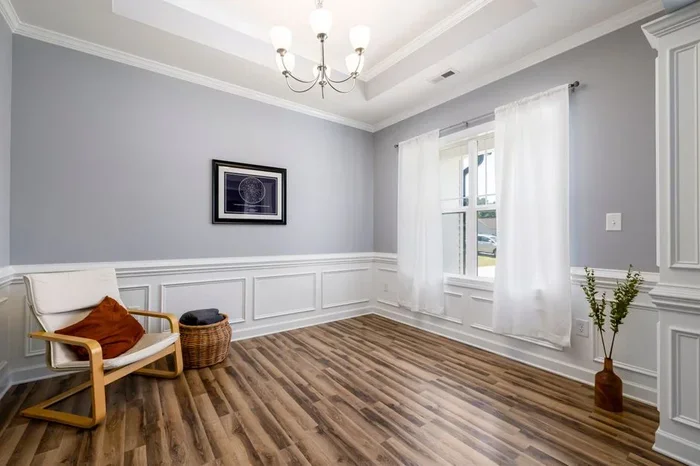
Rooms with lots of natural light can handle darker colour combinations. If your living room faces north or has small windows, stick to lighter tones. A modern two colour combination for living room with pale neutrals and soft pastels will make a dim room feel brighter and more open.
South-facing rooms with abundant sunlight can handle deeper, richer colours. You can experiment with navy, forest green, or charcoal without worrying about the space feeling closed in.
Think About Your Existing Furniture
Before choosing your colours, look at what you already own. What colour is your sofa? What about your rug or curtains? Your two colours should complement these pieces, not fight them. If you have a neutral sofa, you have more freedom to go bold with wall colours and accents.
For those shopping for new furniture, check out how to choose furniture for a living room to make informed decisions that align with your colour vision.
Match Colours to Your Lifestyle
Think about how you actually use your living room. Do you have young children or pets? Lighter colours may show dirt more easily, so consider durable fabrics and washable surfaces in your chosen shades. If your living room doubles as a home office, calming colour pairings like blue and grey can boost focus and productivity.
Practical Tips for Applying Two Colours in Your Living Room
Knowing your colours is only half the battle. The real magic happens when you put them into practice. Here are proven strategies for applying your two-colour scheme effectively.
Use the 60-30-10 Rule
Interior designers rely on the 60-30-10 rule, and it works beautifully for two-colour schemes. Assign 60% of the room to your dominant colour, 30% to your secondary colour, and 10% to an accent. The accent can be a neutral like white or black, or a metallic like gold or copper.
For example, if your palette is blue and cream, use blue on 60% of surfaces (walls, large furniture), cream on 30% (curtains, rug), and add a 10% pop with brass accessories or patterned cushions.
Add Texture to Avoid Flatness
When you work with only two colours, texture becomes your best friend. A smooth cream sofa next to a rough terracotta textured rug creates visual interest without adding more colours. Mix materials like velvet, linen, wood, and metal to give your room depth and dimension.
Styling open shelves is a great way to play with texture while staying within your palette. Visit how to style open shelves living room for expert ideas on layering textures beautifully.
Use Accent Pieces to Reinforce Your Palette
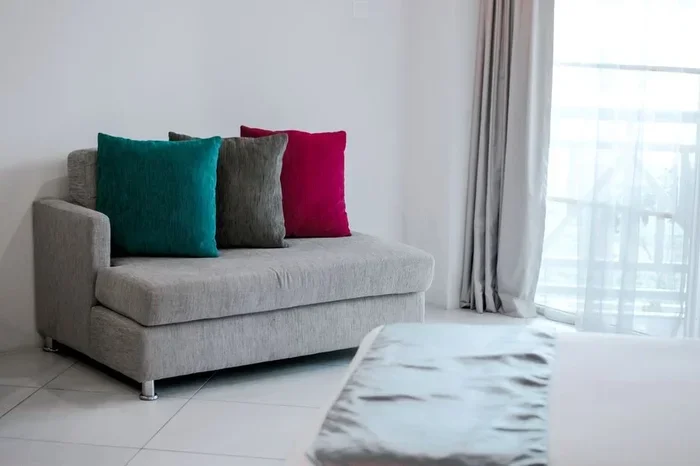
Cushions, throws, vases, and wall art are powerful tools for reinforcing your two-colour scheme. These items are easy to swap out and update when you want a fresh look. Choose pieces that feature both of your chosen colours, or use them to introduce subtle variations within the same colour family.
Curating thoughtful accent pieces for living room is one of the easiest ways to pull a two-colour room together. A well-placed vase, a stack of art books, or a decorative tray can make all the difference.
Common Mistakes to Avoid When Using Two Colours
Even the best intentions can lead to design missteps. Here are common mistakes people make when working with a two-colour living room palette, and how to avoid them.
Choosing Colours That Are Too Similar
Sometimes people pick two colours that are barely different, like beige and cream. While these tones can work, they often create a flat, uninspiring space. Your two colours need enough contrast to create visual interest. If you are unsure, place paint swatches side by side. If they almost blend together, choose one that is clearly darker or lighter.
Forgetting About the Floor and Ceiling
Your floor and ceiling are part of your colour story. A bold two-colour wall scheme can be undone by a floor that clashes or a ceiling that feels disconnected. Ideally, your floor should be neutral enough to support your palette, and your ceiling should either match one of your two colours or stay white for a clean finish.
Ignoring the Room’s Purpose
A living room used for entertaining guests needs a different energy than a quiet reading nook. Bright, high-contrast pairings work well for social spaces, while softer combinations suit relaxation areas. Always think about the room’s function before finalising your two colours.
Expert Insights: Making Two Colours Feel Expensive
Professional interior designers use a few tricks to make a two-colour room look high-end without a big budget. Here is what the experts recommend.
Invest in Quality Fabrics
Cheap fabrics show every flaw and lose their colour quickly. Invest in well-made cushions, throws, and curtains in your chosen shades. Quality fabrics drape better, feel richer, and age gracefully. Even simple two-colour combinations look luxurious when the materials are top-notch.
Add One Unexpected Element
Experts often introduce one unexpected element that adds personality. This could be a piece of vintage furniture, a unique light fixture, or a striking piece of abstract pictures for living room wall art. This single statement piece gives your room character and makes the two-colour scheme feel curated rather than limited.
For more inspiration on creating a polished, stylish space, explore aesthetic living room ideas that showcase how two-colour palettes can be elevated with thoughtful styling choices.
Keep It Consistent Throughout the Home
If your living room flows into a dining area or hallway, carry your two colours into those spaces too. Consistency creates a sense of harmony and makes your home feel designed rather than decorated. You do not need to repeat the exact same shades everywhere, but the same colours should appear in each connected space.
How to Update Your Living Room With a Two-Colour Makeover
You do not need to renovate your entire home to enjoy a fresh two-colour look. A strategic makeover can transform your space in just a weekend. Here is a simple step-by-step approach.
- Choose your two colours. Pick one dominant and one secondary shade based on the mood you want.
- Declutter. Remove items that do not fit your new palette. Donate or store them.
- Paint or add colour. An accent wall is the quickest way to introduce a new colour.
- Swap soft furnishings. Replace cushions, throws, and curtains in your two chosen colours.
- Add new accessories. Introduce decor items that feature both colours.
- Step back and assess. Live with the changes for a few days. Adjust anything that feels off.
This approach is affordable and gives you a stunning result. Many homeowners find that a simple two-colour refresh makes their living room feel brand new without the cost of a full renovation.
When updating your space, remember that your side table and bench styling also play a role in tying the two colours together. Check out how to style a side table in living room for practical tips on making even small surfaces contribute to your overall colour scheme.
Conclusion
A modern two colour combination for living room is one of the most effective and accessible ways to transform your home. By limiting your palette to two colours, you create a space that feels intentional, harmonious, and effortlessly stylish. Whether you choose the timeless elegance of navy and cream, the bold energy of charcoal and mustard, or the calming warmth of sage and terracotta, the results speak for themselves.
The key is to plan your palette with care, apply it thoughtfully, and use texture and accessories to add depth. Avoid the common pitfalls, trust your instincts, and remember that great design does not require dozens of colours. Sometimes, two is all you need. Start experimenting with your own two-colour living room today, and enjoy the process of creating a space that truly reflects your style.
Frequently Asked Questions
What is the best two colour combination for a small living room?
For small living rooms, light and airy combinations work best. Try white and soft grey, or cream and pale blue. These pairings make the space feel open and bright while still looking modern and stylish.
Can I use two bold colours together in my living room?
Absolutely. Bold combinations like charcoal and mustard yellow or navy and terracotta can look stunning. The key is to use one colour as the dominant shade and the other as an accent. This keeps the room balanced and prevents it from feeling overwhelming.
How do I decide which colour should be dominant?
Think about the mood you want and the size of your room. Lighter colours should be dominant in small or dim rooms because they make the space feel larger. Darker colours work well as the dominant shade in large, well-lit rooms where you want a cosy, dramatic feel.
Do I need to match my two colours to my furniture?
Not exactly. Your two colours should complement your existing furniture rather than match it perfectly. If your sofa is a neutral tone, you have more freedom to choose bolder wall colours. Focus on creating harmony rather than exact matches.
How many accent colours can I add to a two-colour scheme?
You can add one accent colour, but keep it neutral or metallic. White, black, gold, and brass work well as accents because they support your two main colours without competing with them. Stick to no more than three total colours for the cleanest look.
Are two-colour schemes still trending in 2024?
Yes, two-colour schemes are hugely popular in 2024. The trend leans toward minimalist and intentional design, which naturally favours restrained palettes. Earthy combinations like sage green and terracotta are especially trending this year.