Chinese Living Room Decor Ideas for a Stunning Home
Chinese living room decor brings a timeless blend of tradition, balance, and beauty into any home. You will learn how to use feng shui, bold colors, and elegant furniture to create a stunning space. This guide covers color schemes, materials, furniture choices, and modern twists on classic Asian design. Whether you are a beginner or a seasoned decorator, you will find practical tips you can use right away. Let us explore how to make your living room a true masterpiece.
There is something magical about a well-designed living room that tells a story. When you bring Chinese living room decor into your home, you are not just arranging furniture. You are creating a space filled with history, meaning, and balance.
Whether you have a large open-plan room or a cozy apartment living room, Chinese design principles can transform your space. The beauty of this style lies in its ability to feel both ancient and fresh at the same time. You do not need a mansion or a museum budget to pull it off. With the right choices, your living room can radiate the calm elegance that has defined Chinese interiors for centuries.
In this guide, we will walk you through everything you need to know. From color palettes and furniture selection to feng shui layout tips and modern adaptations, you will find practical ideas you can start using today. Let us dive in and explore the world of Chinese living room decor together.
Key Takeaways
- Feng shui principles are the foundation of authentic Chinese living room decor and help create harmony and balance.
- Red, gold, black, and wood tones form the core color palette that gives Chinese interiors their signature warmth and elegance.
- Natural materials like bamboo, silk, and porcelain add texture and cultural authenticity to any space.
- Ming and Qing dynasty-inspired furniture offers timeless silhouettes that work beautifully in both traditional and modern settings.
- Screen dividers and calligraphy wall art serve as functional and decorative focal points in Chinese living rooms.
- Mixing traditional elements with modern furniture keeps the look fresh while honoring cultural roots.
📑 Table of Contents
- What Makes Chinese Living Room Decor So Special
- Core Elements of Chinese Living Room Design
- Color Schemes and Materials That Define the Style
- Furniture and Layout Tips for Harmony
- Modern Twists on Chinese Living Room Decor
- Common Mistakes to Avoid When Decorating in Chinese Style
- Quick Tips for Getting Started
- Conclusion
What Makes Chinese Living Room Decor So Special
Chinese interior design is not just about looks. It is deeply rooted in philosophy, nature, and balance. Every element in a traditional Chinese room has a purpose. The placement of a chair, the color of a vase, and even the direction a bed or sofa faces all matter.
This design style draws from thousands of years of cultural heritage. It reflects values like harmony, prosperity, and respect for nature. When you incorporate Chinese living room decor into your home, you bring these timeless values into your everyday life.
The Philosophy Behind the Design
At the heart of Chinese design is the concept of balance. This comes from the ancient practice of feng shui, which focuses on how energy, or chi, flows through a space. A well-arranged Chinese living room feels calm and welcoming because every piece is placed with intention.
Another key idea is the connection between humans and nature. You will notice that natural materials like wood, stone, and water features appear often. Plants, flowing water, and organic shapes all play a role in creating a peaceful atmosphere. This is why Chinese living room decor feels so grounding and restful compared to many Western styles.
Key Cultural Symbols to Know
When decorating in the Chinese style, certain symbols carry deep meaning. Dragons and phoenixes represent power and grace. The peony flower symbolizes wealth and honor. Bamboo stands for strength and flexibility. Carp fish are believed to bring good luck and prosperity.
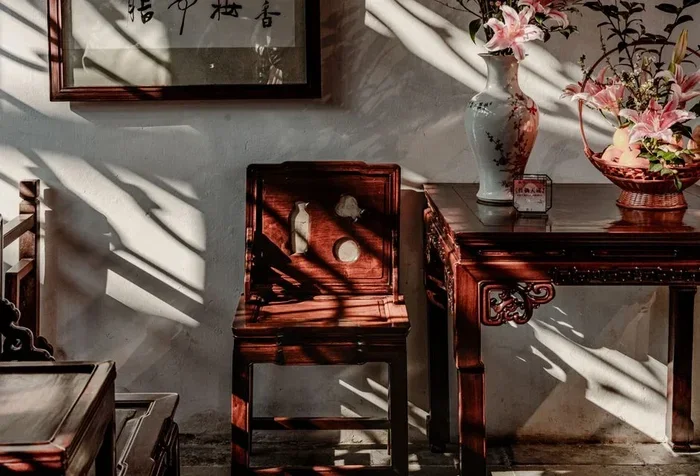
You do not need to fill your room with symbols, but choosing a few meaningful pieces adds depth to your design. A Chinese calligraphy wall art piece, for example, can serve as both decoration and a conversation starter. A porcelain vase with traditional patterns can anchor a side table beautifully.
Core Elements of Chinese Living Room Design
To create an authentic Chinese living room decor look, you need to understand the building blocks. These elements work together to form a cohesive and harmonious space. Let us break them down so you can start planning your room with confidence.
Screen Dividers and Room Flow
One of the most iconic features of Chinese interiors is the folding screen, or pingfeng. These wooden screens with beautiful artwork or lacquer finishes serve a dual purpose. They divide a room into zones without blocking light or air flow. This is very much in line with feng shui principles, which emphasize open, flowing spaces.
You can use a screen divider to separate your living area from a dining space or a home office. It adds a layer of elegance while keeping the room feeling spacious. Look for screens with intricate carvings or painted landscapes for the most authentic look.
Chinese Lanterns and Lighting
Lighting plays a huge role in setting the mood. Chinese lanterns are a staple in traditional and modern Chinese living rooms alike. They come in many shapes, sizes, and colors, but red and gold are the most classic choices.
Hang a large paper or silk lantern as a centerpiece above your coffee table. Place smaller lanterns on shelves or side tables for a warm glow. LED lanterns are a great modern option if you want the look without the fire risk. The soft light from lanterns creates an inviting atmosphere that is hard to achieve with overhead lighting alone.
Rugs and Floor Coverings
Floor coverings in Chinese design often feature bold patterns and rich colors. A Chinese rug with traditional motifs can anchor the entire seating area. Look for rugs that include cloud patterns, dragons, or floral designs in red, blue, and gold tones.
If a large rug feels too bold, start with a smaller one under the coffee table. You can always expand as you build your room. Natural fiber rugs in warm tones also work well if you prefer a subtler look.
Color Schemes and Materials That Define the Style
The right colors and materials make all the difference in Chinese living room decor. This style has a very distinct palette that instantly feels warm, rich, and inviting. Let us explore the colors and textures that bring this design to life.
Traditional Color Palette
The classic Chinese color scheme revolves around a few key hues:
- Red: Symbolizes luck, joy, and prosperity. It appears in cushions, lanterns, and wall accents.
- Gold: Represents wealth and luxury. Use it in frames, trim, and decorative objects.
- Black: Provides depth and contrast. Black furniture or frames create a sophisticated backdrop.
- Wood tones: Natural wood, especially dark walnut or redwood, forms the backbone of Chinese furniture.
- Blue and green: These colors come from jade and silk and bring a calming, natural feel.
You do not need to use every color. Pick two or three that resonate with you and build your room around them. A room with deep wood furniture, red cushions, and gold accents will instantly feel like it has Chinese design roots.
Materials That Add Authenticity
Texture is just as important as color in Chinese living room decor. The right materials add warmth, depth, and cultural authenticity to your space.
- Silk: Used for cushions, curtains, and lampshades. Silk adds a soft, luxurious feel that is very characteristic of Chinese interiors.
- Bamboo: Perfect for furniture, blinds, or decorative items. Bamboo is lightweight, sustainable, and deeply connected to Chinese culture.
- Porcelain and ceramics: Vases, tea sets, and decorative bowls in porcelain or celadon glaze are iconic Chinese art forms.
- Lacquerware: Lacquered furniture or decorative boxes have a beautiful shine and durability that stands the test of time.
- Jade: Even small jade carvings or stone pieces can elevate the look of your room with their smooth, cool texture.
Mixing these materials creates a layered, rich look that feels both cozy and refined. You do not need to buy everything at once. Start with a silk cushion or a porcelain vase and build from there.
Furniture and Layout Tips for Harmony
How you arrange your furniture matters just as much as the pieces you choose. In Chinese living room decor, the layout follows principles of balance and flow. A good layout makes the room feel open, welcoming, and energetically balanced.
Choosing the Right Furniture
Traditional Chinese furniture is known for its clean lines and craftsmanship. Ming dynasty furniture, in particular, is celebrated worldwide for its simplicity and elegance. These pieces often feature minimalist designs with beautiful wood joints that need no nails or glue.
For a sofa, consider a low-backed wooden frame with silk cushions. For tables, look for lacquered finishes or simple wooden pedestals. If traditional pieces feel too formal, you can blend them with modern furniture. A sleek modern sofa paired with a classic Chinese wooden coffee table creates a wonderful contrast.
Arranging for Feng Shui
Feng shui layout tips for a living room include a few simple rules:
- Place the main sofa against a solid wall. This provides a sense of support and stability.
- Keep the center of the room open. This allows chi to flow freely through the space.
- Position seating to face the door. This is considered auspicious and makes guests feel welcome.
- Avoid placing furniture directly in line with sharp corners. Soft edges and rounded shapes promote positive energy.
- Add a plant or water feature near the entrance. This draws good energy into the room.
You do not need to follow every rule perfectly. The goal is to create a room that feels balanced and comfortable to you. Trust your instincts and adjust as needed.
Modern Twists on Chinese Living Room Decor
One of the best things about Chinese living room decor is how adaptable it is. You do not have to choose between a fully traditional room and a completely modern one. The most stunning spaces blend the old with the new in creative ways.
Minimalist Chinese Design
If you love clean lines and open spaces, minimalist Chinese design might be perfect for you. This approach keeps the essence of Chinese design — balance, natural materials, and intentional placement — but strips away excess. A single Chinese art wall piece, a wooden screen, and a few well-chosen cushions can create a minimalist room that still feels deeply rooted in the style.
Think of it as less is more, but every piece matters. Choose furniture with simple silhouettes. Keep the color palette restrained. Let one or two statement pieces do the heavy lifting.
Bohemian Meets Chinese Style
Bohemian and Chinese design share a love for texture, pattern, and natural elements. Combining the two styles creates a warm, eclectic look that feels personal and inviting. Try layering a Chinese silk rug over a woven bohemian floor cushion. Mix oriental decor lanterns with macrame wall hangings. The key is to keep a unifying color palette so the room does not feel chaotic.
Family Room with Chinese Accents
You do not need to redesign your entire room to bring in Chinese elements. Start small with accents. A set of Chinese ceramics on a bookshelf, a red and gold throw blanket on the sofa, or a pair of bamboo floor lamps can shift the whole mood of a room.
This approach works wonderfully for families who want a stylish living space without a full commitment to a single design theme. Over time, you can add more pieces and let the room evolve naturally.
Common Mistakes to Avoid When Decorating in Chinese Style
Even with the best intentions, it is easy to make mistakes when designing a Chinese living room. Here are some common pitfalls and how to avoid them.
Overcrowding the Room
It is tempting to fill every surface with decorative objects. But Chinese design values empty space just as much as filled space. Clutter disrupts the flow of energy and makes the room feel heavy. Keep surfaces clean and let each piece breathe.
Using Stereotypical Decor Without Meaning
Not every red item or dragon statue tells a meaningful story. Avoid filling your room with generic “Asian-themed” decor that feels shallow. Instead, choose pieces that have genuine cultural significance or that you personally connect with. A single well-chosen porcelain vase means more than a dozen mass-produced trinkets.
Ignoring Scale and Proportion
Chinese furniture often has a low profile and clean lines. Placing a tiny decorative screen in a large room will look lost. Similarly, oversized furniture in a small room will feel cramped. Always consider the scale of your pieces in relation to the room size.
Neglecting Lighting
Harsh overhead lighting can ruin the warm ambiance you are trying to create. Chinese living rooms thrive on layered lighting. Use table lamps, floor lamps, and lanterns to create pools of soft light. Dimmer switches are your best friend in this style.
Quick Tips for Getting Started
Feeling inspired but not sure where to begin? Here are some quick tips to help you start your Chinese living room decor journey:
- Start with one statement piece, like a wooden screen or a large piece of Chinese calligraphy wall art.
- Swap out a few cushion covers for silk ones in red, gold, or deep blue.
- Add a bamboo plant or a small water fountain to bring in natural energy.
- Replace harsh light bulbs with warm, soft ones and add a couple of table lamps.
- Visit a local Asian market or browse online for authentic pieces at various price points.
- Take a photo of your room and sketch out a simple layout before moving any furniture.
Remember, decorating is a journey, not a race. You can build your Chinese living room over weeks or months. The most important thing is that the space feels like home to you.
Conclusion
Chinese living room decor offers a beautiful way to bring culture, history, and harmony into your home. From the calming principles of feng shui to the rich textures of silk and bamboo, every element works together to create a space that feels both peaceful and stunning. You do not need a big budget or a professional designer to achieve this look. With thoughtful choices and a bit of creativity, your living room can become a space that reflects the best of Chinese design traditions while fitting perfectly into your modern life.
Start small, stay true to what resonates with you, and enjoy the process. Your dream living room is closer than you think.
Frequently Asked Questions
What are the key colors used in Chinese living room decor?
The most common colors include red, gold, black, and natural wood tones. Red symbolizes luck and prosperity, while gold represents wealth. Black provides contrast and sophistication, and warm wood tones form the foundation of most Chinese furniture pieces.
Do I need to follow feng shui rules exactly?
Not at all. Feng shui is a guide, not a strict set of rules. Focus on the principles that resonate with you, like keeping the space open, using natural light, and placing furniture so it feels comfortable and balanced. The goal is a room that feels good to you.
Can I mix Chinese decor with other design styles?
Absolutely. Chinese living room decor blends beautifully with modern, minimalist, and bohemian styles. The key is to keep a cohesive color palette and let the Chinese pieces serve as accents or focal points rather than overwhelming the space.
Where can I find authentic Chinese decor pieces?
You can find authentic pieces at Asian markets, antique shops, and online retailers specializing in Asian art and furniture. Many artisans also sell directly through platforms like Etsy or their own websites. Look for handmade items for the most authentic feel.
What is the best way to start decorating in this style?
Begin with one or two statement pieces, such as a screen divider or a silk cushion set. Add a Chinese lantern or a piece of calligraphy wall art. Build gradually, letting each new piece complement what you already have. This approach keeps the process enjoyable and avoids overwhelming your space.
Is Chinese living room decor expensive to achieve?
Not necessarily. While antique or high-end pieces can be pricey, you can create a beautiful Chinese-inspired room on any budget. Start with affordable accents like silk cushions, bamboo blinds, or porcelain vases. The real magic comes from thoughtful arrangement and a cohesive color scheme, not from price tags.