Porcelain Tile Living Room Designs for a Stunning Home
A porcelain tile living room brings timeless elegance and unmatched durability to your home. This guide covers the best designs, patterns, colors, and installation tips to help you create a space that looks incredible and lasts for years. Whether you prefer modern minimalism or classic charm, porcelain tile offers endless possibilities for your living room makeover.
A porcelain tile living room can completely change the feel of your home. It adds style, value, and a sense of sophistication that few other materials can match. If you are thinking about upgrading your floors or redesigning your living space, porcelain tile deserves a serious look.
Porcelain tile has been a favorite among homeowners and designers for years. It is versatile, durable, and available in so many styles that you are sure to find something you love. In this article, we will walk you through everything you need to know about porcelain tile living room designs. You will learn about the different types, popular patterns, color choices, and practical tips for installation and care.
## Why Porcelain Tile Is Perfect for Your Living Room
Porcelain tile stands out from other flooring options for several important reasons. It is made from fine clay and fired at very high temperatures. This process makes it denser, harder, and less porous than regular ceramic tile. The result is a flooring material that can handle heavy foot traffic, spills, and everyday wear with ease.
### Exceptional Durability
Porcelain tile is one of the hardest flooring materials available. It resists scratches, dents, and stains better than most alternatives. A porcelain floor in your living room can last 20 years or more with proper care. This makes it a smart long-term investment for any homeowner.
### Water Resistance
Because porcelain has a very low water absorption rate, it handles moisture incredibly well. Unlike hardwood, porcelain will not warp or swell when exposed to water. This is especially useful if you have an open-plan living room that flows into a dining or kitchen area. Spills are easy to wipe up, and you never have to worry about water damage.
### Design Flexibility
Porcelain tile comes in every size, shape, color, and texture you can imagine. You can find designs that mimic natural stone, wood, concrete, or even fabric. This flexibility means you can achieve the exact look you want without the high maintenance that real wood or stone demands. For more living room design inspiration, check out our guide on aesthetic living room ideas.
## Popular Porcelain Tile Patterns for Living Rooms
The pattern you choose for your porcelain tile living room sets the entire tone of the space. Patterns add visual interest and can make a room feel larger, cozier, or more dynamic. Let us explore some of the most popular options.
### Herringbone Pattern
The herringbone pattern is a classic choice that adds movement and elegance to any room. Tiles are laid at 45-degree angles to create a zigzag effect. This pattern works beautifully with both large and small tiles. It is especially popular in modern and transitional design styles.
### Chevron Pattern
Similar to herringbone but with a more precise V-shape, the chevron pattern creates a sleek and polished look. It is a favorite for homeowners who want a touch of sophistication. Chevron patterns work well with porcelain slabs that have a smooth, glossy finish.
### Basket Weave Pattern
The basket weave pattern uses rectangular tiles arranged in pairs to create a woven effect. It adds texture and dimension without being too busy. This pattern is great for living rooms that need a cozy, traditional feel.
### Straight Lay Pattern
The simplest and most timeless option is the straight lay pattern. Tiles are placed in straight rows, creating a clean and minimalist look. This pattern works best with large-format tiles and is ideal for modern or minimalist living room designs.
### Windmill Pattern
The windmill pattern uses four tiles arranged around a central square to create a spinning effect. It is more intricate and adds a unique focal point to your living room. This pattern is perfect for homeowners who want a statement floor.
## Choosing the Right Colors and Finishes
Color and finish play a huge role in how your porcelain tile living room feels. The right combination can make a small room feel open and airy, or a large room feel warm and inviting.
### Light Colors for Small Spaces
If your living room is on the smaller side, light-colored tiles are your best friend. White, cream, and light gray tiles reflect light and make the space feel bigger. They also create a clean and fresh atmosphere. Pair light tiles with simple furniture and minimal decor for a modern look.
### Dark Colors for Drama
Dark tiles like charcoal, deep brown, or navy blue add drama and richness to a living room. They work best in larger spaces with good natural light. Dark porcelain tile can create a cozy, intimate feel that is perfect for a formal living room.
### Finishes: Matte, Glossy, and Textured
– Matte Finish: Gives a natural, understated look. It hides dirt well and provides good traction, making it safe for families with children.
– Glossy Finish: Adds shine and elegance. It reflects light and makes the room feel brighter, but it can show fingerprints and scratches more easily.
– Textured Finish: Adds depth and a tactile quality. Textured porcelain tiles often mimic natural stone or wood grain and bring a rustic or organic feel to the room.
## Porcelain Tile vs. Other Flooring Options
Choosing the right flooring can feel overwhelming. Here is a quick comparison of porcelain tile against other popular options.
| Feature | Porcelain Tile | Ceramic Tile | Hardwood | Laminate |
|—|—|—|—|—|
| Durability | Excellent | Good | Moderate | Moderate |
| Water Resistance | Excellent | Good | Poor | Poor |
| Maintenance | Low | Low | Medium | Low |
| Cost | Medium | Low | High | Low |
| Design Options | Excellent | Good | Limited | Good |
| Lifespan | 20+ years | 15+ years | 10-20 years | 8-12 years |
| Heat Resistance | Excellent | Excellent | Poor | Poor |
Porcelain tile clearly offers the best combination of durability, water resistance, and design flexibility. While the upfront cost may be higher than laminate or ceramic, the long-term value is unmatched. For tips on arranging furniture on tile floors, see our article on how to place furniture in a living room.
## Installation Tips for Porcelain Tile Living Rooms
Proper installation is key to getting the most out of your porcelain tile. While some homeowners attempt DIY projects, hiring a professional is often the best choice for porcelain tile.
### Subfloor Preparation
The subfloor must be clean, level, and dry before tiles are installed. Any cracks or uneven spots should be repaired first. A proper substrate, such as cement board, is essential for a long-lasting installation.
### Tile Spacing and Grouting
Porcelain tiles are often very consistent in size, which allows for narrow grout lines. Thin grout lines give a sleek, modern appearance. However, wider grout lines can add a rustic charm, especially with textured tiles. Use a high-quality grout that is stain-resistant and easy to clean.
### Sealing the Tiles
While porcelain is naturally less porous than other tiles, sealing the grout lines is still important. A good sealer protects against stains and moisture penetration. Reapply sealer every one to two years to keep your floor looking its best.
### Underfloor Heating Compatibility
One of the great advantages of porcelain tile is that it works beautifully with underfloor heating. The tile conducts heat efficiently and distributes it evenly across the room. If you are considering radiant heating, porcelain is one of the best flooring choices you can make.
## Maintaining Your Porcelain Tile Living Room
One of the biggest reasons homeowners love porcelain tile is how easy it is to maintain. With just a little routine care, your floor will look stunning for decades.
### Daily Cleaning
Sweep or vacuum your porcelain tile floor regularly to remove dirt and debris. Use a damp mop with a mild cleaning solution for routine washing. Avoid harsh chemicals that can damage the tile finish or discolor the grout.
### Stain Removal
Spills on porcelain tile are easy to clean up. Wipe them quickly with a soft cloth and warm water. For stubborn stains, a paste of baking soda and water works wonders. Avoid abrasive scrubbers that can scratch the tile surface.
### Grout Care
Grout lines are the most vulnerable part of any tiled floor. Clean them with a soft brush and a gentle grout cleaner. If you notice discoloration, a mixture of hydrogen peroxide and baking soda can restore the original color. For more home decor tips, visit our page on accent pieces for living room.
### Preventing Damage
Place doormats at entrances to trap dirt and grit. Use furniture pads under heavy pieces to prevent scratches. Avoid dragging heavy furniture across the floor whenever possible. These simple habits will keep your porcelain tile looking new for years.
## Porcelain Tile Living Room Design Ideas
Now that you understand the basics, let us explore some design ideas that bring porcelain tile to life in your living room.
### Modern Minimalist
For a clean, modern look, choose large-format porcelain tiles in a light gray or white finish. Use the straight lay pattern with thin grout lines. Keep furniture simple and sleek. Add a few statement accent pieces to tie the room together.
### Mediterranean Retreat
Create a warm, inviting atmosphere with terracotta-colored porcelain tiles. A herringbone or basket weave pattern adds visual interest. Pair with wooden furniture, woven textiles, and indoor plants for a Mediterranean-inspired living room.
### Industrial Chic
Dark porcelain tiles with a concrete-look finish are perfect for an industrial-style living room. Combine with metal furniture, exposed brick accents, and minimalist decor. The cool, hard surface of porcelain complements the raw industrial aesthetic beautifully.
### Classic Elegance
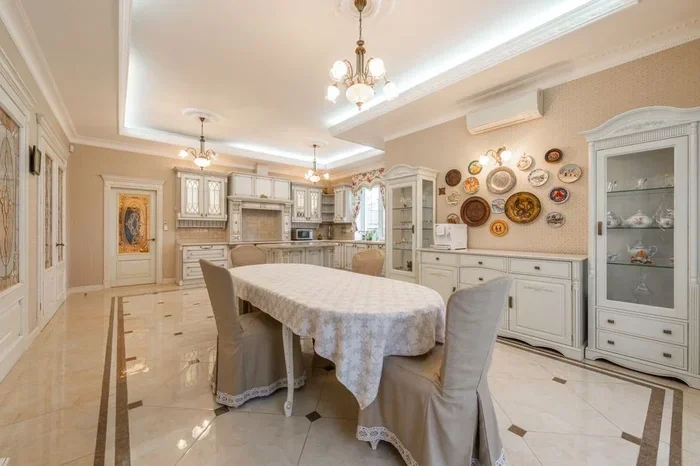
For a timeless look, choose porcelain tiles that mimic natural marble or limestone. A chevron or windmill pattern adds a touch of luxury. Pair with velvet furniture, crystal accents, and warm lighting for a truly elegant living room.
## Common Mistakes to Avoid
Even with the best intentions, mistakes can happen when installing porcelain tile. Here are some pitfalls to watch out for.
### Skipping Proper Subfloor Preparation
A weak or uneven subfloor leads to cracked tiles and loose grout. Always take the time to prepare the surface properly before installation. This is the most important step in the entire process.
### Choosing the Wrong Tile Size
Oversized tiles in a small room can make the space feel cramped. Undersized tiles in a large room can look busy and cluttered. Measure your space carefully and choose tile sizes that complement the room dimensions.
### Ignoring Grout Selection
Not all grout is created equal. Epoxy grout is more durable and stain-resistant than cement-based grout, but it is harder to work with. Choose the right type for your project and your skill level.
### Forgetting About Expansion Gaps
Porcelain tile expands and contracts with temperature changes. Leaving proper expansion gaps around the edges of the room prevents buckling and cracking. Always follow the manufacturer’s guidelines for spacing.
### Underestimating Maintenance Needs
While porcelain tile is low-maintenance, it is not zero-maintenance. Regular cleaning and periodic grout sealing are essential to keep your floor looking its best. Skipping these steps can lead to dull, stained floors over time.
## Expert Insights on Porcelain Tile Living Room Design
Interior designers agree that porcelain tile is one of the most versatile flooring options available today. According to design experts, the key to a stunning porcelain tile living room is choosing a tile that complements your existing decor rather than competing with it.
Start with a clear vision. Decide on the mood and style of your room before selecting tiles. Browse magazines, Pinterest boards, and design blogs for inspiration. Once you have a direction, narrow down your choices by color, size, and finish.
Consider the big picture. Your porcelain tile floor is one element in a larger design. It should work in harmony with your wall colors, furniture, window treatments, and lighting. A cohesive design creates a polished, professional look.
Do not be afraid of bold choices. While neutral tones are always safe, a bold tile pattern or color can transform a plain living room into a showstopper. Many homeowners are embracing large-format porcelain slabs with dramatic veining for a high-end, luxurious feel.
For more ideas on accessorizing your tile living room, check out our guide on how to decorate shelves in a living room.
## Conclusion
A porcelain tile living room is a smart investment that pays off in beauty, durability, and long-term value. With so many designs, patterns, colors, and finishes available, you can create a space that is uniquely yours. Whether you prefer the clean lines of modern minimalism or the warmth of a Mediterranean retreat, porcelain tile delivers.
The key is to choose tiles that match your lifestyle, complement your decor, and stand up to the demands of daily living. With proper installation and simple maintenance, your porcelain tile floor will be the foundation of a stunning living room for decades to come. Start exploring your options today and bring the beauty of porcelain tile into your home.
For guidance on selecting the best furniture to complement your new tile floors, visit our article on how to choose furniture for a living room.
Key Takeaways
- Durability: Porcelain tile is incredibly strong, water-resistant, and built to last for decades in high-traffic living areas.
- Design Versatility: From large-format slabs to intricate mosaics, porcelain tile comes in countless styles to match any interior design.
- Easy Maintenance: Porcelain floors are simple to clean and require minimal upkeep compared to other flooring options.
- Cost-Effective: Porcelain tile offers a premium look at a fraction of the cost of natural stone or hardwood.
- Temperature Regulation: Porcelain tile keeps your living room cool in summer and works beautifully with radiant heating systems.
- Eco-Friendly: Porcelain is made from natural materials and is often recyclable, making it a sustainable flooring choice.
Frequently Asked Questions
Is porcelain tile good for living rooms with pets?
Yes, porcelain tile is an excellent choice for pet owners. It is scratch-resistant, easy to clean, and handles accidents better than hardwood or carpet. The smooth surface makes it simple to wipe up pet hair and messes.
How much does porcelain tile cost for a living room?
Porcelain tile typically costs between $3 and $10 per square foot for materials. Installation costs range from $5 to $15 per square foot depending on the complexity of the project. While the upfront cost is higher than some options, the long lifespan makes it very cost-effective.
Can I install porcelain tile myself?
While DIY installation is possible, porcelain tile is heavy and requires precise cutting and leveling. Hiring a professional ensures a flawless finish and reduces the risk of cracks or uneven surfaces. If you are experienced with tile work, DIY can save money, but the learning curve is steep.
Does porcelain tile make a living room cold?
Porcelain tile can feel cool underfoot, especially in colder climates. However, it works wonderfully with radiant floor heating systems, which keep the room warm and comfortable. Area rugs in seating zones also add warmth and coziness.
What size porcelain tile is best for a living room?
Large-format tiles, such as 12×24 inches or 24×24 inches, are popular for living rooms because they create a seamless, expansive look. Smaller tiles work well for intricate patterns or cozy spaces. Choose based on your room size and design preference.
How do I prevent porcelain tile from slipping?
Choose porcelain tiles with a textured or matte finish for better traction. Avoid glossy tiles in areas prone to moisture. Rugs in high-traffic zones and entryways add an extra layer of safety and comfort.