Porcelain Floor Tiles for Living Room Transformation
Porcelain floor tiles for living room spaces offer a stunning blend of durability and style. They resist water, stains, and wear better than most flooring options, making them a smart choice for busy households. Whether you prefer a modern minimalist look or a warm classic feel, porcelain tiles for living room floors give you endless design possibilities without the high maintenance.
Porcelain floor tiles for living room spaces have become one of the most popular flooring choices among homeowners. If you are planning a room makeover, this flooring option deserves your full attention. It combines beauty, strength, and practicality in a way that few other materials can match.
The living room is often the heart of a home. Family members gather there. Guests visit. Kids play. Pets move around. That means your floor takes a beating every single day. Porcelain tiles handle all of this with grace. They do not scratch easily. They do not stain quickly. And they hold their look for decades.
What makes porcelain tiles different from regular ceramic tiles? The answer lies in the manufacturing process. Porcelain is fired at much higher temperatures. This makes it denser and less porous. The result is a tile that can handle heavy use and still look fantastic.
There is a common myth that tile flooring feels cold and boring. That could not be further from the truth. Today’s porcelain tiles come in so many styles that you can create a warm, inviting living room without sacrificing durability. From wood-look porcelain to stone-effect designs, the options are truly endless.
Key Takeaways
- Durability: Porcelain tiles are extremely hard and long-lasting, perfect for high-traffic living areas.
- Water Resistance: Unlike natural stone, porcelain absorbs less than 0.5% moisture, making it ideal for spills and humidity.
- Design Flexibility: You can find porcelain tiles in countless sizes, colors, patterns, and finishes to match any living room style.
- Easy Maintenance: Regular sweeping and occasional mopping keep porcelain floors looking new for years.
- Cost-Effective: Porcelain offers the premium look of natural stone at a fraction of the price and upkeep cost.
- Boosts Home Value: Quality tile flooring in the living room increases curb appeal and resale value.
- DIY-Friendly: Many porcelain tile projects can be completed by homeowners with basic tools and patience.
📑 Table of Contents
- Why Choose Porcelain Floor Tiles for Your Living Room?
- Porcelain Tile Types and Styles for Living Rooms
- Porcelain vs. Ceramic: What Is the Difference?
- How to Install Porcelain Floor Tiles in Your Living Room
- Maintaining Your Porcelain Living Room Floors
- Design Ideas: Making Porcelain Tiles Work for Your Living Room
- Budget Considerations for Porcelain Floor Tiles
- Common Mistakes to Avoid When Choosing Porcelain Tiles
- Frequently Asked Questions
- Conclusion
Why Choose Porcelain Floor Tiles for Your Living Room?
Choosing the right flooring is one of the biggest decisions you will make for your living room. Porcelain has earned its reputation for good reason. Let us explore the top benefits in detail.
Exceptional Durability
Porcelain tiles rank among the hardest flooring materials available. They score between 5 and 10 on the PEI wear rating scale. This means they can handle heavy foot traffic without showing signs of wear. A living room with porcelain floors will look great even after many years of daily use.
Unlike hardwood, porcelain does not dent or warp. Unlike laminate, it does not peel or bubble. It simply lasts. Many porcelain tile installations from the 1980s and 1990s still look beautiful today. That is a testament to how tough this material really is.
Water and Stain Resistance
Porcelain has a very low water absorption rate, usually below 0.5%. This makes it naturally resistant to water damage. Spilled coffee, juice, or wine will not seep into the tile if you clean it up promptly. This is a huge advantage for families with young children or pets.
Because porcelain is non-porous, it also resists stains from oils, dirt, and household chemicals. You do not need to seal porcelain tiles like you do with natural stone. This saves you time and money over the long run.
Design Versatility
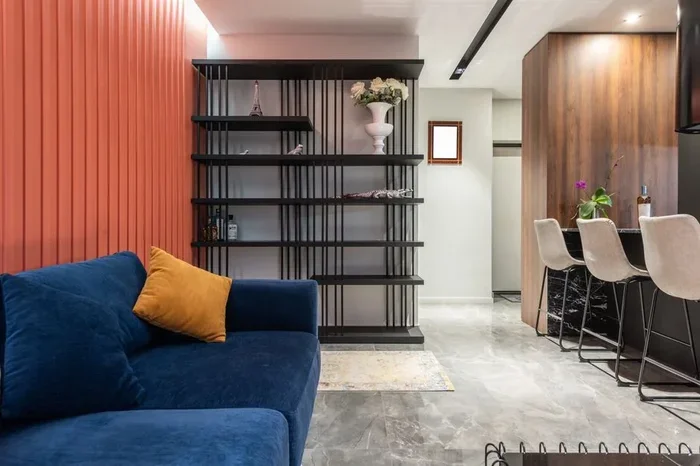
The design possibilities with porcelain are truly remarkable. Manufacturers use advanced printing technology to create tiles that look remarkably like natural materials. You can find porcelain that mimics wood, marble, granite, and even concrete.
Want a rustic wooden floor look without the maintenance? Porcelain has you covered. Dreaming of a marble-like elegance? Porcelain delivers that too. You can also find tiles in bold geometric patterns, subtle textures, and matte or polished finishes.
When it comes to living room tile flooring ideas, porcelain gives you the freedom to experiment. Mix and match sizes. Create borders. Use different patterns for different zones in the room. The creative options are virtually unlimited.
Porcelain Tile Types and Styles for Living Rooms
Not all porcelain tiles are the same. Understanding the different types will help you choose the best option for your space. Each style brings its own personality and practical benefits.
Polished Porcelain Tiles
Polished porcelain has a glossy, reflective surface that adds brightness to a room. It makes a small living room feel more open and spacious. The shine also highlights the intricate details in tile patterns.
However, polished porcelain can be slippery when wet. If you have young children or elderly family members, you may want to choose a matte or textured finish instead. Look for tiles with an R-rating for slip resistance if safety is a concern.
Matte Porcelain Tiles
Matte porcelain tiles have a soft, non-reflective surface that feels warm underfoot visually. They hide dirt and footprints better than polished tiles. This makes them a practical choice for busy living rooms.
Matte tiles also provide better traction, which makes them safer for families. They come in a wide range of colors and textures, from smooth and modern to rough and rustic.
Wood-Look Porcelain Tiles
Wood-look porcelain is one of the hottest trends in flooring right now. These tiles capture the warmth and grain patterns of real wood but without the vulnerability to moisture and scratches.
You get the cozy aesthetic of hardwood with the durability of porcelain. Plus, you do not need to refinish wood-look porcelain ever. A simple sweep and mop keeps it looking pristine. This is a game-changer for living rooms that see a lot of activity.
Stone-Effect Porcelain Tiles
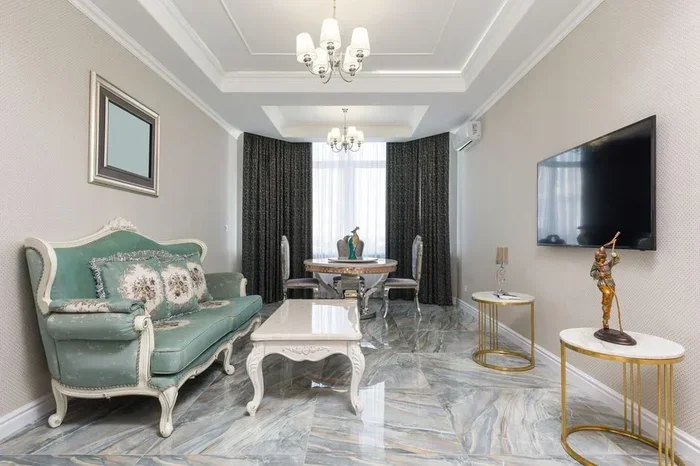
Stone-effect porcelain replicates the look of natural slate, travertine, and marble. It gives your living room a luxurious, high-end appearance without the price tag of real stone.
Natural stone requires regular sealing and careful maintenance. Porcelain stone-effect tiles give you the same visual impact with much less effort. They are also more consistent in color and thickness, which makes installation easier.
Porcelain vs. Ceramic: What Is the Difference?
Many people use the terms porcelain and ceramic interchangeably, but they are not the same. Understanding the difference helps you make a smarter buying decision.
Water Absorption
Porcelain absorbs less than 0.5% moisture. Ceramic absorbs more than 0.5%. This makes porcelain significantly more resistant to water damage. For a living room where spills happen frequently, porcelain is the clear winner.
Density and Strength
Porcelain is fired at higher temperatures for longer periods. This creates a denser, harder tile. Ceramic is softer and more porous. Porcelain therefore lasts longer and withstands more wear.
Cost Comparison
Porcelain tiles usually cost a bit more than ceramic tiles upfront. However, the long-term savings are significant. Porcelain requires less maintenance, lasts longer, and rarely needs replacement. Over time, porcelain is the more economical choice.
How to Install Porcelain Floor Tiles in Your Living Room
Installing porcelain tiles is a project that many homeowners can tackle themselves. However, proper preparation and technique are essential for a flawless result.
Step-by-Step Installation Guide
- Prepare the subfloor. Make sure the surface is clean, dry, and level. Any bumps or dips will show through the tiles.
- Plan your layout. Start from the center of the room and work outward. This ensures balanced cuts at the walls.
- Dry-lay the tiles. Lay out a few rows without adhesive to check the pattern and spacing.
- Apply thinset mortar. Use a notched trowel to spread the adhesive evenly. Work in small sections to prevent it from drying out.
- Set the tiles. Press each tile firmly into the mortar. Use spacers to maintain even gaps for grout.
- Let the adhesive cure. Wait at least 24 hours before walking on the tiles.
- Apply grout. Fill the joints with grout, then wipe away the excess with a damp sponge.
- Seal the grout. Apply a grout sealer after the grout has fully cured. This protects against stains and moisture.
Tools You Will Need
- Tile cutter or wet saw
- Notched trowel
- Tile spacers
- Level and measuring tape
- Rubber mallet
- Grout float and sponge
- Bucket and mixing paddle
If you are new to tiling, practice on a small area first. Watch a few tutorial videos. Take your time. Rushing the process is the number one cause of uneven tiles and poor grout lines.
Maintaining Your Porcelain Living Room Floors
One of the best things about porcelain tiles is how easy they are to maintain. You do not need special products or complicated routines. A little regular care goes a long way.
Daily and Weekly Care
Sweep or vacuum your porcelain floors regularly to remove dirt and grit. These tiny particles can scratch the tile surface over time. A soft-bristle broom or a vacuum with a hard-floor setting works best.
For weekly cleaning, mop the floor with warm water and a mild pH-neutral cleaner. Avoid acidic or abrasive cleaners. They can dull the tile finish over time. Wipe up spills promptly to prevent any staining, especially on grout lines.
Deep Cleaning Tips
Every few months, give your floors a deeper clean. Use a steam mop on porcelain tiles for a thorough sanitizing. Steam cleaning removes embedded dirt without chemicals.
For grout lines, make a paste of baking soda and water. Apply it to the grout, let it sit for a few minutes, then scrub gently with a soft brush. Rinse and dry. Your grout will look fresh and clean again.
Sealing and Protection
While porcelain tiles themselves do not need sealing, the grout does. Apply a grout sealer once or twice a year, depending on how much traffic your living room sees. This simple step prevents stains from penetrating the grout and makes future cleaning much easier.
If you have porcelain tile in a sunlit area, consider using window treatments to prevent fading over time. While porcelain is highly resistant to UV damage, extreme prolonged exposure can affect the color of grout and surrounding materials.
When you are refreshing your living room with new accents or furniture, consider pairing your beautiful porcelain floors with thoughtfully chosen accent pieces that complement the tile color and texture. The right accessories can elevate the entire room design.
Design Ideas: Making Porcelain Tiles Work for Your Living Room
Now that you understand the practical side, let us talk about making your porcelain floors a design highlight. The tile you choose sets the foundation for your entire living room aesthetic.
Create a Focal Point with Patterned Tiles
Consider using patterned or decorative porcelain tiles in a central area of your living room. A geometric pattern near the fireplace or seating area draws the eye and adds visual interest. You can pair patterned tiles with solid-color tiles in the surrounding areas for balance.
Use Large-Format Tiles for a Modern Feel
Large-format porcelain tiles, such as 24×24 or 24×48 inches, create a sleek, modern look with fewer grout lines. They make a living room feel more open and expansive. This style works especially well in open-concept floor plans where the living room flows into the dining area.
When selecting large tiles, make sure your subfloor is perfectly level. Any imperfections become more visible with larger tiles. You might also want to explore furniture placement strategies that complement large-format tile layouts for a cohesive look.
Mix Materials for Visual Depth
Do not be afraid to mix porcelain tiles with other materials in your living room. Porcelain tile floors paired with a plush area rug create a warm, layered look. The rug adds texture and comfort underfoot while the tile provides a durable base.
You can also pair porcelain with wood trim or baseboards for a transitional look that blends modern and traditional styles. This approach gives your living room depth and character without feeling cluttered.
Choose the Right Color Palette
The color of your porcelain tiles sets the mood for the entire room. Light-colored tiles, such as white, cream, or light gray, make a small living room feel brighter and more spacious. Dark-colored tiles, like charcoal or deep brown, add drama and sophistication to larger rooms.
Neutral tones are the safest choice because they work with almost any furniture and decor style. If you want to add personality, use colorful accent pillows, artwork, or a statement rug on top of neutral tiles. This way, you can change the room’s vibe anytime without retiling.
Budget Considerations for Porcelain Floor Tiles
One of the reasons porcelain tiles are so popular is that they fit a wide range of budgets. You can find quality porcelain at various price points, making it accessible for almost any homeowner.
What to Expect Cost-Wise
Basic porcelain tiles typically cost between $3 and $8 per square foot. Mid-range options with advanced finishes and patterns run from $8 to $15 per square foot. High-end designer porcelain can cost $15 to $30 or more per square foot. Installation costs add another $4 to $10 per square foot if you hire a professional.
For a standard living room of about 300 square feet, a DIY installation with mid-range porcelain tiles might cost around $3,000 to $5,000 total. Hiring a professional could bring that to $5,000 to $8,000. These are rough estimates, and prices vary by region and tile quality.
Tips to Save Money
- Buy tiles in bulk during sales or closeout events.
- Choose standard sizes over custom sizes, as they are usually cheaper.
- Do the installation yourself if you have basic DIY skills.
- Look for porcelain overruns or seconds at tile outlets. These are perfectly good tiles with minor cosmetic blemishes.
- Plan your layout to minimize cuts and waste.
Remember that porcelain tiles are a long-term investment. The upfront cost is often higher than carpet or vinyl, but the lifespan and minimal maintenance make porcelain far more cost-effective over time. A porcelain floor tile for living room installation can easily last 20 to 30 years or more with proper care.
When you are ready to furnish your newly tiled living room, consider exploring aesthetic living room ideas that complement your new porcelain floors. The right furniture and decor choices will tie the entire room together beautifully.
Common Mistakes to Avoid When Choosing Porcelain Tiles
Even with a great product, mistakes can happen. Here are some pitfalls to watch out for during your porcelain tile journey.
Skipping the PEI Rating Check
The PEI rating tells you how durable a tile is for different applications. Using a low-rated tile in a high-traffic living room leads to premature wear. Always choose tiles rated PEI 4 or 5 for living room floors.
Ignoring the COF Rating
The coefficient of friction (COF) measures how slip-resistant a tile is. A higher COF means better traction. For living rooms with kids or older adults, choose tiles with a COF of 0.60 or higher. This is especially important if you plan to use polished porcelain.
Underestimating the Need for Quality Underlayment
A good underlayment provides a smooth, stable base for your tiles. Skipping this step or using cheap materials leads to cracked tiles and uneven surfaces over time. Invest in quality underlayment and your floors will thank you for years.
Choosing the Wrong Grout Color
Grout color can make or break the look of your tile floor. Light grout shows dirt more easily. Dark grout highlights every gap and can make a busy pattern feel overwhelming. Choose a grout color that complements your tile and hides moderate dirt. A medium tone that is close to your tile color is often the safest and most elegant choice.
Frequently Asked Questions
Are porcelain floor tiles good for living rooms with pets?
Yes, porcelain tiles are excellent for pet-friendly living rooms. They are scratch-resistant, easy to clean, and do not absorb pet odors or stains. The smooth surface makes it simple to wipe up accidents, and the hardness holds up well against nails and claws.
Do porcelain tiles make a living room feel cold?
Porcelain can feel cooler underfoot than carpet or wood, but this is easily managed. Area rugs in seating areas add warmth and comfort. You can also use radiant floor heating underneath porcelain tiles for a cozy feel during colder months. The thermal mass of porcelain actually helps regulate room temperature over time.
How long do porcelain floor tiles last in a living room?
With proper installation and maintenance, porcelain floor tiles can last 20 to 30 years or even longer. The material does not fade, warp, or wear down easily. Many homeowners find that their porcelain floors still look great after two decades of daily use.
Can I install porcelain tiles myself, or should I hire a professional?
DIY installation is possible if you have basic handyman skills and patience. Porcelain is harder to cut than ceramic, so a wet saw is recommended. If your living room has complex layouts, curves, or multiple levels, hiring a professional may save you time and ensure a better finish. For straightforward rectangular rooms, a confident DIYer can achieve great results.
What is the best porcelain tile size for a small living room?
For small living rooms, large-format tiles (such as 24×24 inches) work well because they reduce the number of grout lines and create a more open feel. Light-colored tiles also help make a small space appear larger. Avoid very small tiles in compact rooms, as too many grout lines can make the space feel busy and cramped.
How do I choose the right porcelain tile finish for my living room?
Matte finishes are the most practical for living rooms because they hide dirt and provide better traction. Polished finishes look luxurious and add brightness but can be slippery. For a balance of beauty and safety, consider a honed or brushed finish, which offers a subtle sheen without being too glossy.
Conclusion
Porcelain floor tiles for living room spaces are a winning choice for homeowners who want beauty, durability, and practicality all in one package. From the initial design planning to the final grout line, porcelain gives you the tools to create a living room that looks amazing and stands the test of time.
The versatility of porcelain means there is truly a tile for every style, budget, and preference. Whether you lean toward the warmth of wood-look porcelain or the elegance of stone-effect designs, your living room can become a showcase of style and function. The best part is that porcelain floors require minimal upkeep while delivering maximum impact.
Take the time to explore your options. Compare different tile types, finishes, and layouts. Plan your installation carefully. And do not be afraid to ask questions at your local tile supplier. The right porcelain tiles for living room floors will serve you well for decades and become a feature you are proud of every single day.
Your living room deserves flooring that works as hard as you do. Porcelain delivers on every front, and it is ready to transform your space into something truly special.