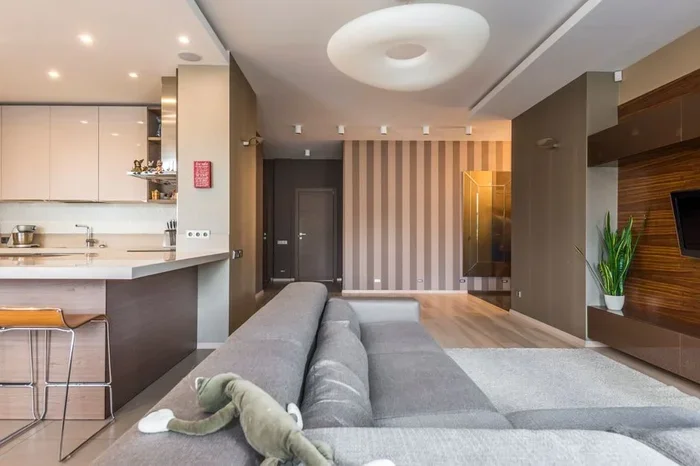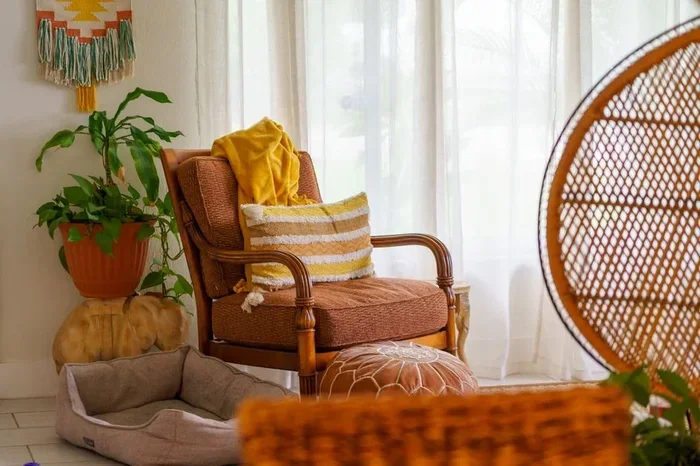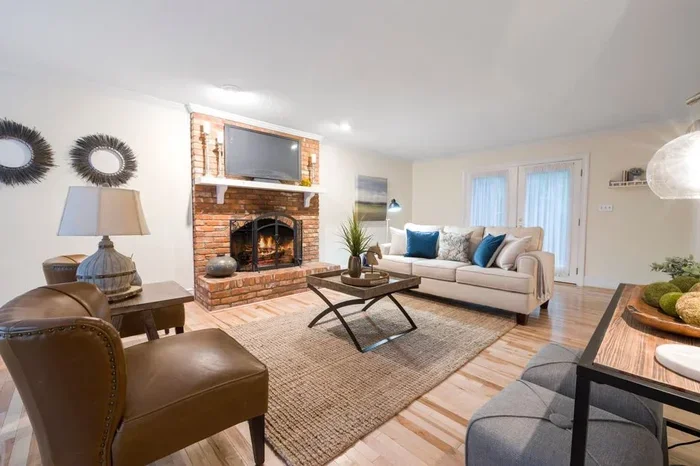
Couchless Living Room Ideas That Make a Statement
Couchless living room ideas are sweeping the design world, and for good reason. A living room without a couch creates an open, breathable space that feels larger and more inviting. You can swap traditional seating for floor cushions, statement chairs, and modular pieces. These couchless living room ideas let you craft a room that reflects your personality and lifestyle. Keep reading to discover the best layouts, styles, and tips for pulling it off.
Think about the last time you walked into a living room that took your breath away. What made it special? Chances are, it did not have a traditional couch taking up all the floor space. Couchless living room ideas are gaining serious momentum among homeowners and interior designers alike. People are tired of the standard sofa-dominated layout that makes rooms feel closed off and rigid.
A living room without a couch opens up endless possibilities. You get to rethink how people sit, relax, and connect in your most-used space. Whether you live in a tiny apartment or a spacious home, ditching the couch can completely change the energy of a room. Let us dive into the best couchless living room ideas that make a real statement.
Key Takeaways
- More Space: Removing the couch instantly opens up your floor area and makes the room feel larger.
- Creative Freedom: You can explore unique seating options like floor cushions, poufs, and daybeds.
- Better Flow: A couchless layout improves traffic flow and makes the room feel more welcoming.
- Style Flexibility: You can mix and match styles like Scandinavian, boho, or Japanese-inspired designs.
- Cost Savings: Skipping the couch can free up budget for statement pieces and quality accessories.
- Wellness Benefits: Low-profile seating encourages better posture and a more relaxed atmosphere.
- Easy to Update: A furniture-free living room is simpler to rearrange and refresh over time.
📑 Table of Contents
- Why Go Couchless? The Benefits of a Living Room Without a Couch
- Best Seating Alternatives for a Couchless Living Room
- Design Styles That Shine Without a Couch
- How to Arrange a Couchless Living Room
- Common Mistakes to Avoid When Going Couchless
- Expert Insights on Couchless Living Room Design
- Key Takeaways
- Frequently Asked Questions
- Conclusion
Why Go Couchless? The Benefits of a Living Room Without a Couch
Before we explore specific ideas, let us talk about why removing the couch is worth your time. Most people assume they need a big sofa for their living room. But a living room without a couch can actually work better for many households.
First, you gain square footage. A standard couch eats up 70 to 90 inches of floor space. That is a lot of room you could use for a reading nook, a play area, or an open lounge zone. Second, you break free from the rigid furniture arrangement most homes follow. A furniture-free living room gives you the chance to design around how you actually live.
Third, a couchless layout often looks more modern and curated. It removes visual clutter and lets your favorite pieces shine. Think about it this way. When you remove the bulky centerpiece, every other item in the room gets more attention.
Here are some key benefits of going couchless:
- More open floor space that makes rooms feel larger
- Better traffic flow and easier movement around the room
- More natural light since nothing blocks windows or sight lines
- Easier cleaning and maintenance with fewer bulky pieces
- A unique design statement that sets your home apart
- Flexibility to rearrange your layout whenever you want
Best Seating Alternatives for a Couchless Living Room
So what do you sit on instead? That is the question everyone asks when they first consider a living room without a couch. The good news is there are plenty of alternatives that are comfortable, stylish, and practical. Let us walk through the top options.
Floor Cushions and Poufs
Floor cushions are one of the easiest ways to create a cozy seating area without a couch. You can scatter them around a low coffee table for a casual, inviting vibe. Poufs and oversized ottomans also work wonders. They are soft, portable, and come in every color and pattern imaginable.
For a Japanese-inspired living room, try flat floor cushions called zabuton. They sit low to the ground and create a meditative, calm atmosphere. Pair them with a low wooden table, and you have an instant lounge area that feels like a spa.
Statement Chairs
A single statement chair can replace a couch entirely in a small or medium-sized room. Think of a bold accent chair with interesting lines, rich fabric, or a unique shape. It becomes the focal point of the room and gives people a dedicated seat without taking up the footprint of a full sofa.
You can even use two matching chairs placed across from each other. This creates a natural conversation setup that feels intentional and inviting. Mid-century modern chairs, wingback chairs, and sculptural pieces all work great for this approach.
Daybeds and Chaise Lounges
A daybed or chaise lounge is another fantastic alternative. These pieces offer a longer surface for lounging, so you can stretch out comfortably. They also look elegant and sophisticated, which elevates the entire room.
A daybed works especially well in a Scandinavian-style living room because it keeps things light and minimal. Add a few throw pillows and a soft blanket, and you have a seating spot that doubles as a guest bed. That is smart living room redesign right there.
Modular and Benching Seating
If you want something that looks structured but still feels open, consider modular seating or built-in benches. Modular furniture lets you connect pieces in different configurations. You can create an L-shape, a straight line, or even a curved arrangement.
Built-in benches along a wall offer a clean, seamless look. They are perfect for open floor plan homes where you want the seating to blend into the architecture. Add cushions on top, and nobody will miss the couch.
Design Styles That Shine Without a Couch
Not all design styles need a couch to look amazing. In fact, some styles feel even better when you remove the traditional sofa. Here are a few couchless living room ideas that pair beautifully with specific design aesthetics.
Scandinavian Minimalism
Scandinavian design thrives on simplicity, light, and function. A minimalist living room without a couch feels even more airy and calm. Use light wood furniture, white walls, and soft textiles to create a serene space. A single low-slung chair, a wool rug, and a simple coffee table can define the whole room.
Boho Chic
The boho style is perfect for a furniture-free living room because it embraces eclectic, relaxed seating. Layer floor cushions, woven poufs, and colorful rugs to build a cozy cozy corner that feels like a retreat. Add some plants, string lights, and macrame, and the room comes alive with warmth and personality.
Japanese Zen
A Japanese-inspired room naturally lends itself to low seating. Think tatami mats, floor cushions, and low wooden tables. This style emphasizes mindfulness, clean lines, and natural materials. A couchless living room in this style feels peaceful, balanced, and deeply calming.
Modern and Contemporary
Modern design loves clean lines and open spaces. A living room without a couch in a modern style uses sleek chairs, sleek benches, or even sculptural seating pods. Keep the color palette neutral and let one bold piece do the talking. The result is a room that looks polished and intentional.
How to Arrange a Couchless Living Room
Arranging a room without a couch takes a little more thought than just pushing furniture against the walls. You want to create a layout that feels natural and functional. Here are some practical tips to guide you.
Start by identifying the focal point of the room. It could be a fireplace, a large window, a TV wall, or a piece of art. Then arrange your seating around that focal point. This creates a sense of purpose and draws people into the space.
Next, think about conversation zones. In a traditional room, the couch anchors the conversation. Without one, you need to create zones using chairs, ottomans, and tables. Place seating pieces close enough to encourage easy conversation but far enough apart to avoid feeling cramped.
Use rugs to define different areas within the room. A large rug under a seating group signals that the area is meant for gathering. A smaller rug near a reading chair creates a dedicated nook for quiet time. This trick works especially well in open floor plans where boundaries between zones can get blurry.
Also, pay attention to height variation. A room with all low seating can feel flat. Mix in tall bookshelves, standing lamps, or vertical art to add visual interest. The contrast between low seating and tall elements creates a dynamic, layered look.
Quick Tips for Arranging Your Couchless Living Room
- Start with the focal point and build outward from there.
- Create at least two seating zones for variety and function.
- Use rugs to define areas and give the room structure.
- Mix seating heights to add visual depth and interest.
- Leave breathing room between furniture pieces for easy flow.
- Add a coffee table or side tables near each seating group for convenience.
- Test the layout by walking through the room before committing to placements.
Common Mistakes to Avoid When Going Couchless
Removing the couch from your living room is exciting, but there are some pitfalls to watch out for. Avoiding these mistakes will save you time, money, and frustration.
One common mistake is not enough seating. Just because you remove the couch does not mean you remove all seating. You still need enough places for everyone in your household and guests to sit comfortably. Count the people who regularly use the room and make sure you have enough chairs, poufs, and cushions for them.
Another mistake is ignoring the room’s purpose. If you watch a lot of movies together as a family, you need seating that faces the TV or projector. A scattered layout of floor cushions might not work well for movie nights. Think about how you actually use the room before you commit to a layout.
A third mistake is choosing style over comfort. It is easy to fall in love with a beautiful chair that looks amazing but is uncomfortable to sit in for long periods. Always test seating before you buy it. Comfort should never take a back seat to aesthetics.
Here are some other mistakes to keep in mind:
- Skipping lighting. Without a couch to anchor the room, lighting becomes even more important. Layer ambient, task, and accent lighting.
- Forgetting storage. A living room redesign should include places to store blankets, books, and remote controls.
- Overcrowding the room. Just because you have more floor space does not mean you should fill it with furniture. Keep it balanced.
- Neglecting the floor. With more exposed floor, your rug choice matters even more. A good rug ties the whole room together.
Expert Insights on Couchless Living Room Design
Interior designers who specialize in alternative seating options agree that going couchless is more than a trend. It is a shift in how people think about their living spaces.
“The couch has dominated living rooms for decades, but it is not always the best choice,” says Sarah Mitchell, a certified interior designer based in Portland. “When you remove it, you force yourself to think creatively about how people actually use the space. The results are often more personal and more functional.”
Mitchell recommends starting small. “Try replacing your couch with two accent chairs and a daybed. See how it feels for a week. Most people find that they prefer the openness and flexibility. Once they experience it, they do not go back.”
Another designer, James Chen, focuses on low-profile furniture for his clients. He believes that sitting closer to the ground creates a more grounded, relaxed feeling. “A couchless living room encourages people to sit on the floor, on cushions, or on low benches. This changes the whole energy of the room. It feels more intimate and connected,” he explains.
Both designers agree on one thing: the key to a successful couchless living room is intentionality. Every piece of furniture and every accessory should serve a purpose. When you design with clear intent, the room feels cohesive and curated.
Quick Tips from the Pros
- Anchor the room with one large rug to create a sense of unity.
- Use lighting to set the mood and highlight your seating areas.
- Add plants for life and color without taking up seating space.
- Mix textures and materials like wood, metal, fabric, and wicker for visual richness.
- Keep a consistent color palette so the room feels harmonious despite the varied seating.
Key Takeaways
- More Space: Removing the couch instantly opens up your floor area and makes the room feel larger.
- Creative Freedom: You can explore unique seating options like floor cushions, poufs, and daybeds.
- Better Flow: A couchless layout improves traffic flow and makes the room feel more welcoming.
- Style Flexibility: You can mix and match styles like Scandinavian, boho, or Japanese-inspired designs.
- Cost Savings: Skipping the couch can free up budget for statement pieces and quality accessories.
- Wellness Benefits: Low-profile seating encourages better posture and a more relaxed atmosphere.
- Easy to Update: A furniture-free living room is simpler to rearrange and refresh over time.
Frequently Asked Questions
Can a couchless living room still feel cozy and inviting?
Absolutely. A living room without a couch can feel even cozier when you layer in soft cushions, warm rugs, and plush blankets. The key is to create intimate seating nooks that encourage relaxation. Think of it as building a series of cozy spots rather than one large seating area.
What is the best seating option for a small couchless living room?
For small rooms, a single statement chair or a pair of compact accent chairs works best. You can also use a daybed or a bench along the wall to maximize seating without eating up floor space. Floor cushions are another great option because they can be stored away when not in use.
How do I make a couchless living room feel complete?
Focus on creating a cohesive design through lighting, rugs, and accessories. A large area rug, layered lighting, and carefully chosen decor items will make the room feel intentional and finished. The absence of a couch should feel deliberate, not like something is missing.
Is couchless living room design suitable for families with kids?
Yes, but you need to plan carefully. Choose durable, easy-to-clean seating options like leather poufs or wipeable floor cushions. Create a dedicated play area separate from the seating zones. With the right setup, a couchless living room ideas plan can work beautifully for families.
What are the best colors for a couchless living room?
Neutral tones like white, beige, and soft gray create a calm, open feel that complements a minimalist living room style. You can add pops of color through cushions, throws, and artwork. Stick to a consistent color palette so the room looks pulled together.
How do I arrange a conversation area without a couch?
Place two or three chairs facing each other with a coffee table or low table in the center. Add a rug underneath to define the space. Make sure the seating is close enough for easy conversation but not so close that it feels cramped. This setup works well in both small and large rooms.
Conclusion
Couchless living room ideas offer a fresh, exciting way to rethink one of the most important spaces in your home. By removing the traditional couch, you open up your room, your mind, and your design possibilities. From floor cushions to statement chairs, daybeds to modular benches, the alternatives are endless and inspiring.
The best part is that a living room without a couch does not mean sacrificing comfort or style. It means choosing pieces that fit your life, your space, and your personality more closely. Whether you lean toward Scandinavian simplicity, boho warmth, or Japanese zen, there is a couchless design that will work for you.
Start small if you need to. Swap out the couch for one or two alternative seating pieces and see how the room transforms. Pay attention to how you use the space, how the light moves through it, and how it makes you feel. A well-designed couchless living room is not just a room without a couch. It is a room designed with intention, creativity, and care.
So go ahead. Ditch the couch. Embrace the open space. And create a living room that truly makes a statement. Your couchless living room ideas journey starts now.