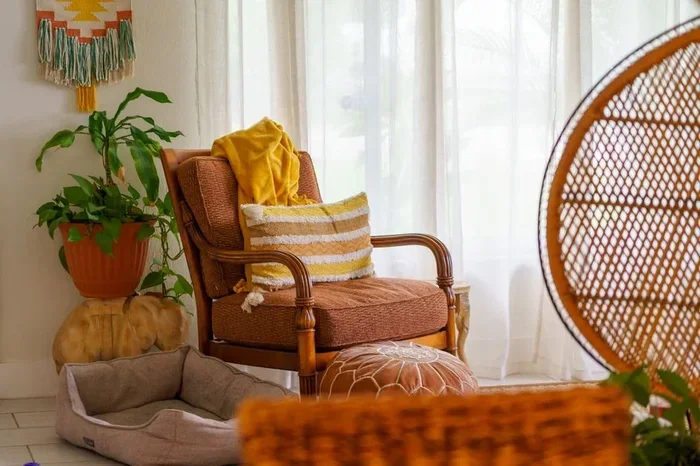
Bohemian Style Living Room Ideas That Will Inspire You
A bohemian style living room brings warmth, creativity, and personality into your home through layered textures, earthy tones, and eclectic decor. You will learn how to choose the right furniture, color palettes, and accessories to create a cozy and inviting boho space. These ideas work for any budget and any home size, making bohemian decor accessible to everyone.
A bohemian style living room is more than just a design trend. It is a way of expressing your personality, your travels, and your love for art and nature through the spaces you inhabit. If you have ever walked into a room that felt warm, layered, and full of character, chances are it had boho vibes. This style has been growing in popularity for years, and it is easy to see why. Bohemian decor welcomes imperfection, celebrates individuality, and turns everyday objects into pieces of art.
What makes a bohemian style living room so special? It is the feeling. It is the mix of colors, textures, and patterns that come together in a way that feels intentional yet relaxed. Unlike minimalist design, which strips things back, boho design adds layers upon layers. Every pillow, rug, and wall hanging tells a story. The result is a space that feels alive, inviting, and deeply personal.
If you are ready to transform your living room into a boho haven, you are in the right place. This guide covers everything you need to know, from essential decor elements to color palettes, furniture choices, and styling tips. Whether you are starting from scratch or just want to refresh your current space, these ideas will help you create a bohemian living room that feels like home.
Key Takeaways
- Layered textiles are the foundation: Mixing rugs, throws, and cushions creates depth and warmth in a bohemian style living room.
- Earth tones set the mood: Warm neutrals like terracotta, mustard, and olive form the base of a boho color palette.
- Vintage and artisan pieces add character: Unique furniture and handmade accessories make your space feel personal and curated.
- Indoor plants bring life: Greenery and natural materials ground the boho aesthetic in an organic, relaxed feel.
- There are no strict rules: Bohemian design celebrates individuality, so mix patterns, textures, and styles freely.
- Budget-friendly options exist: Thrift stores, flea markets, and DIY projects make boho decor affordable for everyone.
📑 Table of Contents
- What Makes a Bohemian Style Living Room So Appealing?
- Essential Bohemian Decor Elements
- Choosing the Right Color Palette for a Bohemian Living Room
- Furniture Choices for a Bohemian Style Living Room
- How to Layer Textures and Patterns Like a Pro
- Bringing Nature Indoors: Plants and Natural Materials
- Conclusion
What Makes a Bohemian Style Living Room So Appealing?
The appeal of a bohemian style living room lies in its freedom. There are no strict rules, no rigid color schemes, and no need for matching sets. This style is all about self-expression and creativity. It invites you to surround yourself with things that bring you joy, whether they are vintage finds, handmade crafts, or pieces collected from your travels.
The Free-Spirited Design Philosophy
At its core, boho design comes from a free-spirited philosophy. It values experience over materialism, and it celebrates the beauty of the imperfect. A bohemian style living room often features mismatched furniture, eclectic wall art, and a mix of cultural influences. This is not about creating a “perfect” room. It is about creating a room that feels authentic to you.
The boho aesthetic draws inspiration from many cultures. Moroccan, Indian, Mexican, and Scandinavian influences all play a role in shaping the look. You will often see Moroccan rugs, Indian textiles, and hand-carved wooden pieces in a well-styled boho space. The key is to blend these elements in a way that feels cohesive, even if it is not “matched.”
Who Can Pull Off Bohemian Decor?
Anyone can create a bohemian style living room. This style is not limited by home size, budget, or personal taste. Whether you live in a small apartment or a spacious house, boho decor can work for you. The secret is to focus on what you love and let go of the idea that everything needs to match.
Small spaces can benefit from boho design because it encourages you to use what you have. A single macrame wall hanging, a few throw pillows, and some layered textiles can instantly transform a plain room. The goal is to make the space feel curated, not cluttered. With the right approach, even the smallest living room can feel like a boho retreat.
Essential Bohemian Decor Elements
Every bohemian style living room has a few signature elements that tie the look together. These are the pieces that give boho its distinctive character and warmth. Understanding these elements will help you build your space with confidence.
Macrame Wall Hangings and Textile Art
Few things say “boho” quite like a macrame wall hanging. These handcrafted pieces add texture and visual interest to any wall. You can hang a large macrame piece above your sofa as a focal point, or group smaller pieces together for a gallery-style display.
Macrame comes in many styles, from intricate and detailed to simple and minimalist. You can also explore other textile art options like woven tapestries, embroidered wall hangings, or even framed fabric pieces. The key is to choose pieces that feel handmade and unique.
Layered Rugs and Floor Textiles
Layered rugs are a hallmark of boho design. Mixing different textures, patterns, and sizes on your floor adds depth and coziness to the room. A common approach is to layer a larger neutral rug as a base, then add a smaller patterned rug on top.
Moroccan rugs are a popular choice for boho living rooms. Their geometric patterns and rich colors add instant character. You can also mix in jute rugs, kilim carpets, or even vintage Persian rugs for a more eclectic feel. The goal is to create a floor that looks inviting and full of texture.
Vintage and Artisan Accessories
One of the best things about boho decor is that you do not need to buy everything new. Thrift stores, flea markets, and estate sales are goldmines for vintage furniture and artisan accessories. Look for unique pieces like brass trays, ceramic vases, woven baskets, and hand-painted pottery.
These items add soul to your bohemian style living room. They tell a story and give your space a sense of history. When shopping for vintage pieces, focus on items that speak to you personally. A piece does not need to be expensive to be meaningful.
Quick Tips:
- Start with one statement piece, like a large macrame hanging or a vintage rug, and build around it.
- Mix new and old items to keep the space feeling fresh and balanced.
- Do not be afraid to repurpose items. A wooden crate can become a coffee table, and a vintage trunk can serve as a storage ottoman.
Common Mistakes to Avoid:
- Overcrowding the room with too many pieces. Leave some breathing room.
- Choosing items that do not resonate with you just because they are “boho.” Authenticity matters more than following trends.
- Ignoring scale. Large rooms need larger pieces, and small rooms benefit from more compact furniture.
Choosing the Right Color Palette for a Bohemian Living Room
Color plays a huge role in setting the mood of your bohemian style living room. While boho design is known for its freedom, having a general color direction helps keep the space feeling intentional and cohesive.
Earthy Tones and Warm Neutrals
The foundation of most boho color palettes is earthy tones and warm neutrals. Think terracotta, burnt sienna, olive green, sand, cream, and warm beige. These colors create a grounded, comforting base that makes the room feel inviting.
You can use these tones on your walls, large furniture pieces, and main textiles. A warm cream wall paired with a terracotta sofa and a jute rug creates a beautiful base for layering. Neutral color palette choices like these give you the flexibility to add pops of color through accessories without overwhelming the space.
Adding Pops of Color
Once you have your neutral base, it is time to add personality through color. Boho design embraces bold and vibrant hues. Deep jewel tones like emerald, sapphire, and amethyst work beautifully. So do warm tones like mustard yellow, burnt orange, and dusty rose.
You can introduce color through throw pillows, blankets, wall art, and smaller decor items. The key is to distribute color throughout the room rather than concentrating it in one area. This creates visual balance and keeps the space feeling harmonious.
| Color Palette Type | Key Colors | Best For | Vibe |
|---|---|---|---|
| Earth Tones | Terracotta, olive, sand, cream | Large spaces, neutral bases | Warm, grounded, calming |
| Jewel Tones | Emerald, sapphire, amethyst | Accent pieces, textiles | Rich, luxurious, dramatic |
| Warm Pops | Mustard, burnt orange, coral | Pillows, throws, art | Energetic, playful, vibrant |
| Muted Pastels | Dusty rose, sage, lavender | Soft accents, smaller rooms | Gentle, dreamy, romantic |
Expert Insight: Interior designers often recommend starting with a 60-30-10 color rule. Use 60% neutral tones for your base, 30% secondary colors for furniture and larger textiles, and 10% accent colors for smaller accessories. This creates a balanced yet lively palette that feels very boho.
Furniture Choices for a Bohemian Style Living Room
Furniture is the backbone of any bohemian style living room, and boho design offers a wide range of options. The goal is to choose pieces that feel comfortable, character-rich, and slightly unconventional.
Rattan and Woven Furniture
Rattan, wicker, and cane furniture are staples of boho design. A rattan sofa or a wicker armchair adds natural texture and a relaxed feel to the room. These materials are lightweight, durable, and bring a touch of the outdoors inside.
You can also look for rattan coffee tables, woven storage baskets, and cane accent chairs. These pieces complement the bohemian aesthetic perfectly and add visual interest without feeling heavy.
Mix-and-Match Seating
One of the defining features of a boho living room is the mix-and-match approach to seating. You do not need a matching sofa and armchair set. Instead, try pairing a vintage velvet sofa with a modern accent chair, or a leather bench with a woven pouf.
This eclectic approach is what gives a bohemian style living room its personality. The key is to find a unifying element, such as a shared color, a similar texture, or a consistent style vibe. This keeps the room feeling intentional rather than random.
Low-Profile and Floor-Level Furniture
Many boho spaces feature low-profile furniture that sits close to the ground. This creates a cozy, relaxed atmosphere and makes the room feel more spacious. Low sofas, floor cushions, and poufs are all great choices for this approach.
Floor cushions are a wonderful addition to any boho living room. They are comfortable, versatile, and add to the relaxed vibe. You can arrange them around a low coffee table for a casual seating area that invites conversation and relaxation.
Common Mistakes:
- Buying all furniture at once. Build your collection over time for a more curated feel.
- Choosing pieces that are purely decorative and uncomfortable. Boho living rooms should be cozy and functional.
- Forgetting about scale. Measure your space before purchasing large furniture pieces.
Expert Insight: Many interior stylists suggest visiting flea markets and estate sales before buying new furniture. You are more likely to find unique pieces with character, and the cost is often much lower than retail stores. A single vintage find can become the centerpiece of your entire room.
How to Layer Textures and Patterns Like a Pro
Layering is the soul of boho design. A well-layered bohemian style living room feels rich, warm, and full of depth. But layering is an art, and doing it well takes a bit of know-how.
Combining Fabrics and Materials
The foundation of good layering is mixing different fabrics and materials. Combine velvet with linen, leather with cotton, and silk with wool. Each texture adds a different dimension to the room and keeps the eye moving.
Layered textiles include things like throw blankets draped over sofas, patterned cushions on chairs, and woven runners on tables. You can also layer curtains over blinds for a soft, textured window treatment. The key is to vary the textures while keeping the color palette cohesive.
Creating Visual Interest with Accessories
Accessories are where you can really let your personality shine in a bohemian style living room. Group items in odd numbers for a more natural look. A cluster of three candles, a stack of vintage books, and a small potted plant on a side table can create a beautiful vignette.
Gallery walls are another excellent way to add visual interest. Mix framed art, photographs, woven wall hangings, and even decorative plates for a display that feels curated and personal. Do not be afraid to mix frame styles and sizes. The eclectic combination is what makes it work.
Quick Tips:
- Vary the height of your accessories to create visual depth.
- Use odd numbers when grouping items for a more natural, less staged look.
- Add reflective surfaces like brass mirrors or glass trays to bounce light around the room.
- Incorporate scented candles or essential oils for a multi-sensory boho experience.
Bringing Nature Indoors: Plants and Natural Materials
No bohemian style living room is complete without plants and natural materials. These elements connect your indoor space to the outdoors and add a sense of life and energy to the room.
Indoor Plants for a Boho Vibe
Plants are one of the easiest and most affordable ways to bring the boho aesthetic to life. Large statement plants like fiddle leaf figs, monstera deliciosa, and palm trees make a dramatic impact. Smaller plants like pothos, succulents, and ferns work well on shelves, tables, and windowsills.
Hang plants from the ceiling for a lush, layered look. Use macrame plant holders, woven baskets, or ceramic pots in earthy tones. The more greenery you have, the more alive your bohemian living room will feel.
Natural Materials and Organic Elements
Beyond plants, natural materials play a big role in boho design. Wood, stone, jute, cotton, and linen are all commonly used. These materials add warmth and texture while keeping the space feeling grounded and organic.
Look for furniture made from reclaimed wood, stone coasters, jute rugs, and linen curtains. Even small touches like a wooden tray or a stone vase can reinforce the natural feel of your bohemian style living room. The goal is to create a space that feels connected to the earth.
Expert Insight: Plants do more than just look beautiful. They improve air quality, reduce stress, and create a calming atmosphere. If you are new to plant parenthood, start with low-maintenance varieties like pothos, snake plants, or ZZ plants. They thrive in almost any light condition and require minimal care.
Conclusion
Creating a bohemian style living room is all about expressing yourself and building a space that feels warm, inviting, and uniquely yours. From layered textiles and earthy color palettes to vintage furniture and indoor plants, every element contributes to the overall boho vibe. The beauty of this style is that there are no hard rules. You can mix, match, and experiment until your space feels just right.
Start small if you need to. Add a macrame wall hanging, a few throw pillows, or a new plant. Over time, your bohemian style living room will evolve into a space that reflects your personality and your journey. The most important thing is to enjoy the process and have fun with it. Your home should be a reflection of who you are, and boho design gives you the freedom to do just that.
FAQs
What are the key elements of a bohemian style living room?
The key elements include layered textiles, earthy tones, vintage furniture, indoor plants, and eclectic accessories. Mixing patterns, textures, and cultural influences creates the signature boho look. The most important thing is that the space feels personal and authentic to you.
How do I start decorating in a bohemian style?
Start by choosing a warm, neutral color base and adding one or two statement pieces like a macrame wall hanging or a vintage rug. Build from there by layering textiles, adding plants, and incorporating unique accessories over time. You do not need to do it all at once.
Is bohemian decor expensive?
Not at all. Some of the best boho pieces come from thrift stores, flea markets, and DIY projects. You can create a beautiful bohemian style living room on a modest budget by focusing on unique, affordable finds rather than expensive designer items.
What colors work best for a bohemian living room?
Earth tones like terracotta, olive, and sand form the base, while jewel tones like emerald and sapphire add depth. Warm pops of mustard and burnt orange bring energy. The key is to keep your palette grounded with neutrals and then add color through accessories.
Can a small apartment have a bohemian style living room?
Absolutely. Bohemian design works well in small spaces because it encourages you to use what you have and focus on character over size. A few layered textiles, some indoor plants, and a mix of small vintage pieces can transform even the tiniest living room into a cozy boho retreat.
What is the difference between bohemian and eclectic design?
Both styles embrace mixing patterns and styles, but boho design tends to focus more on natural materials, earthy tones, and a relaxed, cozy feel. Eclectic design can be bolder and more varied in its color choices and influences. The two styles share many similarities and often overlap.