Accent Chest for Living Room Stylish Decor Ideas You Love
An accent chest for living room spaces is one of the easiest ways to add both style and storage to your home. Whether you prefer a vintage look or a modern design, there is an accent chest that fits your taste perfectly. In this guide, you will learn how to choose, style, and place an accent chest in your living room like a pro. We cover types, materials, placement tips, and common mistakes so you can make the best choice for your space.
An accent chest for living room spaces is one of the simplest yet most effective ways to upgrade your home decor. These versatile pieces do double duty. They give you extra storage and they look amazing doing it. If you have been searching for a way to add warmth, texture, and function to your living room, an accent chest might be exactly what you need.
Living room furniture has evolved a lot over the years. People want pieces that look good and work hard. An accent chest checks both boxes. It sits beautifully against a wall, under a window, or even in the center of a room. You can use it as a display surface, a hidden storage spot, or a stylish perch for your feet. The possibilities are wide open.
In this guide, we will walk you through everything you need to know. We will cover the different types of accent chests available. We will share placement ideas, styling tips, and common mistakes to avoid. By the end, you will feel confident picking the perfect accent chest for living room decor that matches your personal style.
Key Takeaways
- An accent chest adds both style and function to any living room setup.
- Multiple types exist, including wooden chests, lift-top designs, and vintage options.
- Placement matters a lot — choose the right spot to maximize impact.
- Styling tips like layering and grouping make your chest look curated and intentional.
- Common mistakes to avoid include wrong sizing and poor color matching.
- Mixing materials and finishes creates a layered, designer look.
📑 Table of Contents
- What Is an Accent Chest and Why Does It Matter?
- Types of Accent Chests You Can Choose From
- How to Choose the Right Accent Chest for Your Living Room
- Best Placement Ideas for Your Accent Chest
- Styling Tips to Make Your Accent Chest Look Amazing
- Common Mistakes to Avoid When Using an Accent Chest
- Expert Insights on Choosing the Perfect Accent Chest
- Quick Tips for Styling Your Accent Chest
- Accent Chest vs. Other Living Room Furniture: A Comparison
- Conclusion
What Is an Accent Chest and Why Does It Matter?
Defining the Accent Chest
An accent chest is a piece of furniture designed to complement your main furniture. It is not the sofa or the coffee table. Instead, it is a supporting piece that adds character and function. These chests come in many shapes and sizes. Some are tall and narrow. Others are low and wide. They can be made from wood, metal, fabric, or a mix of materials.
The main goal of an accent chest for living room use is to boost the room’s visual appeal while offering practical storage. You can stash blankets, books, remote controls, or decorative items inside. On top, you can display picture frames, candles, plants, or art pieces. It is a furniture piece that does it all.
Why Every Living Room Needs One
Living rooms often lack enough storage. Shelves fill up fast. Coffee tables get cluttered. An accent chest solves this problem without looking bulky. It gives you a dedicated spot to hide things you do not want on display. At the same time, it adds a decorative layer that ties the room together.
Here are a few reasons why an accent chest for living room furniture is a smart addition:
- Extra storage without adding a full cabinet or dresser
- Visual balance when placed near your sofa or fireplace
- Easy to move around when you rearrange your layout
- Affordable compared to large entertainment centers or armoires
- Instant style boost with the right finish and placement
These pieces also work well in small apartments. You do not need a huge living room to benefit from an accent chest. Even in a compact space, a single well-placed chest can transform how the room feels and functions.
Types of Accent Chests You Can Choose From
Wooden Storage Chest
A wooden storage chest is the classic choice. It brings warmth and a natural feel to any room. Oak, pine, walnut, and cedar are popular wood types. Each one has its own grain pattern and color. A wooden chest works beautifully in farmhouse, rustic, and Scandinavian-style living rooms.
Many wooden chests feature hinges on the lid and internal compartments. Some even have small drawers built into the base. This makes them great for organizing items like remotes, coasters, and magazines. If you love a cozy, inviting vibe, a wooden accent chest for living room decor is a top pick.
Lift-Top Storage Chest
A lift-top chest has a hinged top that opens upward to create a flat surface. This is incredibly useful. You can place it in front of your sofa and use the open top as a temporary workspace or a snack tray. When closed, it looks like a regular decorative chest.
Lift-top chests are perfect for small spaces. They save floor space while offering a dual function. You get storage below and a usable surface above. Many models also include cushioned lids, so they double as a bench or footrest.
Vintage and Antique Chests
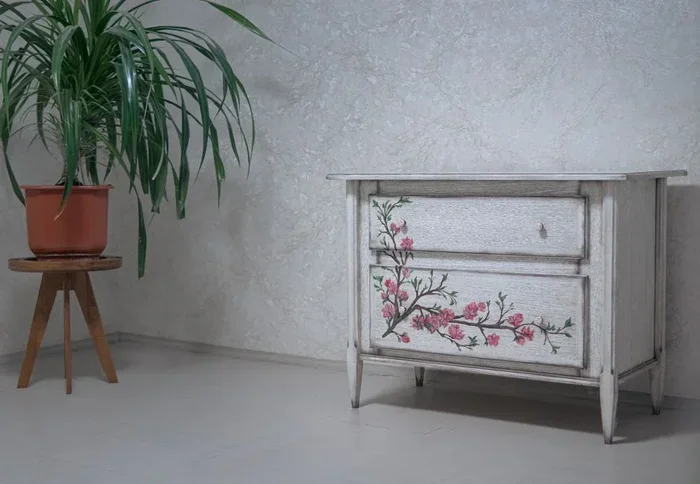
Vintage chests carry a story. They often feature aged wood, brass hardware, and unique details that new furniture cannot replicate. If your living room has a vintage or eclectic style, a vintage accent chest for living room use can be a real conversation starter.
You can find vintage chests at thrift stores, antique shops, and online marketplaces. Look for pieces with character — scratches, patina, and worn edges all add charm. A restored vintage chest can become the focal point of your living room home styling.
Modern and Minimalist Chests
For a clean, contemporary look, consider a modern accent chest. These pieces feature simple lines, smooth finishes, and neutral colors. They work well in modern living room furniture setups. Materials like laminated wood, metal, and lacquered finishes give them a sleek appearance.
A modern chest often doubles as a coffee table chest. Its flat top can hold a tray with books and a lamp. The storage compartment below keeps clutter hidden. This type of accent table is ideal for minimalist and Scandinavian interiors.
Upholstered and Fabric-Covered Chests
Not all accent chests are made of wood. Upholstered chests feature fabric or leather-covered surfaces. They add softness and texture to a room. These chests often look like a mix between a bench and a storage box.
An upholstered accent chest for living room placement works well near a seating area. It can serve as a footrest or a place to set down drinks. Choose fabrics that match your throw pillows or curtains for a cohesive look.
How to Choose the Right Accent Chest for Your Living Room
Consider the Size of Your Room
Before you buy anything, measure your space. A large accent chest can overwhelm a small room. A tiny chest can get lost in a big living room. Aim for a piece that fits about two-thirds of the available wall or surface area where you plan to place it.
Here is a quick sizing guide for an accent chest for living room use:
- Small rooms (under 250 sq ft): Choose a chest that is 30 to 40 inches wide
- Medium rooms (250 to 400 sq ft): Aim for 40 to 55 inches wide
- Large rooms (over 400 sq ft): You can go up to 60 inches or more
Also think about the height. A low chest works best under windows or along sofas. A taller chest can stand on its own as a standalone piece. The key is balance — the chest should feel proportional to the furniture around it.
Match the Style of Your Existing Furniture
Your accent chest should feel like it belongs in the room. If your sofa is mid-century modern, pick a chest with clean lines and tapered legs. If your living room has a farmhouse vibe, go for a distressed wooden chest with wrought iron hardware.
Matching does not mean identical. You want a complementary look, not a matching set. For example, if your living room furniture is dark wood, a lighter-toned chest can add contrast and visual interest. This is one of the easiest home styling tricks that even beginners can use.
Think About Material and Durability
The material of your chest affects both its look and its longevity. Solid wood chests are durable and age beautifully. They may cost more but they last for decades. Engineered wood options are more affordable but may not hold up as well over time.
If you have kids or pets, consider a chest with a soft-close lid and rounded edges. Metal and metal-wood combinations are also sturdy and easy to clean. For a cozy feel, upholstered chests add warmth but may require more maintenance.
Best Placement Ideas for Your Accent Chest
Against the Wall as a Focal Point
The most common placement for an accent chest for living room use is against a wall. This works especially well on an empty wall near your sofa. The chest becomes a natural anchor for the seating area. Place a lamp on top, add a small plant, and you have an instant vignette.
This placement also keeps the floor open. In a small living room, open floor space makes the room feel larger. A wall-placed storage chest gives you function without sacrificing precious square footage.
Behind the Sofa
Placing a chest behind your sofa is a great way to add depth to the room. A low-profile accent chest works best here. It should not block the view or feel like a wall between you and the TV.
Use the top of the chest to display artwork or a small shelf with books. The storage inside can hold extra blankets and pillows for movie nights. This placement turns a simple piece of accent furniture into a functional design element.
As a Coffee Table Alternative
Some coffee table chests are designed to sit in the center of a seating area. They offer a flat surface for drinks and decor while keeping items stored out of sight. This works well in casual, lived-in living rooms where a traditional coffee table feels too formal.
Look for a chest with a wide, flat top and sturdy legs. Make sure it is at a comfortable height for reaching items from the sofa. A lift-top storage chest is especially good for this use.
In the Entryway or Transition Zone
While this article focuses on the living room, many people place an accent chest in the entryway. It serves as a catch-all for keys, mail, and umbrellas. If your living room flows into an entryway, a single accent chest can serve both spaces beautifully.
This placement is especially popular in open-concept homes. The chest creates a natural transition between areas. It also gives you a spot to display a family photo or a seasonal decoration.
Styling Tips to Make Your Accent Chest Look Amazing
Layer Items of Different Heights
The secret to a beautifully styled accent chest is layering. Do not just place one item on top. Instead, create a small scene with objects of varying heights. For example, place a tall candle next to a small stack of books and a framed photo behind them.
This creates visual depth and makes the display look intentional. It is one of the simplest living room decor tricks that interior designers use every day. You do not need a lot of items — three to five objects is usually enough.
Add Texture and Color
A plain wooden chest can look even better with the right accessories. Drape a textured throw blanket over the lid. Place a ceramic bowl or a woven basket on top. Add a small stack of coffee table books in a color that complements your room palette.
These small touches make a big difference. They show that your accent chest for living room is part of a thoughtfully designed space. Mix textures like linen, wood, metal, and glass for a rich, layered look.
Use It Seasonally
One of the best things about an accent chest is that you can change its styling with the seasons. In winter, add warm-toned candles and a faux fur throw. In summer, swap in fresh flowers and a small bowl of seashells.
This seasonal rotation keeps your living room feeling fresh without spending a lot of money. It is an easy way to refresh your home styling throughout the year.
Common Mistakes to Avoid When Using an Accent Chest
Choosing the Wrong Size
The most common mistake is picking a chest that is too big or too small for the space. A chest that overwhelms the room creates clutter. One that gets lost in a large room wastes its potential. Always measure before you buy.
Also consider the scale of your existing furniture. A tiny chest next to a large sectional sofa will look out of place. A oversized chest in a small apartment will make the room feel cramped. Find the right balance for your specific space.
Ignoring the Color and Finish
Your accent chest should either blend in or stand out on purpose. Randomly picking a color that clashes with your room creates visual chaos. If your room has warm tones, choose a chest in warm wood or a neutral finish. If your palette is cool and modern, a white or black chest works well.
Some people make the mistake of buying a chest based only on price. While budget matters, the wrong color or finish will bother you every time you look at it. Take your time and choose wisely.
Overcrowding the Top Surface
It is tempting to fill the top of your accent chest with as many decor items as possible. Resist this urge. Too many objects make the surface look messy and chaotic. Leave some breathing room. A few well-chosen items look far more elegant than a crowded display.
Follow the rule of odd numbers — group items in threes or fives. This creates a more natural and visually appealing arrangement. Keep the color palette consistent for a polished look.
Expert Insights on Choosing the Perfect Accent Chest
Interior designers agree that an accent chest for living room is one of the most underrated pieces of furniture. Sarah Mitchell, a professional interior stylist, says, “A well-chosen chest adds layers to a room. It gives you storage, surface space, and visual interest all at once.”
Another expert, David Chen, recommends focusing on quality over quantity. “Buy one good accent chest rather than several cheap ones. A solid piece will age better and look more cohesive in your space,” he explains. This advice applies to all accent furniture choices.
When in doubt, stick with neutral colors and classic shapes. You can always change the accessories on top to match new trends or seasonal styles. The chest itself is a long-term investment in your home’s comfort and beauty.
Quick Tips for Styling Your Accent Chest
- Start with a neutral base. A simple wood or white chest fits almost any decor style.
- Add a tray on top. A small tray organizes items and creates a polished look.
- Include a plant. A small potted plant adds life and color to any chest display.
- Mix old and new. Pair a vintage chest with modern accessories for an eclectic feel.
- Keep it tidy. Regularly rotate and declutter items on and inside your chest.
- Use coasters. Protect the surface from water rings and heat damage.
Accent Chest vs. Other Living Room Furniture: A Comparison
| Feature | Accent Chest | Coffee Table | Ottoman | Side Table |
|---|---|---|---|---|
| Storage | Yes, often generous | Limited or none | Sometimes | Rarely |
| Display Surface | Yes, large top | Yes, flat top | Yes, flat top | Yes, small top |
| Seating Function | No | No | Yes | No |
| Mobility | Easy to move | Heavy | Lightweight | Easy to move |
| Style Versatility | Very high | Moderate | High | Moderate |
| Price Range | Low to high | Low to high | Low to medium | Low to medium |
As you can see, an accent chest for living room use offers the best combination of storage and style. It is more versatile than a standard coffee table and more functional than a side table. If you want a piece that does it all, an accent chest is hard to beat.
Conclusion
An accent chest for living room spaces is a game-changer. It brings together storage, style, and versatility in one beautiful piece. Whether you choose a rustic wooden chest, a sleek modern accent chest, or a charming vintage chest, the right piece can completely transform your living room.
Remember to measure your space, match the style of your existing furniture, and avoid common mistakes like overcrowding or choosing the wrong size. Use the styling tips in this guide to create a display that feels curated and inviting. Your accent chest is more than just furniture. It is a reflection of your personality and your love for thoughtful home styling.
Start exploring your options today. Visit local furniture stores, browse online shops, and keep an eye out for unique pieces that speak to you. With the right accent chest for living room decor, you will create a space that is both beautiful and functional. Your living room deserves it, and so do you.
Frequently Asked Questions
What is the best size accent chest for a small living room?
For a small living room, choose an accent chest for living room use that is between 30 and 40 inches wide. A low-profile design works best because it does not block sightlines. Look for pieces with slim legs and a narrow footprint to keep the room feeling open and airy.
Can I use an accent chest as a coffee table?
Yes, many coffee table chests are designed specifically for this purpose. Look for a model with a flat, sturdy top and comfortable height. A lift-top storage chest is an excellent option because it offers both a display surface and hidden storage underneath.
What materials are best for an accent chest?
Solid wood is the most durable and timeless choice. It ages beautifully and suits many decor styles. If you want a softer look, upholstered chests with fabric or leather add warmth and texture. Metal and mixed-material chests work well in modern and industrial interiors.
How do I style the top of my accent chest?
Start with a small tray to group items together. Add a lamp or candle for height, a small plant for life, and a stack of books for texture. Keep the color palette consistent with your room. The goal is a curated look with no more than three to five items on the surface.
Where is the best place to put an accent chest in the living room?
The most popular spots are against a wall near the sofa, behind the seating area, or in the center of the room as a coffee table alternative. Choose a location that complements your room layout. Make sure there is enough space to open the lid or drawers fully.
Can an accent chest work in a modern living room?
Absolutely. A modern accent chest with clean lines, a smooth finish, and neutral colors fits perfectly in contemporary spaces. Look for pieces made of lacquered wood, metal, or high-gloss finishes. These accent furniture pieces add function without disrupting the streamlined look of a modern living room.