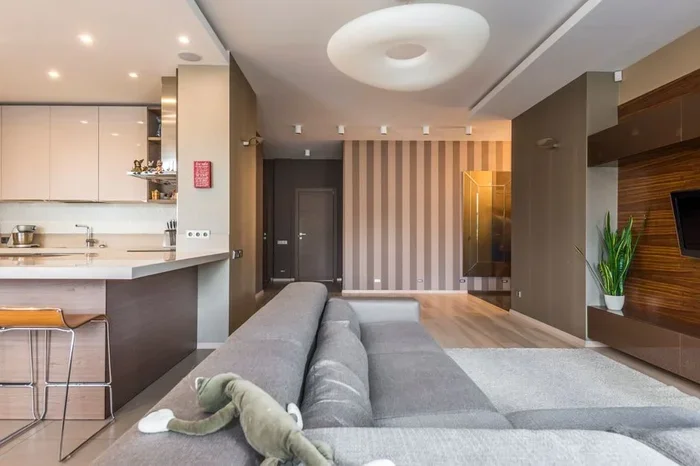
Contemporary Living Room Design Ideas for a Stylish Home
Contemporary living room design blends clean lines, neutral tones, and functional furniture to create a space that feels both stylish and comfortable. This guide covers the latest modern living room trends, from minimalist layouts to bold accent walls, so you can refresh your home with confidence. Whether you are starting from scratch or updating your current setup, these ideas will help you achieve a polished, on-trend look.
A contemporary living room design is all about creating a space that feels fresh, current, and effortlessly stylish. Unlike traditional decor, which leans on ornate details and heavy furnishings, modern living rooms embrace simplicity, open space, and a sense of calm. If you have been searching for ways to update your home, this guide is for you.
We will walk you through everything you need to know, from choosing the right color palette to picking furniture that balances form and function. You will find practical tips, real examples, and creative ideas that you can start using today. Let us dive in and turn your living room into the most inviting room in your home.
Key Takeaways
- Clean lines and simplicity: Contemporary design favors sleek, uncluttered spaces that feel calm and organized.
- Neutral color palettes with bold accents: A soft base paired with statement pieces adds depth and personality.
- Statement lighting is essential: The right light fixture sets the mood and anchors the room.
- Mix textures for warmth: Combining materials like wood, metal, and fabric keeps the space inviting.
- Furniture should be functional and beautiful: Choose pieces that serve a purpose and look great.
- Art and decor personalize the space: Bold artwork and curated accessories make the room feel uniquely yours.
- Start small and build: You do not need to overhaul your entire room at once.
📑 Table of Contents
What Is Contemporary Living Room Design?
The term contemporary design refers to what is popular and current right now. It is not a fixed style like Victorian or Mid-Century Modern. Instead, it evolves with the times. Today, a contemporary living room often features clean lines, open layouts, and a neutral base with carefully chosen accents.
People love this approach because it feels timeless yet current. You get a space that looks polished without feeling cold or overly curated. The beauty of contemporary decor is that it adapts to your personality and lifestyle.
Key Elements of Contemporary Design
- Clean lines: Furniture and architecture feature smooth, straight edges rather than ornate curves.
- Open space: Rooms feel uncluttered, with plenty of breathing room between pieces.
- Neutral foundation: Whites, grays, beiges, and soft taupes create a calm backdrop.
- Intentional accents: A few bold items, like artwork or a vibrant throw pillow, add interest.
- Natural light: Large windows and light curtains keep the room bright and airy.
Choosing the Right Color Palette
Color sets the tone for any room. In contemporary living room design, the palette is usually soft and neutral, with occasional pops of bold color. Think of your walls as a canvas and your furniture and accessories as the paint.
Neutral Base Colors
Start with a foundation of warm whites, soft grays, or gentle beiges. These colors make the room feel spacious and serene. They also give you flexibility to change accessories without repainting.
- Warm white: Adds brightness without feeling sterile.
- Light gray: Creates a sophisticated, modern backdrop.
- Taupe or greige: Blends warmth with a contemporary edge.
Adding Bold Accents
Once your base is set, introduce color through furniture, rugs, or wall art. A deep navy sofa, a mustard yellow throw, or a vibrant abstract painting can transform the entire feel of the room.
Quick Tip: Stick to three main colors in the room. One neutral base, one secondary tone, and one bold accent. This keeps the look balanced and intentional.
Furniture Selection for a Contemporary Look
Your furniture choices make or break the design. In modern living room design, less is more. Choose pieces that are sleek, low-profile, and functional.
Sofas and Seating
A clean-lined sofa in a neutral fabric is the backbone of most contemporary living rooms. Look for designs with exposed legs, simple cushions, and no unnecessary embellishments. Sectional sofas work well in open floor plans, while a classic three-seater suits smaller spaces.
Coffee Tables and Side Tables
Opt for geometric shapes in materials like glass, metal, or natural wood. A glass coffee table keeps the space feeling open, while a solid wood table adds warmth. Side tables should be simple and easy to move around.
Storage Solutions
Built-in shelving or low-profile media consoles help keep clutter hidden. Contemporary design values hidden storage because it maintains the clean, uncluttered look. Floating shelves also add a modern touch without taking up floor space.
Lighting That Makes a Statement
Statement lighting is one of the easiest ways to elevate a living room. In contemporary design, the light fixture itself becomes a piece of art. It draws the eye and anchors the room.
Overhead Lighting
Choose a large pendant light or a sculptural chandelier as your centerpiece. Oversized fixtures in matte black, brass, or white work beautifully. Place the fixture low over the seating area to create a cozy feel.
Layered Lighting
Professional designers use layered lighting to add depth. This means combining three sources:
- Ambient light: The main overhead fixture that lights the whole room.
- Task light: A floor lamp or table lamp for reading or working.
- Accent light: LED strips or small spotlights that highlight artwork or architecture.
This approach makes the room feel dynamic and inviting at any time of day.
Textures and Materials That Add Warmth
One mistake people make with contemporary design is going too minimalist, which can feel cold. The secret to a welcoming modern living room is mixing textures. Combining different materials adds visual interest and makes the space feel lived-in.
Mixing Wood and Metal
Pair a wooden coffee table with metal-legged chairs. The contrast between warm wood and cool metal creates a balanced, sophisticated look. Natural wood tones like oak, walnut, or teak work especially well.
Soft Fabrics
Add comfort with textured fabrics. A chunky knit throw on the sofa, a plush area rug underfoot, and velvet or linen cushions all contribute to a cozy atmosphere. These soft elements soften the hard edges of contemporary furniture.
Natural Elements
Bring the outdoors in with plants, stone accents, or a woven basket. A large potted plant in a sleek ceramic pot adds life and color without clutter. Stone or concrete accessories give the room an earthy, grounded feel.
| Material | Feel | Best Used For |
|---|---|---|
| Natural Wood | Warm and organic | Coffee tables, shelving, flooring |
| Brushed Metal | Sleek and industrial | Light fixtures, table legs, frames |
| Linen or Cotton | Soft and breathable | Cushion covers, curtains, throws |
| Glass | Open and modern | Coffee tables, decorative bowls |
| Stone or Concrete | Earthy and grounded | Accent walls, planters, coasters |
Creating an Accent Wall for Impact
An accent wall is a simple way to add drama to a living room without redesigning the entire space. It draws attention to a specific area and adds depth to the room.
Ideas for Accent Walls
- Paint contrast: Choose a deep shade like charcoal, forest green, or rich burgundy for one wall.
- Wood paneling: Vertical wood slats create a modern, textured look that is very on-trend.
- Wallpaper: A subtle geometric or botanical pattern adds personality without overwhelming the space.
- Brick or stone: A natural brick wall brings rustic charm into a contemporary setting.
The accent wall works best behind the sofa or the main seating area. It becomes the focal point and ties the whole room together.
Common Mistakes to Avoid
Even with the best intentions, it is easy to misstep when designing a contemporary living room. Here are some pitfalls to watch out for.
Over-Minimalizing the Space
Too few items make a room feel cold and unwelcoming. Contemporary does not mean empty. Add personal touches like family photos, books, and plants to bring warmth and character.
Ignoring Scale and Proportion
A tiny coffee table under a large sofa looks lost. A massive chandelier in a small room feels overwhelming. Always consider the size of your furniture relative to the room. Measure your space before buying anything.
Skipping the Rug
A rug defines the seating area and adds texture and color. Without one, the room can feel disjointed. Choose a rug that is large enough for the front legs of all seating furniture to rest on it.
Using Too Many Trends
It is tempting to chase every interior design trend you see online. But mixing too many trends creates visual chaos. Pick two or three trends that suit your taste and build around them.
Expert Insights on Contemporary Design
Interior designers agree that the best contemporary living rooms feel personal, not staged. The goal is to create a space that reflects who you are while staying current and cohesive.
“The most successful contemporary rooms balance simplicity with warmth,” says Sarah Chen, a licensed interior designer based in Austin, Texas. “People forget that texture, light, and personal objects are just as important as the furniture itself.”
Another expert, Marcus Rivera, emphasizes the importance of the living room layout. “Start with how you use the room,”em> he explains. “If you love hosting, create a conversation area. If you watch a lot of TV, position seating toward the screen. The design should serve your daily life.”
Key Takeaway: The best contemporary living room design is not about following rules. It is about creating a space that feels right for you while staying current and intentional.
Conclusion
Contemporary living room design offers a wonderful way to refresh your home without a complete overhaul. By focusing on clean lines, a neutral palette, statement lighting, and thoughtful accessories, you can create a space that is both stylish and comfortable. The key is balance, between minimalism and warmth, between trends and personal taste.
Start with one or two changes, like repainting an accent wall or swapping out your light fixture. Build from there as your confidence grows. The beauty of contemporary design is its flexibility, so you can evolve your space over time.
Take what resonates from this guide, trust your instincts, and enjoy the process. Your contemporary living room is not just a room. It is the heart of your home, a place where you relax, connect, and recharge. Make it yours.
Frequently Asked Questions
What is the difference between modern and contemporary living room design?
Modern design refers to a specific style from the mid-20th century with clean lines and minimal ornamentation. Contemporary design reflects what is current and trending right now, which often includes modern elements but is more flexible and ever-changing. Think of modern as a subset of contemporary.
What colors work best for a contemporary living room?
Neutral tones like white, gray, beige, and taupe form the foundation. Add personality with bold accent colors like navy, mustard, or deep emerald through cushions, artwork, or an accent wall. Stick to three main colors for a cohesive look.
How can I make a small living room feel contemporary?
Choose low-profile furniture with exposed legs to create a sense of openness. Use a large mirror to reflect light and make the room feel bigger. Keep surfaces clear and opt for built-in storage to reduce clutter. A light color palette also helps small spaces feel more expansive.
Do I need to buy all new furniture for a contemporary look?
Not at all. You can update your existing room with a few strategic changes. Swap out throw pillows, add a new area rug, update lighting, or paint an accent wall. These small touches can transform the feel of the room without a big budget.
What lighting works best in a contemporary living room?
Statement pendant lights or sculptural fixtures work well as the main light source. Layer in floor lamps for reading and small accent lights to highlight artwork. The key is combining different light sources to create depth and flexibility.
How do I keep a contemporary living room from feeling too cold?
Mix in warm textures like chunky throws, velvet cushions, and natural wood furniture. Add plants for life and color. Use soft, warm lighting instead of harsh overhead fluorescents. Personal items like books and photos also make the space feel inviting and lived-in.