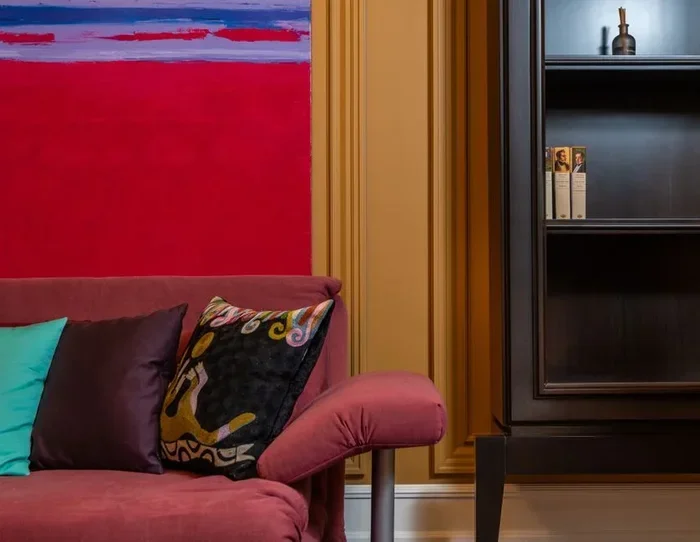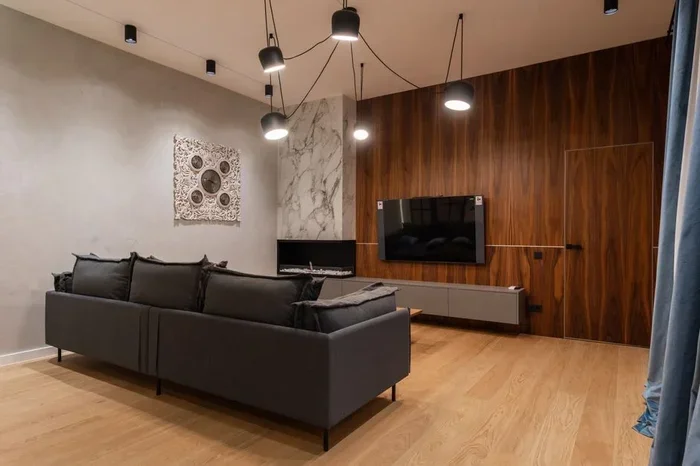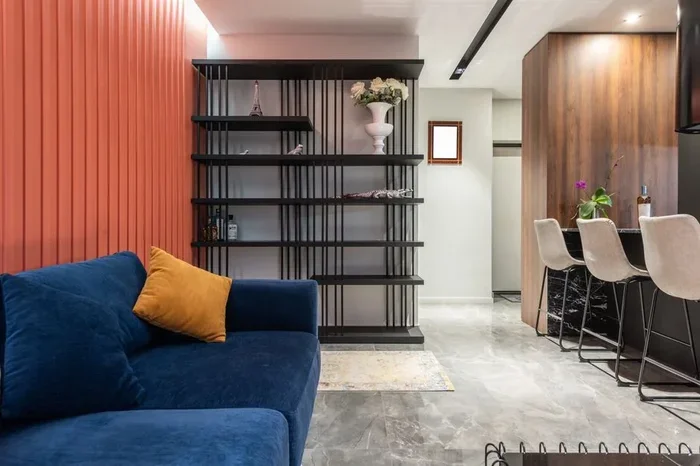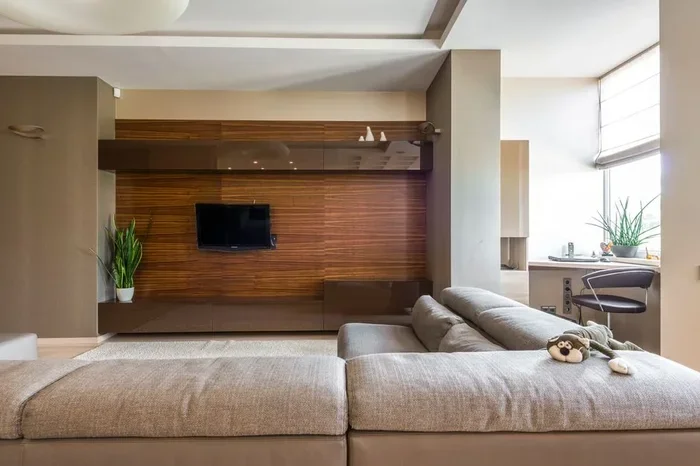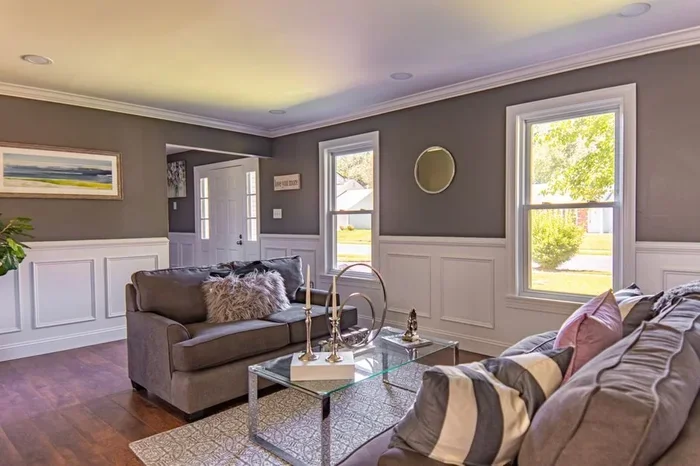
Two Tone Living Room Walls That Will Transform Your Space
Two tone living room walls are one of the easiest ways to add depth, personality, and visual interest to any room. Whether you choose a bold contrast or a soft blend, this technique can completely change the feel of your living space. In this guide, we share practical tips, color combos, and design ideas to help you create a two tone living room walls look that truly transforms your home.
Two tone living room walls are a game-changer for anyone looking to refresh their space without a full renovation. A single flat wall can feel boring and uninspired. But split a wall into two colors, and suddenly the room has energy, depth, and character. This simple design trick has been trending for years, and for good reason. It works in small apartments and large open-plan homes alike.
The beauty of two tone living room walls lies in their versatility. You can go bold with dark and light contrasts or keep things subtle with tonal shades from the same color family. Whatever your style, there is a two-tone combination that fits. Let us walk you through everything you need to know to pull off this look with confidence.
## Why Two Tone Living Room Walls Work So Well
Walls are the largest surface in any living room. When you paint them all one color, you miss a chance to add visual interest. Two tone walls solve this problem instantly. They create a natural division in the room that guides the eye and adds structure.
Color blocking on walls is not a new idea. Interior designers have used it for decades to make rooms feel more dynamic. But today, homeowners are embracing it more than ever. The trend has exploded on social media platforms where before-and-after transformations go viral. People love how easy it is to make a big impact with just paint.
### The Psychology of Color in Living Spaces
Colors affect our mood more than we realize. A room painted entirely in a dark shade can feel cozy but also heavy. A room painted all white can feel clean but cold. Two tone walls let you balance these effects. You get the warmth of one color and the brightness of another working together.
For example, pairing a soft cream lower half with a deep navy upper section creates a grounded yet elegant feel. The cream keeps the room light and airy, while the navy adds sophistication. This kind of balance is what makes two-tone walls so appealing.
## Popular Two Tone Wall Color Combinations
Choosing the right colors is the most important step. The wrong combo can feel jarring instead of intentional. Here are some tried-and-true pairings that work beautifully for two tone living room walls.
### Light and Dark Contrasts
This is the most popular approach. A light shade on the bottom and a dark shade on top (or vice versa) creates a clean, modern look. Some winning combos include:
- White and charcoal – Crisp and timeless. Works in almost any style.
- Pale gray and black – Moody and sleek. Perfect for contemporary spaces.
- Soft beige and espresso brown – Warm and inviting. Great for cozy living rooms.
- Pastel pink and deep burgundy – Romantic and bold. A real statement maker.
### Tonal Shades from the Same Family
If you are not ready for high contrast, try tones from the same color family. For instance, pair a light sage green with a darker forest green. Or combine a pale blush with a dusty rose. These combinations feel harmonious and sophisticated. They give you that two tone effect without being too dramatic.
### Complementary Color Pairings
Colors that sit opposite each other on the color wheel create vibrant contrast. Think blue and orange, or yellow and purple. These combos are best used in rooms where you want energy and personality. Keep one shade dominant and the other as an accent for the best results.
## How to Decide Where to Split Your Walls
The placement of your color split matters just as much as the colors themselves. There are several ways to divide a wall, and each creates a different vibe.
### Horizontal Split
This is the most classic approach. You paint the lower portion of the wall one color and the upper portion another. A common rule is to split at about 36 inches from the floor, which is roughly chair rail height. This works well because it mimics the look of wainscoting or paneling.
A horizontal split makes a room feel more grounded. The darker color on the bottom anchors the space, while the lighter color on top keeps the ceiling feeling open. This technique is perfect for living rooms with high ceilings that need a sense of warmth.
### Vertical Split
A vertical split divides the wall left to right. This works best in rooms where you want to define different areas within an open space. For example, you might place the darker tone behind the sofa and a lighter tone on the opposite wall. This creates a natural backdrop without blocking flow.
If your living room doubles as a dining area, a vertical split can help separate the zones visually. It keeps the open feel while adding structure and purpose to the layout.
### Sectional or Geometric Patterns
For the boldest look, try dividing your wall into sections or geometric shapes. This could be a large rectangle, a diagonal line, or even an asymmetrical design. This approach is more advanced but incredibly rewarding. It turns a plain wall into a piece of art.
If you are not sure about committing to a permanent design, you can start with painter’s tape and test the layout on a small area first. This lets you see how the colors interact before you commit.
## How to Style Your Living Room with Two Tone Walls
Once your walls are done, the next step is to style the room so everything feels connected. Two tone walls are a strong design element, and your furniture and decor should support them.
### Choose Furniture That Bridges Both Colors
Your sofa, coffee table, and other large pieces should work with both wall colors. A neutral-toned sofa in gray, beige, or white is a safe bet because it complements almost any color combination. If your walls are bold, keep the furniture more subdued. If your walls are subtle, you can go louder with your furniture choices.
Consider placing a statement accent chair in a color that matches one of your wall tones. This ties the furniture into the wall design and makes the room feel intentional and curated.
### Use Rugs and Curtains to Unify the Space
A well-chosen rug can pull two contrasting wall colors together. Look for a rug that contains both of your wall colors, even if just in subtle shades. This creates a visual bridge that makes the room feel cohesive.
Curtains work the same way. A neutral curtain color like white, cream, or light gray lets the walls shine without competing. If you want curtains to make more of a statement, pick a shade that matches the darker of your two wall colors.
### Add Wall Art and Shelves for Extra Interest
After painting, your walls are already a feature. But you can enhance them further with wall art and open shelves. Hang a large piece of abstract art above your sofa to draw attention to the wall. Use floating shelves to display books, plants, and decorative objects that echo your color palette.
For more ideas on how to style open shelves in your newly painted room, check out our guide on how to style open shelves in the living room.
### Let Accent Pieces Do the Talking
Accent pieces like throw pillows, vases, and lamps are the finishing touch. Pick items that reference both wall colors to create a polished, layered look. A throw pillow in the darker wall shade paired with a lamp in the lighter shade shows that your design is deliberate and well thought out.
For inspiration on selecting the right pieces, explore our article on accent pieces for living room to discover what works best in a two-tone space.
## Common Mistakes to Avoid
Two tone walls are forgiving, but a few missteps can undermine the whole look. Here are the mistakes most people make and how to avoid them.
### Choosing Colors Without Testing
Never trust a tiny paint chip at the store. Colors look different on a large wall and under your specific lighting. Always paint a test patch on your wall and observe it at different times of the day. Natural light and artificial light can change how a color appears dramatically.
### Ignoring the Trim and Ceiling
Your trim and ceiling are part of the overall picture. If you paint your walls two tones but leave the trim a stark white, make sure that white complements both wall colors. In some cases, painting the trim a slightly darker shade can create a more cohesive feel.
### Overcomplicating the Design
Two tone walls are meant to simplify, not complicate. If you are new to this, stick with two colors and one clean line of division. Adding a third or fourth color can overwhelm the space and dilute the impact of your design.
### Forgetting About the Floor
The floor is the third largest surface in a living room. If your wall colors are very bold, a busy patterned rug or carpet can create visual chaos. Keep the flooring simple and let the walls be the star of the show.
## Expert Tips for a Flawless Finish
Getting a clean line between two colors is the key to a professional-looking result. Here are some tips from design professionals.
### Use High-Quality Painter’s Tape
Not all tape is created equal. Blue painter’s tape works well for most jobs, but for crisp edges, invest in a quality green FrogTape or similar product. Press the tape down firmly along the edge to prevent paint from seeping underneath.
### Paint the Lighter Color First
Always start with the lighter shade. If you paint the darker color first and then try to cover it with the lighter color, you will need more coats and may still see bleed-through. A light base makes the darker top section look richer and more vibrant.
### Remove Tape While the Paint Is Still Slightly Wet
This might sound counterintuitive, but pulling the tape off while the paint is wet gives you the cleanest edge. Letting it dry completely can cause the paint to chip along the line. Pull at a 45-degree angle for the best results.
### Consider a Second Coat on the Top Section
The upper section of the wall is often harder to reach and may need an extra coat for even coverage. Take your time with this step. A second coat makes a huge difference in how polished the finished wall looks.
## Two Tone Walls for Different Living Room Styles
Two tone walls are not limited to one aesthetic. They adapt beautifully to many design styles.
### Modern Minimalist
For a clean, modern look, use white and gray with a sharp horizontal line. Keep furniture low-profile and minimal. Add a single piece of bold art to anchor the space.
### Bohemian
Go for warm terracotta and cream with a slightly uneven split. Layer in textured rugs, woven baskets, and plants. The organic feel of bohemian design pairs wonderfully with the warmth of two-tone walls.
### Scandinavian
Soft pastels like pale blue and white create a serene Scandinavian vibe. Pair with light wood furniture and simple geometric decor. The two-tone effect adds just enough interest without overwhelming the calm atmosphere.
### Industrial
Black and concrete gray with exposed brick accents create a moody industrial feel. Combine with metal furniture and Edison bulb lighting. The two-tone walls add depth to what might otherwise feel too stark.
## How Two Tone Walls Compare to Other Design Features
Not sure if two-tone walls are right for you? Here is how they stack up against other popular design features.
| Feature | Cost | Impact | Difficulty |
|---|---|---|---|
| Two Tone Walls | Low | High | Easy |
| Accent Wall with Wallpaper | Medium | High | Moderate |
| Shiplap Paneling | Medium | High | Moderate |
| Full Wall Mural | High | Very High | Difficult |
| Built-In Shelving | High | High | Difficult |
As you can see, two tone living room walls offer the highest impact for the lowest cost and effort. They are the most accessible way to transform a living room and make it feel completely new.
## Final Thoughts on Two Tone Living Room Walls
If you have been sitting on the fence about updating your living room, two-tone walls are the answer. They are affordable, customizable, and incredibly effective. You do not need to hire a designer or spend a fortune to make a big change. A couple of cans of paint and a little planning can completely transform your space.
Start by choosing two colors that speak to you. Test them on your wall. Decide on a split style that fits your room layout. Then style the space with furniture and decor that brings it all together. The result will be a living room that feels fresh, intentional, and uniquely yours.
Two tone living room walls are more than just a trend. They are a timeless design strategy that anyone can use to elevate their home. So grab a paintbrush and give your living room the upgrade it deserves.
Key Takeaways
- Two tone walls add dimension: They break up flat surfaces and create a focal point that draws the eye.
- Color choice matters: Pairing light and dark shades or complementary tones gives your room a polished, intentional look.
- Placement is flexible: You can split walls horizontally, vertically, or by section for different effects.
- It works in any style: From modern minimalist to cozy farmhouse, two-tone walls adapt to your aesthetic.
- Accent pieces tie it together: Furniture and decor help bridge the two colors for a cohesive design.
- DIY-friendly project: You can achieve professional results with basic tools and a bit of planning.
Frequently Asked Questions
What are the best color combinations for two tone living room walls?
The best combinations depend on your style and room size. White and charcoal, soft gray and black, and beige with espresso brown are all popular choices. For a softer look, try tonal shades from the same color family, like light sage and forest green.
Where should I split the wall when doing a two-tone design?
The most common split is horizontal at chair rail height (about 36 inches from the floor). This creates a grounded, balanced look. You can also split vertically to define different areas in an open-plan room. Geometric or sectional splits work well for a bolder, more artistic feel.
Do two tone walls make a small living room look bigger or smaller?
When done correctly, two-tone walls can make a small room feel bigger. Using a lighter color on the upper half and a darker shade on the lower half draws the eye upward and creates the illusion of height. Keep both colors light and airy for the best effect in small spaces.
Can I use more than two colors for my living room walls?
Technically yes, but two colors is the sweet spot for most rooms. Adding more colors can make the space feel busy and chaotic. If you want more color, introduce it through furniture, rugs, and accent pieces instead of adding extra wall colors.
How do I get a clean line between two wall colors?
Use high-quality painter’s tape and press it firmly along the edge. Paint the lighter color first and let it dry completely. Remove the tape while the second coat is still slightly wet for the cleanest line. A second coat on the top section ensures even coverage.
Are two tone walls suitable for renters?
Absolutely. Paint is one of the easiest and most reversible changes a renter can make. Just make sure to return the walls to the original color before you move out. Two-tone designs are quick to paint over, so you can enjoy the transformation during your lease and easily undo it when needed.