Orange and Green Living Room Decor That Really Pops
An orange and green living room combines warm and cool tones to create a bold, inviting space that truly pops. This guide covers color palettes, furniture picks, decor tips, and room layout ideas to help you design a stunning living area. You will learn how to balance these colors, choose the right accents, and avoid common decorating mistakes.
Orange and green living room designs bring a burst of energy and freshness into any home. These two colors sit opposite each other on the color wheel, which means they create a natural contrast that catches the eye. Whether you prefer a subtle hint of these hues or a full-on bold statement, this color combination can transform your space into something truly special.
If you have been searching for a living room color palette that feels both vibrant and grounded, orange and green might be exactly what you need. These colors work together because orange brings warmth and energy, while green adds calm and balance. The result is a room that feels lively but still relaxing. In this guide, we will walk you through everything you need to know to pull off this stunning color scheme living room look.
From choosing the right shades to picking out accent furniture and wall art, we have you covered. You do not need to be a professional designer to make this work. A little creativity and the right tips go a long way. Let us dive in and explore how to make your vibrant living space a reality.
Key Takeaways
- Orange and green are complementary colors that create a vibrant yet balanced living room atmosphere.
- Choose the right shades like burnt orange with sage green for a sophisticated look.
- Start with a neutral base to let your orange and green accents shine without overwhelming the space.
- Layer textures and patterns to add depth and visual interest to your color scheme.
- Use accent pieces strategically to tie the room together and reinforce the color story.
- Avoid overdoing bold colors by following the 60-30-10 decorating rule for balanced results.
- Natural elements like plants complement green tones and enhance the earthy feel of the room.
📑 Table of Contents
- Why Orange and Green Work So Well Together
- Choosing the Right Shades of Orange and Green
- Furniture Ideas for an Orange and Green Living Room
- Decor and Accessories That Tie the Room Together
- Layout Tips to Maximize Your Orange and Green Space
- Common Mistakes to Avoid
- Final Thoughts and Design Inspiration
Why Orange and Green Work So Well Together
The color psychology behind orange and green is fascinating. Orange sparks feelings of warmth, enthusiasm, and creativity. Green evokes nature, peace, and renewal. When you place them side by side, they create a dynamic tension that feels both exciting and soothing at the same time.
This pairing draws from nature all around us. Think of autumn leaves against evergreen trees or a bright orange sunset over green hills. These scenes feel natural and harmonious because the colors belong together. You can bring that same effortless balance into your home by using complementary colors in your decor.
The key is finding the right balance. Too much orange can feel overwhelming, while too much green might make the room feel cold. A well-planned modern color combination uses one color as the dominant shade and the other as an accent. This keeps things visually interesting without feeling chaotic.
Understanding Warm and Cool Tones
Orange is a warm color. It advances toward you and creates a cozy, intimate feeling. Green is a cool color. It recedes and opens up the space. When you combine them thoughtfully, you get the best of both worlds. A room with warm orange walls and cool green accessories feels inviting yet airy.
Consider the natural light in your room when choosing shades. North-facing rooms with cool light pair well with warm oranges to add coziness. South-facing rooms with plenty of sunlight can handle cooler greens without feeling too cold. This simple trick helps you create a balanced color contrast decor that feels intentional and polished.
Choosing the Right Shades of Orange and Green
Not all oranges and greens are created equal. The specific shades you pick will set the entire mood of your room. Let us break down the best options for a bold decor idea that works in real life.
Best Orange Shades for Living Rooms
Burnt orange brings a rich, earthy feel that pairs beautifully with muted greens. It works well as an accent wall or through furniture pieces. Terracotta orange offers a warm, grounded vibe that complements sage and olive green perfectly. Bright tangerine orange adds energy and works great as a pop of color through cushions and throws.
For a more subtle approach, peach or coral orange softens the look and makes the room feel gentle yet still warm. These lighter oranges work well in smaller spaces where you do not want the color to dominate. They also pair nicely with deeper greens for a sophisticated contrast.
Best Green Shades for Living Rooms
Sage green is a crowd favorite for living room color palette designs. It brings a calming, natural quality that balances warm oranges beautifully. Olive green adds depth and works well with darker orange tones like rust or amber. Mint green creates a fresh, playful feel and pairs nicely with bright orange accents.
Forest green or emerald green makes a dramatic statement when paired with bright orange. This combination feels luxurious and bold. For a more understated look, try muted olive or pistachio green. These shades keep the room feeling relaxed while still showcasing the complementary color relationship with orange.
Furniture Ideas for an Orange and Green Living Room
Furniture is the backbone of any room, and choosing the right pieces for an orange and green scheme requires some thought. You want furniture that supports the color story without fighting against it.
Sofas and Seating Options
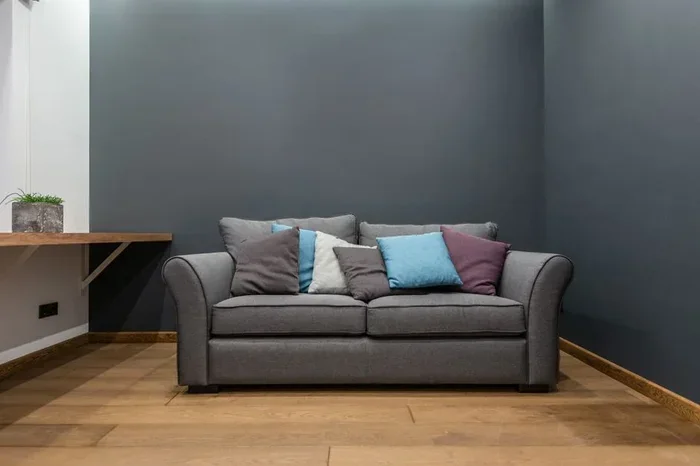
A neutral sofa in gray, beige, or cream gives you a flexible canvas. You can then add sofa throw pillows in orange and green to bring the color scheme to life. This approach lets you change the look later without replacing expensive furniture.
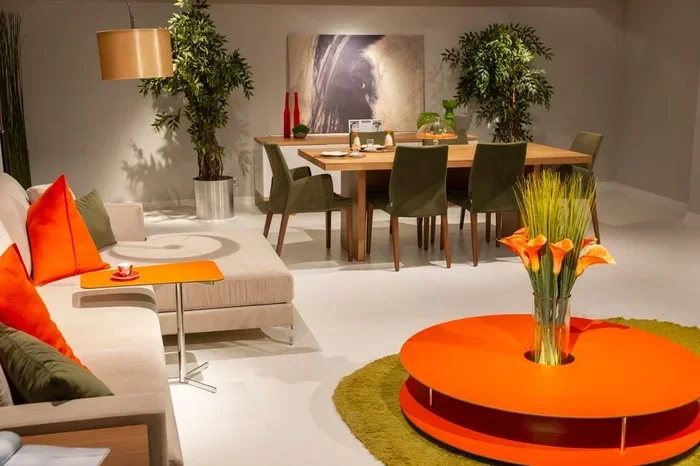
If you want a bolder statement, consider an orange accent chair paired with green cushions on your main sofa. Alternatively, a green sofa with orange throw blankets and pillows creates a striking focal point. When you arrange sofa and loveseat in living room with this color scheme, place the neutral pieces first and use the colored ones to define seating zones.
Coffee Tables and Side Tables
Wooden furniture with natural tones works wonderfully in an orange and green room. A rustic oak coffee table adds warmth that complements both colors. For a modern look, a white or black table keeps the focus on the colored accents around it.
Side tables in teal or mustard add unexpected pops of color that bridge the orange and green palette. These smaller pieces are easy to swap out if you want to refresh the room later. They also serve as accent pieces for living room displays, holding books, plants, and decorative objects.
Decor and Accessories That Tie the Room Together
Accessories are where the magic happens in an orange and green living room. This is where you add personality and bring the whole color story to life. The right mix of decor items creates a cohesive and curated look.
Wall Art and Colorful Accents
Abstract pictures for living room that feature orange and green tones make a powerful visual statement. Look for artwork that includes both colors to reinforce the palette. Large statement pieces above the sofa anchor the room and give it a designed feel.
Smaller prints and framed photos in matching tones add layers of interest. You can also create a gallery wall with a mix of orange and green frames. This approach adds texture and color without overwhelming the space. The key is to keep the frames within the same color family for a unified look.
Rugs, Curtains, and Textiles
A rug in a muted orange or green tone ties the furniture group together and defines the seating area. Choose a pattern that includes both colors for maximum impact. Textured rugs in jute or wool add a natural element that complements the earthy quality of these colors.
Curtains in a soft green or warm orange set the tone for the entire room. Sheer curtains in neutral tones let the colors shine through while keeping the space light and airy. Throw blankets and cushion covers in varying shades of orange and green add comfort and style. Mix textures like velvet, linen, and crochet to create visual depth.
Plants and Natural Elements
Green plants are a natural fit for an orange and green living room. They bring life and freshness that enhances the green tones in your decor. Tall fiddle leaf figs, trailing pothos, and small succulents all work well. The natural greens complement your decor palette while adding organic texture.
Wooden decor items in warm tones bridge the orange and green colors seamlessly. Wooden bowls, vases, and picture frames add an earthy quality that grounds the room. Woven baskets and natural fiber rugs complete the look by adding warmth and tactile interest. These natural decor elements make the space feel grounded and intentional.
Layout Tips to Maximize Your Orange and Green Space
How you arrange your furniture matters just as much as the colors you choose. A thoughtful layout enhances the color scheme and makes the room feel cohesive and functional.
Start by placing your largest piece, usually the sofa, against the main wall. Position the orange and green accents around this focal point. Arrange seating so people face each other, creating a conversational area. Use your rug to define the seating zone and anchor the color palette.
When you arrange living room furniture with fireplace and tv in an orange and green scheme, let the fireplace or TV wall serve as the backdrop. Paint the accent wall behind it in a muted green or warm orange. Then use the opposite color in accessories on the opposite side of the room to create visual balance.
Do not push all your furniture against the walls. Pulling the sofa slightly forward creates a more intimate feel and makes the room look larger. Use side tables and lamps to fill empty spaces while adding more orange or green accents. The goal is a room that flows naturally and feels welcoming from every angle.
Common Mistakes to Avoid
Even with the best intentions, decorating mistakes can happen. Here are some pitfalls to watch out for when designing your orange and green living room.
- Using too many shades at once. Stick to three or four shades total. Too many variations create visual noise and make the room feel chaotic.
- Skipping the neutral base. Without neutral walls, floors, or large furniture, the bold colors can feel overwhelming rather than intentional.
- Ignoring the room’s natural light. Dark rooms need lighter shades of orange and green to keep the space bright and open.
- Forgetting about flow between rooms. If your living room opens to other spaces, make sure the color scheme transitions smoothly.
- Overlooking scale and proportion. Large orange or green pieces need breathing room. Do not cluster all the bold color on one side of the room.
Final Thoughts and Design Inspiration
Creating an orange and green living room that really pops is all about balance, intention, and a little bit of courage. These complementary colors offer endless possibilities, from subtle and sophisticated to bold and dramatic. The key is to start with a plan, choose your shades wisely, and build the room layer by layer.
Begin with a neutral foundation. Add your dominant color through larger furniture pieces or an accent wall. Then bring in the secondary color through accessories, textiles, and decor. Finally, use natural elements like plants and wood to ground the entire scheme. The result is a room that feels designed with care and full of personality.
Do not be afraid to experiment. Try different shade combinations on paint swatches before committing. Move cushions and throws around until the balance feels right. Trust your instincts and remember that your home should reflect your personal style. With the tips in this guide, you have everything you need to create a living room makeover that is vibrant, welcoming, and uniquely yours.
If you want more ideas on arranging your furniture to make the most of your color scheme, check out our guide on how to arrange sofa and loveseat in living room for practical layout tips that work with any color palette.
For additional inspiration on choosing pieces that complement your new color scheme, our article on how to choose furniture for a living room covers essential tips for picking furniture that supports your design vision. And once your room is set up, explore our guide on accent pieces for living room to find the perfect finishing touches that pull your orange and green theme together.
Frequently Asked Questions
What colors go well with orange and green in a living room?
Neutral tones like white, cream, beige, and gray work beautifully as a base for orange and green schemes. Wood tones in natural oak or walnut add warmth and bridge the two colors. Metallic accents in gold or brass complement orange, while black or charcoal adds definition and grounding to the palette.
Can I use orange and green in a small living room?
Yes, but use a lighter touch in small spaces. Stick to one bold color as an accent and keep the other shade subtle. Soft sage green walls with orange throw pillows and a small orange side table create a lively feel without overwhelming the room. Check out our tips on how to maximize seating in a small living room for more space-saving ideas.
What is the best way to start an orange and green living room makeover?
Start by choosing your dominant color, which will appear on the largest surfaces like walls or a main sofa. Then select your accent color for smaller items like cushions, rugs, and wall art. Pick a neutral base for the remaining elements. This approach keeps the room balanced and prevents color fatigue.
Does orange and green work in a modern minimalist living room?
Absolutely. In a minimalist space, use muted or earthy shades of both colors to keep things refined. A sage green sofa with a single burnt orange accent chair and simple wooden accessories creates a clean yet warm look. The key is restraint and quality over quantity.
How do I prevent an orange and green room from feeling too bold?
Use the 60-30-10 rule. Let 60 percent of the room be neutral, 30 percent one color, and 10 percent the other. Add plenty of natural textures like linen and wood to soften the contrast. Also, keep the shades within the same undertone family, such as warm orange with warm green, for a more harmonious result.
What type of lighting works best for an orange and green living room?
Warm white lighting enhances the cozy feel of orange tones and keeps green shades looking natural. Avoid cool or blue-toned lighting, which can make orange look harsh and green look sickly. Use a mix of overhead light, floor lamps, and table lamps to create layers of light that highlight your color scheme throughout the day.