Neutral Living Room Ideas That Transform Your Space
Neutral living room ideas offer a timeless way to create a calm, stylish space that feels welcoming and cozy. Whether you prefer warm beige tones, cool grays, or soft whites, a neutral color palette gives you endless flexibility to refresh your room without a full overhaul. This guide covers everything from furniture selection to accent styling, so you can transform your living room with confidence.
Neutral living room ideas have taken the design world by storm, and for good reason. A soft, balanced palette creates a space that feels both relaxing and polished. Whether you are moving into a new home or just want a fresh look, working with neutrals is one of the easiest ways to achieve a beautiful result.
The beauty of a neutral living room is its flexibility. You can change the mood with a few pillows or a new rug, and the base stays timeless. No need to worry about trends fading—neutrals never go out of style. In this guide, we will walk you through everything you need to know to design a stunning neutral space.
Key Takeaways
- Neutral palettes create timeless elegance: Soft tones like beige, cream, and gray make any living room feel calm and sophisticated.
- Texture adds depth: Mixing materials like linen, wood, and velvet keeps a neutral space from feeling flat.
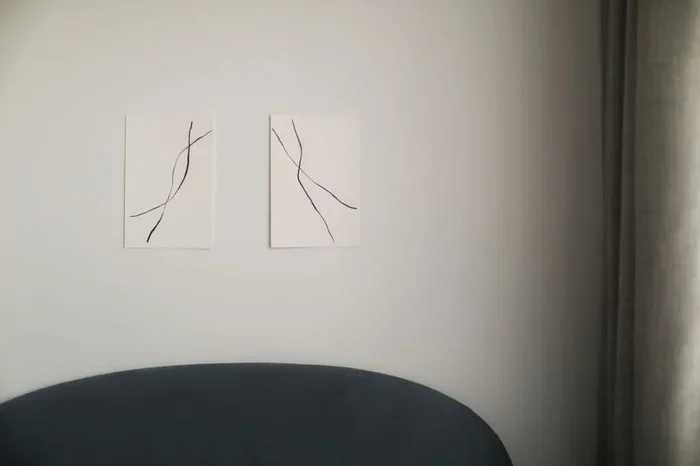
- Accent pieces bring personality: Pillows, rugs, and artwork add color and character without overwhelming the room.
- Furniture placement matters: A thoughtful layout makes even a small neutral living room feel open and inviting.
- Lighting transforms the mood: Warm lighting enhances neutral tones and makes your space feel cozy at any time of day.
- Start simple and build: You don’t need a big budget—small changes can make a big difference in your neutral living room.
📑 Table of Contents
- Why Neutral Living Room Ideas Work So Well
- Neutral Furniture That Makes a Statement
- Adding Texture and Depth to Neutral Spaces
- Decorating Shelves and Surfaces in a Neutral Room
- Lighting: The Secret Ingredient for Neutral Rooms
- Common Mistakes to Avoid in Neutral Living Rooms
- Bringing It All Together: A Simple Neutral Room Blueprint
Why Neutral Living Room Ideas Work So Well
Neutral tones like beige, cream, soft gray, and warm white create a foundation that works with almost any style. They make a room feel open, calm, and put-together. Here is why so many homeowners are choosing a neutral color palette for their living rooms:
- Timeless appeal: Neutrals never look dated. A well-designed neutral space can last for decades without feeling old.
- Easy to accessorize: Neutral walls and furniture let your accent pieces shine. A bold throw pillow or a colorful vase becomes the star of the room.
- Works with any style: Whether you love minimalist, farmhouse, or modern design, neutrals fit right in.
- Makes small rooms feel bigger: Light neutrals reflect light and open up a space, which is perfect for smaller living rooms.
- Simple to update: Swap out a few neutral accents like curtains or a blanket, and your room feels brand new.
When you choose a neutral living room, you are choosing a space that grows with you. Life changes, tastes evolve, and a neutral base makes it easy to adapt without starting from scratch.
Choosing the Right Neutral Tones
Not all neutrals are the same. Warm neutrals like beige and cream add coziness, while cool grays bring a sleek, modern feel. Here is a quick breakdown:
- Warm neutrals: Think beige, taupe, soft sand, and warm cream. These tones create a welcoming, inviting feel.
- Cool neutrals: Gray, white, and soft blue-gray tones give a clean, contemporary look.
- Earthy neutrals: Muted greens, warm browns, and terracotta add a natural, grounded feel to a room.
The best way to pick your tones is to look at the natural light in your room. Rooms with lots of sunlight handle cool grays beautifully. North-facing or darker rooms often feel warmer with beige or cream tones.
Neutral Furniture That Makes a Statement
Furniture is the backbone of any living room design. With neutral pieces, you have the freedom to choose styles that suit your personality. The key is to focus on shape, texture, and quality rather than bold color.
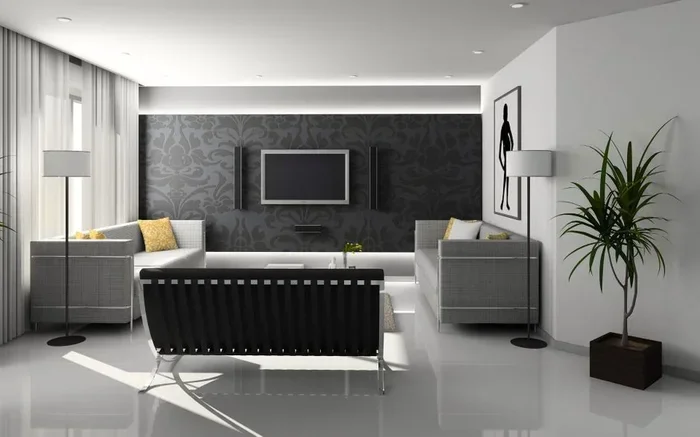
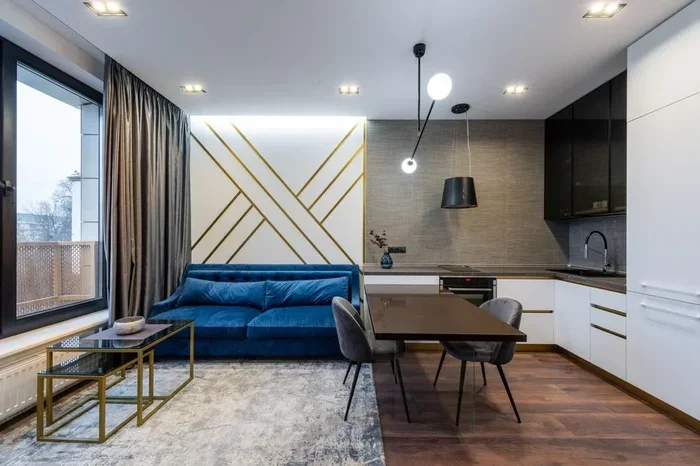
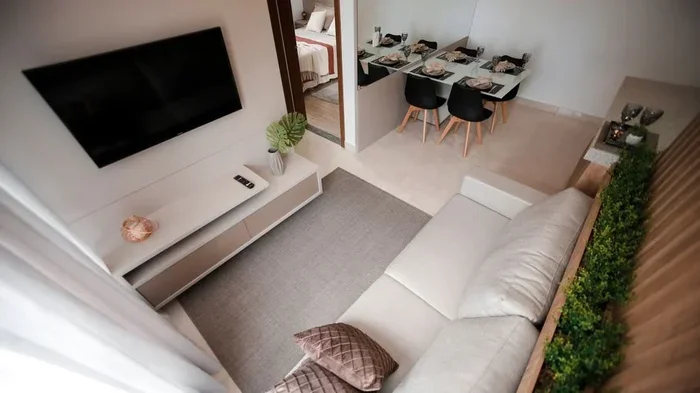
A gray sofa is one of the most popular choices for a neutral living room. It looks sleek and modern, and it pairs easily with almost any accent color. If gray feels too cold, a beige or cream sofa brings warmth and softness. Linen and velvet are two of the best fabrics for neutral furniture because they add texture and depth.
Furniture Placement Tips for a Neutral Room
How you arrange your furniture can make or break the feel of your room. A well-planned layout makes even a small space feel open and balanced. To learn more about arranging your furniture effectively, check out our guide on how to place furniture in a living room for practical, room-by-room advice.
- Create a focal point: Arrange seating around a fireplace, a large window, or a statement piece of art.
- Leave breathing room: Do not push furniture against the walls. A few inches of space makes a room feel larger.
- Use area rugs to define zones: A large neutral rug under your coffee table ties the seating area together.
- Balance is key: Mix tall and low pieces to create visual interest without clutter.
When selecting neutral furniture, think about the overall shape of the room. An L-shaped sofa works great in rectangular rooms, while a pair of armchairs can open up a square space.
Adding Texture and Depth to Neutral Spaces
One of the biggest mistakes people make with neutral rooms is keeping everything the same tone and texture. A room full of matching beige pillows on a beige sofa can feel boring. The secret to a stunning neutral space is layering different textures.
Mix materials like woven linen, chunky knit throws, smooth wood, and soft velvet. Each texture catches the light differently, which adds visual interest and makes the room feel alive. A jute rug on a hardwood floor, a velvet pillow on a linen sofa—these small contrasts create a rich, inviting atmosphere.
Neutral Textiles That Elevate Your Room
Textiles are the easiest and most affordable way to add depth. Here are some ideas:
- Linen curtains: They filter light beautifully and add a soft, organic feel.
- Woven throw blankets: Draped over a sofa arm, they add warmth and a cozy touch.
- Velvet cushions: They catch light with a subtle sheen that makes them stand out against matte fabrics.
- Boucle upholstery: This trendy fabric has a textured, almost fluffy look that feels luxurious.
When you layer textures, stick to a palette of three to four tones. For example, combine a cream sofa with a warm beige throw, a gray cushion, and a natural wood coffee table. The result feels cohesive and thoughtfully designed.
Decorating Shelves and Surfaces in a Neutral Room
Shelves and surfaces are the perfect spots to add personality to a neutral living room. Without bold wall color, these areas become the focal points that give your room character. Styling them well can completely transform the feel of the space.
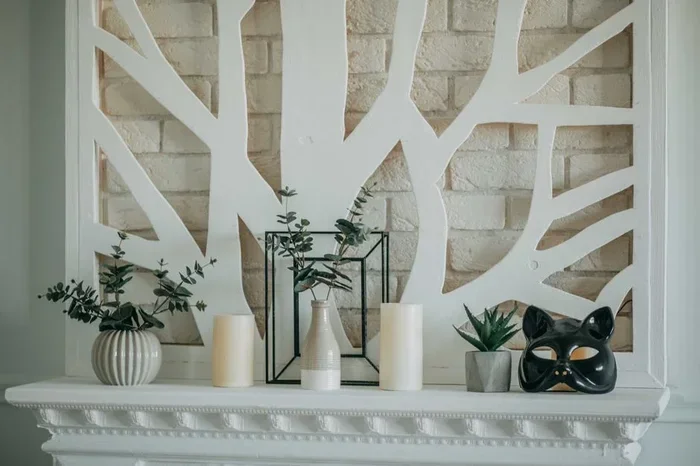
Start by choosing a few items that reflect your personal style—a small plant, a stack of books, a decorative bowl, or a framed print. The trick is to group items in odd numbers and vary the heights. This creates a natural, curated look rather than a cluttered one.
Styling Open Shelves with Neutral Accents
Open shelves are a great way to display your favorite pieces without overwhelming the room. For detailed tips on arranging items beautifully, visit our guide on how to style open shelves in a living room. Here are some quick tips:
- Use trays to group small items: A wooden tray with a candle, a small plant, and a book looks polished and intentional.
- Add height with books and objects: Stack a few books horizontally and place a small statue or vase on top.
- Leave some space empty: Negative space is just as important as the items you display. It keeps the look clean and relaxed.
- Mix materials: Combine ceramic, wood, glass, and metal for a layered, interesting look.
For more inspiration on accessorizing, take a look at our article on accent pieces for living room. It covers everything from decorative objects to functional styling pieces that work beautifully in neutral spaces.
Lighting: The Secret Ingredient for Neutral Rooms
Lighting has a huge impact on how neutral tones look in your room. The same beige wall can feel warm and golden in the morning and cool and gray at night, depending on the light source. Getting the lighting right is one of the most important steps in designing a neutral living room.
Natural light is your best friend. Keep windows unobstructed and use sheer curtains to let soft light filter through. For evenings, layer your lighting with a combination of overhead fixtures, floor lamps, and table lamps.
Choosing the Right Bulbs
The color temperature of your bulbs changes everything. Here is a simple guide:
- Warm white bulbs (2700K): These create a cozy, golden glow that enhances warm neutrals like beige and cream.
- Cool white bulbs (4000K): These work well with gray tones and give a clean, modern feel.
- Dimmable switches: They let you adjust the brightness throughout the day, which is perfect for setting different moods.
A well-lit neutral room feels welcoming at any hour. Consider adding a floor lamp next to your sofa and a table lamp on your side table. These small touches make a big difference in the overall atmosphere.
Common Mistakes to Avoid in Neutral Living Rooms
Even with the best intentions, it is easy to make mistakes when designing a neutral living room. Here are the most common pitfalls and how to avoid them:
- Using only one shade of neutral: This creates a flat, boring look. Always mix at least two or three tones for depth.
- Ignoring texture: A room with all smooth surfaces feels cold. Add rugs, throws, and textured pillows to warm things up.
- Forgetting about contrast: Without contrast, a neutral room can feel bland. Pair light walls with darker furniture or accessories.
- Over-accessorizing: Too many items on shelves and surfaces make a room feel cluttered. Edit your decor and keep it intentional.
- Skipping plants: Plants add life and color to a neutral space. Even a single green plant can transform a room.
Avoiding these mistakes keeps your neutral living room ideas looking polished and intentional. Less is often more when working with a neutral palette.
Bringing It All Together: A Simple Neutral Room Blueprint
If you are not sure where to start, here is a simple blueprint you can follow. It uses affordable pieces and easy-to-find items that work in almost any home.
- Walls: Soft warm white or light cream
- Sofa: Light gray or beige linen
- Coffee table: Natural wood with clean lines
- Rug: Neutral jute or a soft gray area rug
- Pillows: Mix of cream, beige, and one or two textured throws
- Curtains: Sheer white or light linen
- Accessories: A ceramic vase, a stack of books, and a small potted plant
- Lighting: Warm white bulb in a simple floor lamp
This blueprint gives you a calm, inviting room that feels complete without being overdone. You can swap out any piece for something that fits your budget or personal taste, and the neutral base will still hold everything together.
Designing a neutral living room does not have to be complicated. Start with a solid color palette, choose quality furniture with interesting textures, and add personal touches through accessories and lighting. The result is a space that feels timeless, welcoming, and uniquely yours.
Take your time, have fun with it, and remember—your neutral room should feel like a place you actually want to relax in. Small changes add up fast, and before you know it, your living room will be the kind of space everyone wants to sit down and stay a while in.
Frequently Asked Questions
What are the best neutral colors for a living room?
The best neutral colors include warm beige, soft cream, light gray, warm white, and taupe. These tones create a calm and inviting atmosphere that works with almost any decor style. Choose a shade that complements the natural light in your room for the best results.
How do I make a neutral living room feel cozy?
Add texture through throw blankets, velvet cushions, and woven rugs. Warm lighting with soft white bulbs also makes a big difference. A few personal touches like family photos or a favorite book collection add warmth and make the space feel truly yours.
Can I add color to a neutral living room?
Absolutely! Neutral rooms are the perfect backdrop for colorful accents. Try adding a bold throw pillow, a colorful piece of art, or a vibrant rug. Keep the color to one or two accent pieces so the room stays balanced and harmonious.
What furniture styles work best with neutral living room ideas?
Almost any style works with neutrals, including modern, farmhouse, Scandinavian, and mid-century. The key is to choose pieces with good shape and quality materials. A simple linen sofa, a wooden coffee table, and metal accents create a classic neutral look.
How often should I update my neutral living room decor?
You can refresh a neutral room anytime by swapping out small items like pillows, throws, or a new rug. These low-cost changes make a big impact. There is no need for a full makeover—just a few new neutral accents can give your room a completely different feel.
Are neutral living rooms suitable for small spaces?
Yes, neutral living rooms are ideal for small spaces. Light neutrals reflect natural light and make a room feel larger and more open. Using mirrors, keeping furniture low-profile, and choosing a simple layout all help maximize the sense of space in a small living room.