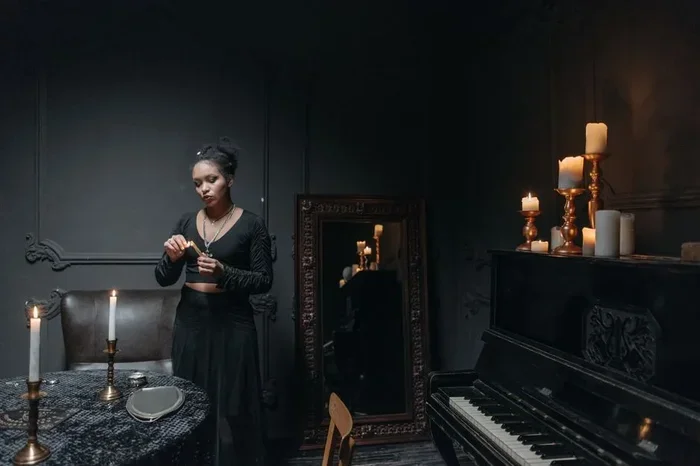
Gothic Style Living Room Decor Ideas to Transform Your Space
A gothic style living room brings dark elegance, rich textures, and dramatic flair into your home. You will learn how to choose the right color palette, furniture, and lighting to create a moody yet luxurious atmosphere. This guide covers practical tips, common mistakes, and expert insights to help you design a space that feels both timeless and personal.
A gothic style living room is one of the most dramatic and captivating design choices you can make for your home. It goes far beyond the stereotypes of darkness and gloom. A well-designed gothic style living room feels luxurious, warm, and deeply inviting. It wraps you in layers of rich color, textured fabric, and atmospheric lighting that makes every evening feel special.
If you have been drawn to the dark aesthetic but do not know where to start, you are in the right place. This guide walks you through every step of creating a gothic style living room that feels authentic and personal. You will learn about the best colors, furniture choices, lighting tricks, and accessories that bring this timeless look to life.
Whether your home is a modern apartment or a classic house, the gothic style adapts beautifully. The key is understanding the core elements and layering them with intention. Let us explore how to build a gothic style living room that turns heads and sparks conversation every time someone walks through your door.
Key Takeaways
- Dark color palettes set the mood: Deep blacks, rich burgundies, and dark grays form the foundation of any gothic style living room.
- Texture is everything: Velvet, leather, and wrought iron add depth and authenticity to the design.
- Lighting creates ambiance: Candlelight, dimmers, and statement chandeliers make all the difference in achieving the gothic look.
- Mix old and new: You do not need a medieval mansion. Gothic decor works beautifully in modern spaces too.
- Accessories tell the story: Ornate mirrors, stained glass, and antique furnishings complete the aesthetic.
- Start small and build: You can ease into a gothic style living room with a few key pieces before going all in.
📑 Table of Contents
- What Makes a Gothic Style Living Room Unique?
- Choosing the Right Color Palette for Your Gothic Style Living Room
- Furniture and Accessories for a Gothic Living Room
- Lighting and Ambiance in a Gothic Style Living Room
- Mixing Gothic Style with Modern Decor
- Common Mistakes to Avoid When Designing a Gothic Living Room
- Bringing It All Together: Your Gothic Style Living Room Checklist
- Final Thoughts on Creating a Gothic Style Living Room
What Makes a Gothic Style Living Room Unique?
The gothic style living room draws from centuries of architectural and artistic tradition. It originated in medieval Europe and evolved through the Victorian era into the romantic, ornate aesthetic we recognize today. A gothic style living room is defined by its bold contrasts, dramatic shadows, and a sense of grandeur that feels both old-world and theatrical.
What sets the gothic style living room apart from other dark decor themes is its attention to detail. It is not just about painting your walls black and calling it done. A true gothic style living room incorporates ornate patterns, rich materials, and a carefully curated sense of mystery. Every piece of furniture and every accessory serves a purpose in building the overall atmosphere.
Key Characteristics of Gothic Design
- Dark and moody color schemes: Deep blacks, charcoal grays, midnight blues, and rich burgundies dominate the palette.
- Ornate and intricate details: Carved woodwork, detailed moldings, and elaborate patterns are essential.
- Dramatic lighting: Low, warm light creates shadows and depth throughout the space.
- Luxurious fabrics: Velvet, brocade, leather, and heavy drapes add texture and richness.
- Historical references: Elements inspired by Victorian, medieval, and Gothic revival architecture tie the look together.
Understanding these characteristics helps you make intentional choices. You do not need every single element to create a compelling gothic style living room. Even a few well-placed pieces can set the tone and draw people into the atmosphere.
Choosing the Right Color Palette for Your Gothic Style Living Room
Color is the backbone of any gothic style living room. The right palette sets the mood before anyone even notices the furniture or accessories. When planning your gothic style living room color scheme, think in layers of dark and deep tones that create visual interest without feeling heavy.
Primary Colors for a Gothic Living Room
- Black: The anchor of the gothic palette. Use it on walls, furniture, or accent pieces for a bold foundation.
- Deep burgundy: Adds warmth and richness. It pairs beautifully with black and creates a royal, luxurious feel.
- Charcoal gray: A softer alternative to pure black. It works well as a primary wall color in a gothic style living room.
- Dark navy or midnight blue: Adds depth and a slightly cooler tone that feels sophisticated and moody.
- Gold or antique brass accents: These metallic touches bring light and elegance to an otherwise dark room.
A common mistake people make is using too much black without variation. A gothic style living room thrives on contrast. Pair dark walls with lighter wood tones or metallic accents to keep the space from feeling too heavy. The goal is drama, not darkness for its own sake.
Adding Accent Colors
Once your base palette is set, introduce accent colors sparingly. Deep purple, emerald green, and burnt orange work wonderfully as throw pillows, artwork, or small decor items. These accents add personality and prevent the room from feeling one-dimensional.
Think of your gothic style living room as a painting. The dark base colors are the background, and the accent colors are the highlights that draw the eye. Keep the balance intentional, and the result will feel cohesive and striking.
Furniture and Accessories for a Gothic Living Room
Furniture is where your gothic style living room truly comes to life. The pieces you choose should feel substantial, ornate, and full of character. Victorian and medieval-inspired furniture works best, but you can also find modern pieces with gothic-inspired details.
Essential Furniture Pieces
- Tufted velvet sofa or chaise: Deep burgundy or black velvet instantly signals a gothic aesthetic. The texture adds luxury and comfort.
- Carved wooden coffee table: Look for pieces with intricate legs, scrollwork, or dark stained finishes.
- Ornate bookshelves or armoires: These add vertical interest and storage while reinforcing the gothic style living room theme.
- Leather accent chairs: Dark leather chairs with wooden frames bring a scholarly, old-world feel.
- Four-poster or canopy bed (if adjacent): Even in a living room context, a dramatic bed frame or headboard makes a statement.
When selecting furniture for your gothic style living room, focus on quality over quantity. A few well-crafted pieces make a stronger impression than a room full of generic items. Look for solid wood, real leather, and heavy fabrics that hold their shape and look better with age.
Accessories That Complete the Look
Accessories are the finishing touches that give your gothic style living room its personality. Here are some of the most effective choices:
- Ornate mirrors with dark frames: They reflect candlelight and make the room feel larger while adding gothic elegance.
- Stained glass objects or candle holders: These introduce color and filter light in beautiful, moody ways.
- Antique or vintage items: Old clocks, candlesticks, and trinket boxes add authenticity and history.
- Wrought iron decor: Candle sconces, chandeliers, and book stands bring a medieval quality to the space.
- Heavy curtains in dark fabric: They frame windows dramatically and add a layer of texture and privacy.
Do not overcrowd your gothic style living room with accessories. Choose a few standout pieces and let them breathe. The negative space is just as important as the decorated space in creating that signature moody atmosphere.
Lighting and Ambiance in a Gothic Style Living Room
Lighting is arguably the most important element in a gothic style living room. The right lighting transforms a dark room from feeling heavy to feeling cinematic and enchanting. The goal is to create layers of light that highlight your decor while maintaining that signature gothic mood.
Types of Lighting That Work Best
- Dimmer switches: These allow you to control the intensity of your overhead lighting and set the perfect mood for any time of day.
- Crystal or wrought iron chandeliers: A statement chandelier anchors the room and adds a touch of gothic grandeur.
- Candlelight: Real candles or high-quality LED candles create the warm, flickering glow that defines the gothic atmosphere.
- Table lamps with dark bases: Choose lamps with ornate details, dark metal, or stained glass shades.
- Wall sconces: These provide soft, indirect light and draw the eye upward, emphasizing the height of your gothic style living room.
Avoid bright, cool-toned lighting at all costs. A gothic style living room needs warm light with a yellow or amber tone. This creates the soft shadows and intimate feel that makes the space so inviting. If you have dimmers installed, use them generously and experiment with different levels until you find the perfect balance.
Creating Layers of Light
The secret to great ambiance in a gothic style living room is layering. Combine overhead lighting, table lamps, wall sconces, and candles to create depth. Each layer adds a different quality of light and shadow. Start with a dim overhead source, add task lighting where needed, and scatter candles throughout for that unmistakable warm glow.
This layered approach means your gothic style living room can serve many purposes. It can be bright enough for reading during the day and dramatically moody for an evening gathering. Flexibility in lighting makes the space feel alive and adaptable.
Mixing Gothic Style with Modern Decor
You do not need a centuries-old manor to enjoy a gothic style living room. The aesthetic blends surprisingly well with modern and contemporary spaces. The key is finding the balance between dark gothic elements and clean, modern lines.
Tips for a Modern Gothic Look
- Keep furniture lines simple: Choose sleek, modern pieces in dark colors rather than overly ornate Victorian reproductions.
- Use gothic accessories sparingly: A single ornate mirror or a few black velvet pillows can introduce the gothic vibe without overwhelming a modern room.
- Mix materials thoughtfully: Pair smooth modern surfaces like glass and chrome with rough, dark textures like leather and wood.
- Let the architecture do the work: If your space has high ceilings or large windows, use those features to create the dramatic proportions that gothic design loves.
- Add plants for contrast: Dark-leafed plants like monstera or black mondo grass bring life to a gothic style living room without breaking the mood.
This modern-gothic fusion is one of the most popular trends right now. It proves that a gothic style living room is not about living in the past. It is about capturing the spirit of drama, elegance, and mystery in a way that feels fresh and relevant today.
Common Mistakes to Avoid When Designing a Gothic Living Room
Even with the best intentions, it is easy to make mistakes when designing a gothic style living room. Being aware of these pitfalls helps you create a space that feels intentional rather than accidental.
Overdoing the Darkness
The most common mistake is making the room too dark. A gothic style living room should feel dramatic, but it should also feel welcoming. If the room is so dark that people feel uncomfortable, you have gone too far. Balance dark walls with lighter wood floors, metallic accents, and plenty of warm lighting.
Neglecting Comfort
Gothic decor can sometimes prioritize appearance over function. Your gothic style living room should not just look stunning. It should also be a place where you actually want to sit, relax, and spend time. Choose comfortable seating, soft throws, and plush cushions alongside your dark aesthetic pieces.
Skipping Texture
Another mistake is relying on flat, uniform surfaces. A gothic style living room thrives on texture. Without velvet, leather, wood grain, and fabric folds, the room can feel flat and uninspired. Layer different textures throughout the space to create visual richness and tactile interest.
Bringing It All Together: Your Gothic Style Living Room Checklist
Creating a gothic style living room is a process of layering and refining. Use this checklist to make sure you have covered all the essential elements:
- Choose a dark, moody color palette with at least three base tones.
- Select substantial furniture pieces in dark wood, velvet, or leather.
- Install dimmable lighting and layer multiple light sources throughout the room.
- Add gothic accessories like ornate mirrors, candle holders, and stained glass.
- Incorporate rich textures through curtains, throws, and rugs.
- Balance dark elements with metallic accents and lighter wood tones.
- Personalize the space with items that reflect your taste and story.
Following this checklist ensures your gothic style living room feels complete and cohesive. Start with the basics and add layers gradually. The best gothic interiors are never rushed. They evolve over time as you find the perfect pieces that speak to you.
Final Thoughts on Creating a Gothic Style Living Room
A gothic style living room is more than a decorating trend. It is a way of creating a space that feels deeply personal, visually stunning, and full of character. When you get it right, your gothic style living room becomes a sanctuary. It is a place where you can unwind, entertain, and express your unique sense of style.
Remember that there is no single “right” way to design a gothic style living room. The beauty of this aesthetic lies in its flexibility. You can lean into the dramatic and theatrical, or keep it subtle and modern. The most important thing is that the space feels authentic to you. Trust your instincts, start with a few key pieces, and build from there. Your gothic style living room is waiting to come to life.
Frequently Asked Questions
What are the essential colors for a gothic style living room?
The essential colors include deep black, rich burgundy, charcoal gray, and midnight blue. These dark tones create the moody foundation of a gothic style living room. Add gold or antique brass accents to bring warmth and visual interest to the space.
Can I create a gothic style living room in a small space?
Absolutely. A gothic style living room works in any size space. In smaller rooms, focus on dark accent walls rather than painting every surface black. Use mirrors to reflect light and make the space feel larger. Choose compact furniture with ornate details to keep the gothic feel without overwhelming the room.
What furniture styles work best for a gothic style living room?
Victorian and medieval-inspired furniture is ideal. Look for carved wooden pieces, tufted velvet sofas, and leather chairs with dark finishes. Modern furniture in dark colors with clean lines also works well if you prefer a contemporary gothic look.
How do I light a gothic style living room properly?
Use warm, dimmable lighting as your base. Layer in table lamps, wall sconces, and candles to create depth. Avoid bright, cool-toned lights. A statement chandelier adds drama and anchors the room’s lighting scheme beautifully.
Is a gothic style living room expensive to design?
Not necessarily. You can create a stunning gothic style living room on a budget by focusing on a few key pieces. Thrift stores and vintage shops are excellent sources for ornate mirrors, antique accessories, and dark furniture at affordable prices. Start small and build your collection over time.
What is the difference between gothic and dark modern decor?
Gothic decor emphasizes ornate details, historical references, and rich textures like velvet and wrought iron. Dark modern decor focuses on clean lines and minimalist aesthetics with a darker color palette. A gothic style living room feels more theatrical and layered, while dark modern decor feels sleeker and more restrained.