Colorful Living Room Decor Ideas to Brighten Your Home
Colorful living room decor can completely change the feel of your home. You will learn how to pick the right color palette, choose bold furniture, and add pops of color through simple accessories. These vibrant living room ideas work for any budget and any style. Read on to turn your dull space into a cheerful, eye-catching room.
Your living room is the heart of your home. It is where you relax, entertain guests, and spend quality time with family. Yet so many living rooms feel flat and boring. The good news is that a colorful living room decor approach can fix that fast. Color has the power to lift your mood, make a small room feel bigger, and give your space a personality that is all your own.
In this guide, you will find everything you need to create a vibrant living room that you will love coming home to. We will cover color palettes, furniture choices, wall ideas, accessories, and budget tips. Whether you are a beginner or a seasoned decorator, you will find practical ideas you can use right away. Let us dive in and bring some life into your space.
Key Takeaways
- Start with a color palette: Pick 2-3 main colors to keep your colorful living room decor looking balanced and intentional.
- Use furniture as a focal point: A bright sofa or colorful accent chair can anchor the entire room.
- Accessories are your best friend: Throw pillows, rugs, curtains, and artwork add color without big expenses.
- Try an accent wall: Painting one wall a bold shade instantly creates a vibrant living room feel.
- Mix warm and cool tones: Combining different color temperatures adds depth and visual interest.
- Budget-friendly options exist: You do not need to spend a fortune to achieve a bright home interior transformation.
📑 Table of Contents
- Why Colorful Living Room Decor Matters
- Choosing the Right Color Palette
- Colorful Furniture and Statement Pieces
- Adding Color Through Accessories and Textiles
- Painting and Wall Ideas for a Colorful Living Room
- Budget-Friendly Ways to Add Color
- Common Mistakes to Avoid
- Expert Tips for a Lasting Colorful Design
- Conclusion
Why Colorful Living Room Decor Matters
Color is not just about looking pretty. It affects how you feel in a room. Studies show that the right colors can reduce stress, boost energy, and even improve your sleep. A cheerful home decor scheme makes you want to spend more time in your living room, which improves your overall well-being.
The Psychology of Color in Your Living Space
Different colors trigger different emotions. Blue tones calm you down. Yellow tones energize you. Red creates warmth and excitement. Green brings a sense of balance. When you understand this, you can use color on purpose. Instead of randomly picking paint swatches, you choose colors that match the mood you want in your room.
For example, a colorful living room with soft blues and greens feels peaceful and relaxing. A room with warm oranges and yellows feels cozy and social. Think about how you use your living room most. Do you want it to feel calm? Energizing? Romantic? Your answer should guide your color choices.
How Color Changes the Perception of Space
Color can also trick your eyes. Light and bright colors make a small room feel open and airy. Dark colors make a large room feel intimate and cozy. If you have a tiny living room, try using lighter shades as your base and add bold wall colors through accessories. This way, you get the best of both worlds.
Here are some quick tips to keep in mind:
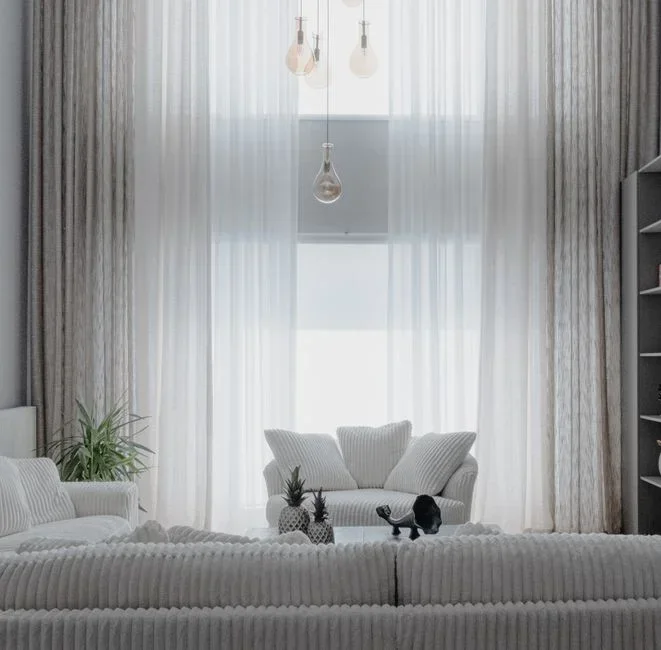
- Use white or cream as a base color to make any room feel larger.
- Add colorful accent pieces to create depth without overwhelming the space.
- Place darker colors on walls you want to push back visually.
- Use mirrors alongside bright colors to double the sense of space.
Choosing the Right Color Palette
Before you buy anything, you need a plan. A good color palette keeps your room looking put together instead of chaotic. The key is to pick a main scheme and then add variety within it.
The 60-30-10 Rule for Colorful Rooms
Interior designers use a simple trick called the 60-30-10 rule. Here is how it works:
- 60% dominant color: This is your main wall color or large furniture piece. It sets the overall tone.
- 30% secondary color: This goes on curtains, a rug, or a secondary sofa. It adds contrast.
- 10% accent color: This comes from pillows, artwork, vases, and other small items. It adds sparkle and personality.
Using this rule, your colorful living room decor will feel balanced and harmonious. You get variety without visual clutter.
Popular Color Combinations for Living Rooms
Not sure where to start? Here are some tried-and-true combinations that work beautifully:
- Navy and gold: A classic, elegant pairing that feels sophisticated and warm.
- Teal and coral: Bold and playful, perfect for a modern eclectic decor style.
- Soft pink and sage green: A calming, romantic combo that feels fresh and natural.
- Yellow and gray: Bright and cheerful with a grounded, neutral base.
- Deep purple and mint: Unexpected and creative, great for a colorful accent wall setup.
Pick one combination and stick with it. When you mix too many colors without a plan, the room starts to feel messy. Keep it simple and let the colors do the talking.
Colorful Furniture and Statement Pieces
Furniture is the backbone of any living room. When you choose colorful pieces, they become the focal point that ties everything together. A statement furniture piece can transform an entire room without you needing to repaint a single wall.
Choosing a Bold Sofa or Chair
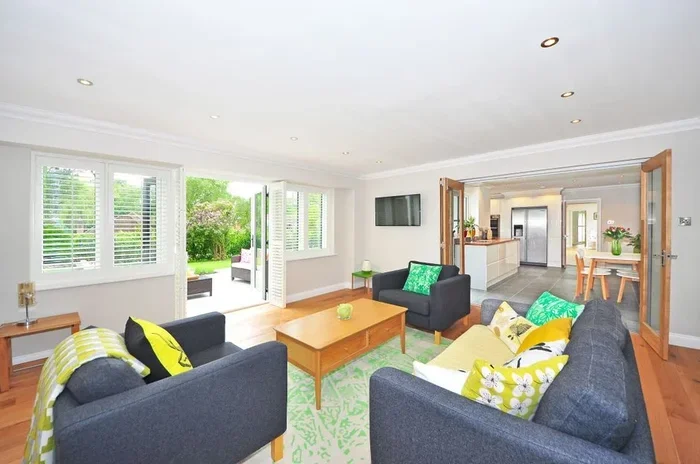
Your sofa is the biggest piece of furniture in the room, so it deserves attention. A bright yellow sofa, a teal accent chair, or a deep blue sectional can set the entire color story. You do not need to match everything perfectly. In fact, a little contrast looks more interesting.
Here are some tips for choosing colorful furniture:
- Start with one bold piece and build around it.
- Choose furniture in a color you already love from another item in the room.
- Do not be afraid of velvet, leather, or fabric textures in vivid shades.
- Consider secondhand or vintage pieces for unique colorful decor finds.
Mixing Patterns and Colors
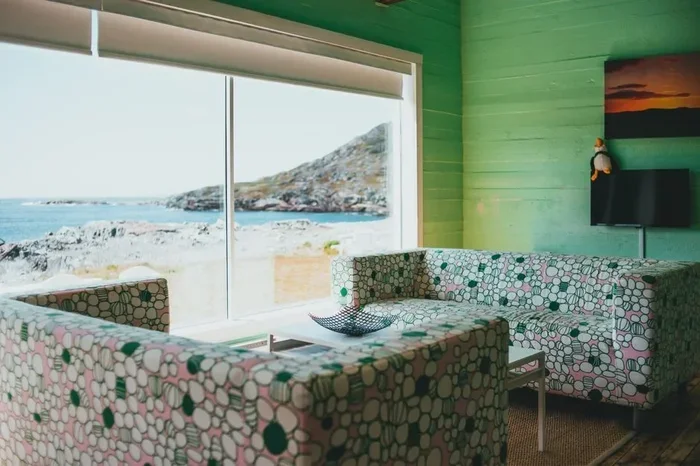
One of the biggest fears people have is mixing too many colors and patterns. But when you follow a color coordination plan, mixing becomes fun. Pick one pattern that includes your main colors, and then add a smaller pattern that shares at least one of those colors.
For instance, if your sofa is navy and your walls are white, a striped throw pillow with navy, white, and gold ties everything together. A colorful area rug underneath can pull the whole seating arrangement into one cohesive look.
Adding Color Through Accessories and Textiles
Not ready to commit to big furniture changes? No problem. Accessories and textiles are the easiest and most affordable way to add bright home interiors color. You can swap them out anytime you want a fresh look.
Throw Pillows and Blankets
Throw pillows are the secret weapon of every great colorful living room. They are cheap, easy to swap, and come in every color and pattern imaginable. Layer pillows of different sizes and textures on your sofa and chairs for a polished look.
Use your accent color from your palette as the main pillow color. Then mix in neutral tones like white, beige, or gray to give the eyes a place to rest. A colorful blanket draped over the arm of your sofa adds warmth and style at the same time.
Curtains and Rugs That Pop
Curtains frame your windows and draw the eye upward, making them a perfect place to add color. Instead of plain white curtains, try a rich teal, warm mustard, or soft blush. Your curtains will instantly become a design element that anchors the room.
Rugs work the same way. A colorful area rug under your coffee table defines the seating area and adds a pop of color from the ground up. Choose a rug that includes at least two colors from your palette, and you will have a natural bridge between your furniture and walls.
Wall Art and Decorative Objects
Colorful artwork is one of the most impactful ways to bring life to a room. A large painting or print above your sofa can serve as the room’s centerpiece. Gallery walls with a mix of colorful frames and prints add personality and tell your story.
Do not forget about smaller decorative objects either. Vases, candles, books, and trays in coordinating colors round out the look. The key is to group items together in odd numbers, like groups of three or five, for a more natural and pleasing arrangement.
Painting and Wall Ideas for a Colorful Living Room
Walls are your biggest canvas. A fresh coat of paint can completely change the energy of a room. If you are ready to take the leap, painting is one of the most rewarding ways to create colorful living room decor.
Accent Walls: A Safe Way to Go Bold
Not sure about painting all four walls a bold color? Start with an accent wall. This is one wall painted in a bold wall color while the other walls stay neutral. It creates a stunning focal point without overwhelming the space.
Choose the wall that has the most natural light or the wall behind your main furniture. A deep emerald green, a warm terracotta, or a rich mustard yellow all make gorgeous accent wall colors. Pair it with neutral furniture and let the wall do the heavy lifting.
Creative Wall Techniques
If a solid color feels too plain, try a creative wall technique. These add texture and visual interest while still keeping things colorful:
- Color blocking: Paint two or three sections of the wall in different colors for a modern, geometric look.
- Ombre effect: Blend one color from dark to light for a dreamy, artistic feel.
- Stenciling: Use a stencil to add a repeating pattern in a contrasting color.
- Wallpaper accent: A removable wallpaper panel adds pattern and color without permanent commitment.
These techniques work especially well in eclectic decor spaces where you want the walls to feel like part of the art.
Budget-Friendly Ways to Add Color
You do not need a big budget to create a colorful living room. Some of the best design tricks cost very little or nothing at all. Here are some smart ways to add color without breaking the bank.
DIY Projects That Make a Big Impact
DIY projects let you customize your space for free or very little cost. Try painting old picture frames in bright colors and re-hanging your artwork. Create a no-sew throw pillow cover using fabric in a bold print. Or stretch a colorful fabric over a plain lamp base for an instant upgrade.
These small projects add up fast. Before you know it, your room will feel completely transformed, and you will have spent almost nothing.
Thrift Stores and Secondhand Finds
Thrift stores are goldmines for colorful decor. You can find unique chairs, vases, lamps, and artwork in vibrant colors for a fraction of retail prices. The key is to look past the current condition and focus on the color and shape. A quick paint job or new fabric cover can breathe new life into almost any secondhand find.
Set a budget of just $20-$50 per trip, and you will be amazed at what you can find. Each piece adds character and color that mass-produced items simply cannot match.
Rearranging and Reaccessorizing
Sometimes the simplest trick is the most effective. Move your furniture to a new arrangement. Swap the locations of your accessories. Add a new colorful throw blanket to the couch. Rearrange your bookshelf so your colorful books face out. These small changes can make a living room makeover feel brand new.
The goal is to refresh the room without buying anything new. You will be surprised how much difference a fresh arrangement makes.
Common Mistakes to Avoid
Even with the best intentions, it is easy to make mistakes when adding color to your living room. Here are a few pitfalls to watch out for:
- Using too many colors: More than four or five colors can make a room feel chaotic. Stick to your palette.
- Ignoring the lighting: Colors look different in natural light versus artificial light. Test paint samples on your wall first.
- Forgetting about flow: Your colorful living room decor should connect to the rest of your home. Use similar tones in nearby rooms.
- Skipping the neutrals: Pure color everywhere is exhausting. Neutral tones give your eyes a break and make the colors pop more.
- Matching everything perfectly: Perfect matching looks stiff. Instead, aim for harmony and a little playful contrast.
Avoiding these mistakes will save you time, money, and frustration. Your room will look more polished and intentional from day one.
Expert Tips for a Lasting Colorful Design
Interior designers agree on a few principles that make colorful home interiors last beyond a passing trend. Here is what the pros recommend:
- Anchor with neutrals: Let neutral furniture and floors ground your colorful choices. This creates a timeless feel.
- Add texture: Mix velvet, woven fabrics, wood, and metal to give your colors more dimension.
- Think in layers: Build color from the floor up, starting with your rug and working toward the ceiling.
- Use nature as inspiration: Look at sunsets, gardens, and oceans for beautiful color combinations that never go out of style.
- Trust your gut: At the end of the day, your home should make you happy. If a color makes you smile, it is the right choice.
These expert insights help you create a space that feels both stylish and personal. Your colorful living room should reflect who you are and how you want to feel every day.
Conclusion
Creating a colorful living room decor is easier than you think. You do not need a huge budget or professional skills. You just need a plan, a willingness to experiment, and a love for color. Start with a simple palette, add a few bold pieces, and build from there. Every pillow, every rug, every painted wall brings you closer to the vibrant home you have always wanted.
The beauty of a vibrant living room is that it grows with you. You can swap out accessories each season, try a new accent wall, or add a colorful piece of furniture when the mood strikes. Your living room should always feel alive and full of energy. So go ahead, pick your favorite colors, and start transforming your space today. Your cheerful, colorful home is waiting for you.
Frequently Asked Questions
What colors make a living room look bigger?
Light and neutral colors like white, cream, soft gray, and pale blue make a living room feel more open and spacious. You can add colorful living room decor accents in brighter shades to keep the room from feeling boring while still maintaining that airy feel.
How do I choose a color palette for my living room?
Start by picking two or three colors you love and use the 60-30-10 rule to distribute them. Choose one dominant color, one secondary color, and one accent color. Look at nature, art, or even your favorite clothing for color inspiration that feels right to you.
Can I mix bold colors in a small living room?
Yes, you can. The key is to use bold colors as accents rather than covering large surfaces. A colorful area rug, throw pillows, and artwork in bold shades add energy without overwhelming a small space. Keep the walls and large furniture in lighter neutrals to balance things out.
What is the easiest way to add color to a living room?
Throw pillows and blankets are the quickest and cheapest way to add bright home interiors color. You can also swap out curtains, add a new rug, or hang colorful artwork. These changes take minutes but make a huge visual impact.
Should my living room match the rest of my house?
There should be a sense of flow between rooms, but they do not need to match exactly. Use similar color coordination tones or shared accent colors to create a connection. Each room can still have its own unique personality and mood.
Are there timeless color combinations for living rooms?
Yes, combinations like navy and gold, teal and white, and sage green with cream are timeless and elegant. These colorful decor pairings work because they balance boldness with neutral grounding, making them stylish for years to come.