Classic Living Room Decor Ideas That Never Go Out of Style
Classic living room decor brings warmth, elegance, and timeless charm to any home. You will learn how to use neutral color palettes, upholstered furniture, and vintage accessories to create a space that feels both inviting and refined. These timeless living room design ideas work for any budget and any home size.
There is something magical about a classic living room decor that just feels right. It is warm. It is inviting. It does not chase trends or look dated the moment a new style pops up. Whether you are decorating from scratch or simply refreshing a space you have lived in for years, timeless design choices can completely transform how your living room feels and functions.
The beauty of traditional decor lies in its simplicity. You do not need a massive budget or a huge room to pull it off. A few well-chosen pieces, a thoughtful color plan, and a bit of creativity go a long way. In this guide, we will walk you through everything you need to know about creating a classic living room that feels elegant, comfortable, and truly yours.
We will cover color schemes, furniture selection, lighting, accessories, and layout tips. By the end, you will have a clear roadmap to build a space that looks polished and feels like home. Let us dive in.
Key Takeaways
- Neutral tones and warm hues form the foundation of classic living room decor and make any space feel cozy and elegant.
- Upholstered furniture like sofas and wingback chairs anchor a traditional living room with comfort and style.
- Layering textures through throw pillows, area rugs, and curtains adds depth without cluttering the room.
- Statement lighting such as chandeliers and table lamps sets the mood and ties the whole room together.
- Vintage and heirloom accessories give your living room character and a sense of personal history.
- Symmetry and balance in furniture placement create a harmonious and timeless feel.
- Rich wood tones and natural materials like leather and linen elevate the overall look of a classic room.
📑 Table of Contents
- Why Classic Living Room Decor Stands the Test of Time
- Choosing the Right Color Palette for a Classic Living Room
- Selecting Elegant Furniture for Your Classic Living Room
- Lighting That Sets the Mood in a Classic Living Room
- Accessorizing with Style: The Finishing Touches
- Arranging Your Furniture for Balance and Flow
- Adding Warmth with Textures and Materials
- Bringing in Personal Touches and Heirloom Pieces
- Budget-Friendly Tips for Achieving a Classic Look
- Conclusion
Why Classic Living Room Decor Stands the Test of Time
Trends come and go. But a well-designed classic living room stays beautiful for decades. Think about the rooms you have seen in old movies or historic homes. They feel calm, balanced, and put together. That is the power of timeless design.
When you choose timeless living room design, you invest in pieces that hold their value. A quality sofa or a beautiful wooden coffee table does not lose its appeal after a few years. Instead, it only gains character over time. This makes classic living room decor not just a style choice but a smart financial decision too.
Another reason this style endures is its flexibility. You can mix modern touches with traditional elements without the room feeling stuck in the past. A classic sofa paired with a sleek lamp or a contemporary art piece creates a look that feels both grounded and fresh. This balance is what makes traditional decor so appealing to so many homeowners.
The Psychology of Timeless Spaces
Our surroundings affect our mood more than we realize. A room filled with harsh colors and sharp angles can feel stressful. On the other hand, a space designed with warm tones and soft textures promotes relaxation. Classic living room decor naturally leans toward comfort and harmony, which is why people feel so at ease in these rooms.
Studies in environmental psychology show that familiar design patterns reduce anxiety. When your living room reflects a style that feels “right” and “safe,” you unwind faster. This is one of the biggest benefits of sticking with elegant furniture and traditional design principles for your main living space.
Choosing the Right Color Palette for a Classic Living Room
Color sets the tone for everything else in your room. When it comes to classic living room decor, neutral and warm tones dominate the scene. Think cream, beige, soft gray, taupe, and warm white. These colors create a calm backdrop that lets your furniture and accessories shine.
You can also add depth with richer accents. Navy blue, forest green, burgundy, and deep gold work beautifully as secondary colors. They add warmth and sophistication without overwhelming the space. The key is to keep the balance right. Use the neutral tones for your walls and large furniture pieces, and bring in the deeper colors through smaller items like cushions, throws, and artwork.
Building a Cohesive Color Scheme
Start by picking one main color for your walls. A soft warm white or cream works wonders in almost any room. Next, choose your furniture color. Rich wood tones like mahogany, walnut, and oak pair perfectly with warm neutrals. Then add two or three accent colors through textiles and decor items.
Here are some proven color combinations for classic living room decor:
- Cream and navy blue: A timeless pairing that feels refined and calming.
- Beige and forest green: Brings a natural, earthy elegance to any room.
- Soft gray and burgundy: Adds a touch of drama while keeping things sophisticated.
- Warm white and gold accents: Creates a bright, airy feel with a hint of luxury.
- Taupe and dusty rose: A softer approach that feels warm and welcoming.
Stick to three to four colors total. This keeps the room looking cohesive and prevents it from feeling chaotic. Neutral color palette choices also make it easy to swap out small items like pillows or curtains without redoing the entire room.
Selecting Elegant Furniture for Your Classic Living Room
Furniture is the backbone of any living room. When you are going for a classic living room look, choose pieces that feel substantial and well-crafted. Avoid flimsy or overly modern designs. Instead, focus on furniture with clean lines, quality materials, and a sense of permanence.
The classic sofa should be your anchor piece. Look for options with rolled arms, tailored upholstery, and a comfortable seat depth. Leather and linen are excellent fabric choices. They age beautifully and add texture to the room. A upholstered furniture set that includes a sofa and matching armchairs creates a cohesive seating area that feels complete.
Essential Furniture Pieces for a Timeless Look
Every classic living room needs a few key pieces to pull the whole look together:
- A quality sofa: Go for a three-seater with tapered legs and tailored cushions.
- Armchairs: Wingback chairs or club chairs add classic charm and extra seating.
- A wooden coffee table: Choose one with storage and a finish that complements your wood tones.
- A sideboard or console: This provides storage and a surface for displaying decor items.
- A statement bookshelf: Filled with books and curated objects, it adds personality and warmth.
When shopping for elegant furniture, pay attention to the wood finish. Rich wood tones like dark walnut, cherry, or mahogany instantly elevate the room. If you are on a budget, look for solid wood pieces at secondhand stores or online marketplaces. A well-made piece from decades ago often looks better than something brand new at twice the price.
Lighting That Sets the Mood in a Classic Living Room
Lighting can make or break a room’s atmosphere. For classic living room decor, you want layered lighting that serves both function and style. A single overhead light is rarely enough. Instead, combine different light sources to create warmth and depth.
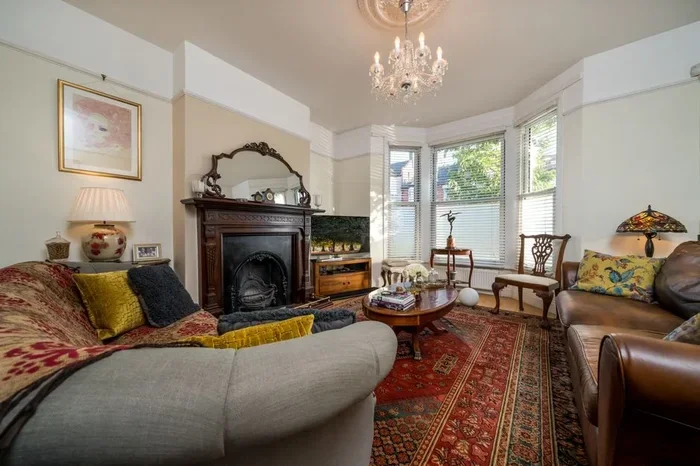
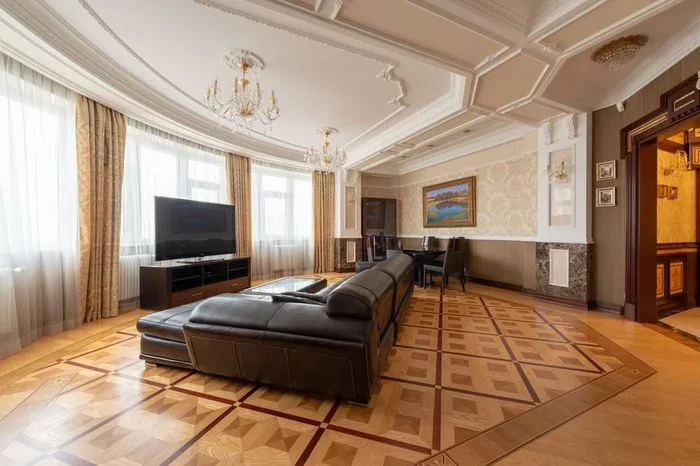
Chandelier lighting is a hallmark of traditional design. A crystal or brass chandelier hung above the seating area instantly adds a touch of elegance. If a chandelier feels too formal, a pendant light with a classic shade works just as well. The key is to choose a fixture that complements your furniture style and room size.
Layering Your Light Sources
Start with ambient lighting from your main fixture. This provides general illumination for the room. Next, add task lighting. A table lamp on your sideboard or a floor lamp next to your reading chair makes everyday activities easier and more enjoyable.
Finally, include accent lighting. Small LED strips behind a bookshelf or a candle on the mantel create a cozy glow that makes the room feel inviting at night. Dimmer switches are a game-changer here. They let you adjust the brightness based on the time of day and the mood you want to set.
When choosing lighting fixtures for your classic living room, look for materials like brass, bronze, crystal, and fabric shades. These materials feel warm and timeless. Avoid harsh LED strips with cool white light. Instead, opt for warm bulbs that mimic the glow of incandescent light. This small change can completely transform the feel of your room.
Accessorizing with Style: The Finishing Touches
This is where your personality really comes through. Accessories are the details that turn a nicely furnished room into a classic living room that feels like home. The trick is to curate thoughtfully rather than filling every surface with objects.
Start with the basics. A beautiful area rug under your seating group ties the furniture together and adds warmth underfoot. Choose a rug with a subtle pattern or a solid color that complements your palette. Classic curtains in a lightweight fabric like linen or cotton soften the windows and add texture to the room.
Vinyl and Textile Accessories That Make a Difference
Throw pillows and blankets are simple but powerful tools in classic living room decor. Mix different textures like velvet, linen, and cotton to add visual interest. Stick to your color scheme and choose patterns that are classic and understated. Stripes, subtle florals, and solid colors work best.
Ornamental mirrors are another secret weapon. They bounce light around the room and make it feel larger. A large mirror above the fireplace or a smaller one on the sideboard adds a touch of traditional decor elegance. Statement furniture pieces like a decorative tray, a vintage clock, or a ceramic vase give surfaces a curated look without feeling cluttered.
Books also make wonderful accessories. Stack a few beautifully bound books on your coffee table or sideboard. Add a small plant or a vase of fresh flowers for a touch of life. These small touches make the room feel cared for and lived in.
Common Mistakes to Avoid When Decorating
Even the best intentions can lead to missteps. Here are some common mistakes people make when styling a classic living room:
- Overcrowding the room: Too much furniture or too many accessories make the space feel cramped and chaotic. Leave breathing room.
- Ignoring scale: A tiny lamp on a large sideboard or an oversized sofa in a small room throws off the balance. Choose furniture that fits the space proportionally.
- Mixing too many styles: While mixing is fine, going overboard with conflicting styles creates visual confusion. Stick to a cohesive vision.
- Skipping the rug: A room without an area rug feels unfinished and cold. The rug anchors the seating area and adds comfort.
- Using harsh lighting: Bright, cool-toned lighting kills the cozy atmosphere. Warm, layered lighting is essential for a classic feel.
Avoiding these pitfalls keeps your classic living room decor looking polished and intentional. Less is almost always more when it comes to traditional design.
Arranging Your Furniture for Balance and Flow
The way you place your furniture matters just as much as the pieces themselves. Symmetry and balance are core principles of classic living room decor. A well-arranged room feels natural and easy to move through.
Start by identifying the focal point of the room. This could be a fireplace, a window with a beautiful view, or a television wall. Arrange your seating to face this focal point. The classic sofa usually sits opposite the main focal point, with armchairs on either side to create a welcoming conversation area.
Creating Zones in Open-Plan Spaces
If your living room flows into a dining area or kitchen, use furniture arrangement to define separate zones. An area rug under the seating group signals where the living room begins. A console table or a bookshelf can act as a soft divider without blocking the flow of the space.
Leave enough space between furniture pieces for easy movement. Walkways should be at least 30 inches wide. This might seem like a lot, but it makes a huge difference in how the room feels. A room that is easy to navigate always looks and functions better.
Finally, consider the traffic flow. People should be able to move from the entrance to the seating area without squeezing past furniture. This practical consideration often gets overlooked but it makes your classic living room feel welcoming from the moment someone walks in.
Adding Warmth with Textures and Materials
Texture is the unsung hero of classic living room decor. It adds depth, interest, and a sense of luxury without requiring a bold color choice. Mixing different materials creates a room that feels rich and layered.
Start with your largest textiles. A plush area rug in a soft material like wool or cotton adds warmth to the floor. Classic curtains in linen or velvet frame the windows and soften the light. On the sofa, a mix of velvet and linen throw pillows creates a tactile experience that invites people to sit and stay awhile.
Wood is another essential material. Rich wood tones from furniture, flooring, or shelving add natural warmth and grounding. Leather, especially in warm caramel or cognac shades, pairs beautifully with wood and adds a touch of refined ruggedness. Metal accents in brass or bronze through light fixtures, picture frames, or decorative objects tie the room together with a subtle shine.
The key to successful layering is variety without chaos. Choose three to four textures and stick with them throughout the room. This approach keeps things cohesive while adding the visual and tactile interest that makes a classic living room feel truly special.
Bringing in Personal Touches and Heirloom Pieces
The most beautiful classic living room is one that tells a story. Personal touches and heirloom pieces give the room soul and make it uniquely yours. These items might include a grandmother’s sewing table, a framed family photo, or a collection of vintage books.
You do not need to fill the room with antiques to achieve this effect. Even a single meaningful object can anchor a conversation and spark joy every time someone sees it. Combine these personal items with vintage accessories like old maps, vintage vases, or retro clocks to create a layered look that feels collected over time rather than purchased all at once.
One of the best things about classic living room decor is that it embraces imperfection and history. A slightly worn leather chair or a faded Persian rug adds character that no brand-new piece can replicate. These elements remind us that a home is not just a showroom. It is a living space filled with memories and meaning.
Budget-Friendly Tips for Achieving a Classic Look
You do not need a fortune to create a stunning classic living room. With smart choices and a bit of creativity, you can achieve a timeless look on almost any budget.
Start with what you already have. Rearrange your existing furniture to improve the flow and balance of the room. Add a few new throw pillows or a fresh area rug to update the look without a major investment. Paint is another affordable transformation tool. A fresh coat of warm white or cream on the walls can completely change the feel of the space.
Thrift stores, estate sales, and online marketplaces are goldmines for classic living room decor finds. A well-made wooden side table or a set of brass candlesticks from decades past often looks better than modern reproductions. Learn to see the potential in pieces that need a little love. A fresh coat of paint, new hardware, or simple reupholstering can breathe new life into old furniture.
Focus your budget on the pieces you use every day. The sofa, the coffee table, and the main lighting fixture deserve the most attention. Smaller accessories can always be added over time. This approach lets you build a beautiful room gradually without financial stress.
Quick Tips for a Classic Living Room Makeover
- Repaint walls in a warm neutral tone to instantly refresh the room.
- Add a statement furniture piece like a wooden credenza or a tufted ottoman.
- Swap out harsh light bulbs for warm-toned ones to create a cozy glow.
- Layer a vintage throw blanket over the sofa for texture and color.
- Group decorative objects in odd numbers for a more natural, curated look.
- Use ornamental mirrors to reflect light and make the room feel larger.
Conclusion
Classic living room decor is about more than just looking good. It is about creating a space that feels warm, welcoming, and truly yours. By choosing a neutral color palette, investing in quality elegant furniture, layering rich wood tones and textures, and adding personal touches, you can build a room that stands the test of time.
Remember that the best classic living room is one that reflects who you are. Do not be afraid to mix in pieces that tell your story. Whether it is a family heirloom, a flea market find, or a simple vase of fresh flowers, these details make the room come alive. Start with the basics, build gradually, and enjoy the process of creating a space you will love for years to come.
Classic living room decor does not have to be complicated or expensive. It just requires a bit of intention, a love for quality, and an eye for what feels right. Trust your instincts, have fun with it, and let your living room become the heart of your home.
Frequently Asked Questions
What colors work best for classic living room decor?
Neutral and warm tones like cream, beige, soft gray, and taupe form the foundation. You can add depth with accent colors like navy blue, forest green, burgundy, or gold. Stick to three or four colors total to keep the room looking cohesive and elegant.
How can I make a small living room look classic and spacious?
Choose furniture with slim profiles and tapered legs to create a sense of openness. Use a light neutral color palette on the walls to make the room feel brighter. A large ornamental mirror and layered warm lighting also help create the illusion of more space while maintaining a timeless feel.
What is the best fabric for a classic sofa?
Leather and linen are the top choices for classic living room decor. Leather ages beautifully and adds a refined touch, while linen offers a soft, relaxed elegance. Both materials are durable and work well with traditional design principles.
Do I need to buy all new furniture for a classic look?
Not at all. You can achieve a classic living room by rearranging existing pieces, adding new textiles like throw pillows and curtains, and incorporating a few vintage or secondhand finds. A fresh coat of paint on old furniture can also transform its appearance dramatically.
How do I balance classic decor with a modern feel?
Start with a neutral color palette and classic furniture pieces, then add modern accents like sleek lighting or contemporary artwork. The key is to keep the foundation traditional and let modern elements serve as thoughtful accents rather than dominating the room.
What are the must-have accessories for a classic living room?
A well-chosen area rug, layered throw pillows, classic curtains, and a statement mirror are essential. Add personal touches like family photos, curated books, and fresh flowers to give the room warmth and character. These small details make all the difference in achieving a truly timeless look.