Stunning Asian Living Room Ideas to Inspire Your Home
Transform your living room with breathtaking Asian living room ideas that blend simplicity, culture, and timeless beauty. From Japanese Zen minimalism to Chinese-inspired elegance, these design tips help you create a peaceful retreat in any home. Learn how to use natural materials, calming colors, and authentic accessories to achieve the look.
Your living room is more than just a space to relax. It is the heart of your home. And when you decorate it with Asian living room ideas, something magical happens. The room feels calmer. It feels more balanced. It feels like a retreat from the busy world outside.
Asian interior design has been winning hearts around the globe. People love the clean lines, the natural textures, and the peaceful energy these spaces create. Whether you are drawn to Japanese minimalism, Chinese elegance, or the warmth of Southeast Asian style, there is something for everyone. In this guide, we will walk you through the best Asian living room ideas. You will learn how to bring this beautiful aesthetic into your own home, no matter your budget or space size.
Key Takeaways
- Asian design principles focus on simplicity, balance, and harmony to create calming spaces.
- Japanese Zen living rooms use minimal furniture, natural light, and neutral tones for a tranquil feel.
- Chinese-inspired decor adds bold colors, ornate details, and symbolic art pieces.
- Bamboo, rice paper, and stone are essential materials that define authentic Asian interiors.
- Feng shui tips can improve the energy flow and overall feel of your living room.
- You don’t need a big budget to achieve an Asian-inspired look with smart DIY choices.
📑 Table of Contents
- What Makes Asian Living Room Ideas So Special
- Japanese Zen Living Room Ideas
- Chinese-Inspired Living Room Design
- Korean and Southeast Asian Living Room Touches
- How to Create an Asian Living Room on Any Budget
- Common Mistakes to Avoid with Asian Decor
- Expert Insights on Asian Living Room Design
- Key Takeaways
- Final Thoughts
What Makes Asian Living Room Ideas So Special
Asian design is not just about looks. It is a philosophy. It is about creating harmony between people and their surroundings. Every element in an Asian-inspired room has a purpose. Nothing is there just for decoration. This intentional approach is what makes these spaces feel so peaceful and welcoming.
The core principles come from different cultures across Asia. Japanese design emphasizes simplicity and imperfection. Chinese design focuses on balance and symbolism. Southeast Asian design brings warmth and nature indoors. When you mix these ideas thoughtfully, you get a living room that feels both timeless and fresh.
Key Elements of Asian Design
- Natural materials like wood, bamboo, stone, and rice paper
- Neutral and earthy color palettes with pops of red, gold, or jade green
- Low-profile furniture that keeps the space open and airy
- Clean lines with minimal clutter
- Natural light and soft ambient lighting
- Meaningful decor such as calligraphy, scroll art, and plants
These elements work together to create a room that feels grounded and serene. The beauty of Asian living room ideas is that they are flexible. You can go all-in or add just a few touches. Either way, the result is a space that feels intentional and calm.
Japanese Zen Living Room Ideas
Japanese interior design is probably the most popular style when people think of Asian living rooms. And for good reason. The Zen approach strips away the unnecessary and focuses on what truly matters. The result is a space that feels like a deep breath for your soul.
Embrace Minimalism
Japanese Zen design is all about less is more. You do not need a lot of furniture. A low sofa or floor cushions work perfectly. A simple wooden coffee table keeps the look clean. The goal is to leave plenty of open space. This empty space is not wasted. It gives your eyes room to rest. It creates a feeling of calm.
Start by clearing out clutter. Remove anything that does not serve a purpose or bring you joy. Keep only the essentials. A few well-chosen pieces will look far more impactful than a room full of stuff.
Use Natural Materials
Wood, bamboo, and linen are the stars of Japanese design. Choose a wooden coffee table with a natural finish. Use bamboo blinds on your windows instead of heavy curtains. Drape linen throws over your sofa for texture. These materials connect your living room to nature. They also age beautifully, which fits the Japanese concept of wabi-sabi, which celebrates the beauty of imperfection and aging.
Incorporate Soft Lighting
Lighting makes or breaks an Asian living room. Avoid harsh overhead lights. Instead, use soft, warm lighting. Paper lanterns are a classic choice. They cast a gentle glow that feels instantly relaxing. You can also use floor lamps with fabric shades or candles placed on wooden trays. The key is to create layers of light that feel gentle and inviting.
Add Japanese Art and Accessories
Hang a simple scroll painting on the wall. Place a small bonsai tree on a wooden shelf. Use ceramic vases with dried branches. These touches add character without clutter. Japanese art tends to be simple and symbolic. A single piece of calligraphy can say more than a gallery wall ever could.
Chinese-Inspired Living Room Design
While Japanese design whispers, Chinese design speaks with confidence. It is bold, rich, and full of meaning. Chinese living room ideas bring warmth, prosperity symbolism, and a sense of grandeur to any space.
Play with Bold Colors
Red, gold, black, and deep green are the foundation of Chinese color schemes. Red symbolizes luck and joy. Gold represents wealth and prosperity. You do not need to paint your walls red. Instead, use these colors through accessories. Red throw pillows on a neutral sofa work beautifully. A gold-framed mirror adds elegance. A black and red scroll art piece becomes a focal point.
Choose Ornate Furniture
Chinese furniture often features intricate carvings and dark wood tones. Look for pieces with dragon or phoenix motifs if you want authentic details. A carved wooden coffee table or a lacquered cabinet can become the centerpiece of your room. If real antique pieces are out of reach, many modern brands offer Asian-inspired furniture with similar details at affordable prices.
Incorporate Symbolic Decor
Chinese decor is rich with symbolism. Koi fish art represents abundance. Peony flowers symbolize wealth and honor. Dragons and phoenixes bring good fortune. You do not need to go overboard. A single meaningful piece can anchor the room. Pair it with simpler furniture so the art can shine.
Use Screens and Room Dividers
Chinese folding screens, known as room dividers, are both functional and decorative. They add depth to your living room. They also create a sense of mystery and flow. Place one behind your sofa to add a backdrop. Use a screen to define a reading nook within your larger space.
Korean and Southeast Asian Living Room Touches
Korean and Southeast Asian design bring a different energy to Asian living room ideas. These styles are warm, earthy, and deeply connected to nature. They add a cozy, welcoming feel that works beautifully in modern homes.
Korean Design: Hanok Influence
Korean interior design draws from the traditional Hanok style. It values natural materials, curved lines, and a connection to the outdoors. Use warm wood tones and soft, neutral fabrics. Korean decor tends to feel gentle and understated. A low wooden dining table with floor cushions captures this vibe perfectly. Add a few potted plants and simple ceramic bowls for an authentic touch.
Southeast Asian Warmth
Southeast Asian design brings texture and color. Think rattan chairs, silk cushions, and carved wooden panels. Thai and Balinese styles often use earthy tones like terracotta, sand, and deep brown. Add a rattan coffee table or woven wall baskets to bring this warmth into your space. The layered textures make the room feel rich and inviting.
Plants as Living Decor
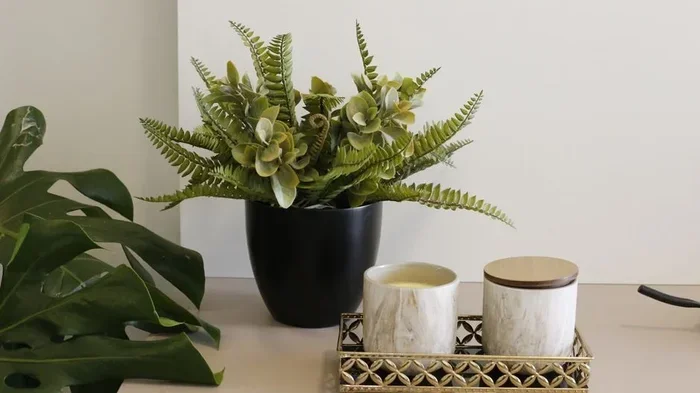
Across all Asian styles, plants play a vital role. They bring life, color, and clean energy into the room. Bamboo plants are a classic choice. Peace lilies and rubber trees work well too. Place plants in simple ceramic pots or woven baskets. A single tall plant in a corner can transform the entire feel of your living room.
How to Create an Asian Living Room on Any Budget
One of the best things about Asian living room ideas is that they do not require a huge budget. You can achieve this look with thoughtful, affordable choices. Here is how to get started.
Start with Paint and Lighting
The easiest and cheapest way to transform a room is through paint. Choose a warm white, soft beige, or light gray for your walls. These neutral tones are the foundation of Asian design. Next, swap out harsh light bulbs for warm ones. Add a paper lantern or two. These small changes make a big difference.
Shop for Affordable Asian-Inspired Furniture
You do not need authentic antiques. Many retailers offer Asian-style furniture at reasonable prices. Look for low-profile sofas, wooden side tables, and bamboo chairs. Second-hand stores and online marketplaces are goldmines for unique pieces. A simple wooden stool or a woven rug can set the tone for the entire room.
DIY Decor Projects
Get creative with DIY Asian decor. Make your own paper lanterns. Frame a piece of calligraphy or nature photography in a simple wooden frame. Create a small herb garden on a windowsill. These personal touches add authenticity and save money. They also make your space truly unique.
Accessorize Thoughtfully
Accessories bring an Asian living room to life. Start with a few key pieces. A bamboo tray on your coffee table. A set of chopstick-style vases. A silk cushion in a traditional pattern. Go slow. Add items one at a time. This prevents clutter and lets each piece shine.
Common Mistakes to Avoid with Asian Decor
Even with the best intentions, it is easy to make mistakes when decorating with Asian living room ideas. Here are some pitfalls to watch out for.
Overdoing It
The biggest mistake is adding too many Asian elements at once. This can feel forced and cluttered. Start with one or two pieces. See how they look. Then add more gradually. Less is always more in Asian design.
Mixing Too Many Asian Styles
Japanese, Chinese, Korean, and Southeast Asian styles each have their own identity. Mixing them randomly can create confusion. Pick one style as your base. You can borrow small elements from others, but keep the main direction clear and consistent.
Ignoring Function
Asian design values both beauty and function. Do not choose pieces just because they look good. Make sure your furniture is comfortable and practical. A beautiful low table is not worth it if you cannot use it easily every day.
Forgetting About Flow and Space
Asian design respects open space. Do not push furniture against every wall. Leave room to breathe. Arrange your furniture so that people can move freely through the space. This creates the peaceful energy that Asian design is known for.
Expert Insights on Asian Living Room Design
Interior designers who specialize in Asian aesthetics share a few valuable insights. First, they stress the importance of intentionality. Every item in the room should have a reason for being there. Second, they recommend paying attention to texture. The combination of smooth wood, rough bamboo, soft linen, and cool stone creates a sensory experience that makes the room feel alive. Finally, they suggest spending time in the space before decorating. Notice where the light falls. Where do your eyes naturally go? Let the room guide your design choices.
Another expert tip is to think about the five elements of feng shui: wood, fire, earth, metal, and water. Incorporating these elements through your furniture, colors, and accessories creates a balanced and harmonious living room. For example, a wooden bookshelf represents wood. A candle or lamp represents fire. A stone statue represents earth. A metal picture frame represents metal. A small water fountain or blue accent represents water. When these elements are in balance, the room feels naturally peaceful.
Key Takeaways
- Asian living room ideas focus on simplicity, balance, and harmony to create calming spaces.
- Japanese Zen design uses minimal furniture, natural light, and neutral tones for a tranquil feel.
- Chinese-inspired decor adds bold colors, ornate details, and symbolic art pieces.
- Bamboo, rice paper, and stone are essential materials that define authentic Asian interiors.
- Feng shui principles can improve the energy flow and overall feel of your living room.
- You do not need a big budget to achieve an Asian-inspired look with smart DIY choices.
- Avoid clutter and mixing styles to keep your Asian living room looking intentional and elegant.
Final Thoughts
Asian living room ideas offer a beautiful way to transform your home into a peaceful sanctuary. The design principles are simple but powerful. Use natural materials. Choose calming colors. Keep things simple. Add meaningful decor. The result is a living room that feels both stylish and serene.
Remember, this is your space. Make it your own. Start small if you need to. A single bamboo plant, a soft paper lantern, or a hand-painted scroll can change the entire mood of your room. The beauty of Asian design is that it grows with you. As you add pieces over time, your living room will develop its own unique character and warmth.
So go ahead. Bring some Asian inspiration into your home. Your future self will thank you every time you walk into a room that feels calm, balanced, and beautifully designed. Happy decorating!
Frequently Asked Questions
What are the best colors for an Asian living room?
Neutral tones like warm white, beige, soft gray, and light wood work best as a base. You can add accent colors like red, gold, jade green, or deep blue through pillows, art, and accessories. These colors reflect the traditional Asian color palette while keeping the room modern and fresh.
How can I make my living room look Asian without spending a lot?
Start with affordable changes like warm lighting, a simple bamboo rug, or a few silk cushions. DIY projects like paper lanterns or framed calligraphy prints add authentic touches at low cost. Focus on one or two key pieces and build from there gradually.
What furniture works best for an Asian-inspired living room?
Low-profile furniture is ideal. Think low sofas, wooden coffee tables, and floor cushions. Choose pieces made from natural materials like wood, bamboo, or rattan. The furniture should be simple in design with clean lines. Avoid bulky or overly ornate pieces unless you are going for a Chinese-inspired look.
Is feng shui important for Asian living room design?
Feng shui is not required, but it can greatly enhance your space. It focuses on the flow of energy through thoughtful placement of furniture and decor. Even basic feng shui principles, like keeping pathways clear and adding natural elements, can make your living room feel more balanced and peaceful.
Can I mix Asian design with modern decor?
Absolutely. Asian living room ideas pair beautifully with modern and contemporary styles. The clean lines and neutral tones of Asian design complement modern furniture perfectly. Try mixing a low Asian-style sofa with a modern coffee table, or adding Asian accessories to a minimalist room for a fusion look.
What plants are best for an Asian living room?
Bamboo plants, peace lilies, jade plants, and rubber trees are excellent choices. They are easy to care for and fit the Asian aesthetic perfectly. Place them in simple ceramic pots or woven baskets. A single tall plant in a corner adds a beautiful natural element to the room.