White and Wood Living Room Inspiration for Every Home
A white and wood living room brings warmth, elegance, and a timeless feel to any home. This guide shares practical tips, design inspiration, and expert advice on combining white walls with natural wood furniture to create a space that feels both cozy and stylish. Whether you prefer a modern minimalist look or a rustic charm, you will find ideas that work for your home.
A white and wood living room has a special kind of magic. It feels open, warm, and welcoming all at once. This combination has been a favorite among interior designers for years, and for good reason. White walls reflect light and make spaces feel larger, while wood adds texture, character, and a grounded feel. Together, they create a backdrop that works with almost any decor style.
Whether you are starting from scratch or simply refreshing your current setup, this guide will walk you through everything you need to know. We will cover design ideas, furniture choices, color palettes, and practical tips to help you pull off this look with confidence. By the end, you will have a clear roadmap to build a living room that feels both beautiful and livable.
The beauty of pairing white with wood lies in its simplicity. You do not need a big budget or a design degree. A fresh coat of paint, a few wood pieces, and some thoughtful styling can completely change the feel of your room. Let us dive in and explore how to make this classic combination work in your home.
Key Takeaways
- White and wood combinations create a balanced, inviting atmosphere that suits almost any interior style.
- Natural wood tones add warmth and texture, preventing a white room from feeling cold or sterile.
- Smart furniture placement and layered lighting make a white and wood living room feel cohesive and functional.
- Accent pieces like cushions, rugs, and wall art tie the room together without cluttering the space.
- Budget-friendly options exist for achieving this look, including paint, wood accessories, and strategic swaps.
- Maintenance is simple because white and wood surfaces are easy to clean and refresh over time.
- Mixing styles such as Scandinavian, rustic, or modern allows for a personalized living room makeover.
📑 Table of Contents
- Why White and Wood Works So Well Together
- Choosing the Right White for Your Living Room
- Wood Furniture Pieces to Consider
- Design Styles That Feature White and Wood
- Color Palette and Accent Ideas
- Lighting to Enhance Your White and Wood Room
- Common Mistakes to Avoid
- Budget-Friendly Tips for a White and Wood Living Room
- Final Thoughts on Creating Your White and Wood Living Room
Why White and Wood Works So Well Together
The pairing of white and wood is one of the most enduring combinations in interior design. It works because the two elements complement each other in a way that feels natural and balanced. White provides a clean, fresh canvas, while wood brings in warmth and organic texture. This contrast keeps the room from feeling too cold or too heavy.
From a color theory perspective, white and natural wood tones sit near each other on the neutral spectrum. This means they harmonize easily without clashing. You can mix different wood shades, from light oak to dark walnut, and they will all pair beautifully with white. This flexibility gives you a lot of creative freedom.
The Psychology of White and Wood in a Living Space
Colors affect our mood more than we realize. White creates a sense of calm and openness. It makes rooms feel airy and less cramped. Wood, on the other hand, adds a grounding effect. It connects us to nature and creates a sense of comfort. Together, these two elements promote relaxation and well-being in your living space.
Studies in environmental psychology suggest that natural materials like wood reduce stress and increase feelings of satisfaction. Adding white to the mix keeps the space feeling fresh and uncluttered. This is why a white and wood living room often feels like a retreat, even in the middle of a busy home.
Choosing the Right White for Your Living Room
Not all whites are the same, and choosing the right shade can make or break your design. The wrong white can make a room feel harsh or cold, while the right one adds a soft, inviting glow. Here are some factors to consider when selecting your white.
Warm White vs. Cool White
Warm whites have hints of yellow, cream, or beige. They feel cozy and inviting, and they pair beautifully with warm wood tones like oak or maple. Cool whites have blue or gray undertones. They look crisp and modern, and they work well with lighter woods like birch or ash.
Here is a quick guide to help you decide:
- Warm whites (think cream or ivory) suit rustic, farmhouse, and Scandinavian styles.
- Cool whites (think bright white or gray-white) suit modern, minimalist, and contemporary styles.
- Off-whites add a subtle warmth and hide marks better than pure white.
- Bold whites with a hint of blue create a clean, gallery-like feel.
Before you commit, paint a large swatch on your wall and observe it at different times of day. Natural light changes how white looks dramatically. A white that looks perfect at noon might feel too cold by evening.
Wood Furniture Pieces to Consider
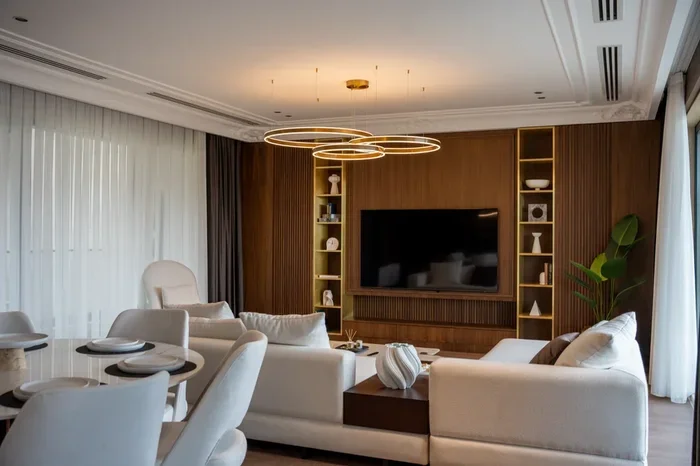
Wood furniture is the backbone of a white and wood living room. The pieces you choose will set the tone for the entire space. You do not need to match every single piece in the same wood type. In fact, mixing wood tones can add depth and visual interest.
Sofas and Seating Options
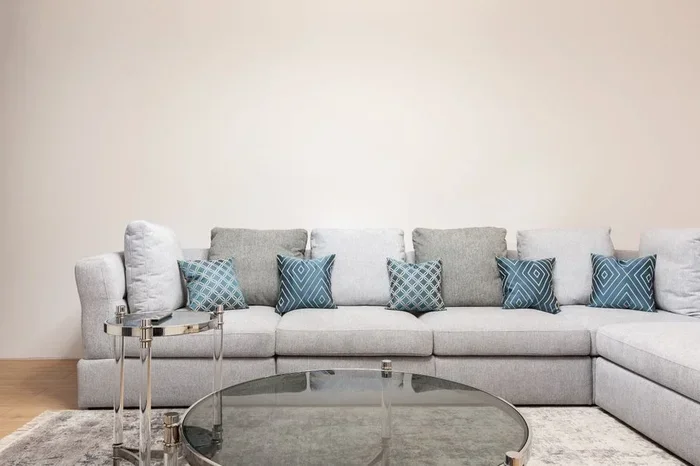
Your sofa is the focal point of the room. A white or cream-colored sofa pairs perfectly with wood furniture and creates a clean, anchored look. If you prefer a darker sofa, consider a charcoal gray or navy option that still keeps the room feeling light.
When arranging seating, keep flow in mind. A well-placed sofa encourages conversation and makes the room feel connected. If you are unsure about layout, check out our guide on how to arrange sofa and loveseat in living room for practical tips on positioning your furniture for the best flow and balance.
Coffee Tables and Side Tables
A wooden coffee table brings a natural element right to the center of the room. Choose one with clean lines for a modern feel or one with rustic details for a more relaxed vibe. Side tables are equally important. They provide function and act as small styling stations for lamps, books, and decor.
For styling ideas on how to make side tables look intentional and polished, read our article on how to style a side table in living room. Small touches like a tray, a candle, or a small plant can elevate the look significantly.
Storage and Shelving Units
Wooden shelves and storage units add both function and character. Open shelves allow you to display books, plants, and art pieces. Closed cabinets keep clutter hidden while still contributing to the wood aesthetic. For small spaces, wall-mounted shelves save floor space and draw the eye upward.
If you are on a budget, IKEA offers a wide range of wood furniture pieces that work beautifully in a white and wood scheme. Explore our guide on IKEA living room furniture for affordable options that deliver great style.
Design Styles That Feature White and Wood
One of the best things about a white and wood living room is its versatility. This combination fits into many design styles, from ultra-modern to cozy farmhouse. Let us look at some of the most popular styles that use this pairing.
Scandinavian Style
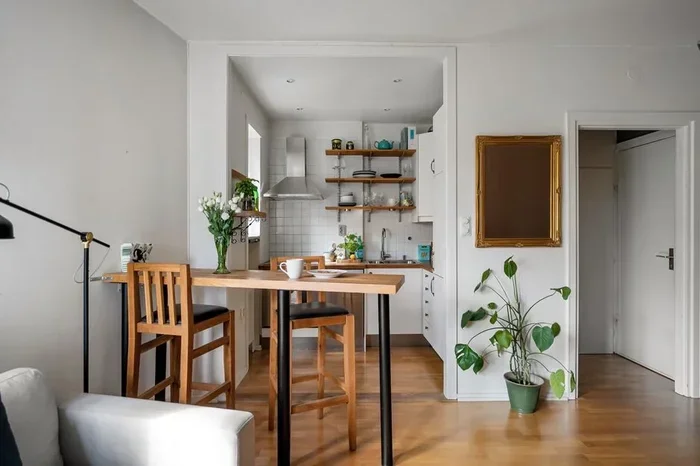
Scandinavian design is probably the most famous example of the white and wood combination. It emphasizes simplicity, functionality, and natural materials. Think light-colored woods, minimal decor, and plenty of white space. The goal is to create a room that feels calm, uncluttered, and hygge.
Key elements include:
- Light wood floors or pale wood furniture
- White walls with minimal decoration
- Soft textiles like wool throws and linen cushions
- Simple, functional furniture with clean lines
- Plenty of natural light and warm lighting
Rustic and Farmhouse Style
Rustic design leans into the natural imperfections of wood. Reclaimed wood, visible grain, and earthy tones are all welcome here. Pair these with white painted walls and you get a living room that feels warm, lived-in, and full of character.
In a rustic white and wood living room, you might see:
- Distressed wood coffee tables or shelves
- White shiplap walls or wooden beam ceilings
- Plenty of woven textures like jute rugs and baskets
- Vintage or antique wood accents
- Neutral-colored upholstery in linen or cotton
Modern and Minimalist Style
Modern minimalism takes the white and wood concept and strips it down to its essentials. The focus is on negative space, quality over quantity, and a refined aesthetic. Wood pieces tend to be lighter in color and have sleek, geometric shapes.
For inspiration on creating a stylish, curated look, explore our collection of aesthetic living room ideas. These ideas span multiple styles and can help you find the perfect balance between simplicity and personality.
Color Palette and Accent Ideas
While white and wood form the foundation, accents are what bring a room to life. The right accent colors add personality and prevent the space from feeling too monochrome. You have many options to choose from.
Neutral Accents
Sticking with a neutral palette keeps the room feeling serene and cohesive. Shades of beige, taupe, gray, and soft black work beautifully as accent colors. These tones complement both white walls and wood furniture without creating visual competition.
Consider adding a chunky knit throw in a warm beige or a plush rug in soft gray. These small touches add layers of texture that make the room feel inviting and complete.
Bold Accent Colors
If you want to add more personality, introduce bold accents sparingly. A deep teal cushion, a mustard yellow throw pillow, or a vibrant piece of wall art can become a focal point. The key is to keep the accents minimal so they do not overwhelm the clean white and wood base.
Here are some bold color ideas that work well:
- Teal or navy blue adds depth and sophistication
- Mustard yellow brings warmth and energy
- Terracotta complements wood tones beautifully
- Sage green introduces a natural, calming feel
- Blush pink softens the space with a gentle touch
Textures and Patterns
Texture plays a huge role in making a white and wood room feel complete. Without it, the space can feel flat. Mix different textures to add visual interest and tactile appeal.
Try combining a velvet cushion with a woven rattan basket and a chunky wool blanket. The contrast of smooth, rough, and soft surfaces creates a rich, layered look that draws people in. Patterns like subtle stripes or geometric prints on throw pillows also add a modern touch without overwhelming the room.
Lighting to Enhance Your White and Wood Room
Lighting sets the mood in any living room, and it is especially important in a white and wood space. The right lighting can make the room feel warm and cozy or bright and airy, depending on your preference.
Start with natural light. Keep windows unobstructed and use sheer curtains to let sunlight flood in. Natural light enhances the white walls and brings out the warmth of the wood. It also makes the room feel more spacious and inviting.
For artificial lighting, layer different sources throughout the room:
- Overhead lights provide general illumination
- Floor lamps add warmth and create reading nooks
- Table lamps on side tables offer soft, focused light
- String lights or candles add a cozy, ambient glow
Warm white bulbs work best in a white and wood living room. They enhance the wood tones and create a welcoming atmosphere. Avoid cool white bulbs, as they can make the room feel clinical and unwelcoming.
Common Mistakes to Avoid
Even with the best intentions, it is easy to make mistakes when designing a white and wood living room. Here are some common pitfalls and how to avoid them.
Using Too Much White
While white is the star of the show, too much of it can feel sterile and cold. Balance white surfaces with wood elements, textiles, and accent colors. A room that is all white and wood with no other elements can feel like a showroom rather than a home.
Matching Every Wood Piece Exactly
You do not need every wood piece to match perfectly. In fact, mixing wood tones adds character and depth. Just make sure the tones are within the same family. For example, light oak and medium walnut can coexist, but a very dark espresso wood next to a very pale birch might clash.
Neglecting the Floor
The floor covers the largest surface area in your room. If you have white walls and wood furniture but a dark carpet or tile floor, the contrast can feel jarring. Consider a light wood floor or a neutral area rug that bridges the gap between the walls and the furniture.
Forgetting About Scale
Furniture size matters more than people think. A massive wooden entertainment center in a small white and wood living room will overwhelm the space. Measure your room before you buy anything and choose furniture that fits the scale of the space.
Budget-Friendly Tips for a White and Wood Living Room
You do not need to spend a fortune to achieve this look. Many of the most effective changes are affordable and easy to do yourself.
Paint is Your Best Friend
A fresh coat of white paint is the single most impactful and affordable change you can make. A gallon of quality paint costs around $30 to $50 and can completely transform a room. Choose a shade that complements your wood tones and watch the space come alive.
Add Wood Accents
You do not need to replace all your furniture. Adding small wood accents like a wooden tray, a set of coasters, or a wall shelf can introduce the wood element without a big investment. These small touches add warmth and tie the room together.
Shop Secondhand
Thrift stores, flea markets, and online resale platforms are treasure troves for wood furniture. You can often find solid wood pieces at a fraction of the retail price. A little sandpaper and a fresh stain can make even a vintage find look brand new.
Refresh What You Have
Stain an old wooden coffee table a lighter shade. Slipcover a dark sofa in a white or cream fabric. Swap out heavy curtains for sheer ones. These small changes can shift the entire feel of your room toward a white and wood aesthetic.
Final Thoughts on Creating Your White and Wood Living Room
A white and wood living room is a timeless choice that will never go out of style. It offers a perfect balance of light and warmth, simplicity and texture. Whether you lean toward a Scandinavian minimalist look or a cozy rustic vibe, this combination gives you the flexibility to make it your own.
The key is to start with a solid foundation of white walls and natural wood furniture, then build from there with thoughtful accents, layered lighting, and personal touches. Do not be afraid to experiment. Your living room should reflect who you are and how you want to feel at home.
Take it one step at a time. Start with paint or a single wood piece. Add textiles and decor gradually. Over time, your room will evolve into a space that feels intentional, welcoming, and uniquely yours. A white and wood living room is not just a design trend. It is a lasting foundation for a home you will love coming back to every day.
Frequently Asked Questions
What wood color goes best with white in a living room?
Light wood tones like oak, birch, and maple work beautifully with white because they keep the room feeling bright and airy. Medium woods like ash and hickory add warmth without overwhelming the space. Dark woods like walnut create a dramatic contrast and work well in larger rooms with plenty of natural light.
Can I mix white and wood with other colors in my living room?
Absolutely. White and wood serve as a neutral base that pairs well with almost any accent color. Soft pastels like blush and sage green create a gentle, calming feel. Bold colors like teal, mustard, or terracotta add personality when used in small doses through cushions, art, or accessories.
How do I keep a white and wood living room from looking too sterile?
Add texture through textiles like throw blankets, woven rugs, and velvet cushions. Incorporate plants for a natural, organic feel. Use warm lighting instead of harsh overhead lights. These elements introduce softness and life into the space, preventing it from feeling cold or clinical.
What is the best wood finish for a white and wood living room?
Natural or lightly stained finishes work best because they showcase the wood grain and maintain a warm, authentic look. Matte and satin finishes are more modern and hide fingerprints well. Glossy finishes can look elegant but require more maintenance and may feel too formal for a cozy living room.
Is a white and wood living room suitable for small spaces?
Yes, this combination is actually ideal for small spaces. White walls reflect light and make rooms feel larger, while light-colored wood furniture keeps the space open and uncluttered. Choose furniture with exposed legs and open shelving to maintain a sense of airiness in smaller rooms.
How often should I refresh a white and wood living room decor?
The structural elements like walls and wood furniture can last for years without needing replacement. However, swapping out small accents like throw pillows, rugs, and wall art every season or two keeps the room feeling fresh and updated. These low-effort changes can completely shift the mood of the space.
=== CONCLUSION ===
A white and wood living room offers a timeless, versatile foundation that works for any home. By combining the cleanliness of white with the natural warmth of wood, you create a space that is both beautiful and functional. Remember to balance your elements, layer your lighting, and add personal touches that reflect your style.
Start with the basics, build gradually, and enjoy the process of making your living room truly yours. The white and wood combination will continue to serve as a stunning backdrop for years to come, adapting to your needs and evolving with your taste.