Wall Units for Living Room That Transform Your Space
Wall units for living room are the ultimate way to boost both storage and style in your home. These versatile pieces of furniture give you a stylish home for everything from books and decor to your TV and media devices. Whether you have a small apartment or a large family room, the right wall unit can completely change how your space looks and feels. In this guide, you will learn about the best types, materials, and layouts to help you pick the perfect wall units for living room that fit your needs and budget.
Wall units for living room have become one of the most popular furniture choices for homeowners who want to make their spaces look better and work smarter. A well-chosen wall unit does more than just hold your stuff. It ties the whole room together and gives you a focal point that guests will notice the moment they walk in.
If you have been searching for a way to organize your living room without cluttering the floor, wall units are the answer. They lift your storage off the ground and free up valuable floor space. This makes even small rooms feel open and airy.
The beauty of wall units is that they come in all shapes, sizes, and styles. Whether you love a clean modern look or a cozy farmhouse vibe, there is a wall unit out there for you. Let us walk through everything you need to know to find the perfect one for your home.
Key Takeaways
- Wall units for living room offer both storage and style in one furniture piece.
- Choose from materials like wood, MDF, and metal to match your room aesthetic.
- Proper placement and sizing make a huge difference in how your living room feels.
- Floating wall units create a modern, spacious look in any room.
- Styling your wall unit with accent pieces adds personality and warmth.
- DIY and budget-friendly options make wall units for living room accessible to everyone.
📑 Table of Contents
What Are Wall Units for Living Room?
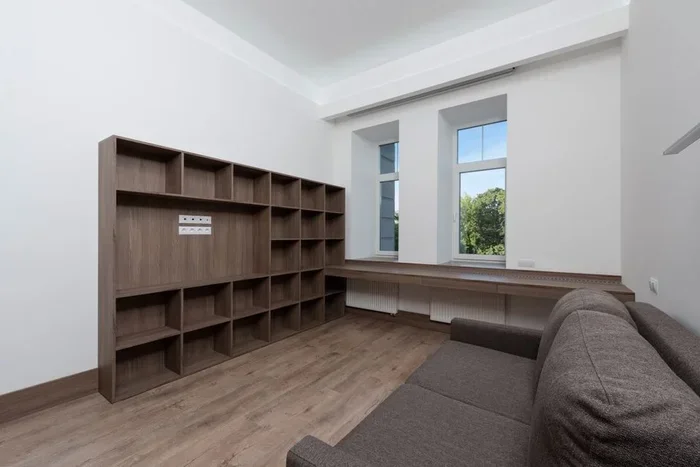
A wall unit is a large furniture piece that attaches to or stands against a wall. It usually includes a combination of shelves, cabinets, drawers, and sometimes a TV stand. The main goal is to give you plenty of storage while keeping your living room looking neat and put together.
These units can span the entire width of a wall or sit on just one section. Some are tall and reach the ceiling, while others are low and wide. The design you choose depends on your room size, your storage needs, and your personal style.
When you think about wall units for living room, think of them as the backbone of your furniture layout. They hold your entertainment gear, display your favorite books and photos, and hide away items you do not want on display. A good wall unit makes your daily life easier and your room more beautiful.
Common Features of Wall Units
Most wall units share a few key features that make them so useful. Here are the things you will often find:
- Open shelves: Great for displaying decor, books, and baskets.
- Closed cabinets: Perfect for hiding clutter like remote controls and cables.
- Drawer compartments: Ideal for storing smaller items like DVDs and chargers.
- TV niches or stands: Designed to hold your television and media devices.
- Adjustable shelves: Let you customize the height based on what you are storing.
When you browse for wall units for living room, pay attention to these features. They determine how functional the unit will be in your day-to-day life. A unit with only open shelves looks great but may collect dust faster. One with mostly closed cabinets hides messes better but may feel heavier in the room.
Types of Wall Units for Living Room
Not all wall units are the same. Different styles serve different purposes, and knowing your options helps you make a smarter choice. Here are the most popular types you will find on the market today.
TV Wall Units
TV wall units are designed specifically to hold your television and related equipment. They often come with a central opening or bracket for your screen and side panels for speakers, game consoles, and cable boxes. These units keep your entertainment setup organized and looking clean.
If your living room revolves around movie nights and gaming, a TV wall unit is a smart pick. Look for ones with good ventilation so your electronics do not overheat. Also consider the size of your TV when choosing the unit width.
Floating Wall Shelves
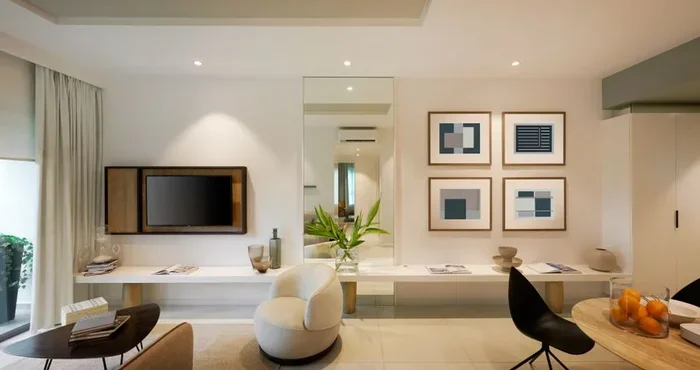
Floating wall shelves give you a minimalist and modern look. They mount directly to the wall with no visible brackets or legs. This creates a light, airy feel that works well in smaller rooms.
You can use floating shelves to display plants, framed photos, and small decorative objects. For a more organized look, add matching baskets or bins underneath. Check out our guide on how to style open shelves for creative arrangement ideas that work beautifully with floating units.
Floor-to-Ceiling Wall Units
These tall units stretch from the floor all the way to the ceiling. They maximize every inch of vertical space and offer massive storage capacity. Floor-to-ceiling units are perfect for large living rooms or open-plan spaces where you want a bold, statement piece.
The downside is that they can make a small room feel crowded if not chosen carefully. Measure your ceiling height and room width before buying one of these. You want the unit to feel proportional, not overwhelming.
Corner Wall Units
Corner wall units fit snugly into the corners of your room. They are a great solution for rooms with awkward layouts or limited wall space. These units turn dead space into useful storage and display areas.
Corner units come in triangular or L-shaped designs. They work well in apartments and cozy living rooms where every square foot matters. Pair them with a stylish side table for a complete look.
How to Choose the Right Wall Unit
Picking the right wall unit for your living room takes a bit of planning. You want something that fits your space, matches your style, and meets your storage needs. Here is what you should think about before you buy.
Measure Your Room First
Before you shop, grab a tape measure and note the dimensions of your wall. Measure the width, height, and depth of the space where the unit will go. Also measure the doorway and any hallways the unit must pass through to reach its spot.
A common mistake people make is buying a unit that is too large for their room. This makes the space feel cramped and unbalanced. Give yourself at least 30 inches of walking space around the unit so the room still feels open and comfortable.
Match Your Room Style
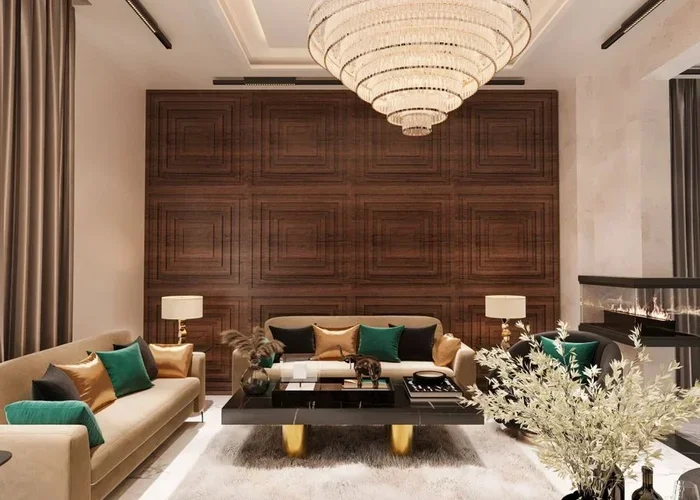
Your wall unit should complement the overall style of your living room. If your room has a modern aesthetic, go for clean lines and neutral colors. If you prefer a warmer, more traditional feel, consider wood finishes with detailed molding.
Think about your existing furniture too. The unit should work well with your sofa, coffee table, and rugs. If you are unsure about mixing styles, check out our guide on how to choose furniture for a living room for expert advice on creating a cohesive look.
Consider Your Storage Needs
Think about what you actually need to store. Do you have a big movie and game collection? Do you need to hide away toys or paperwork? Make a list of your storage priorities before you start shopping.
If you have lots of items to display, choose a unit with more open shelves. If you need to hide clutter, pick one with more closed cabinets and doors. A balanced mix of both gives you the best of both worlds.
Think About Material and Durability
The material of your wall unit affects both its look and how long it lasts. Here are the most common options:
- Solid wood: Durable and timeless. It ages beautifully but costs more.
- MDF (Medium Density Fiberboard): Affordable and smooth. Great for painted finishes.
- Plywood: Strong and resistant to warping. A good mid-range option.
- Metal and glass: Modern and sleek. Best for industrial or contemporary styles.
Each material has its pros and cons. Solid wood lasts the longest but requires more care. MDF is budget-friendly but can swell if it gets wet. Choose based on your lifestyle, budget, and the look you want.
Styling Tips for Wall Units
Once you have your wall unit in place, the fun part begins: styling it. How you arrange items on your unit can make or break the look of your entire living room. Here are some tips to help you get it right.
Create Visual Balance
Do not put all your items on one side of the unit. Spread things out evenly so the unit looks balanced from across the room. Mix tall items like plants or lamps with shorter pieces like books and photo frames.
Group items in odd numbers, like sets of three or five. This creates a more natural and visually appealing arrangement. Leave some empty space too. A cluttered shelf looks messy, not stylish.
Add Color and Texture
Plain white or beige shelves can look boring if you do not add some color. Use decorative objects, patterned books, and textured baskets to bring life to your unit. A few well-placed accent pieces can completely change the vibe of the shelf.
Try mixing materials like wood, metal, and fabric for added depth. A ceramic vase next to a woven basket and a stack of art books creates an interesting contrast. For more inspiration on adding personality to your space, explore our article on accent pieces for living room.
Use Lighting to Highlight Your Display
Adding small LED lights or shelf lamps to your wall unit makes a big difference. It highlights your favorite pieces and creates a warm, inviting glow in the evening. Lighting also makes your unit feel more like a gallery display and less like plain storage.
You can find affordable clip-on lights that stick right onto the shelf edge. They come in warm white and cool white tones. Warm white light gives a cozy feel that works best in living rooms.
Common Mistakes to Avoid
Even with the best intentions, people sometimes make mistakes when choosing and placing wall units. Here are the ones to watch out for.
- Buying without measuring: Always measure your wall and room before purchasing. A unit that is too big or too small throws off the whole room balance.
- Ignoring wall strength: Heavy units need sturdy walls. Make sure you anchor the unit properly to wall studs to prevent accidents.
- Overcrowding shelves: More is not always better. Give each item room to breathe so the display looks curated, not cluttered.
- Forgetting about cable management: If your unit holds electronics, plan for how you will hide cords and cables.
- Choosing style over function: A beautiful unit that does not meet your storage needs will frustrate you over time. Balance both.
Avoiding these mistakes saves you time, money, and the headache of returns and replacements. Take your time, plan carefully, and you will end up with a wall unit you love for years to come.
Budget-Friendly Options for Wall Units
You do not need to spend a fortune to get a great wall unit. There are plenty of affordable options that look just as good as expensive ones. Here are some budget-friendly paths to consider.
Flat-pack furniture from stores like IKEA offers stylish wall units at very reasonable prices. These units are easy to assemble and come in a wide range of designs. If you have a small space, check out our article on IKEA living room furniture for small spaces for smart ideas that work on any budget.
Another option is to build your own wall unit. With some basic woodworking skills and affordable materials, you can create a custom piece that fits your exact space and style. DIY wall units also make great weekend projects that add a personal touch to your home.
Thrift stores and online marketplaces are goldmines for unique wall units at a fraction of retail prices. You might find a vintage wooden cabinet or a sleek modern shelf that no one else has. A little sanding and paint can transform a secondhand find into a stunning focal point.
How to Maintain and Clean Your Wall Unit
Once your wall unit is in place, keeping it clean and well-maintained ensures it looks great for years. Here is a simple routine you can follow.
- Dust weekly: Use a soft microfiber cloth to wipe down shelves and surfaces. This prevents dust buildup that can dull the finish.
- Clean spills immediately: Wipe up any spills on wood or MDF surfaces right away to prevent staining or swelling.
- Check anchors regularly: Make sure the unit is still securely attached to the wall, especially if you have children or pets.
- Polish wood units: Apply a wood-friendly polish every few months to keep the surface looking fresh and protected.
- Inspect for damage: Look for scratches, dents, or loose joints. Fix small issues before they become bigger problems.
Taking care of your wall unit is simple and quick. A few minutes of maintenance each week goes a long way in preserving its appearance and functionality.
Final Thoughts on Wall Units for Living Room
Wall units for living room are one of the smartest investments you can make for your home. They combine storage, display, and style into one beautiful furniture piece that transforms any room. Whether you choose a sleek TV unit, a set of floating shelves, or a bold floor-to-ceiling design, the right wall unit will elevate your living space in ways you did not expect.
Take the time to measure your room, choose the right material, and style your unit with care. The result will be a living room that feels organized, welcoming, and uniquely yours. Start exploring your options today and watch your space come to life.
Frequently Asked Questions
What is the best material for wall units in a living room?
Solid wood is the most durable and timeless option, but MDF and plywood offer great value for the price. Choose based on your budget, style preference, and how much wear the unit will face. Each material has its own charm and benefits.
How do I install a wall unit safely?
Always anchor the unit to wall studs using the right brackets and screws. Use a stud finder to locate the studs and follow the manufacturer’s instructions. If you are unsure, ask a friend or hire a professional for safe installation.
Can wall units work in small living rooms?
Absolutely. Floating wall units and corner units are perfect for small spaces because they take up minimal floor area. Choose units with a slim profile and light colors to keep the room feeling open and airy.
How much do wall units for living room cost?
Prices vary widely based on material, size, and brand. Budget options start around $100, while high-end solid wood units can cost $500 or more. Mid-range options between $200 and $400 offer the best balance of quality and affordability.
How do I style a wall unit without making it look cluttered?
Follow the rule of odd numbers when grouping items and leave some shelf space empty. Mix different heights and textures for visual interest. Less is often more when it comes to styling shelves beautifully.
Are wall units still in style for 2024?
Yes, wall units remain very popular in 2024. Current trends favor clean lines, natural materials, and multi-functional designs. Floating shelves and minimalist TV units are especially trendy this year.