Why an Olive Tree in Living Room Is a Home Decor Must
An olive tree in living room spaces adds natural beauty, Mediterranean warmth, and a calming atmosphere that few other plants can match. Whether you choose a small potted olive tree or a tall statement piece, this versatile plant elevates your home decor effortlessly. In this guide, we cover styling tips, care instructions, and creative placement ideas to help you make the most of your olive tree.
There is something magical about placing an olive tree in living room spaces. It instantly transforms the feel of a room, bringing in a sense of warmth, calm, and timeless style. Whether your living room leans modern, bohemian, or classic, an olive tree fits right in. These beautiful plants have been symbols of peace and prosperity for thousands of years, and now they are one of the hottest trends in indoor plant decor.
If you have been thinking about adding a potted olive tree to your home, you are in the right place. This guide covers everything you need to know. From choosing the right spot to styling tips and care basics, we will walk you through each step. By the end, you will feel confident bringing this gorgeous Mediterranean living room staple into your own home.
Key Takeaways
- Olive trees bring a Mediterranean aesthetic that instantly upgrades any living room with warm, earthy tones.
- They are low maintenance and drought tolerant, making them perfect for busy homeowners.
- Proper placement matters — near windows with bright, indirect light works best for indoor olive trees.
- Styling an olive tree is versatile — it pairs beautifully with sideboards, shelves, and as a room centerpiece.
- Olive trees improve air quality and add a natural, calming vibe to your living space.
- Pot and container choices enhance the look — terracotta and ceramic pots complement the olive tree aesthetic.
- Common mistakes include overwatering and poor lighting, both of which are easy to avoid.
📑 Table of Contents
- Why an Olive Tree in Living Room Spaces Works So Well
- Choosing the Right Olive Tree for Your Living Room
- Best Placement Ideas for Your Olive Tree
- Styling Tips to Elevate Your Olive Tree Display
- Caring for Your Olive Tree Indoors
- Common Mistakes to Avoid with Olive Trees
- The Broader Benefits of Having an Olive Tree at Home
- Conclusion
Why an Olive Tree in Living Room Spaces Works So Well
The olive tree in living room trend is not just a fad. It is rooted in real design principles and practical benefits. Let us look at why this plant has become a go-to choice for homeowners and interior designers alike.
A Natural Touch of Mediterranean Charm
Olive trees are closely tied to the Mediterranean lifestyle. They evoke images of sun-drenched terraces, coastal villages, and relaxed evenings outdoors. When you place an olive tree in your living room, you bring a piece of that serene, warm energy indoors. The silvery-green leaves and smooth bark create a natural home decor element that feels both elegant and grounded.
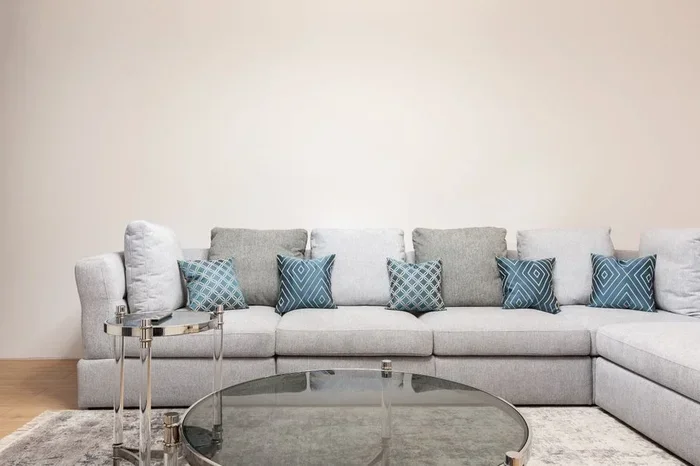
Unlike many tropical plants, olive trees have a refined, structured look. Their shape works beautifully with a variety of living room furniture arrangements. Whether your sofa is L-shaped or your room has a fireplace, an olive tree adds balance and visual interest.
Low Maintenance and Beginner Friendly
One of the biggest reasons people love an indoor olive tree is how easy it is to care for. These trees are drought tolerant and do not need constant attention. In fact, they thrive when you leave them alone a bit. This makes them perfect for busy homeowners who still want a lush, green living room plant.
You do not need a green thumb to keep an olive tree happy. A little water, some sunlight, and the right pot are all it takes. We will cover the care basics in detail later in this article.
Olive Trees Improve Your Living Room Atmosphere
Beyond their looks, olive trees offer real air-purifying benefits. Like other indoor plants for living room spaces, they help filter the air and increase humidity. This can make your living room feel fresher and more comfortable, especially during dry winter months when indoor heating dries out the air.
There is also a well-known calming effect from being around plants. Studies show that greenery in living spaces reduces stress and boosts mood. An olive tree in your living room is not just a decoration — it is a wellness boost for your daily life.
Choosing the Right Olive Tree for Your Living Room
Not all olive trees are the same, and picking the right one for your space makes a big difference. Let us explore the options so you can find the perfect match.
Small Potted Olive Trees
If you have a smaller living room or want to start simple, a small potted olive tree is a fantastic choice. These typically stand between 1 and 3 feet tall. They fit nicely on side tables, shelves, or as a sideboard decor piece. You can easily move them around to refresh your aesthetic living room ideas whenever you want a change.
Small olive trees also work great as part of a living room plant collection. Pair them with a snake plant or a peace lily for a layered green look. Check out our guide on how to decorate shelves in living room for more ideas on showcasing small plants.
Tall Statement Olive Trees
For larger living rooms, a tall olive tree makes a stunning room centerpiece. These can reach 4 to 6 feet or even taller. A single tall olive tree draws the eye and anchors the furniture layout. Place it next to a living room sofa or in an empty corner to fill the space with life.
When choosing a tall olive tree, make sure you have enough vertical space. You want the tree to breathe without bumping into ceiling fans or light fixtures. Also, consider the weight of the pot — larger trees need heavier containers to stay stable.
Olive Tree Bonsai Styles
If you love the idea of an olive tree but have limited space, consider an olive tree bonsai. These miniature versions offer the same beautiful shape and silver-green foliage in a compact form. A bonsai olive tree sits perfectly on a coffee table, a bookshelf, or a decorative accent chest for living room display. They are also wonderful conversation starters when guests visit.
Best Placement Ideas for Your Olive Tree
Where you put your olive tree matters just as much as the tree itself. The right spot enhances both the plant’s health and your room’s design. Here are some proven placement ideas.
Near a Window for Bright Light
Olive trees love light. The best spot for an olive tree in living room is near a window that gets plenty of bright, indirect sunlight. South-facing windows are ideal in the Northern Hemisphere. If your window faces north, you may need a grow light supplement during darker months.
Placing your olive tree near a window also creates a natural focal point. The tree frames the window beautifully, and the light highlights its unique leaf color. This is one of the simplest ways to boost your living room greenery game.
As a Sideboard or Console Table Accent
Olive trees look incredible on sideboards and console tables. The height of the tree contrasts nicely with the flat surface, creating a balanced decor arrangement. Add a small tray underneath, some candles, and a few books for a polished look.
If your sideboard holds your TV or media devices, an olive tree nearby softens the tech-heavy area with a natural touch. For more inspiration on styling your sideboard, check out our article on how to decorate a sideboard in a living room.
In a Corner or Empty Wall Space
Every living room has corners or wall spaces that feel a little empty. An olive tree fills that gap with purpose and beauty. It draws the eye upward and adds vertical interest that flat accent pieces for living room cannot match.
Place a small plant stand or a stylish pot under the tree to elevate it slightly. This simple trick makes the olive tree feel like a deliberate design choice rather than an afterthought. You can also pair it with a tall industrial wall shelf for living room on the adjacent wall for a cohesive look.
Styling Tips to Elevate Your Olive Tree Display
An olive tree on its own is beautiful, but with a few styling tricks, it becomes a showstopper. Here are some ideas to make your olive tree decor truly stand out.
Choose the Right Pot
The pot you select sets the tone for the entire display. Terracotta pots are a classic choice that complements the olive tree’s earthy, Mediterranean vibe. They are breathable, which helps prevent overwatering — a common issue with indoor olive trees.
For a more modern look, try a white or matte ceramic pot. These clean lines let the tree’s natural shape shine. Avoid overly ornate pots that compete with the tree for attention. Keep it simple and let the olive tree be the star.
Layer with Other Plants
Olive trees pair wonderfully with other indoor plants for living room spaces. Try grouping your olive tree with a fiddle leaf fig or a rubber plant for a lush, layered look. Vary the heights and textures to create visual depth.
This kind of plant grouping works especially well on open shelving or in corners. It turns a plain area into a green oasis that feels alive and inviting. For more ideas on arranging furniture and plants together, see our guide on how to place furniture in living room.
Add Warm Lighting
Lighting can completely transform how your olive tree looks in the evening. A warm-toned floor lamp or a string of fairy lights nearby creates a cozy, inviting glow. This is especially effective in aesthetic living room decor setups where ambiance matters.
Position the light so it gently illuminates the tree’s bark and leaves from the side. This creates interesting shadows and highlights the tree’s natural texture. It is a small change that makes a big impact.
Caring for Your Olive Tree Indoors
Keeping your olive tree healthy indoors is simpler than you might think. Follow these basic care guidelines and your tree will thrive for years.
Watering the Right Way
The most common mistake with olive trees is overwatering. These trees are adapted to dry, Mediterranean climates, so they prefer the soil to dry out between waterings. Stick your finger about two inches into the soil. If it feels dry, it is time to water. If it still feels moist, wait a few more days.
During winter, olive trees go semi-dormant and need even less water. Reduce your watering frequency to once every two to three weeks. Always make sure the pot has drainage holes to prevent root rot.
Light and Temperature Needs
Olive trees need at least six hours of light per day. A bright window is your best friend. If natural light is limited, a full-spectrum grow light works well as a supplement.
These trees prefer temperatures between 65 and 75 degrees Fahrenheit. They do not like cold drafts or sudden temperature changes. Keep them away from open windows in winter and away from heating vents that blast hot air directly on the leaves.
Soil and Fertilizing
Use a well-draining soil mix, ideally one designed for cacti or succulents. This prevents water from sitting around the roots. You can also mix in some perlite or sand to improve drainage further.
Fertilize your olive tree during the growing season — spring and summer — with a balanced liquid fertilizer every four to six weeks. Skip fertilizing in fall and winter when the tree slows its growth. This simple routine keeps your tree healthy and green year-round.
Common Mistakes to Avoid with Olive Trees
Even easy-care plants have pitfalls. Here are the most common mistakes people make with olive trees, and how to avoid them.
- Overwatering: This is the number one killer of indoor olive trees. Always let the soil dry out before watering again.
- Insufficient light: Olive trees placed in dark corners will become leggy and lose their compact shape. Give them bright light.
- Poor drainage: Pots without drainage holes trap excess water and cause root rot. Always check before planting.
- Ignoring humidity: While olive trees tolerate dry air better than most plants, very dry indoor air can cause leaf drop. A occasional misting helps.
- Skipping pruning: Regular light pruning keeps the tree shaped and healthy. Remove any dead or yellowing leaves to encourage new growth.
By steering clear of these mistakes, your olive tree in living room will stay vibrant and beautiful for many years. Patience and consistency are your best tools.
The Broader Benefits of Having an Olive Tree at Home
Beyond aesthetics, olive trees offer benefits that go deeper than just looks. They connect us to nature, history, and a slower, more mindful way of living.
In many cultures, the olive tree symbolizes peace, wisdom, and resilience. Having one in your home carries that positive energy into your daily life. The act of caring for a living thing — watering it, watching it grow, pruning it — also brings a sense of routine and purpose that many people find grounding.
For those who love Mediterranean themed living rooms, the olive tree is the centerpiece that ties everything together. Pair it with warm wood tones, linen textiles, and earthy ceramics for a complete look that feels like a vacation every time you walk into the room.
Olive trees also make thoughtful gifts. If you know someone who loves indoor plants for living room spaces, a potted olive tree is a meaningful and lasting present. It shows you care about their home and their well-being.
Conclusion
An olive tree in living room spaces is more than just a trend — it is a timeless home decor choice that brings beauty, calm, and natural elegance to any room. From the Mediterranean charm it adds to the low-maintenance care it requires, there are countless reasons to welcome one into your home.
Whether you choose a small potted tree for your sideboard or a tall statement piece for an empty corner, the olive tree rewards you with years of beauty and greenery. Follow the care tips in this guide, experiment with styling, and enjoy the process of making your living room feel warmer and more alive. Your olive tree will thank you — and so will your guests.
Start small if you are new to indoor plants. Pick a healthy tree from a reputable nursery, find the right spot near a window, and watch it transform your space. The journey of growing an olive tree indoors is just as rewarding as the beautiful result.
Frequently Asked Questions
How much light does an olive tree need indoors?
An olive tree needs at least six hours of bright, indirect sunlight per day. A south-facing window is ideal. If your living room lacks natural light, a full-spectrum grow light can supplement what your tree needs to stay healthy and happy.
Can I keep an olive tree indoors year-round?
Yes, olive trees can thrive indoors year-round as long as they get enough light and proper care. They prefer temperatures between 65 and 75 degrees Fahrenheit and do well in dry indoor air. Just be careful not to overwater, as this is the most common problem with indoor olive trees.
How often should I water my indoor olive tree?
Water your olive tree only when the top two inches of soil are dry. This usually means watering every one to two weeks in summer and every two to three weeks in winter. Always ensure the pot has drainage holes to prevent water from pooling at the bottom.
What kind of pot is best for an olive tree?
Terracotta pots are the best choice for olive trees because they are breathable and help prevent overwatering. Ceramic pots also work well for a more modern look. Whichever you choose, make sure it has drainage holes and is proportional to the size of your tree.
Do olive trees produce fruit indoors?
It is possible for olive trees to produce fruit indoors, but it is uncommon. Indoor trees often need hand pollination and very specific conditions to fruit. Even without olives, the tree is still beautiful and rewarding as a decorative living room plant.
Can I move my olive tree outdoors in summer?
Yes, moving your olive tree outdoors during summer is a great idea. It gives the tree more light and fresh air. Just transition it gradually — start by placing it in a shaded spot and slowly move it to a sunnier area over a week to avoid sunburn on the leaves.