Modern High Ceiling Living Room Design Inspiration
Modern high ceiling living room design opens up a world of elegance and space. Whether you have vaulted ceilings or dramatic open layouts, the right design choices can make your room feel both welcoming and impressive. This guide covers lighting, furniture scaling, color palettes, and decor ideas to help you make the most of your tall rooms.
Key Takeaways
- Choose the right lighting: Statement fixtures and layered lighting make high ceilings feel warm and inviting.
- Scale your furniture properly: Oversized pieces balance tall walls and prevent the room from feeling empty.
- Use vertical decor: Tall artwork, shelves, and plants draw the eye upward and fill empty wall space.
- Embrace neutral palettes with bold accents: Light colors keep the room airy while pops of color add personality.
- Add ceiling details: Crown molding, beams, and textured finishes add depth and character to tall spaces.
- Consider open shelving: Open shelves maximize vertical space and display your personal style.
- Don’t forget floor rugs and zoning: They define areas in large rooms and make them feel cozy.
📑 Table of Contents
Modern High Ceiling Living Room Design Inspiration
A modern high ceiling living room instantly feels more open and luxurious. Tall walls give you room to play with scale, lighting, and decor in ways a standard room simply cannot match. If you are lucky enough to have one, you want to make it work hard for you.
The challenge with high ceilings is filling the space without making it feel empty. You need furniture that fits the proportions, lighting that reaches down, and decor that draws the eye upward. This guide walks you through everything you need to know. From choosing the right fixtures to selecting furniture that anchors the room, we have you covered.
Many homeowners struggle with tall living spaces. They either buy furniture that looks too small or hang artwork too high. The result feels disconnected. This article helps you avoid those mistakes. You will find practical tips, real examples, and creative ideas that make your high ceiling living room feel intentional and beautiful.
Whether your style is minimalist, industrial, or warm and traditional, there is a design approach that fits. Let us dive into the details and turn your tall room into your home’s best feature.
Understanding Your Ceiling Height and Space
Before you start buying furniture or picking paint colors, take a moment to understand your space. Not all high ceilings are the same. The height changes how you should approach the design.
What Counts as a High Ceiling?
Standard ceiling height is about eight feet. Anything above nine feet is considered high. Vaulted ceilings can reach twelve feet or more. Cathedral ceilings peak in the center and slope outward. Each type creates a different feel and demands a slightly different approach.
For a modern high ceiling living room, you want to embrace the height without losing warmth. The goal is to make the room feel grand but still comfortable. You do not want guests to feel like they are standing inside a cathedral every time they sit down.
How Ceiling Height Affects Room Feel
Taller ceilings create a sense of openness and freedom. They make rooms feel airy and bright, especially when paired with large windows. However, they can also feel cold or impersonal if you do not add the right elements.
Here are key factors to consider:
- Natural light: High ceilings let in more sunlight. Use sheer curtains or blinds to control the glow without blocking it.
- Air flow: Tall rooms breathe better. This helps with temperature and keeps the space feeling fresh.
- Acoustics: Sound travels upward in high rooms. Consider soft furnishings to absorb noise and keep conversations comfortable.
- Furniture scale: Standard-sized furniture can look lost in a tall room. You need pieces that fill the vertical space.
Lighting Solutions for High Ceilings
Lighting is the single most important element in a high ceiling living room. Without the right fixtures, the room can feel dark and cavernous at night. With the right approach, lighting becomes the room’s centerpiece.
Statement Chandeliers and Pendants
A large chandelier or pendant light can fill the vertical space beautifully. Choose a fixture that hangs low enough to be seen from a seated position. The bottom of the fixture should sit about six to seven feet above the floor. This keeps it in the sightline and makes it functional.
For a modern look, consider geometric chandeliers or sleek pendant clusters. These add visual interest without feeling too traditional. A well-chosen statement lighting piece ties the whole room together.
Layered Lighting Approach
Do not rely on just one light source. A layered approach works best for tall rooms:
- Ambient lighting: The chandelier or recessed ceiling lights provide overall illumination.
- Task lighting: Floor lamps and table lamps near seating areas give you focused light for reading or working.
- Accent lighting: Wall sconces and track lighting highlight artwork or architectural features.
Layered lighting makes your room feel complete at any time of day. It also adds depth, which is essential when walls stretch high above you.
Recessed and Track Lighting
Recessed lights work well in rooms with vaulted or sloped ceilings. They do not hang down and interfere with sightlines. Track lighting offers flexibility, letting you aim lights at specific areas or pieces of art.
Both options keep the ceiling clean and modern. They also help distribute light evenly across the tall walls, preventing dark corners.
Furniture Selection and Scaling
Choosing the right furniture is crucial for a modern high ceiling living room. Too-small pieces make the room feel empty. Too-large pieces overwhelm the space. Finding the right balance takes a bit of planning.
Choose Furniture with Visual Weight
Look for pieces that have a solid presence. A low-profile sofa with tall arms creates a sense of grounding. Sectionals work well in large rooms because they fill horizontal space without competing with vertical height.
When selecting a sofa, pay attention to the back height. A sofa with a back that reaches about four feet tall works well in rooms with ten-foot-plus ceilings. Shorter backs can make the room feel even taller and more disconnected.
Use Tall Furniture Pieces
Tall furniture helps fill the vertical space. Consider these options:
- Tall armoires or cabinets: They draw the eye up and provide storage.
- Floor-to-ceiling bookshelves: These make a bold statement and add character.
- Tall side tables or consoles: They match the scale of the room without feeling bulky.
If you want ideas on arranging furniture in a large space, check out our guide on how to place furniture in a living room. It covers proportion and layout tips that work especially well with high ceilings.
Rugs and Floor Zones
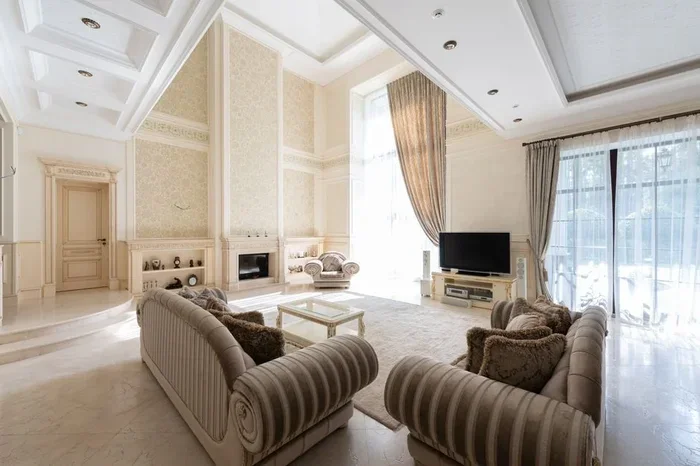
A large area rug anchors the seating area and defines the room’s purpose. In a high ceiling space, choose a rug that is at least eight by ten feet. This ensures all front legs of the furniture sit on the rug, creating a cohesive zone.
Rugs add warmth and texture, which counterbalance the coolness of tall walls. They also bring the eye down to floor level, making the room feel more intimate.
Decor and Wall Treatments
Decorating tall walls requires a different mindset than decorating standard-height walls. You need pieces that fill the vertical space without making the room feel cluttered.
Artwork and Wall Decor
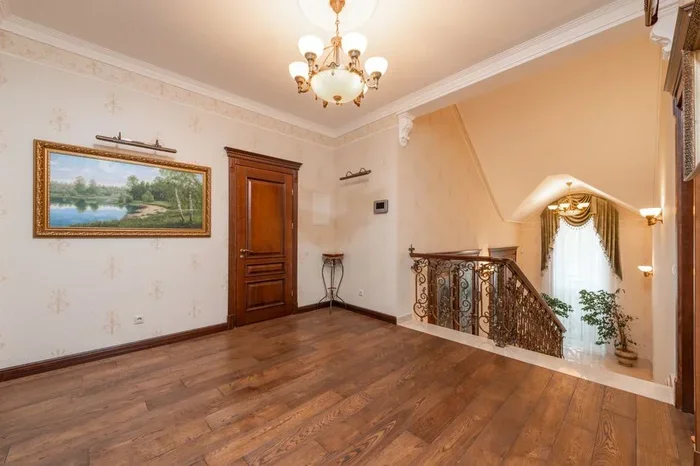
Hang artwork at eye level, which is about five and a half to six feet from the floor. In a high ceiling room, this means the bottom of the artwork should sit lower than you might normally think. A large piece or a gallery wall works best because it fills the space visually.
Consider oversized abstract art or a curated collection of large wall prints. These draw the eye upward and create a focal point. For more ideas on wall decor, explore our article on abstract pictures for living room.
Vertical Shelving and Storage
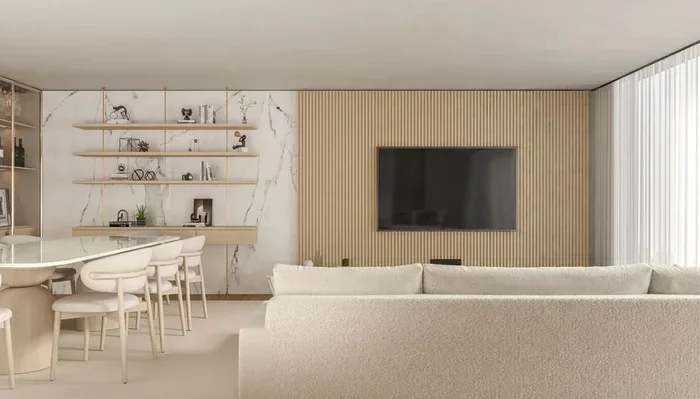
Open shelves that stretch from floor to ceiling are a fantastic way to use vertical space. They provide display areas for books, plants, and decorative objects. They also break up large wall expanses into manageable sections.
For styling tips on open shelves, read our guide on how to style open shelves in the living room. The principles apply directly to tall rooms and help you create a balanced, curated look.
Ceiling Details and Treatments
Do not ignore the ceiling itself. In a modern high ceiling living room, the ceiling is part of the design. Consider these options:
- Crown molding: It adds a polished, finished look and defines the transition between wall and ceiling.
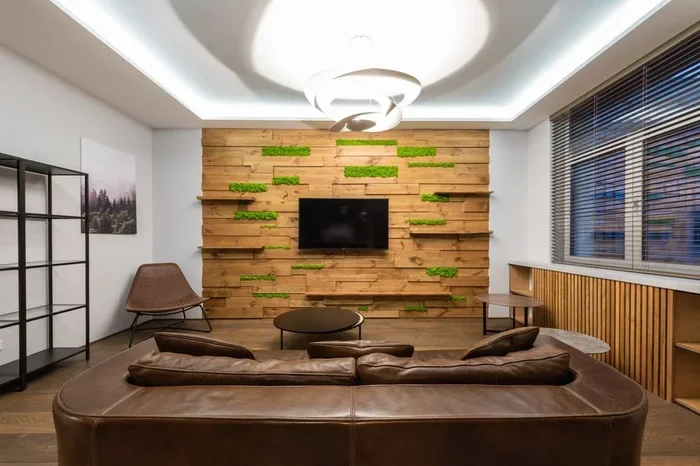
- Exposed beams: Wood or faux beams add warmth and texture. They also break up the height visually.
- Textured finishes: Coffered ceilings or subtle wallpaper on the upper wall add depth without overwhelming the space.
- Ceiling paint: Use a lighter shade than the walls to create a subtle lift. A soft white or pale gray works beautifully.
Color Palettes and Materials
The colors and materials you choose set the tone for your entire room. In a high ceiling space, the wrong palette can make the room feel cold and distant. The right palette creates warmth and intimacy.
Best Colors for High Ceiling Rooms
Light, neutral tones work best as a base. Soft whites, warm beiges, and light grays reflect light and keep the room feeling bright. These colors also prevent the walls from feeling like they stretch on forever.
Add bold accents through pillows, throws, and decorative objects. Deep blues, warm terracotta, and rich greens add personality without closing in the space. The key is balance: light walls, medium furniture, and dark accents for grounding.
Materials That Work Well
Natural materials add warmth to tall rooms. Consider these options:
- Wood: Hardwood floors, wood beams, or wood furniture bring warmth and texture.
- Stone: A stone fireplace or accent wall adds an earthy, grounded feel.
- Metal: Brass or black metal fixtures add a modern edge and reflect light beautifully.
- Fabric: Linen curtains, velvet cushions, and wool rugs soften the room and absorb sound.
Mixing these materials creates a layered, inviting look. It also adds visual interest at different heights, which is essential in a room with a lot of vertical space.
Common Mistakes to Avoid
Even with the best intentions, it is easy to make design mistakes in a high ceiling room. Here are the most common ones and how to avoid them.
Choosing Furniture That Is Too Small
This is the number one mistake people make. A tiny loveseat in a twelve-foot-tall room looks lost and awkward. Always choose furniture that matches the scale of the space. When in doubt, go one size up.
Hanging Artwork Too High
It is tempting to hang art as high as the wall goes. Resist this urge. Art should be at eye level, which means lower than you think in a high ceiling room. This keeps the room feeling connected and human-scaled.
Ignoring the Lower Half of the Room
It is easy to focus all your attention on filling the upper walls and forget about the lower half. But the lower portion of the room is where people actually sit and interact. Make sure your furniture, rugs, and lower wall treatments get equal attention.
Overlooking Lighting Layers
A single ceiling fixture is not enough. Without layered lighting, the room feels flat and uninviting, especially in the evening. Combine overhead, task, and accent lighting to create a warm and functional space.
Final Thoughts
Designing a modern high ceiling living room is both exciting and rewarding. The extra height gives you a canvas to create something truly special. By choosing the right lighting, scaling your furniture properly, and decorating with intention, you can turn a tall room into the most inviting space in your home.
Remember to balance the grandeur of the height with warmth and comfort. Use color, texture, and layered lighting to bring the room down to a livable scale. Take your time with furniture choices and decor placement. A well-designed high ceiling room feels effortless, but it takes thoughtful planning.
Start with one or two changes and build from there. Add a statement light fixture. Hang a gallery wall. Bring in a large area rug. Each addition brings you closer to a room that feels complete. Trust your instincts, have fun with the process, and enjoy the beautiful space you create.
Frequently Asked Questions
What is the best lighting for a high ceiling living room?
Layered lighting works best for high ceiling rooms. Combine a statement chandelier for ambient light, floor lamps for task lighting, and wall sconces or track lights for accent lighting. This approach ensures the room is well-lit from top to bottom and feels warm and inviting at any time of day.
How do I choose furniture for a room with high ceilings?
Choose furniture with visual weight and scale it to match the room size. Avoid small pieces that look lost. Opt for sofas with taller backs, large area rugs, and tall furniture like floor-to-ceiling bookshelves. The goal is to fill the space proportionally so the room feels balanced and comfortable.
What colors work best in a modern high ceiling living room?
Light neutral tones like soft white, warm beige, and light gray work best as base colors. They reflect light and keep the room feeling bright and open. Add bold accent colors through pillows, throws, and decorative objects to bring personality and warmth to the space.
Should I use wall-to-wall shelving in a high ceiling room?
Yes, floor-to-ceiling shelving is an excellent choice for high ceiling rooms. It maximizes vertical space, provides ample storage and display areas, and draws the eye upward. Style the shelves with a mix of books, plants, and decorative objects to create a curated and balanced look.
How do I make a high ceiling room feel cozy?
Use warm lighting, soft textiles, and layered decor to add intimacy to a tall room. Large area rugs, plush cushions, and heavy curtains help bring the visual weight down to human scale. Adding a fireplace or warm-toned wood furniture also creates a cozy, inviting atmosphere.
What are common mistakes when decorating high ceiling rooms?
The most common mistakes include choosing furniture that is too small, hanging artwork too high, ignoring the lower half of the room, and relying on a single ceiling light. Avoid these by scaling furniture properly, hanging art at eye level, layering your lighting, and giving equal attention to all parts of the room.