Mirror Placement in Living Room Will Transform Your Space
Mirror placement in living room design can completely change how a space feels and looks. The right mirror makes a room feel bigger, brighter, and more welcoming. You will learn the best spots to hang a mirror, common mistakes to avoid, and expert tips for every living room style. This guide covers everything from above-the-fireplace placement to small-space tricks that work wonders.
Key Takeaways
- Strategic Placement: Where you place a mirror affects light, depth, and the whole feel of your living room.
- Size Matters: Choosing the right mirror size for your wall and furniture is key to a balanced look.
- Avoid Common Mistakes: Placing mirrors opposite clutter or dirty windows can ruin the effect.
- Pair with Furniture: Mirrors above sideboards, side tables, and shelves add a polished, finished touch.
- Small Spaces Benefit Most: A well-placed mirror can make even a tiny living room feel open and airy.
- Style Flexibility: Mirror placement works with every decor style, from modern to bohemian to traditional.
📑 Table of Contents
- Why Mirror Placement in Living Room Design Matters So Much
- Best Mirror Placement Ideas for Your Living Room
- How to Choose the Right Mirror Size for Your Space
- Common Mistakes to Avoid with Mirror Placement
- Mirror Placement Near Key Living Room Features
- Expert Tips for Stunning Mirror Placement
- Final Thoughts on Mirror Placement in Living Room
Why Mirror Placement in Living Room Design Matters So Much
A mirror is one of the most powerful tools you can use in your living room. It does more than just reflect your face. A well-placed mirror changes the entire mood of a space. It bounces light around, makes walls feel farther away, and adds a sense of depth that furniture alone cannot create.
When you think about mirror placement in living room design, you are really thinking about how people experience the room. They walk in, their eyes scan the space, and their brain judges how big, bright, and inviting it feels. A mirror directly influences all three of those feelings. It is like a secret weapon for interior design.
Many people buy beautiful mirrors but hang them in the wrong spot. The result? A room that still feels cramped, dark, or unbalanced. The good news is that getting it right is not hard. You just need to understand a few simple principles. This guide will walk you through every step, from choosing the mirror to finding the perfect wall.
Whether your living room is large or small, modern or cozy, mirror placement can work magic. Let us dive into the ideas and strategies that will transform your space today.
Best Mirror Placement Ideas for Your Living Room
Above the Fireplace Mantel
Placing a mirror above the fireplace is a classic move for a reason. It draws the eye upward and makes the ceiling feel taller. The mirror also reflects the warmth of the fire, creating a cozy glow that fills the room. This is one of the most popular and effective spots for mirror placement in living room design.
Choose a mirror that is wide enough to span at least two-thirds of the mantel width. A mirror that is too small will look lost. A mirror that is too wide can overwhelm the space. Aim for balance. If your mantel is long, consider an oversized rectangular mirror or a group of smaller mirrors arranged together.
Opposite a Window for Maximum Light
If your living room has a window, place a mirror directly across from it. This trick sends natural light bouncing back into the room. It makes dark corners feel brighter and gives the illusion of another window. This is especially helpful in rooms that face north or have large trees blocking the sun.
The mirror does not need to be huge. Even a medium-sized decorative mirror can make a big difference. Just make sure the window behind it is clean. A dirty window will reflect dirt and gloom right back into your living room.
On a Feature Wall to Create Depth
Every living room has a wall that deserves attention. Maybe it is the wall behind your sofa or the first wall people see when they walk in. A large mirror on a feature wall adds depth and makes the room feel more expansive.
This works especially well in long or narrow living rooms. The mirror tricks the eye into seeing more space than actually exists. Pair this idea with how to place furniture in living room strategies for the best overall effect. When your furniture layout and mirror placement work together, the whole room feels intentional and polished.
Above a Sideboard or Console Table
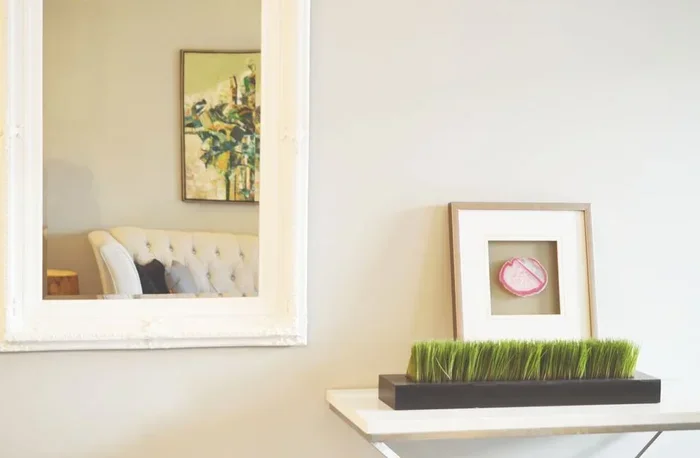
Mirrors above sideboards are a timeless decorating move. They add height to low furniture and create a focal point in the room. This is a great spot for a decorative mirror with an interesting frame. The frame becomes part of the decor, adding style even when the mirror is not reflecting anything.
For a pulled-together look, check out how to decorate a sideboard in a living room. You will find that a mirror above the sideboard ties the whole furniture group together. It adds a finishing touch that makes the area feel complete and curated.
On a Side Table or Console Near the Entry
Placing a small mirror on a side table near the front door is both practical and stylish. You get a quick check of your reflection before heading out. It also adds a decorative layer to the entry area of your living room.
Round mirrors work especially well on side tables. They soften the angular lines of most furniture and add a touch of elegance. For more inspiration on styling these pieces, look at how to style a side table in living room guides. The mirror becomes part of a larger vignette that welcomes guests right at the door.
On Shelves for a Layered Look
Do you have open shelves in your living room? Lean a mirror against the back wall or mount it above the shelves. This creates a layered, gallery-like effect that adds visual interest. The mirror reflects the items on the shelves, making them feel more dynamic and alive.
You can also try how to decorate shelves in living room techniques with a mirror as the centerpiece. Mix the mirror with plants, books, and small decor objects. The result is a styled shelf that feels rich and intentional without looking cluttered.
How to Choose the Right Mirror Size for Your Space
Choosing the wrong size mirror is one of the most common decorating mistakes. A tiny mirror on a huge wall looks lost and lonely. A giant mirror on a small wall feels overwhelming and awkward. Getting the size right is essential for beautiful mirror placement in living room design.
Here are some simple rules to follow:
- Width: The mirror should be about two-thirds the width of the furniture it sits above. This creates a balanced, proportional look.
- Height: Hang the mirror so its center sits at eye level, roughly 57 to 60 inches from the floor. This is the standard gallery hanging height.
- Small Rooms: Go bigger rather than smaller. A large mirror in a small room creates the illusion of more space.
- Large Rooms: You can use multiple smaller mirrors grouped together. This creates a gallery wall effect that fills the space nicely.
When in doubt, hold a cardboard cutout of the mirror size against the wall. Step back and look at it from across the room. This quick trick helps you visualize the final result before you make any holes in the wall.
Common Mistakes to Avoid with Mirror Placement
Mirror placement is powerful, but it can also backfire if you are not careful. Here are the most common mistakes people make and how to avoid them.
Placing a Mirror Opposite Clutter
A mirror reflects whatever is in front of it. If you hang a mirror opposite a messy corner, cluttered table, or untidy window, you are doubling the mess. Always check what the mirror will reflect before you hang it. You want it to bounce something beautiful back into the room.
Hanging a Mirror Too High
Some people hang mirrors too high on the wall, thinking it makes the ceiling look taller. But a mirror placed above eye level feels disconnected from the room. It becomes a wall decoration instead of a functional and stylish element. Keep it at a natural viewing height for the best results.
Using the Wrong Frame Style
The frame matters just as much as the mirror itself. A heavy, ornate frame in a minimalist room creates visual conflict. A tiny, delicate frame in a large room gets lost. Match the frame style to your overall decor. For modern rooms, choose slim metal or frameless mirrors. For traditional rooms, wood frames with detail work beautifully.
Ignoring the Mirror Shape
Not all mirror shapes work for every space. Round mirrors soften angular rooms and furniture. Rectangular mirrors suit long walls and vertical spaces. Square mirrors add balance to rooms with strong horizontal lines. Think about the shapes already present in your room and choose a mirror that complements them.
Mirror Placement Near Key Living Room Features
Mirror and the Sofa
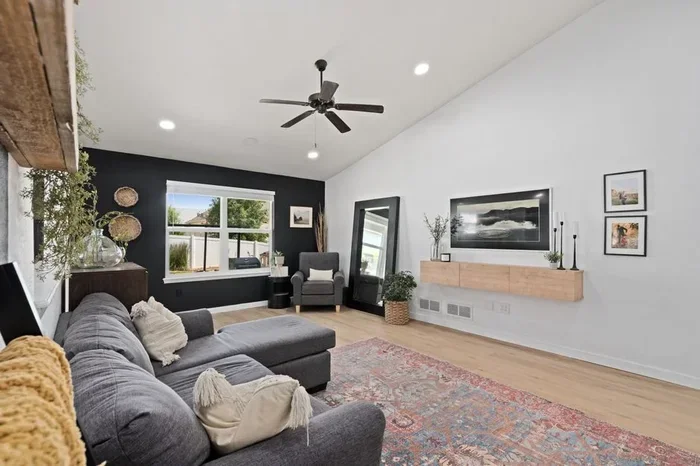
The sofa is usually the anchor piece in a living room. Placing a mirror on the wall behind the sofa creates a dramatic focal point. It also makes the seating area feel more open and airy. A large rectangular mirror or a group of smaller mirrors works well here.
Make sure there is enough space between the sofa back and the mirror. About 6 to 12 inches is ideal. This gap prevents the mirror from feeling cramped and allows the reflection to breathe.
Mirror and the TV
Some people love the idea of a mirror where the TV wall is. It can work beautifully, but there are a few things to consider. The mirror should not reflect the TV screen directly when it is on. That creates a glare and visual distraction. Angle the mirror slightly or place it to the side so the reflection catches the room, not the screen.
When the TV is off, a mirror on the TV wall looks stunning. It turns a plain wall into a stylish focal point. This is a smart move for living rooms where the TV is not the main design element.
Mirror and the Entryway
If your living room connects to an entryway or hallway, a mirror there is incredibly useful. It gives you a last look before leaving the house. It also makes a narrow entry feel wider and more open. A full-length mirror works best in entryways, but a smaller decorative mirror adds charm too.
Expert Tips for Stunning Mirror Placement
Want to take your mirror game to the next level? Here are some expert-level tips that make a real difference.
- Use mirrors to highlight a view: If your living room has a beautiful window or garden view, place a mirror to catch and double that view. It is like adding a second window to the room.
- Layer mirrors of different sizes: A group of mirrors in varying sizes creates visual interest and works well on larger walls. Mix shapes like round and rectangular for a dynamic look.
- Lean mirrors for a casual feel: Not every mirror needs to be hung. Leaning a large mirror against the wall gives a relaxed, modern vibe. This is a great option for small living room mirror setups where you want flexibility.
- Add mirrors to dark corners: Dark corners can make a room feel closed off. A mirror positioned to catch ambient light and bounce it into the corner instantly brightens the space.
- Consider the mirror finish: Tinted mirrors, antique mirrors, and beveled-edge mirrors add a unique character. They do more than reflect. They add color and texture to your living room decor.
Final Thoughts on Mirror Placement in Living Room
Mirror placement in living room design is one of the simplest and most affordable ways to transform your space. A single mirror can make a small room feel larger, a dark room feel brighter, and a plain wall feel like a focal point. The key is to think about where the mirror will reflect, what size works for your wall, and how it fits your overall style.
Take your time choosing the right mirror and the right spot. Stand back, check the reflection, and imagine how it will feel when the room is fully furnished. A little planning goes a long way. With the tips and ideas in this guide, you are ready to find the perfect mirror and place it with confidence.
Your living room deserves to feel its best. A well-placed mirror is an easy upgrade that delivers big results. Start today and watch your space come alive with light, depth, and style.
Frequently Asked Questions
What is the best wall for mirror placement in a living room?
The best wall depends on your room layout, but the wall opposite a window is often ideal. It bounces natural light deep into the room and makes the space feel brighter and more open. The wall above the fireplace or behind the sofa are also excellent choices for a strong focal point.
Can I hang a mirror in a small living room?
Absolutely. In fact, mirrors work even better in small living rooms. A large mirror or a group of mirrors creates the illusion of more space and reflects available light. Just avoid hanging mirrors opposite cluttered areas, as this will make the room feel smaller and messier.
How high should I hang a mirror in the living room?
Hang the mirror so its center is at about 57 to 60 inches from the floor. This is the standard eye-level height for wall decor. If the mirror sits above furniture, leave about 4 to 6 inches between the top of the furniture and the bottom edge of the mirror.
Should the mirror frame match my other decor?
Not exactly match, but it should complement the style. A modern room pairs well with slim metal or frameless mirrors. A traditional room looks great with wood frames that have some detail. The goal is harmony, not perfection. The frame should feel like it belongs in the room.
Can a mirror be too big for a living room?
Yes, a mirror can be too large. If the mirror takes up more than two-thirds of the wall space or furniture width above it, it can feel overwhelming. In large living rooms, you can use multiple smaller mirrors grouped together instead of one giant piece. This creates a balanced and curated look.
What type of mirror works best for a living room?
Decorative mirrors with interesting frames are popular for living rooms. However, the best type depends on your style. Round mirrors soften modern and bohemian rooms. Rectangular mirrors suit traditional and contemporary spaces. Leaning mirrors add a casual, relaxed vibe. Choose the shape and frame that fits your overall living room design.