Interior Design Glass Wall Panels Ideas and Inspiration
Interior design glass wall panels bring light, style, and a modern feel to any space. These panels work as room dividers, feature walls, or decorative accents that instantly elevate your home. You can choose from frosted, etched, backlit, and tinted options to match your personal taste. They are easy to install, simple to maintain, and suit almost any room in the house. Below, you will find practical ideas, expert tips, and inspiration to help you pick the perfect glass panel for your home.
When you want to make a room feel bigger, brighter, and more welcoming, interior design glass wall panels are one of the best tools you can use. These panels do more than just look pretty. They carry light across rooms, create a sense of openness, and give your walls a polished, modern finish. Whether you live in a tiny apartment or a spacious home, glass panels can completely change the way a room feels.
The beauty of glass wall panels is that they fit nearly every style. You might love a clean, minimal look, or you might prefer something with more texture and detail. Either way, there is a glass panel option that works for you. From frosted finishes to decorative etchings, the choices are wide and exciting. In this guide, we will walk you through the best ideas, styles, and tips to help you choose and install the right panels for your space.
Key Takeaways
- Glass wall panels add natural light and openness to small and large rooms alike.
- Frosted, etched, and backlit panels each offer a unique visual effect and level of privacy.
- Tempered and toughened glass is the safest and most durable choice for home interiors.
- Mixing glass panels with wood, metal, or stone accents creates a balanced and stylish look.
- Proper installation and sealing are essential for longevity and safety.
- Glass wall panels work in living rooms, bathrooms, kitchens, and offices with equal impact.
📑 Table of Contents
What Are Interior Design Glass Wall Panels?
Interior design glass wall panels are flat panels made from glass that you mount on walls or use as dividers inside your home. They come in many types, including clear glass, frosted glass, tinted glass, and patterned glass. Some panels are plain and smooth, while others feature etched designs, printed art, or textured surfaces. You can use them as full walls, half walls, or even small accent pieces.
These panels are different from regular windows. They are designed specifically for indoor use and often come with special coatings or treatments. For example, some panels are tempered glass, which means they are heat-treated to be stronger and safer. Others are laminated glass, which holds together even if it cracks. These safety features make glass wall panels a smart choice for homes with kids or pets.
Why People Choose Glass Panels Over Other Materials
There are many reasons homeowners pick glass over wood, drywall, or concrete. Glass lets light pass through, which makes rooms feel more open and airy. It also reflects light beautifully, adding a soft glow to your space. Here are the top reasons people love glass panels:
- They brighten dark rooms by allowing natural light to flow freely.
- They create a modern and sleek look that suits contemporary and minimalist styles.
- They are easy to clean and do not absorb dust or odors like fabric or wood.
- They last a long time without fading, warping, or yellowing.
- They add value to your home because buyers love modern and stylish features.
Types of Glass Wall Panels for Your Home
Not all glass panels are the same. Each type has its own look, feel, and purpose. Understanding the options helps you pick the right one for your room and your needs. Here are the most popular types you will find in the market today.
Frosted Glass Panels
Frosted glass panels have a matte, cloudy finish that softens light and hides what is on the other side. They are perfect for bathrooms, bedrooms, and offices where you want privacy without losing brightness. Frosted panels give a soft, elegant look that works with almost any color scheme. You can also find frosted panels with decorative patterns etched into the surface for extra style.
Backlit Glass Panels
Backlit glass panels are lit from behind, creating a glowing effect that looks stunning in dim rooms. They are a popular choice for living rooms and hotel lobbies. The light can be warm or cool, depending on the bulb you choose. These panels make a room feel luxurious and cinematic, especially in the evening. If you want a dramatic feature wall, backlit panels are hard to beat.
Etched and Decorative Glass Panels
Etched glass panels have designs carved into the surface using sandblasting or acid etching. You can find floral patterns, geometric shapes, abstract art, or even custom images. These panels are a great way to add personality to your walls without painting or wallpapering. They work beautifully as room dividers or as accent walls in hallways and entryways.
Tinted and Colored Glass Panels
Tinted glass panels come in many colors, from soft pastels to bold, deep shades. Blue, green, bronze, and grey are among the most popular choices. Tinted panels add a pop of color to a room while still letting light through. They are a fantastic way to create a colorful accent wall without committing to paint. You can pair tinted panels with neutral furniture for a balanced look.
Best Rooms to Use Glass Wall Panels
Glass wall panels are versatile, but some rooms benefit more than others. Let us look at the best places to use them and why they work so well in each space.
Living Room Glass Wall Ideas
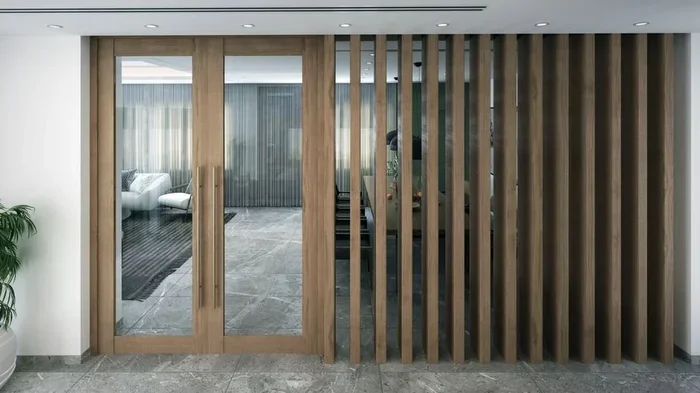
The living room is the most popular place for glass panels in the home. A glass panel behind your sofa or TV creates a modern, high-end look. You can use a clear panel to keep the room feeling open, or a frosted panel for a softer effect. For a stylish touch, try pairing glass panels with a living room wall panel design that includes wood or metal frames. This combination adds warmth and texture to the clean glass surface.
Another great idea is to use glass panels as a backdrop for your shelving or display cabinets. The glass makes your items stand out while keeping the wall looking sleek. If your living room has a living room wall design that leans toward modern or industrial styles, glass panels fit right in.
Bathroom and Wet Area Panels
Glass panels are a top choice for bathrooms because they handle moisture well. Frosted or etched glass gives you privacy while still letting light in. You can use glass panels as shower enclosures, bathroom dividers, or even full accent walls. Tempered glass is the safest option for wet areas because it is heat-resistant and less likely to shatter.
Kitchen and Dining Spaces
In the kitchen, glass panels can replace upper cabinets or serve as a backsplash. They make the space feel larger and easier to clean. In dining areas, a glass feature wall behind a buffet or sideboard adds elegance without blocking light. Glass panels also work well as dividers between open-plan kitchens and living areas.
How to Choose the Right Glass Panel Style
Choosing the right style can feel overwhelming because there are so many options. Here are some simple steps to help you decide.
Match the Panel to Your Room Style
Think about the overall style of your room. If your room has a minimalist wall decor for living room theme, go for clear or lightly frosted panels with thin frames. If your room has a more traditional or classic feel, consider etched or patterned panels with decorative frames. The panel should feel like it belongs in the space, not like it was added as an afterthought.
Consider the Level of Privacy You Need
Privacy is a big factor when choosing glass panels. Clear glass offers almost no privacy, so it works best in open areas where you do not mind being seen. Frosted and etched glass offer medium privacy and are great for bedrooms and bathrooms. For maximum privacy, consider obscure or heavily textured glass that blocks the view completely while still letting light pass through.
Think About Light and Reflection
Glass panels reflect light, which can be both a blessing and a challenge. In rooms that lack natural light, clear or lightly tinted panels help brighten the space. In very sunny rooms, frosted or tinted panels can reduce glare and soften the light. Think about how the panel will interact with light at different times of the day before you make a final choice.
Compare Frame Options
Glass panels come with different frame types that affect the overall look. Here is a quick comparison to help you decide:
- Frameless panels – look sleek and modern, best for minimalist spaces.
- Aluminum frame panels – durable and affordable, work well in modern and industrial styles.
- Wood frame panels – add warmth and texture, great for rustic or Scandinavian interiors.
- Brushed metal frame panels – offer a luxurious feel, ideal for contemporary and luxury designs.
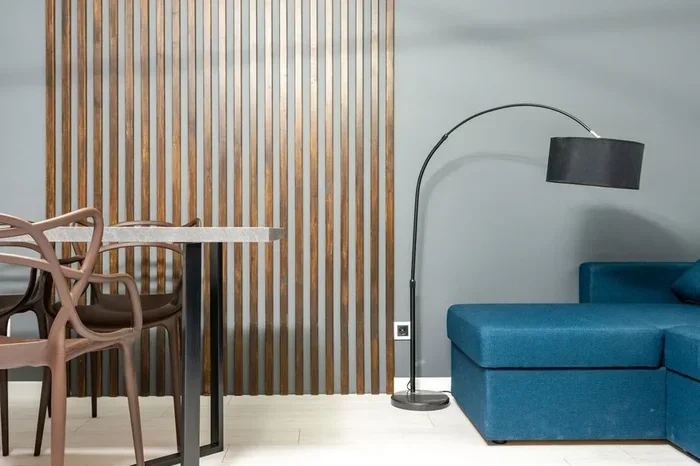
Your frame choice should match the other materials in your room. For example, if you have a living room white and wood interior design, a wood-framed glass panel would blend in beautifully. If your room uses metal accents, a brushed aluminum frame would tie everything together.
Installation Tips and Considerations
Installing glass wall panels is not as hard as it looks, but it does require some care and planning. Here are the most important things to keep in mind.
Measure Twice, Install Once
Before you order your panels, measure your wall space carefully. Glass panels are custom-cut in most cases, so even small measurement errors can cause problems. Use a tape measure and check the height and width at multiple points. Walls are rarely perfectly straight, so take the smallest measurement to ensure a proper fit.
Choose the Right Mounting Method
There are three main ways to mount glass panels: clamp mounts, channel mounts, and adhesive mounts. Clamp mounts use metal brackets to hold the glass in place and are easy to adjust. Channel mounts slide the glass into a track for a clean, seamless look. Adhesive mounts use strong glue to stick the panel directly to the wall. Each method has pros and cons, so pick the one that suits your wall type and skill level.
Seal and Protect
Sealing is important, especially in humid areas like bathrooms and kitchens. Use silicone sealant around the edges to prevent moisture from getting behind the panel. This also stops dust and dirt from building up in the gaps. For extra safety, choose panels with edge polishing or protective film to prevent scratches during handling and installation.
When to Call a Professional
While small panels can be a DIY project, large or heavy panels should be installed by a professional. Glass is heavy and fragile during installation, and a mistake can lead to cracks or injuries. If you are not confident in your skills, it is worth paying a pro to do the job safely and correctly. A proper installation will also help your panels last longer and look better over time.
Common Mistakes to Avoid with Glass Wall Panels
Even with the best intentions, some common mistakes can ruin the look or function of your glass panels. Here are the ones to watch out for.
- Choosing the wrong thickness. Thin panels look delicate but may not be safe or durable for large installations. Go with at least 10mm thickness for wall panels.
- Ignoring the room’s lighting. A panel that looks great in a bright store may look different in your dim hallway. Always check the sample in your actual space.
- Skipping the frame quality. Cheap frames can warp, rust, or break over time. Invest in quality frames that match the glass and your room style.
- Forgetting about cleaning. Glass panels show fingerprints, dust, and water spots easily. Choose a finish that is easy to wipe clean, especially in high-touch areas.
- Overcrowding the space with too many panels. Glass panels work best when they have breathing room. Too many panels can make a room feel busy and cluttered instead of open.
Expert Insights on Glass Panel Trends
Interior designers are seeing a big shift toward glass panels in 2024 and beyond. The trend is all about creating open, light-filled spaces that feel calm and connected. One popular trend is using glass mosaic patterns in entryways and hallways to add visual interest without blocking light. Another trend is combining glass panels with living plants, which adds a natural contrast to the clean glass surface.
Designers also recommend mixing glass with other materials. A living room wall tiles design that combines glass panels with ceramic or stone tiles creates a rich, layered look. The key is balance. Let the glass be the star, but support it with complementary textures and colors around it.
For those who love a touch of luxury, backlit glass panels with custom etchings are a growing favorite. These panels turn a plain wall into a glowing piece of art. They are especially popular in master bedrooms, luxury bathrooms, and boutique-style living rooms.
Conclusion
Interior design glass wall panels are a simple yet powerful way to transform your home. They add light, style, and a modern feel to any room, from the living room to the bathroom and kitchen. Whether you choose frosted, etched, backlit, or tinted glass, the right panel will make your space feel more open and inviting. The key is to choose a style that matches your room, pick the right thickness and frame, and install with care.
Now that you have all the ideas and tips, it is time to take action. Start by measuring your space, browsing different styles, and picking a panel that excites you. Glass wall panels are a long-term investment that will keep your home looking fresh and stylish for years to come. You will love the difference they make the moment you install them.
Frequently Asked Questions
What are interior design glass wall panels made of?
Most glass wall panels are made from tempered or toughened glass, which is heat-treated for strength and safety. Some panels use laminated glass, which has a plastic layer that holds the glass together if it breaks. The glass can be clear, frosted, tinted, or patterned depending on your style and privacy needs.
Can glass wall panels be used in bathrooms?
Yes, glass panels are one of the best choices for bathrooms. They handle moisture well and are easy to clean. Always choose tempered glass for wet areas, and make sure the edges are properly sealed to prevent water damage behind the panel.
How much do interior design glass wall panels cost?
The cost depends on the type of glass, size, thickness, and frame material. Frameless panels tend to cost more than framed ones. On average, you can expect to pay between $50 and $200 per square foot, including installation. Custom designs with etching or backlighting will cost more.
Are glass wall panels easy to install?
Small panels can be installed as a DIY project with basic tools. Large or heavy panels should be handled by a professional to ensure safety and a proper fit. Clamp and channel mounts are the easiest methods for most homeowners to work with.
How do I clean glass wall panels?
Use a soft microfiber cloth and a gentle glass cleaner. Avoid abrasive sponges or harsh chemicals that can scratch or damage the finish. For frosted or etched panels, a soft brush can help remove dust from textured surfaces. Regular cleaning keeps the panels looking clear and beautiful.
Do glass wall panels make a room look bigger?
Yes, glass panels create an illusion of more space by allowing light to pass through and reflect around the room. They reduce visual barriers and make walls feel less heavy. This effect is especially noticeable in small apartments, narrow hallways, and open-plan homes.