Interior Design Accent Wall Ideas to Transform Any Room
An interior design accent wall is one of the easiest and most impactful ways to refresh any room in your home. Whether you prefer bold textures, striking colors, or sleek materials, an accent wall instantly adds depth and character. This guide covers the best ideas, materials, color palettes, and practical tips to help you create a feature wall that turns heads. You will also learn common mistakes to avoid and simple installation steps to get started.
Want to give your living space a quick makeover without breaking the bank? An interior design accent wall is the answer. A single wall can completely change the feel of a room. It adds personality, texture, and a focal point that draws the eye the moment someone walks in.
Whether you live in a cozy apartment or a spacious home, an accent wall works wonders. It is one of the simplest decorating moves you can make. Yet the results look professional and expensive. In this guide, we will walk you through the best ideas, materials, colors, and tips to create an accent wall that truly transforms your space.
Key Takeaways
- An accent wall instantly transforms a room: It adds visual interest and depth without the cost of a full renovation.
- Material choice is key: Wood, stone, metal, and textured panels each create a completely different mood.
- Color contrast makes a statement: A bold paint color on one wall draws the eye and highlights your best features.
- Minimalist and modern styles work beautifully: Clean lines and simple textures suit almost any decor.
- Avoid common pitfalls: Overcrowding the wall, ignoring lighting, and choosing the wrong scale are the top mistakes.
- Installation is easier than you think: Many accent wall options are DIY-friendly and budget-conscious.
📑 Table of Contents
- What Is an Accent Wall and Why Does It Matter?
- Best Accent Wall Ideas for Any Room
- Materials and Textures That Elevate Your Wall
- Color Schemes That Make Your Accent Wall Pop
- Common Mistakes to Avoid When Designing an Accent Wall
- How to Install an Accent Wall (Quick Guide)
- Expert Tips for a Show-Stopping Accent Wall
- Bringing It All Together
What Is an Accent Wall and Why Does It Matter?
An accent wall is a single wall in a room that stands out from the others. It uses a different material, color, texture, or pattern to create visual contrast. Think of it as the jewelry of your room. It does not need to cover every surface. Just one wall is enough to make a big impact.
The idea behind an interior design accent wall is simple. Your room has a natural flow. The eye needs a place to rest or a spot to explore. An accent wall gives it that destination. It anchors the furniture layout and adds structure to open spaces. Without one, a room can feel flat and forgettable.
There are many reasons homeowners choose to add an accent wall. First, it is affordable. You do not need to repaint every room or replace your furniture. Second, it is flexible. You can change an accent wall anytime without a major project. Third, it increases the perceived value of your home. A well-designed feature wall makes a strong first impression on guests and potential buyers alike.
Best Accent Wall Ideas for Any Room
Not sure where to start? Here are some of the most popular accent wall ideas that work in almost any space. Each option brings a unique vibe and style to the room.
Wood Accent Wall
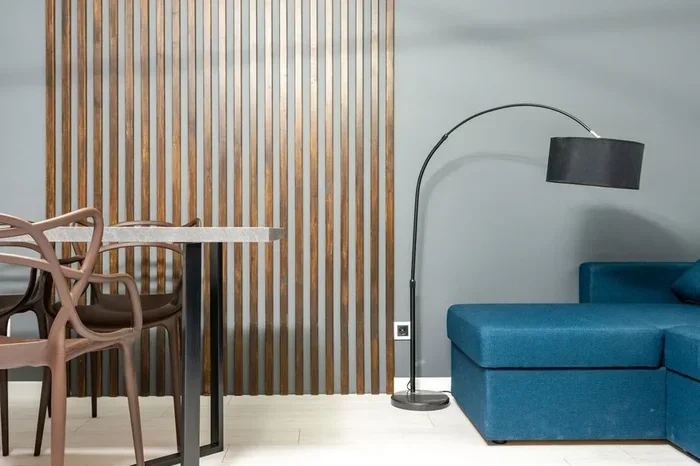
A wood accent wall adds warmth and natural beauty to any room. Reclaimed wood planks, shiplap, and herringbone patterns are all trending right now. Wood works beautifully in living rooms, bedrooms, and even kitchens. It softens hard surfaces and creates a cozy atmosphere.
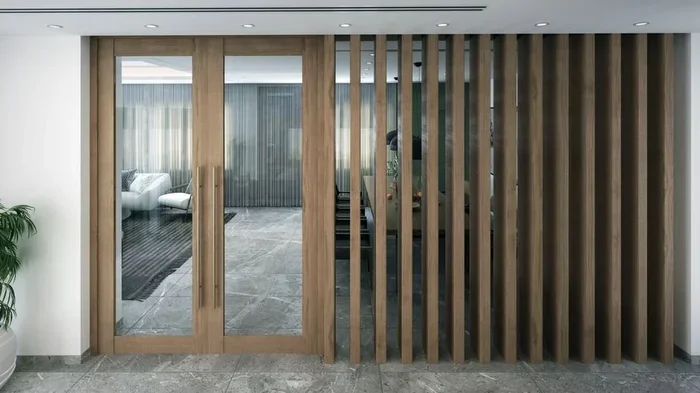
If you love the living room wood accent wall look, consider using horizontal planks for a modern feel. Vertical planks make a room feel taller. Herringbone or chevron patterns add a touch of elegance. You can stain the wood dark for a rustic look or keep it light for a Scandinavian vibe.
Stone or Brick Accent Wall
Natural stone or exposed brick gives a room an earthy, textured feel. This look works especially well in industrial-style and farmhouse interiors. A stone wall behind a fireplace or a media console becomes an instant conversation starter.
You can use real stone for a premium look or opt for faux stone panels for an easier install. Both options add depth and character. The rough texture contrasts beautifully with smooth furniture and clean lines.
Geometric and Patterned Accent Wall
Geometric patterns bring energy and modern flair to a room. Think hexagons, triangles, or chevron designs. You can create these with paint, wallpaper, or even 3D wall panels. This style is perfect for a living room wall design that feels fresh and artistic.
Patterned walls work best in rooms with neutral furniture. Let the wall do the talking and keep the rest of the room simple. This balance prevents the space from feeling overwhelmed.
Materials and Textures That Elevate Your Wall
The material you choose sets the tone for the entire room. Each option has its own personality and appeal. Here is a closer look at the most popular materials for an interior design accent wall.
Wall Panels and Cladding
Wall panels are one of the easiest ways to create an instant accent wall. They come in wood, MDF, PVC, and composite materials. Panels can mimic the look of stone, brick, or carved wood without the heavy cost. They attach directly to the wall with adhesive or screws, making installation a breeze.
If you are exploring options, check out living room wall panel design ideas for inspiration. Panels work well in both modern and traditional settings. They add dimension without the need for complex carpentry.
Metal and Industrial Accents
Metal wall panels, screens, and grids bring a sleek, contemporary feel. Brass, copper, and blackened steel are all popular choices. Metal accents pair well with concrete, wood, and neutral color palettes. They add a touch of luxury and sophistication to any space.
For a curated look, browse minimalist wall decor for living room options that incorporate metal elements. Clean metal lines complement modern furniture and open floor plans perfectly.
Textured Plaster and Lime Wash
Plaster and lime wash create a soft, handmade texture that feels timeless. Venetian plaster, for example, gives walls a subtle sheen and depth. Lime wash produces a chalky, matte finish that looks beautiful in sunlit rooms. Both techniques work wonderfully as an accent wall in bedrooms and living areas.
Color Schemes That Make Your Accent Wall Pop
Color is one of the most powerful tools in interior design accent wall projects. The right shade can completely change the mood of a room. Here are some approaches that always work.
Bold and Dark Colors
Deep navy, forest green, charcoal gray, and rich burgundy make stunning accent wall colors. Dark tones create a dramatic, intimate feel. They work best in rooms with good natural light. Pair a dark accent wall with light furniture to keep the space balanced.
Soft and Neutral Tones
Soft whites, warm beiges, and muted pastels create a calming accent wall. These colors blend seamlessly with existing decor. They are perfect if you want a subtle change rather than a bold statement. A living room wall paint design in a soft tone can make the room feel larger and more open.
Two-Tone and Contrast Approaches
Using two colors on one wall creates a striking visual effect. For example, the lower half in a dark shade and the upper half in a light shade. You can also use a contrasting color behind shelving or artwork. This approach adds depth and makes your decor pieces stand out even more.
| Color Approach | Best For | Mood Created |
|---|---|---|
| Bold Dark Tones | Living rooms, dining rooms | Dramatic, cozy, intimate |
| Soft Neutral Tones | Bedrooms, hallways | Calm, airy, spacious |
| Two-Tone Contrast | Any room with shelving | Dynamic, artistic, layered |
| Metallic Accents | Luxury or modern spaces | Sophisticated, glamorous |
Common Mistakes to Avoid When Designing an Accent Wall
Even the best accent wall ideas can go wrong if you skip the basics. Here are the most common mistakes homeowners make and how to avoid them.
- Choosing the wrong wall: The accent wall should be the first wall people see when entering the room. Avoid placing it on a wall hidden behind furniture or doors.
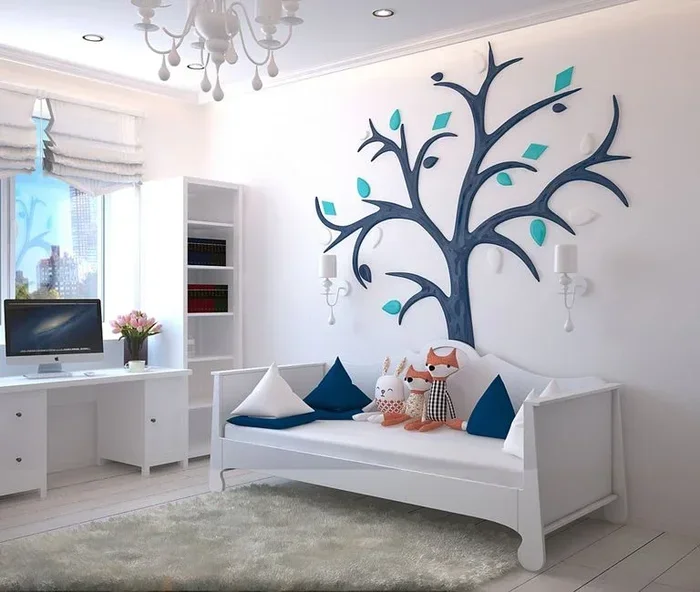
- Overcrowding the design: An accent wall should complement the room, not compete with it. Keep the rest of the decor relatively simple to let the wall shine.
- Ignoring lighting: A wall without proper lighting can lose its impact. Add wall sconces, picture lights, or recessed lighting to highlight the texture and color.
- Using the wrong scale: Small patterns on a large wall can look busy. Large patterns on a small wall can feel overwhelming. Choose designs that match the size of your space.
- Skipping the test run: Always test paint colors or materials on a small section first. View them at different times of the day to see how light affects the look.
By avoiding these pitfalls, your interior design accent wall will look polished and professional. Take your time planning, and the results will speak for themselves.
How to Install an Accent Wall (Quick Guide)
Many accent wall projects are easier than you might think. Here is a quick overview of the installation process for the most common options.
- Choose your wall: Pick the wall that serves as the natural focal point of the room.
- Prepare the surface: Clean the wall, fill any holes, and sand it smooth. A clean surface ensures better adhesion and a flawless finish.
- Measure and plan: Mark your layout with a level and pencil. This step is especially important for patterns, shiplap, or panel installations.
- Install the material: Follow the manufacturer’s instructions for your chosen material. Panels usually attach with adhesive or screws. Paint and wallpaper require proper priming and application techniques.
- Finish and style: Add trim, molding, or edge details for a polished look. Then style the wall with accent pieces for living room like artwork, shelves, or a statement clock.
Most accent wall projects can be completed in a weekend. If you are not comfortable with DIY, hire a local contractor. The investment is small compared to the transformation you will see.
Expert Tips for a Show-Stopping Accent Wall
Want to take your accent wall from good to great? Here are some expert tips that make all the difference.
- Use lighting to highlight texture: Uplighting or downlighting casts dramatic shadows on textured walls. This makes stone, wood, and panel details pop.
- Mix materials for depth: Combine wood and metal, or stone and paint, for a layered look. This adds visual complexity without cluttering the space.
- Think beyond the living room: Accent walls work beautifully in bedrooms, bathrooms, hallways, and even home offices.
- Consider the ceiling height: In rooms with low ceilings, use vertical elements to draw the eye upward. Shiplap, vertical slats, or tall wallpaper patterns can make a room feel larger.
- Keep it balanced: If your accent wall is bold, keep the rest of the room neutral. Let the wall be the star of the show.
These small details elevate your design and give the room a cohesive, intentional feel. An interior design accent wall should feel like it belongs in the space, not like an afterthought.
Bringing It All Together
An accent wall is one of the most rewarding decorating projects you can tackle. It is affordable, customizable, and instantly transformative. Whether you choose a wood accent wall, a bold paint color, or a textured panel, the results speak for themselves.
Start by choosing the right wall and material for your space. Consider the lighting, the furniture, and the overall style of the room. Plan your layout carefully, and do not be afraid to test colors or patterns first. With the right approach, your interior design accent wall will become the centerpiece of your home.
Take inspiration from living room wall design trends, explore different materials, and trust your instincts. The best accent wall is the one that reflects your personal style and makes you feel at home. So pick an idea, gather your supplies, and start creating. Your dream room is just one wall away.
Frequently Asked Questions
What is the best wall to use as an accent wall?
The best wall is the one that naturally draws attention when someone enters the room. Usually, this is the wall behind the main sofa, the headboard wall in a bedroom, or the wall facing the entrance. Choose a wall that is visible and unobstructed by large furniture pieces.
Can I create an accent wall in a small room?
Absolutely. In fact, an accent wall can make a small room feel more dynamic and intentional. Use lighter colors or subtle textures to avoid making the space feel cramped. A well-designed accent wall adds depth without shrinking the room.
What materials are easiest to install as an accent wall?
Wall panels, peel-and-stick wallpapers, and paint are the easiest options. Panels attach with adhesive or screws and require minimal tools. Peel-and-stick wallpaper peels off cleanly and works great for renters. A fresh coat of paint is the simplest and most budget-friendly option of all.
How much does it cost to create an interior design accent wall?
Costs vary widely depending on the material. Paint accent walls can cost as little as $50 to $150 in supplies. Wood panels typically run between $200 and $800. Natural stone or custom cladding can range from $500 to $2,000 or more. The good news is that all options are far cheaper than a full room renovation.
Do accent walls go out of style quickly?
Not if you choose timeless materials and neutral color palettes. Wood, stone, and classic paint colors have lasting appeal. If you want to keep up with trends, you can always update accessories and styling on the wall. The base material or design can stay the same for years.
Can I combine an accent wall with built-in shelving?
Yes, combining an accent wall with built-in shelving is a fantastic idea. The shelving adds functionality while the accent wall provides a beautiful backdrop. This combination works especially well in living rooms and home offices. It creates a cohesive, designed look that feels both stylish and practical.