Home Interior Wall Design Ideas That Transform Your Space
Home interior wall design is one of the fastest ways to completely change the look and feel of any room. Whether you prefer bold accent walls, elegant wall panels, or minimalist wall art, the right wall treatment can turn a plain space into a stunning focal point. This guide covers the best ideas, color combos, materials, and practical tips to help you redesign your walls with confidence.
Your walls are the biggest canvas in any room. They set the stage for everything else in your space. Yet so many people overlook the power of a well-designed wall. The good news? You do not need a big budget or a renovation crew to make a dramatic change. With the right home interior wall design, you can completely transform how a room feels, looks, and functions.
Think about it. When you walk into a room, your eyes naturally go to the walls first. They are the largest surface area in any space. So why settle for plain white when you could have texture, color, pattern, or a beautiful feature that ties the whole room together? This guide will walk you through the best home interior wall design ideas, from simple paint changes to bold architectural features. You will find practical tips, popular trends, and creative inspiration you can use right away.
Key Takeaways
- Accent walls create instant impact: A single featured wall adds depth, color, and personality without overwhelming a room.
- Mixing textures and materials elevates design: Combining wood, stone, metal, and paint gives walls a layered, curated look.
- Wall color sets the mood: The right palette can make a small room feel larger or a large room feel cozier.
- Wall panels and moulding add architectural interest: These features bring dimension and a high-end finish to any wall surface.
- Wall art and decor finish the look: Choosing the right pieces ties the entire room together and reflects your personal style.
📑 Table of Contents
Why Wall Design Matters More Than You Think
Walls do more than just hold up your roof. They shape the mood of your entire home. The right wall treatment can make a tiny living room feel open and airy. It can make a large basement feel warm and inviting. Poor wall choices, on the other hand, can make even the most beautiful room feel flat and forgettable.
Here is why investing time in your home interior wall design pays off big time:
- Walls define the style of a room. A textured stone wall screams rustic charm. A sleek metal wall panel screams modern luxury. Your wall choice tells a story before you even say a word.
- Color affects your emotions. Soft blues and greens calm you down. Warm yellows energize a space. Dark charcoal adds drama and sophistication.
- Texture adds depth. A flat painted wall looks fine. But add some wood panelling or a subtle 3D tile pattern, and suddenly the room has character.
- Walls create focal points. A well-designed feature wall draws the eye and gives the room a centerpiece that anchors everything else.
The Science Behind Wall Colors
Color psychology plays a huge role in interior design. Studies show that wall colors directly affect mood, productivity, and even sleep quality. Cool tones like blue and green lower heart rate and reduce stress. Warm tones like terracotta and cream create a cozy, welcoming vibe. Neutral tones like beige and soft gray offer flexibility and work with almost any decor style.
When choosing your home interior wall design color palette, always test a small patch first. Paint a 2×2 foot section and live with it for a day or two. Colors look different in morning light versus evening light. What looks perfect at noon might feel completely different at sunset.
Top Home Interior Wall Design Ideas to Try
Now let us get to the fun part. Here are some of the most popular and effective wall design ideas you can bring into your home today. Each one comes with real-world examples and tips to help you pull it off.
1. The Accent Wall
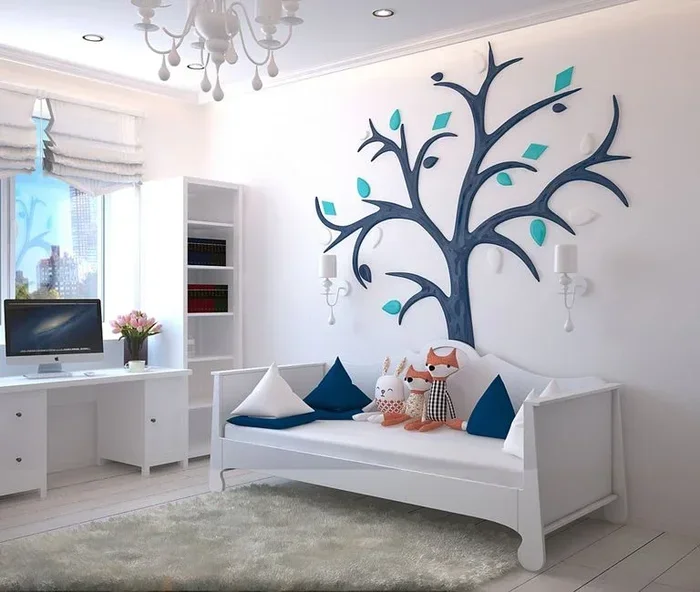
An accent wall is the easiest and most affordable way to add drama to any room. It is simply one wall that stands out from the rest. You can achieve this with a bold paint color, a textured material, or even a striking wallpaper pattern.
Accent walls work beautifully behind a sofa, bed, or dining table. They create a natural focal point that anchors the furniture arrangement. The key is to choose a color or texture that complements the rest of the room without competing with it.
Some popular accent wall materials include:
- Wood planks or shiplap for a warm, rustic feel
- Stone or brick veneer for an industrial or farmhouse look
- Metallic panels for a sleek, modern vibe
- Hand-painted murals or wall stencils for a custom artistic touch
If you love the idea of an accent wall but are not ready to commit to a bold color, try using a wallpaper with a subtle pattern. It adds visual interest without being overwhelming. You can also explore living room wall design options that blend accent walls with other decorative elements for a polished look.
2. Wall Panels and Moulding
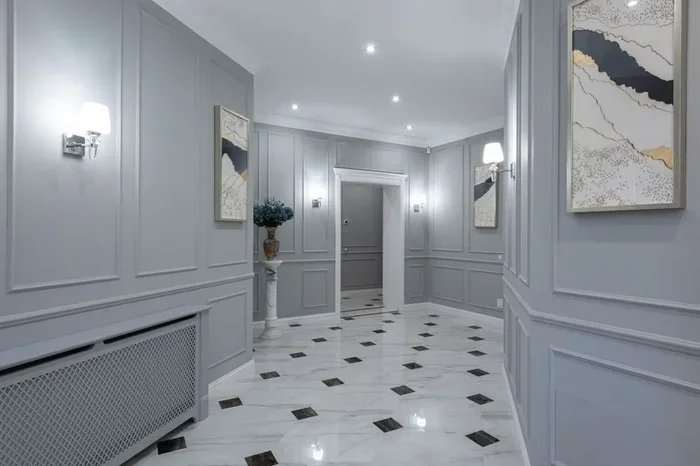
Wall panels and moulding are having a major comeback right now. They add architectural detail that makes a room look expensive and intentional. You do not need a historic home to pull this off. Modern wall panels work in apartments, condos, and new builds alike.
Wall panelling comes in many forms. Raised panel wainscoting gives a classic, timeless look. Flat panel systems offer a cleaner, more contemporary feel. 3D geometric panels add a trendy, sculptural quality that catches the light beautifully throughout the day.
Here is why wall panels are worth considering:
- They hide wall imperfections like cracks and uneven surfaces
- They add insulation and soundproofing to the room
- They are easy to install and remove if you rent
- They work with almost every decor style from farmhouse to modern minimalist
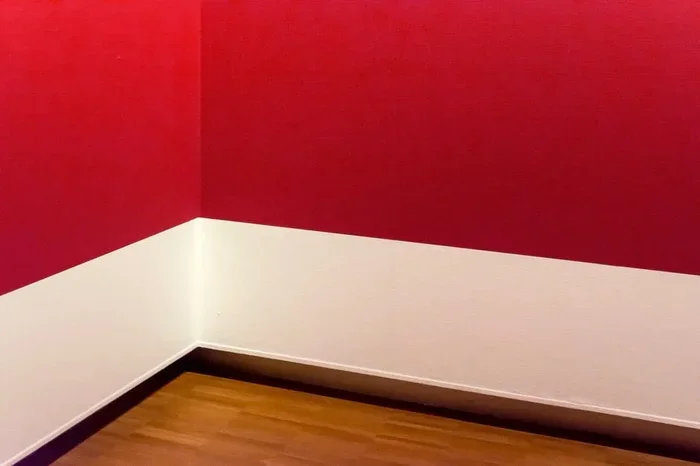
For a clean, modern look, try horizontal wall moulding at chair-rail height. Paint the upper section one color and the lower section another. This two-tone technique adds dimension without being too busy. If you want more inspiration, check out our guide on living room wall panelling ideas for detailed styling tips.
3. Paint Techniques and Color Combinations
Paint is the most versatile tool in home interior wall design. But it is not just about picking a color from a swatch. The way you apply paint matters just as much as the color itself.
Here are some paint techniques that add instant visual interest:
- Color blocking. Paint different sections of the wall in contrasting colors. Think bold navy on the bottom half and crisp white on top. This creates a clean, modern divide that looks intentional and striking.
- Ombré fading. Blend one color into another for a soft, dreamy gradient effect. This works beautifully in bedrooms and living rooms where you want a calming atmosphere.
- Rag rolling or sponging. Apply a second color with a rag or sponge for a subtle textured finish. It adds depth without overwhelming the space.
- Two-tone walls with moulding. Use chair rail or wainscoting as a divider between two colors. This is a timeless technique that never goes out of style.
When choosing your wall color combination, stick to the 60-30-10 rule. 60% of the room should be your dominant color (usually the walls), 30% should be a secondary color (furniture and curtains), and 10% should be an accent color (pillows, art, and decor). This balance creates a harmonious look that feels put-together without being rigid.
If you are dealing with oak floors, you will want to make sure your wall colors complement the wood tone. Warm oak pairs well with soft whites, creamy beiges, and muted greens. Dark oak looks stunning with deep blues, charcoal grays, and rich navy. For more specific guidance, read our article on living room wall colors for oak floors.
4. Textured Walls and Natural Materials
Texture is one of the most underrated elements in interior design. A textured wall adds tactile interest that you can almost feel before you even look at it. It catches light in interesting ways and creates shadows that make the wall come alive.
Some trending textured wall materials right now include:
- Limewash paint for a soft, breathable, organic finish
- Exposed concrete for an industrial, urban edge
- Woven grass or rattan panels for a bohemian, earthy feel
- Ceramic tiles in geometric patterns for a Mediterranean or Moroccan vibe
Natural materials like wood, stone, and woven fibers are especially popular in 2024 and beyond. They bring warmth and a sense of connection to nature indoors. Even if your home has a modern aesthetic, a single textured wall can soften the space and make it feel more inviting.
One of the easiest ways to add texture without a major project is through wall tiles. They come in every size, color, and material imaginable. You can use them on a full wall or just as a backsplash in a specific area. For more ideas on incorporating tiles into your design, explore living room wall tiles design options.
Wall Decor and Art: Finishing the Look
Once your walls are prepped and painted, it is time to think about decor. Wall art and accessories are what turn a good wall design into a great one. They add personality, color, and visual interest that ties the whole room together.
Choosing the Right Wall Art
The art you choose should reflect your personal taste and complement the overall design. Here are some guidelines that work for almost any space:
- Size matters. A small print lost in a large empty wall looks lost. Go bigger than you think you need. A oversized piece or a gallery wall of smaller works creates a much stronger visual impact.
- Consider the wall color. Bold art pops against neutral walls. Subtle art works better on busy or dark walls. Let the wall be the backdrop and the art be the star.
- Mix frames and styles for an eclectic look. Or keep everything uniform for a clean, gallery-style presentation. Both approaches work. Consistency is the key.
For a minimalist approach, consider a single large piece of minimalist wall art on an otherwise clean wall. This creates a sense of calm and intentional design. If you prefer something more dramatic, a luxury wall art piece with gold or brass framing adds instant elegance and sophistication.
Mirror Walls and Reflective Surfaces
Mirrors are a secret weapon in wall design. They reflect light, make rooms feel larger, and add a touch of glamour. A well-placed mirror can completely change the perception of a small space.
You can use a single large mirror as a statement piece. Or group several mirrors of different sizes and shapes for a modern, curated look. Mirrors with decorative frames add an extra layer of style. They work especially well in entryways, dining rooms, and living areas where they can catch natural light from windows.
For more inspiration on using mirrors in your design, check out our collection of mirror wall decor for living room ideas.
Common Mistakes to Avoid in Wall Design
Even the best intentions can lead to wall design mistakes. Here are the most common pitfalls and how to avoid them:
- Skipping the test patch. Always paint a sample before committing to a full wall. Colors look completely different on a large surface than on a tiny swatch.
- Choosing trends over timelessness. That bold geometric wallpaper might look amazing today, but will you still love it in five years? When in doubt, choose designs that have lasting appeal.
- Ignoring the room’s function. A glossy, high-sheen paint might look gorgeous in a living room, but it shows every fingerprint and scuff in a hallway or kids’ room. Choose the right finish for the right space.
- Overcrowding the wall. More is not always better. Give your walls some breathing room. A few well-chosen pieces look far better than a cluttered gallery wall with no cohesion.
- Forgetting about lighting. The same wall color looks completely different under warm bulbs versus cool bulbs. Always check your wall color in the lighting conditions the room actually has.
Quick Tips for a Stunning Wall Design
Here are some fast, actionable tips you can use right away:
- Start with a mood board. Collect images of walls you love and look for patterns in color, texture, and style.
- Use paint samples on large boards. Tape them to your wall and observe them at different times of day.
- Invest in quality primer. A good primer makes any paint color look richer and last longer.
- Add dimmable wall sconces. They create ambiance and highlight textured walls beautifully at night.
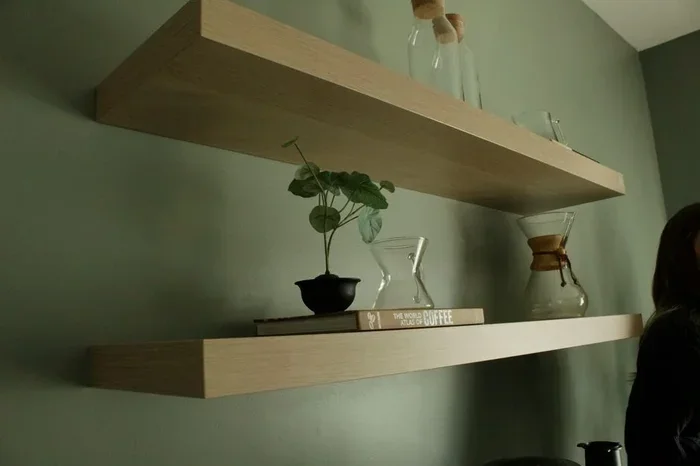
- Think vertically. Vertical wall panels or tall shelving draws the eye upward and makes ceilings feel higher.
Expert Insights on Modern Wall Design Trends
Interior designers agree that 2024 is all about personalization and texture. The trend toward minimalism is giving way to more layered, intentional designs. People want walls that tell a story and feel authentic to their lifestyle.
“The biggest shift we are seeing is clients moving away from all-white walls,” says Sarah Mitchell, a certified interior designer with over 15 years of experience. “They want warmth, character, and materials that feel real. A single feature wall with natural wood or hand-applied plaster can completely change the energy of a room.”
Another trend gaining traction is the use of wall fountains as a living design element. Indoor water features add movement, sound, and a sense of tranquility that static decor simply cannot match. They work particularly well in entryways, meditation spaces, and luxury living rooms.
Sustainability is also shaping wall design choices. More homeowners are opting for eco-friendly paints, reclaimed wood panels, and natural fiber wall coverings. These materials reduce environmental impact while adding genuine character and warmth to a space.
Conclusion
Home interior wall design is one of the most impactful and affordable ways to transform your living space. Whether you choose a bold accent wall, elegant wall panels, or a carefully curated gallery of art, the right wall treatment sets the tone for your entire home. Start with one room, experiment with color and texture, and build from there. The beauty of wall design is that it is forgiving. You can always change a paint color, swap out art, or add new panels without a major renovation.
Take the tips and ideas from this guide and make them your own. Trust your instincts, test your choices, and most importantly, have fun with the process. Your walls are waiting to tell your story. Make sure the story is a good one.
Frequently Asked Questions
What is the best wall design for a small living room?
For small living rooms, light and neutral wall colors work best because they reflect light and make the space feel open. A single accent wall with a slightly darker shade adds depth without shrinking the room. Avoid busy patterns on all walls and keep decor minimal to maintain a sense of openness.
How do I choose the right wall color for my home?
Start by considering the natural light in each room. North-facing rooms look better with warm tones. South-facing rooms can handle cool tones. Always test a sample on your actual wall and observe it for 24 hours before making a final decision.
Are wall panels expensive to install?
Wall panels range widely in price depending on the material. PVC and MDF panels are affordable and easy to install yourself. Natural wood and stone panels cost more but add significant value. Many panel systems are designed for simple click-together installation that does not require professional help.
Can I combine multiple wall textures in one room?
Yes, combining textures adds visual richness and depth. The key is to keep a consistent color palette so the textures feel cohesive rather than chaotic. For example, pair a wood accent wall with smooth painted walls and a woven textile panel for a balanced, layered look.
What wall art styles are trending right now?
Current trends include oversized abstract pieces, minimalist line art, botanical prints, and curated gallery walls with mixed frame styles. Many homeowners are also gravitating toward handmade and artisanal wall pieces that add unique character to a space.
How often should I update my wall design?
There is no set timeline. Paint can be refreshed every 5 to 7 years or whenever you feel the space needs a lift. Wall panels, moulding, and architectural features are more permanent investments. Focus on updating wall art, wallpaper, and accessories more frequently for a fresh look without major changes.