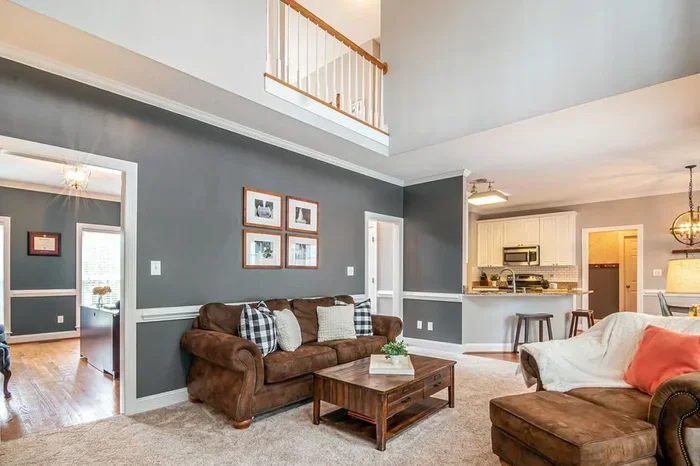
How to Arrange Two Different Sofas in Your Living Room
how to arrange two different sofas in living room is an essential topic that provides valuable insights.
Key Takeaways
- Start with your focal point: Position the larger sofa first relative to the room’s focal point, then arrange the second sofa to complement it.
- Create visual balance: Match scale and proportion between the two sofas to keep the room feeling harmonious and intentional.
- Use a shared rug: A rug that anchors both sofas ties them together and defines the seating area clearly.
- Repeat colors through accessories: Use throw pillows, blankets, and side tables to create a common color thread between the two pieces.
- Avoid pushing sofas against walls: Pulling furniture slightly inward opens up the conversation area and makes the room feel larger.
- Mix textures, not patterns: Pair different textures like velvet and linen for interest without overwhelming the space.
- Trust your personal style: Design rules are guides, but your comfort and taste matter most in making the space feel like home.
📑 Table of Contents
Why Arrange Two Different Sofas in Your Living Room?
You might wonder why anyone would want two different sofas. The truth is, it happens for many reasons. Maybe one sofa is a hand-me-down. Perhaps you found a great deal on a second piece. Or you simply love the contrast it creates.
Whatever your reason, two different sofas offer unique design opportunities. You can play with textures, colors, and shapes. This approach adds personality and depth to your room. It also lets each person in the household choose a style they love.
The key is making the arrangement look deliberate. When done right, having two different sofas becomes a statement piece in your home. It shows creativity and confidence in your design choices.
Understanding Your Space First
Before you move any furniture, take a good look at your room. Measure the length and width of the space. Note where the windows, doors, and outlets are located. This basic step makes everything else much easier.
Think about the room focal point. Is it a fireplace? A large window? A TV wall? Your focal point guides where you place the main sofa. The second sofa should complement that placement, not compete with it.
Also consider the traffic flow in the room. You want enough space to walk around comfortably. A good rule of thumb is to leave at least 30 inches between furniture and walkways. This keeps the room feeling open and welcoming.
Choosing the Right Layout for Two Different Sofas
The layout you choose depends on your room size, shape, and how you use the space. Here are some proven options that work well for two sofa arrangement.
The L-Shaped Layout
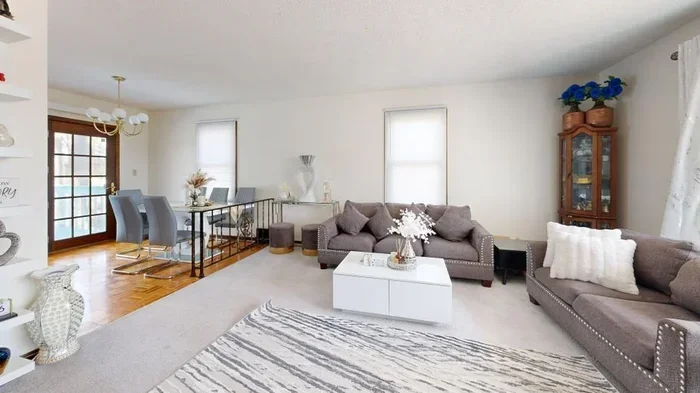
This is one of the most popular setups for two different sofas. Place one sofa against a main wall and angle the second sofa to form an L shape. This creates a natural conversation area that feels cozy and inviting.
The L-shape works great in medium-sized rooms. It maximizes seating without blocking pathways. You can add a coffee table placement in the center to tie the two pieces together.
The Facing Layout
Face both sofas toward each other to create a dialogue setup. This works well in rectangular rooms or open-concept spaces. Place a rug underneath both sofas to define the zone.
This arrangement encourages conversation and connection. It also makes the room feel balanced and symmetrical, even with two different pieces. Add a couple of accent chairs in between for extra seating.
The Floating Layout
In this setup, neither sofa sits against a wall. Both pieces float in the middle of the room. This works best in larger spaces with a clear center area.
The floating layout creates a sense of visual balance. It draws the eye toward the middle of the room. This approach is perfect for open floor plans where you want to define a seating zone without closing it off.
Creating Visual Harmony with Mismatched Sofas
Having two different sofas does not mean they will clash. There are several tricks to make them look like a intentional seating arrangement. Let us explore the best ways to create harmony.
Use a Common Color Thread
Even if your sofas are different colors, find a way to link them. This could be through throw pillows, a blanket, or the rug placement underneath. A shared color element ties everything together.
For example, if one sofa is gray and the other is navy, use cushions in both colors plus a third neutral tone. This creates a color coordination that feels polished and put-together.
Match the Scale and Proportion
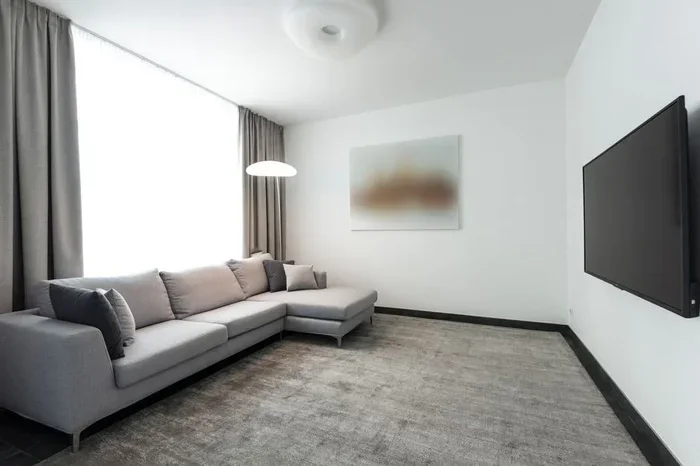
One sofa should not completely overpower the other. Try to find pieces that are similar in scale and proportion. If one sofa is a large sectional, pair it with a smaller loveseat or a sleek two-seater.
Balancing the size of your pieces keeps the room from feeling lopsided. It also ensures that neither sofa dominates the space. Think about the overall negative space around each piece too.
Mix Textures, Not Patterns
When two sofas look different, mixing textures is a safe bet. Try pairing a velvet sofa with a linen one. Or combine a leather piece with a fabric sofa. The contrast in textures adds interest without creating chaos.
Avoid mixing too many bold patterns at once. Stick to one patterned sofa and keep the other solid. This keeps the asymmetrical layout feeling fresh instead of overwhelming.
Adding the Right Accessories to Tie It Together
Accessories play a huge role in making two different sofas feel like a unified furniture arrangement. Without the right extras, the room can look disjointed. Here is how to get it right.
Rug Selection Matters
A well-chosen rug anchors both sofas and creates a shared foundation. Pick a rug large enough that the front legs of both sofas sit on it. This simple trick makes the entire seating area feel connected.
Choose a rug that pulls colors from both sofas. This creates a visual bridge between the two pieces. A neutral rug with subtle patterns works in almost any setting.
Throw Pillows and Blankets
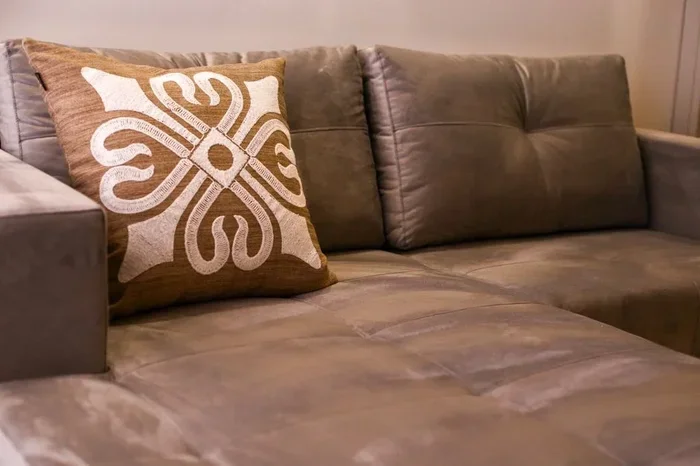
Throw pillows are your best friend when styling mismatched sofas. Use them to repeat colors, add texture, and fill empty space. Mix sizes and shapes for a relaxed, curated look.
Blankets draped over the armrest add warmth and softness. They also give you an easy way to introduce a third or fourth color into the mix. These small touches make a big difference in the overall feel.
Lighting and Side Tables
Place a side table next to each sofa for functionality and balance. A matching pair of side tables helps unify two different sofas. Even if the sofas are not alike, similar tables create symmetry.
Good lighting sets the mood and highlights your arrangement. A floor lamp next to one sofa and a table lamp next to the other creates a layered lighting effect. This makes the room feel warm and inviting at any time of day.
Common Mistakes to Avoid When Arranging Two Sofas
Even with the best intentions, it is easy to make mistakes. Here are common pitfalls and how to avoid them.
Pushing Both Sofas Against the Walls
Many people push all furniture flat against the walls. This creates a dull, empty feeling in the center of the room. Instead, try pulling your sofas slightly inward. This opens up the conversation area and makes the room feel larger.
Ignoring the Room’s Proportions
Oversized sofas in a small room feel cramped. Tiny sofas in a large room look lost. Always consider your room’s size before choosing or placing any piece. Measure your space and stick to a plan.
Forgetting About Function
How do you use your living room? Do you watch TV? Do you host guests? Your sofa orientation should match your daily habits. A beautiful arrangement that does not work for your lifestyle will quickly feel frustrating.
Expert Tips for a Stunning Two-Sofa Setup
Interior designers use a few tricks that make any arrangement look effortless. Here are some expert-backed tips you can use right away.
Start with the larger sofa first. Place it in the best position relative to the focal point. Then arrange the second sofa to complement it. This ensures the main piece always has the best seat in the house.
Use a room divider if needed. In open-concept spaces, a bookshelf or curtain between the sofas can define separate zones. This works especially well when the two sofas serve different purposes.
Step back and assess regularly. After placing both sofas, walk around the room. Look at the arrangement from different angles. Make small adjustments until the visual balance feels right.
Trust your instincts. Design rules are helpful guides, but your personal taste matters most. If a layout feels right to you, it probably is. Have fun with the process and make the space your own.
Quick Tips
- Leave at least 30 inches of walking space around furniture
- Use a shared rug to anchor both sofas together
- Repeat one color from each sofa in your throw pillows
- Start with the larger sofa and build around it
- Mix textures instead of matching fabrics exactly
Layout Comparison at a Glance
- L-Shaped Layout: Best for medium rooms, creates a cozy conversation nook, easy to add a coffee table
- Facing Layout: Ideal for open-concept spaces, encourages face-to-face interaction, works well with a rug anchor
- Floating Layout: Great for large rooms, creates a modern feel, defines zones without walls
Conclusion
Arranging two different sofas in your living room is easier than most people think. The secret is to focus on balance, scale, and visual connection. Start by understanding your space and choosing a layout that fits your lifestyle. Then use color, texture, and accessories to tie the two pieces together.
Remember, there is no single perfect way to do this. Your room, your rules. Experiment with different setups until you find what feels right. The best furniture arrangement is one that makes you feel comfortable and happy every time you walk into the room.
Now you have all the tools and tips you need. Go ahead, move those sofas around, and create a living room layout you truly love. Your space has so much potential, and two different sofas can make it truly unique.
Frequently Asked Questions
Can I place two different sofas opposite each other?
Yes, placing two different sofas opposite each other creates a facing layout that works well in open-concept spaces. Use a rug underneath both to define the seating area and tie the pieces together visually.
What is the best rug size for two sofas?
The rug should be large enough that the front legs of both sofas rest on it. A rug that is at least 8 by 10 feet usually works well for a two-sofa setup. This anchors the furniture and creates a cohesive look.
How do I make two mismatched sofas look intentional?
Use a common color thread through throw pillows, blankets, or the rug. Matching textures or keeping one sofa solid while the other has a pattern also helps create a deliberate, curated feel.
Should both sofas be the same height?
Not necessarily. Similar heights create a balanced look, but slight differences can add visual interest. Just make sure neither sofa completely overpowers the other in scale or proportion.
What if my living room is too small for two sofas?
Choose smaller-scale pieces like a loveseat and a compact two-seater. Use a floating layout to keep walkways clear. A well-placed rug and minimal accessories will keep the room feeling open and uncluttered.
How far apart should two sofas be placed?
Keep about 6 to 8 feet between the two sofas for comfortable conversation. This distance allows easy movement and makes the space feel open. Adjust based on your room size and how you use the area.
=== KEY TAKEAWAYS ===
Key Takeaways
- Start with your focal point: Position the larger sofa first relative to the room’s focal point, then arrange the second sofa to complement it.
- Create visual balance: Match scale and proportion between the two sofas to keep the room feeling harmonious and intentional.
- Use a shared rug: A rug that anchors both sofas ties them together and defines the seating area clearly.
- Repeat colors through accessories: Use throw pillows, blankets, and side tables to create a common color thread between the two pieces.
- Avoid pushing sofas against walls: Pulling furniture slightly inward opens up the conversation area and makes the room feel larger.
- Mix textures, not patterns: Pair different textures like velvet and linen for interest without overwhelming the space.
- Trust your personal style: Design rules are guides, but your comfort and taste matter most in making the space feel like home.