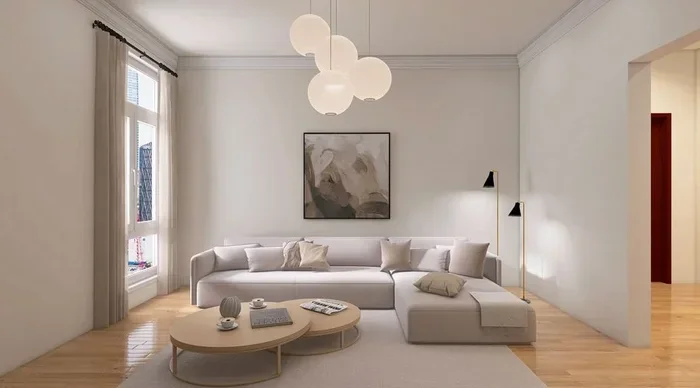
Full House Living Room Design Ideas and Inspiration
A full house living room is the heart of every home, and designing it right can completely change how you feel every day. This guide covers living room design ideas, furniture arrangements, color schemes, and layout tips for any home size. You will learn how to create a cozy living room that fits your style and budget. Whether you prefer modern or traditional looks, these tips will help you make the best choices for your space.
A full house living room is more than just a space to sit and relax. It is where families gather, friends connect, and daily life unfolds. The way you design this room sets the tone for your entire home. Good design makes a room feel comfortable, functional, and beautiful all at once.
If you are planning a living room makeover, you have come to the right place. This guide walks you through proven design ideas and practical tips. You will find everything from furniture selection to color choices and layout planning. Let us dive in and explore how to make your living room the best it can be.
Key Takeaways
- Choose the right layout: A well-planned furniture arrangement makes your full house living room feel spacious and welcoming.
- Mix styles with confidence: Blending modern and traditional elements creates a unique and personal look.
- Lighting matters: Layered lighting transforms the mood and function of your living space.
- Color sets the tone: The right color palette can make a small room feel big and a big room feel cozy.
- Avoid common mistakes: Skipping measurement, ignoring flow, and overcrowding are the top errors to dodge.
- Personal touches win: Adding decor that reflects your personality makes the room truly yours.
📑 Table of Contents
- What Makes a Full House Living Room Special
- Best Full House Living Room Design Styles
- Furniture Layout Tips for Your Living Room
- Color Schemes and Lighting for Your Living Room
- Common Mistakes to Avoid in Living Room Design
- How to Make Your Living Room Feel Like Home
- Quick Tips for a Stunning Living Room
- Conclusion
What Makes a Full House Living Room Special
Every home has a living room, but not every living room feels special. What sets a great room apart is how well it balances style and function. A full house living room serves many purposes. It is a place to watch movies, read books, host guests, and spend time with family.
Understanding Your Space
Before you buy anything, take time to understand your room. Measure the length and width of the space. Note the location of windows, doors, and electrical outlets. These details shape every design decision you make. A room with high ceilings offers different opportunities than a low-ceilinged room. Likewise, a large open space needs a different approach than a small rectangle.
Think about how you use the room each day. Do you need space for kids to play? Do you work from home in this area? Do you host dinner parties often? Your answers guide every choice. The goal is to create a room that works for your real life, not just for photos.
Why Interior Design Matters
Good interior design does more than make a room look nice. It affects your mood, energy, and even sleep quality. A well-designed living room feels calm and inviting. Poor design can make even a large room feel cramped or cold. The right furniture placement, lighting, and color choices create harmony. They guide the eye and make the space feel intentional.
Home interior design is not about following trends. It is about creating a space that feels like you. Your style, your needs, and your personality should shine through every element.
Best Full House Living Room Design Styles
There are many design styles to choose from. Each one brings a different feel to your space. Here are some of the most popular options for a full house living room.
Modern Living Room Style
Modern design focuses on clean lines and simple forms. Furniture tends to have smooth surfaces and minimal ornament. The color palette often includes neutrals like white, gray, and black. Accents come in bold pops of color or metallic finishes. Modern rooms feel open, uncluttered, and fresh.
Key elements of modern design include:
- Sleek furniture with low profiles
- Neutral base colors with one or two accent colors
- Geometric patterns in rugs and pillows
- Minimal decor with intentional placement
- Natural materials like wood and stone
Traditional Living Room Style
Traditional design brings warmth and elegance. Think rich wood furniture, layered textures, and classic patterns. The color palette leans toward warm tones like burgundy, navy, and cream. Traditional rooms feel formal yet cozy. They often feature architectural details like crown molding and built-in shelves.
To achieve this look, focus on these elements:
- Classic furniture pieces with carved details
- Warm color tones and rich wood finishes
- Layered textiles like velvet and brocade
- Symmetrical arrangements around a focal point
- Antique or vintage accessories
Bohemian and Eclectic Styles
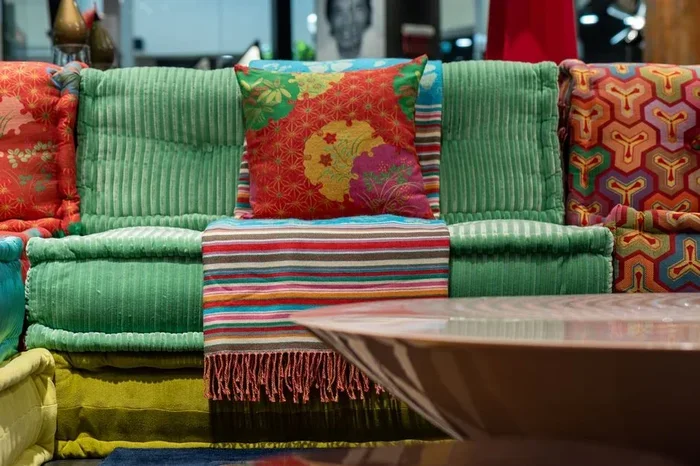
Bohemian design is all about freedom and creativity. It mixes patterns, textures, and colors without rules. Eclectic style takes a similar approach but adds more structure. Both styles work beautifully in a full house living room. They let you express your personality fully.
Bohemian and eclectic tips include:
- Mix and match furniture from different eras
- Use vibrant colors and layered rugs
- Add plants for a natural feel
- Incorporate handmade items and global treasures
- Play with textures like macrame, rattan, and silk
Furniture Layout Tips for Your Living Room
The way you arrange furniture makes or breaks a room. A good layout encourages conversation, allows easy movement, and makes the space feel balanced. Here are practical tips to help you get it right.
Start with the Focal Point
Every room needs a focal point. This could be a fireplace, a large window, a TV wall, or a piece of art. Arrange your main seating around this point. The sofa should face the focal area. Chairs can angle inward to create a cozy conversation zone. This setup draws people into the room and gives it purpose.
Create Zones in Large Spaces
If you have a large open plan home, consider creating zones. A full house living room can serve multiple functions at once. Use area rugs to define each zone. A reading nook might sit beside a window with a comfortable armchair. A media zone could feature a sofa and loveseat facing the TV. A conversation area might have two facing chairs with a coffee table between them.
Zones help a big room feel organized. They give each area a clear purpose without walls or barriers.
Traffic Flow and Walkways
Do not forget about how people move through the room. Leave at least 30 inches of space for walkways. This allows people to pass comfortably without squeezing past furniture. Test your layout by walking the paths before you lock them in. A room that feels easy to move through always feels better than one that does not.
Furniture Scale and Proportion
Choose furniture that fits your room size. A massive sectional will overwhelm a small living room. Tiny furniture will get lost in a large space. Measure your room and bring those measurements when you shop. Look at the room proportions and pick pieces that balance the space. Oversized rooms can handle larger furniture, while smaller rooms benefit from slimmer profiles and raised legs that create a sense of lightness.
Color Schemes and Lighting for Your Living Room
Color and lighting work together to set the entire mood of a room. Get these two elements right, and everything else falls into place.
Choosing the Right Color Palette
Your color palette shapes how the room feels. Cool colors like blue and green create a calm, relaxing atmosphere. Warm colors like red, orange, and yellow bring energy and coziness. Neutrals like beige, taupe, and gray offer a versatile base that works with almost any style.
Here is a simple approach to choosing colors:
- Pick a base color for your walls (usually a light neutral)
- Choose a secondary color for larger furniture pieces
- Add accent colors through pillows, art, and decor
- Use the 60-30-10 rule: 60% dominant color, 30% secondary, 10% accent
This rule creates balance and visual interest without overwhelming the space.
Layered Lighting Design
Lighting is one of the most overlooked aspects of room design. A well-lit room feels alive and welcoming. Use layered lighting to achieve the best results. This means combining three types of light: ambient, task, and accent.
Ambient lighting provides overall illumination. This comes from ceiling fixtures, chandeliers, or recessed lights. Task lighting helps you see clearly for specific activities. Table lamps, floor lamps, and reading lights serve this purpose. Accent lighting highlights features like artwork or architectural details. Track lights and wall sconces work well here.
For a cozy evening feel, dim your ambient lights and rely on task and accent lighting. This simple trick changes the entire atmosphere of the room.
Using Natural Light Effectively
Do not underestimate the power of natural light. Large windows make a room feel open and airy. Sheer curtains let sunlight in while maintaining privacy. If your windows face west, consider lighter colors to offset the warm evening glow. Mirrors placed across from windows bounce light around the room and make it feel brighter and larger.
Common Mistakes to Avoid in Living Room Design
Even the best intentions can lead to design mistakes. Knowing what to avoid saves you time, money, and frustration. Here are the most common errors people make when designing their living room.
Skipping Measurements
Never buy furniture without measuring your space first. A sofa that looks perfect in a store photo may dominate your room. Always bring a tape measure and a floor plan. Sketch the room and mark where doors and windows open. This simple step prevents costly returns and a cramped feel.
Overcrowding the Room
It is tempting to fill every corner with furniture and decor. But overcrowding makes a room feel small and chaotic. Leave breathing room between pieces. A minimalist approach often works better than filling every inch. Focus on quality over quantity. Choose a few meaningful pieces rather than filling the space with everything you find.
Ignoring the Room’s Purpose
Designing a room without thinking about how you use it leads to regret. If you love movie nights, prioritize a comfortable seating setup facing the screen. If you host often, make conversation the focus. Your daily habits should drive every design choice. A room that does not match your lifestyle will never feel truly comfortable.
Neglecting Storage
Every living room needs storage. Without it, clutter builds up fast. Choose furniture with hidden storage like ottomans with compartments or coffee tables with drawers. Built-in shelves and cabinets keep items out of sight. A tidy room always looks better than one stuffed with visible clutter.
How to Make Your Living Room Feel Like Home
After you have the layout, colors, and furniture in place, it is time to add the finishing touches. These personal details turn a designed room into a lived-in space that feels like home.
Add Personal Touches
Display family photos, travel souvenirs, and artwork you love. These items tell your story and make the room uniquely yours. Mix framed photos with other decor items on shelves and side tables. Avoid lining everything up perfectly. A slightly curated, organic feel looks more authentic and inviting.
Incorporate Textiles and Texture
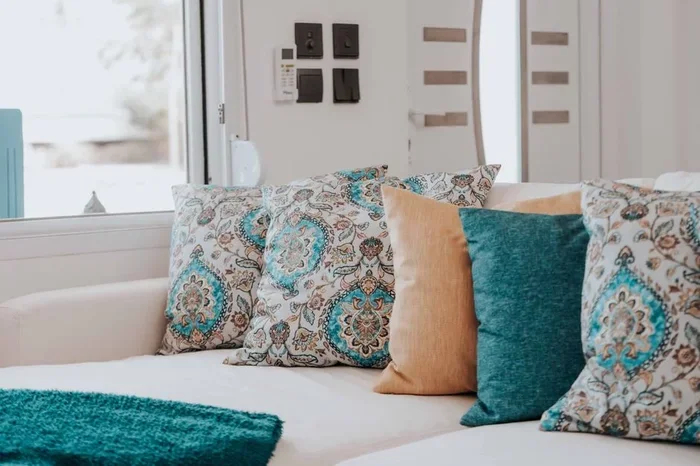
Textiles add warmth and comfort to any room. Throw pillows, blankets, and area rugs create layers of texture. Mix different materials like cotton, linen, wool, and velvet. This adds depth and visual interest. Textiles are also easy to swap out when you want to refresh the look without a major overhaul.
Bring in Greenery
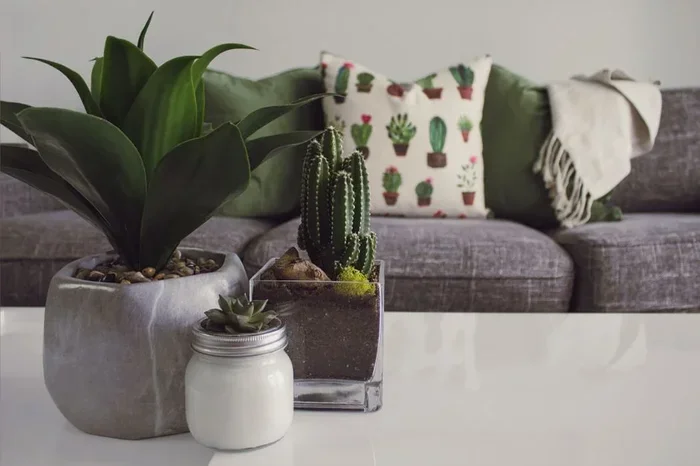
Plants breathe life into a living room. They add color, clean the air, and create a natural focal point. Large floor plants work well in corners and beside furniture. Smaller plants thrive on shelves and side tables. If you do not have a green thumb, choose low-maintenance options like pothos, snake plants, or ZZ plants. They thrive with minimal care and look beautiful in any setting.
Create a Cozy Atmosphere
A cozy living room is about more than just looks. It is about how the room feels when you step inside. Soft lighting, warm blankets, and comfortable seating all contribute. Add a fireplace or a faux fireplace insert for extra warmth. Scented candles or essential oil diffusers engage your sense of smell. The more senses you engage, the cozier the room feels.
Quick Tips for a Stunning Living Room
Here are some fast, actionable tips you can apply right away:
- Pull furniture away from walls. Even a few inches creates a more intimate and conversational setup.
- Use a large rug to anchor the room. All front legs of seating should sit on the rug.
- Hang art at eye level. The center of the artwork should be about 57 inches from the floor.
- Mix old and new pieces. This adds character and prevents the room from looking staged.
- Add a statement light fixture. It draws the eye upward and makes the ceiling feel higher.
- Keep a consistent style. Mixing too many styles can create visual chaos.
- Edit as you go. Remove items that do not serve a purpose or bring you joy.
Conclusion
Designing a full house living room is a rewarding journey. It gives you the chance to shape a space that reflects who you are and how you live. From choosing the right style to arranging furniture and selecting colors, every decision matters. The tips and ideas in this guide give you a strong foundation to work from.
Remember that great design does not have to be expensive. Start with the basics and build from there. Add personal touches over time. Trust your instincts and choose pieces that make you happy. Your living room should feel like a retreat, a place where you can relax and recharge. With the right approach, your full house living room can become the most loved room in your home.
Take what you have learned here and start planning your transformation today. A beautiful, functional living room is closer than you think.
Frequently Asked Questions
What is the best layout for a full house living room?
The best layout depends on your room size and how you use the space. Start by identifying the focal point, then arrange seating around it. Leave clear walkways between furniture pieces. In large rooms, create distinct zones for different activities. A balanced layout should feel open yet inviting.
How do I choose the right color palette for my living room?
Start with a base neutral color for your walls. Add a secondary color through large furniture pieces. Use accent colors in small items like pillows and art. The 60-30-10 rule works well for most rooms. Choose colors that match the mood you want, whether calm and relaxing or energetic and vibrant.
What furniture is essential for a living room?
The essentials include a sofa, a coffee table, and at least one or two chairs. Add an ottoman or side tables for extra seating and surface space. Storage pieces like bookshelves or media consoles help keep the room tidy. Choose furniture that fits the scale of your room and meets your daily needs.
How can I make a small living room feel bigger?
Use light colors on walls and furniture to reflect light. Choose furniture with exposed legs to create a sense of openness. Avoid clutter and keep surfaces clear. Place mirrors near windows to bounce light around. A well-placed area rug can define the space without shrinking it.
What lighting works best for a living room?
Layered lighting is the best approach. Combine ambient light from ceiling fixtures, task light from table and floor lamps, and accent light to highlight decor. Use dimmers to adjust the mood throughout the day. Warm white bulbs create a cozy atmosphere for most living rooms.
How often should I update my living room decor?
You do not need to redesign every year. Small swaps like throw pillows, blankets, and decorative items can refresh the look seasonally. Major furniture pieces should last five to ten years or more. Focus on building a timeless base and adding trendy accents that are easy to change.