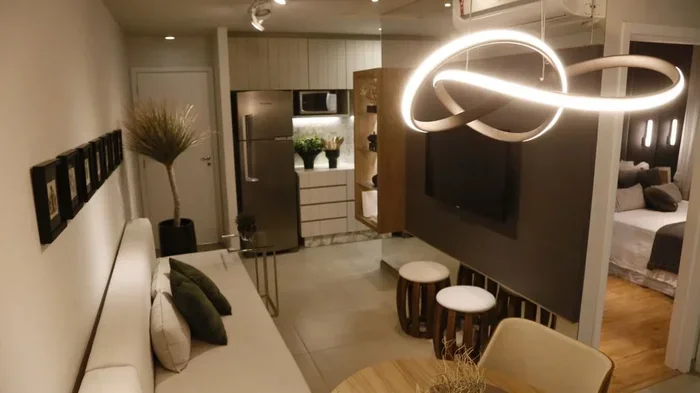
Bright Living Room Ideas That Will Transform Your Space
Bright living room ideas can completely change how your home feels and functions. A well-lit space looks bigger, feels more welcoming, and boosts your mood every single day. This guide covers lighting solutions, color palettes, furniture choices, and window treatments that create a cheerful and open atmosphere. Whether you have a small apartment or a large family room, these tips work for any space. Start transforming your living room into the bright and airy room you deserve.
A bright living room can completely change the way you feel at home. It makes small spaces look bigger and large rooms feel even more inviting. When natural light fills a room, everything looks more vibrant and alive.
Many homeowners struggle with dark or dim living rooms. The good news is that you do not need a huge renovation to fix this. Simple changes like paint colors, mirrors, and light fixtures can make a massive difference. This guide shares practical bright living room ideas that anyone can use. You will learn how to use light to your advantage and create a space that feels open, warm, and cheerful every single day.
Let us dive into the strategies that work. From choosing the right colors to picking the best furniture, every tip here is easy to follow. Whether you live in a tiny apartment or a spacious house, these ideas will help you transform your living room into the sunlit retreat you have always wanted.
Key Takeaways
- Natural light is your best friend: Use sheer curtains, mirrors, and light paint to maximize daylight in your living room.
- Light color palettes make spaces feel larger: Whites, creams, soft yellows, and pastels keep a room feeling open and airy.
- Layered lighting adds warmth and depth: Combine overhead lights, floor lamps, and table lamps for a balanced glow.
- Reflective surfaces boost brightness: Glass, glossy finishes, and metallic decor bounce light around the room naturally.
- Furniture choice matters: Light wood, low-profile sofas, and glass tables keep the floor visible and the room feeling spacious.
- Avoid common mistakes: Dark curtains, heavy furniture, and poor lighting placement can kill the bright feel instantly.
📑 Table of Contents
Why a Bright Living Room Matters
Light affects our mood more than most people realize. A sunlit living room makes you feel happier, calmer, and more energized. On the other hand, a dark room can feel cramped and even a little depressing. This is why bright living room ideas are so popular among homeowners and renters alike.
Here are some real reasons why a bright living room makes a difference:
- It improves your mood: Natural light boosts serotonin levels, which helps you feel more positive and focused.
- It makes spaces look larger: Light reflects off walls and surfaces, creating an illusion of more space.
- It saves energy: A well-lit room during the day means you need fewer electric lights, which lowers your bills.
- It highlights your decor: Colors, artwork, and furniture look their best when properly lit.
- It supports better sleep: Exposure to natural light during the day helps regulate your sleep cycle at night.
If your living room feels dark or dull right now, do not worry. Small changes can bring in a lot of light. The next sections will show you exactly how to do it.
Best Colors for a Bright Living Room
The colors you choose set the foundation for your entire room. If you want a luminous space, your wall colors matter a lot. Dark colors absorb light, while light colors reflect it. This simple fact drives all the best bright living room ideas.
Go for Soft and Warm Tones
White and cream are classic choices for a bright room. But you do not have to stick with pure white. Off-white shades like ivory, eggshell, and soft beige add warmth without blocking light. Soft yellows and pale pastels also work wonderfully. They create a cheerful living room without feeling too sterile.
Use Accent Colors Wisely
You can add personality with light accent colors. Think soft sage green, dusty blue, or light blush pink. These colors keep the room feeling fresh while adding visual interest. The key is to keep the main walls light and use bolder colors only on small accents like throw pillows or artwork.
Paint the Ceiling Lighter Too
This is a trick many people overlook. A white or very light ceiling makes the room feel taller and more open. It bounces light downward, which naturally brightens the entire space. Pair a light ceiling with light walls, and your daylight living room will feel amazing.
Lighting Solutions for a Luminous Space
When natural light is not enough, smart lighting choices step in. A well-designed lighting plan can turn even the darkest room into a warm and inviting space. The goal is to layer different light sources so the room feels balanced and glows from every angle.
Layer Your Light Sources
Relying on just one ceiling light creates harsh shadows and flat lighting. Instead, use a mix of these sources:
- Overhead lights: Choose a fixture that spreads light evenly across the room.
- Floor lamps: Place them in corners to push light into dark spots.
- Table lamps: Use them on side tables for a warm, cozy glow in the evening.
- Wall sconces: These save floor space and add a decorative touch while lighting up walls.
Choose the Right Bulb Temperature
Bulb color temperature makes a big difference. Warm white bulbs (around 2700K to 3000K) create a cozy and inviting feel. Daylight bulbs (4000K and above) mimic natural sunlight and work great for task areas. For a bright living room, warm white bulbs on your main fixtures usually work best.
Add Dimmer Switches
Dimmer switches give you control over the brightness throughout the day. In the morning, you can keep the lights bright. In the evening, you can dim them for a relaxed atmosphere. This small upgrade makes a huge difference in how the room feels.
Furniture and Decor Tips for a Light-Filled Room
The furniture and decor you choose either help or hurt the brightness of your room. Heavy, dark pieces absorb light and make a room feel smaller. The right choices keep the space open and filled with light.
Pick Light Wood Furniture
Light wood tones like oak, birch, and pine reflect more light than dark woods like walnut or mahogany. A light wood coffee table or bookshelf keeps the floor looking open and airy. If you already own dark furniture, consider light-colored slipcovers or throws to soften the look.
Use a Glass Coffee Table
Glass furniture is a secret weapon for bright rooms. A glass coffee table or glass-top side table lets light pass through without blocking anything. This keeps the floor visible and the room feeling spacious. It also adds a modern and elegant touch to any bright living room.
Choose Low-Profile Furniture
Furniture that sits low on the legs lets you see more of the floor. This makes the room feel less cluttered and more open. A low sofa, a slim TV stand, and armless chairs all contribute to a lighter feel. The less furniture blocking the view, the brighter the room will appear.
Add Mirrors Strategically
Mirrors are one of the most powerful tools for a luminous space. They bounce light around the room and create the illusion of another window. Place a large mirror opposite a window to double the incoming light. You can also group smaller mirrors on a wall for a decorative and functional touch.
Windows and Natural Light Boosters
Windows are the main source of natural light in any room. If your windows are covered up or blocked, no amount of artificial light will fully fix the problem. Making the most of your windows is one of the smartest bright living room ideas you can follow.
Use Sheer Curtains
Heavy drapes block light completely. Switch to sheer curtains or light-filtering blinds instead. Sheer fabric lets sunlight pass through while still giving you privacy. They soften the light and make the room feel gentle and welcoming. You can find sheer curtains in many colors and styles to match your decor.
Keep Windows Clean
This sounds simple, but dirty windows block a surprising amount of light. Clean your windows inside and out at least once a month. You will notice an immediate difference in how bright the room feels. Clean windows also let more UV light in, which naturally brightens fabrics and surfaces.
Consider Skylights or Solar Tubes
If your living room has limited windows, a skylight or solar tube can be a game-changer. Skylights bring direct sunlight from above, while solar tubes capture sunlight from the roof and pipe it into the room. These options work especially well for rooms in the center of a home that do not have exterior walls.
Remove Window Obstacles
Furniture placed in front of windows blocks precious light. Pull your sofa or bookshelf away from the window area if possible. Even moving a small table a few inches can let more light flow into the room. Think of your windows as the main light source and keep them as open as possible.
Common Mistakes That Block Brightness
Even with the best intentions, some common choices can work against your goal of a bright room. Avoiding these mistakes keeps your bright living room looking its best.
Using Too Many Dark Elements
Dark walls, dark furniture, and dark rugs all absorb light. If your room has mostly dark elements, it will feel closed in no matter how many lights you add. Balance dark pieces with plenty of light-colored surfaces and reflective materials.
Cluttering the Floor
Too much furniture or scattered items on the floor make a room feel heavy. The eye has nowhere to rest, and the space feels cramped. Keep the floor as clear as possible. Use wall shelves for storage and keep only the essentials on the floor.
Ignoring Wall Decor
Dark artwork or busy wallpaper on every wall can swallow up all the light in a room. Choose lighter frames, simple art, or a single statement piece instead. You can also create a gallery wall with light-colored mats and frames to keep things bright and balanced.
Forgetting About Floor Reflectivity
The floor takes up a lot of visual space in a room. Dark hardwood or thick carpets absorb light and make the room feel smaller. Light-colored rugs, polished floors, or light wood tones help bounce light upward and keep the space feeling open.
Bringing It All Together
Creating a bright living room is not about one single change. It is about combining several small ideas that work together. Start with light paint colors and sheer curtains. Add layered lighting and reflective surfaces. Choose furniture that does not block the light. Avoid common mistakes that drag the room down.
Every room is different, so you do not need to use every tip in this guide. Pick the ideas that fit your space, your budget, and your style. Even a few changes can bring a noticeable difference. The goal is a room that feels open, warm, and full of energy every time you walk in.
Take a look at your living room right now. Where is the light coming from? What is blocking it? What small change can you make today? A brighter, happier living room is closer than you think.
Bright living room ideas work because they focus on what really matters: light, color, and simplicity. Use these principles, and your space will thank you for it.
Frequently Asked Questions
What is the best paint color for a bright living room?
Soft whites, warm creams, and light pastels work best for a bright room. These colors reflect light instead of absorbing it, which keeps the space feeling open and airy. Avoid dark or bold colors on the main walls if your goal is maximum brightness.
How can I make my living room brighter without natural light?
Use light-colored walls, mirrors, and glass furniture to reflect whatever light you have. Layer your lighting with overhead fixtures, floor lamps, and table lamps. Warm white bulbs and sheer curtains on windows also help create a brighter feel even without direct sunlight.
Does mirror placement really make a room brighter?
Yes, mirrors are one of the most effective tools for increasing brightness. Placing a mirror opposite a window reflects incoming light and doubles the amount of natural light in the room. Even a single large mirror can make a noticeable difference in a dark living room.
What type of flooring works best for a bright living room?
Light wood floors, polished tiles, or light-colored area rugs work great. These surfaces reflect light upward and keep the room feeling open. Avoid thick, dark carpets that absorb light and make the space feel smaller and heavier.
How many light sources do I need for a bright living room?
Aim for at least three to four light sources in the room. Combine overhead lights, floor lamps, table lamps, and wall sconces for layered lighting. This approach eliminates dark corners and creates a balanced, warm glow throughout the entire space.
Can a small living room still look bright and spacious?
Absolutely. Small rooms actually benefit the most from bright design choices. Use light paint, mirrors, glass furniture, and sheer curtains to maximize every bit of light. Keep furniture low-profile and the floor clear to create an open, airy feel even in a compact space.
=== CONCLUSION ===
Bright living room ideas are simple, effective, and affordable. You do not need a big budget or a major renovation to transform your space. Start with the colors on your walls, add the right lighting, and choose furniture that lets light flow freely. Small touches like mirrors, sheer curtains, and reflective surfaces go a long way toward creating a luminous and welcoming living room.
The best part is that these changes work together. Light colors make lighting look better. Good lighting makes colors pop. Mirrors amplify both. When you combine these elements, your living room becomes a place you actually want to spend time in. It becomes the heart of your home, full of warmth and energy.
Pick a few ideas from this guide and start today. Your bright and beautiful living room is waiting to happen.